
 English
 русский
 عربى
عربى
 Inquiry






Fan blades do not look complicated at first glance. But if you change the blade angle, width, number, or diameter, the w...
Read More
Product
contact
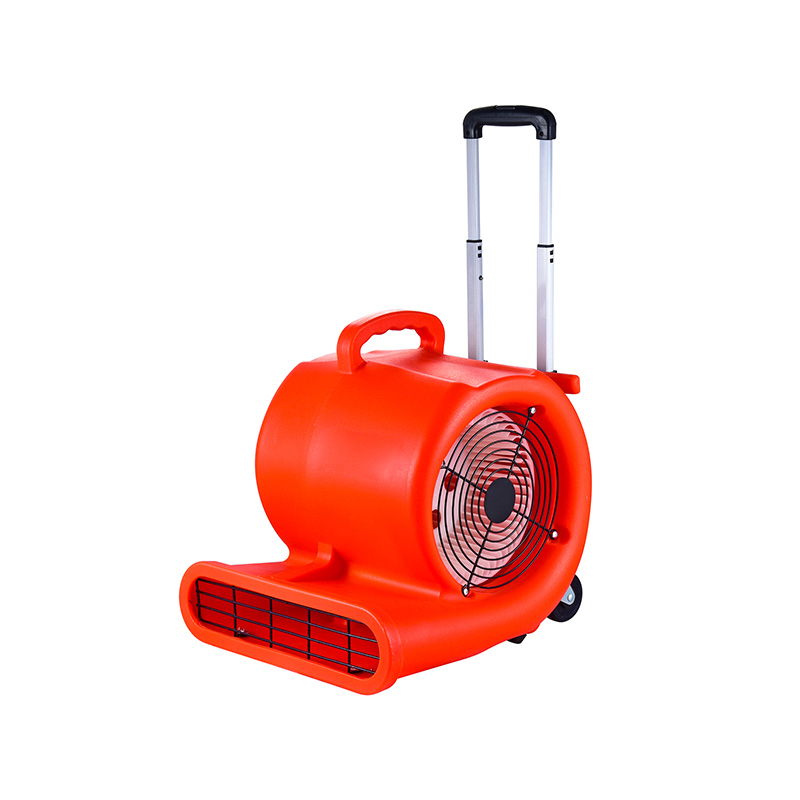
Blow Floor Ventilator
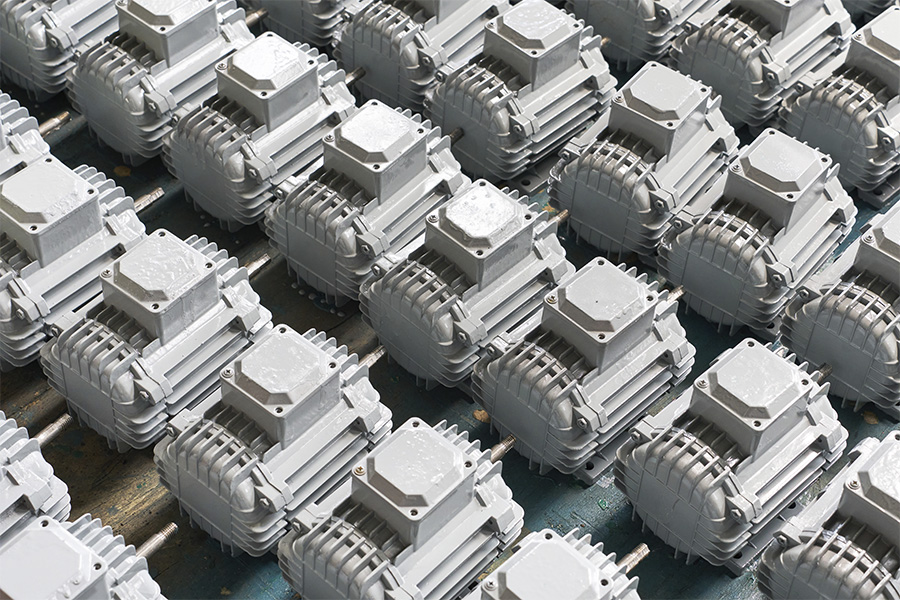
Floor ventilators, also known as blow floor ventilators, are designed for fast and effective air movement in industrial, commercial, and maintenance environments. They are widely used for floor drying, confined space ventilation, workshop cooling, and jobsite air circulation. With a compact structure, portable design, and focused airflow output, these units help improve ventilation efficiency in areas where stable air delivery is needed. Floor ventilators are a practical choice for contractors, warehouses, factories, and service teams looking for reliable airflow support in daily operations.

ABOUT US
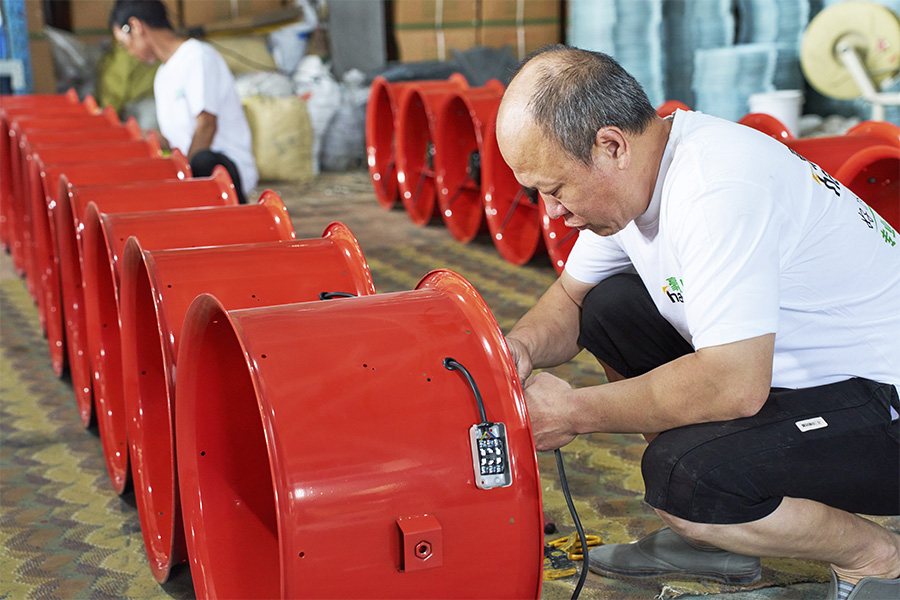
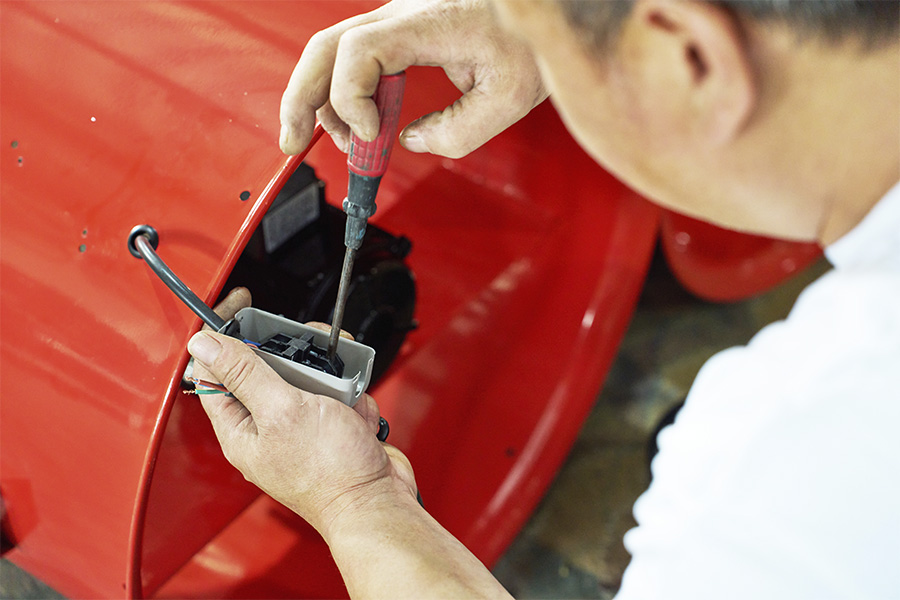
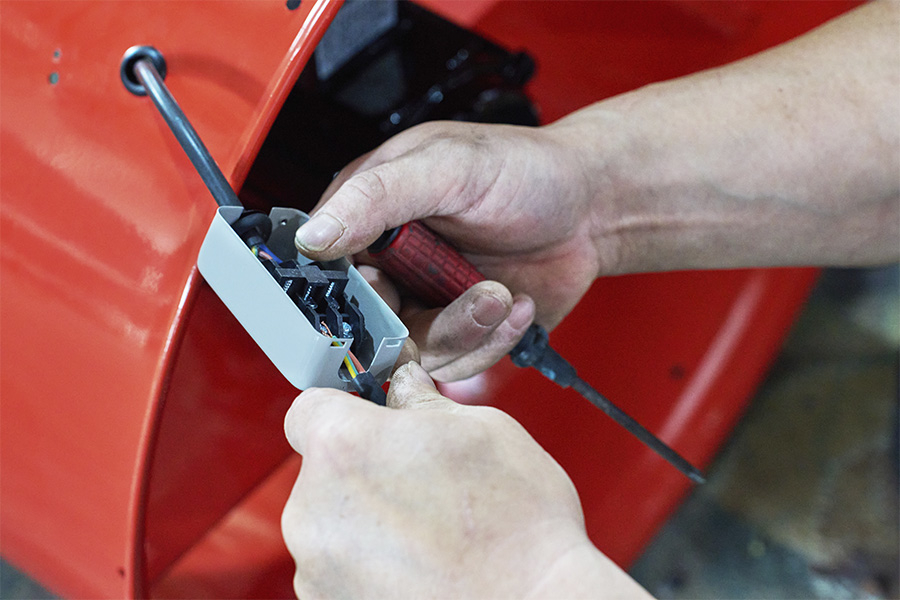
Taizhou Haoba Electromechanical Co., Ltd. is a professional manufacturer specializing in various types of high-pressure centrifugal fans, medium-pressure fans, axial flow ventilators, centrifugal ventilators, exhaust fans, and multi-blade low-noise centrifugal fans. The company boasts strong technical capabilities, supported by a team of highly qualified technical personnel, modern production equipment, and streamlined assembly line workshops.
Factory
News
-
Oct 02, 2026_HaoBa
-
Sep 25, 2026_HaoBaAir movement can look genuinely simple when viewed from the outside looking in. A fan moves air into a duct, the duc...Read More
-
Sep 18, 2026_HaoBaIndustrial ventilation is genuinely rarely limited to one simple airflow task handled by a single unit. A factory ma...Read More
-
Sep 11, 2026_HaoBaIndustrial ventilation is becoming a more complex design task than it was even a decade ago. Factories are changing ...Read More
Floor Ventilator Applications and Buying Guide for Industrial Air Movement
Industrial airflow equipment is often selected based on the task at hand, not just the size of the space. In many work environments, a floor ventilator is used when air needs to be directed quickly and efficiently at ground level. From drying wet surfaces to improving ventilation in enclosed work zones, this type of blower has become a practical tool across factories, warehouses, construction sites, and maintenance operations.
What a Floor Ventilator Is Used For
A floor ventilator is made to push air directly across low-level spaces where targeted airflow is needed most. Instead of circulating air from above, it focuses on the immediate work zone, making it useful for drying, ventilation, and airflow control in specific areas.
Common uses include:
- Floor drying
- Carpet drying
- Site ventilation
- Warehouse air movement
- Workshop cooling
- Equipment room airflow
- Confined space ventilation
- Water restoration projects
In these settings, a portable blower can improve air circulation quickly, help shorten drying periods, and support day-to-day work without the need for a permanent ventilation system.
Why Blow Floor Ventilators Are Popular
Blow floor ventilators are often preferred in working environments where portable, direct airflow is needed. Their design allows air to be delivered to specific areas quickly, which makes them suitable for temporary drying, spot ventilation, and general airflow support in both industrial and commercial spaces.
Key advantages include:
- Easy transfer between job areas
- Direct airflow near the floor
- Suitable for drying and ventilation purposes
- Compact structure for easier storage and carrying
- Widely used in commercial and industrial environments
In practice, one unit can be used for different tasks in different locations, helping improve workflow and reduce equipment demand.
How to Choose the Right Floor Ventilator
Selecting the right model depends on more than appearance or motor size. The working environment, airflow requirement, and duty cycle all affect long-term performance.
Important factors to consider:
- Air volume output
- Motor power
- Portability
- Housing durability
- Noise level
- Power supply compatibility
- Application type
- Continuous operation needs
Below is a simple comparison of key selection points:
|
Factor |
Why It Matters |
Typical Consideration |
|
Airflow |
Determines drying and ventilation speed |
Higher airflow for larger or wetter areas |
|
Portability |
Affects ease of movement on site |
Wheels and handle improve mobility |
|
Durability |
Impacts service life in demanding environments |
Strong housing for industrial use |
|
Noise Control |
Important in occupied work areas |
Lower noise for indoor commercial use |
A good floor ventilator should match the actual job rather than simply offering the highest stated output.
Where These Units Perform Best
Floor ventilators perform best in areas where airflow needs to move across the space at ground level rather than from above. They are commonly used in locations that require direct ventilation, faster drying, or flexible air circulation for short-term tasks.
Typical environments include:
- Industrial facilities
- Warehouses
- Basements
- Service hallways
- Construction sites
- Commercial cleaning jobs
- Maintenance work areas
They are often selected for applications where mobility is important, especially when permanent ventilation systems are not practical for temporary or targeted airflow requirements.
For many businesses, a floor ventilator is used for more than drying floors or wet surfaces. It can also support everyday airflow needs, helping indoor areas stay cleaner, safer, and more manageable during routine work. Whether it is brought in after cleaning, used for temporary ventilation, or positioned to improve regular air circulation, it provides a practical solution for maintaining steady airflow in active work environments.
The main point is clear: a well-matched blow floor ventilator helps direct air to the areas that need it most, reduces unnecessary delays, supports safer working conditions, and helps keep daily operations on schedule.
get in Touch

No. 12, Caoao Industrial Zone B, Daxi Town, Wenling City, Taizhou City, Zhejiang Province, China.
Product Center
contact details
-
Email: [email protected]
-
Tel: +86-0576-8631 3688
-
Phone: +86-189-6859-2966
-
FAX: +86-0576-8631-3688
Mobile
Copyright © Taizhou Haoba Electromechanical Co., Ltd. All Rights Reserved.

Floor Ventilator Manufacturer