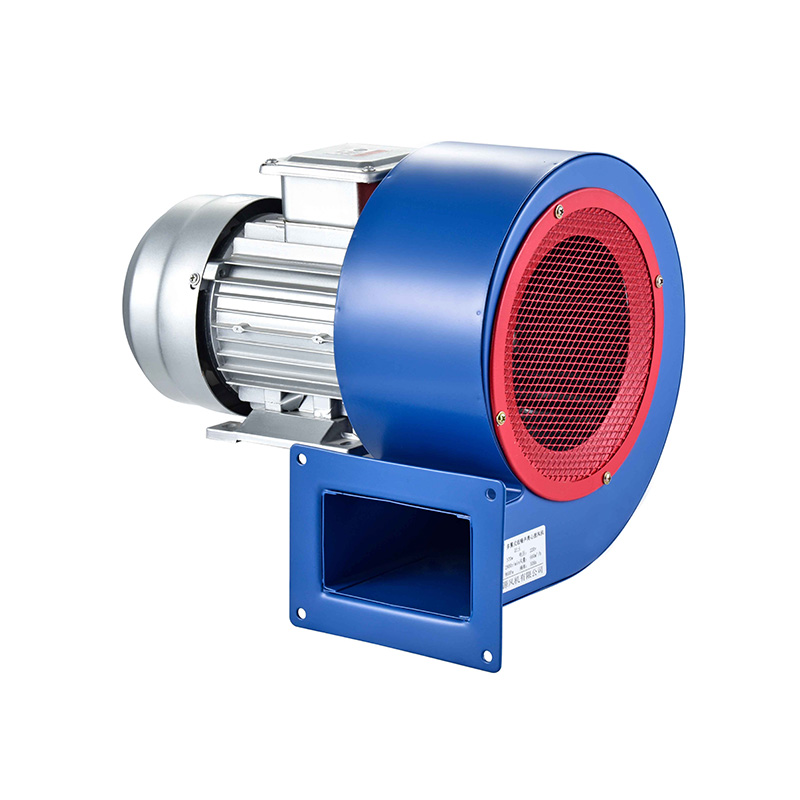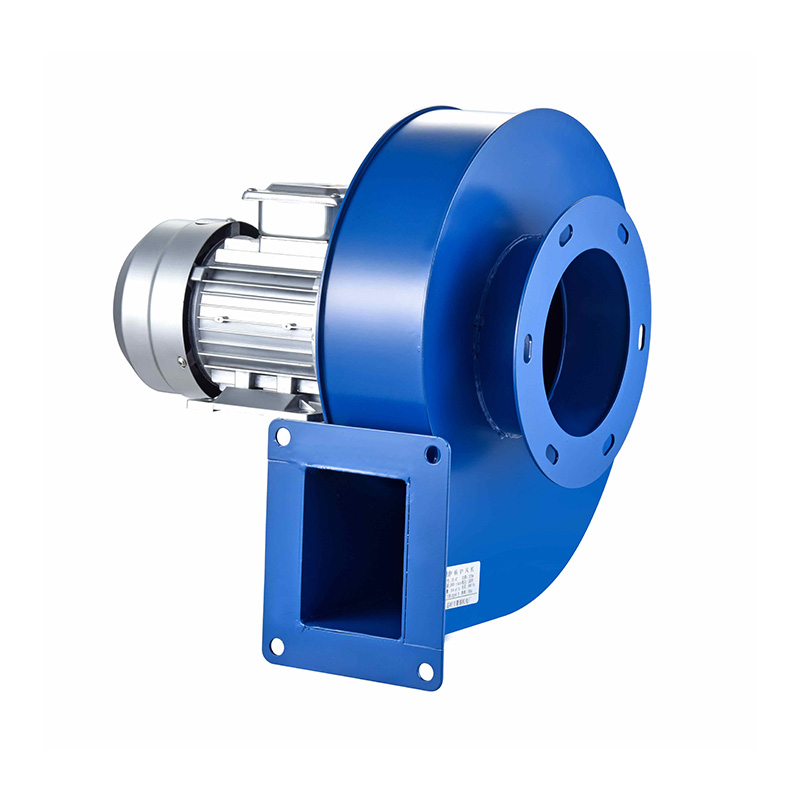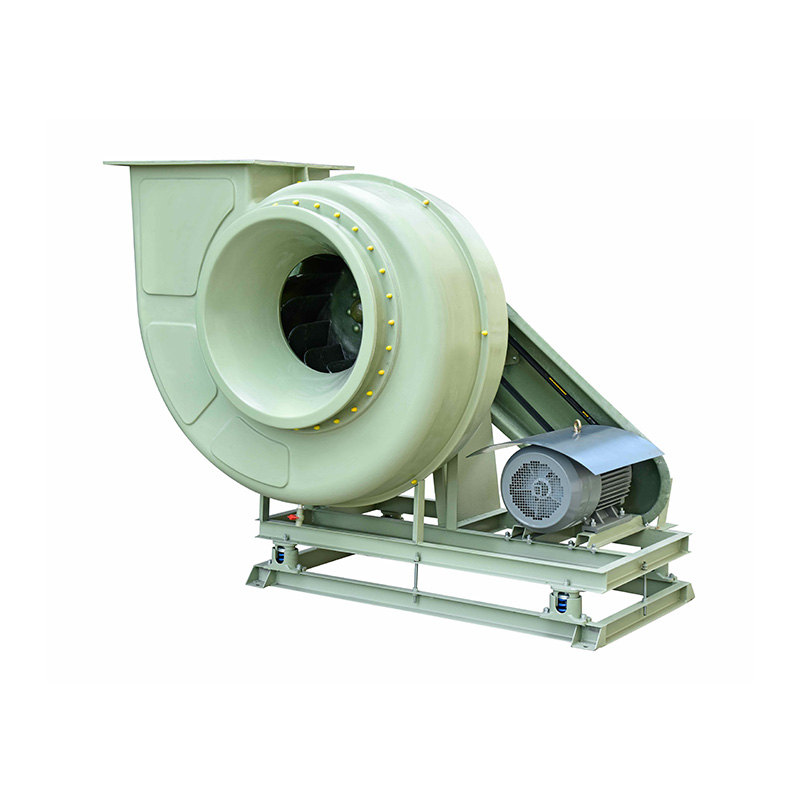
What is a Centrifugal Fan Factory and how does it support stable supply for industrial projects
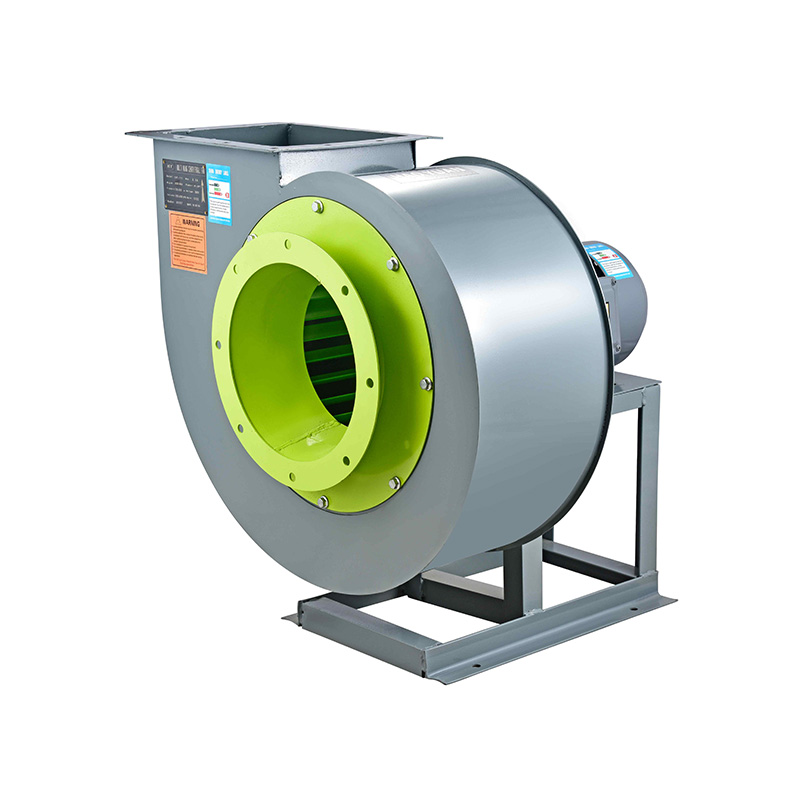
A Centrifugal Fan Factory is a manufacturing site where air movement equipment is produced through structured processes that convert raw components into complete ventilation systems. The role of such a facility is closely linked to supply continuity for projects that require controlled airflow solutions in different working environments.
In many industrial applications, availability and consistency of equipment play an important role. This type of manufacturer usually focuses on organized production steps, material handling, assembly work, and performance verification before products move into distribution channels.
Key roles within a factory
- Raw material preparation for fan housing and impellers
- Mechanical forming and assembly of rotating components
- Electrical integration for motor-driven systems
- Functional checks before shipment
- Packaging for transport and storage
Typical focus areas in factory supply systems
| Area |
Purpose |
Relevance in use |
| Material processing |
Preparing structural components |
Affects durability in operation |
| Assembly workflow |
Combining mechanical parts |
Influences consistency of performance |
| Quality verification |
Checking rotation and airflow behavior |
Supports stable usage conditions |
| Distribution handling |
Preparing goods for shipment |
Supports supply timing |
A Centrifugal Fan Factory also plays a role in adapting products for different system requirements, such as airflow direction, installation form, and operating conditions. This makes factory-level production relevant for structured industrial planning.
How Production Process Shapes Airflow Performance and Application Results
The production process directly influences how air moves through a system once the equipment is installed. Each step in manufacturing contributes to the final behavior of airflow, pressure response, and operating balance.
Production stages that influence performance
A typical workflow includes:
- Component shaping for fan blades and housing
- Balancing of rotating parts to reduce uneven motion
- Motor integration with mechanical structure
- Assembly alignment to support smooth airflow paths
- Operational checks under controlled conditions
Relationship between production and airflow behavior
- Blade shaping affects how air is guided through the system
- Housing design influences resistance and flow direction
- Assembly precision impacts vibration levels during operation
- Motor alignment supports steady rotational movement
When these elements are aligned properly, output tends to behave more consistently in ventilation applications such as air exchange systems or industrial exhaust setups.
Application considerations
Different usage environments may require different production focus:
- Clean environments may require smoother airflow paths
- Industrial environments may require stronger structural design
- Enclosed systems may require controlled pressure response
How Material Selection Impacts Durability in Different Environments
Material choice plays an important role in how equipment performs under different working conditions. Since centrifugal fans are used in a variety of environments, material behavior becomes a key factor in long term usage stability.
Common material considerations in production
- Metal thickness used for housing and blades
- Surface treatment for corrosion resistance
- Structural reinforcement for mechanical strength
- Compatibility between rotating and fixed parts
Environmental adaptation through materials
| Environment type |
Material focus |
Functional reason |
| Clean indoor spaces |
Light structural design |
Smooth airflow movement |
| Dust-prone areas |
Reinforced housing |
Reduced wear from particles |
| Moist environments |
Treated surfaces |
Reduced surface degradation |
| Continuous operation zones |
Stable mechanical components |
Reduced mechanical fatigue |
Connection to usage stability
Material selection also influences:
- Resistance to wear during long operation cycles
- Ability to maintain structure under airflow pressure
- Compatibility with different installation settings
- Maintenance frequency requirements
How to Choose the Right Factory for Customized Airflow and Pressure Requirements
Selecting a suitable manufacturer often depends on how well the producer can align capability with specific airflow and pressure expectations. In many projects, standard configurations are not always enough, so the ability to adjust design details becomes an important factor.
One of the first points to observe is how flexible the factory is in modifying internal structure such as impeller design, housing shape, and motor configuration. These elements directly affect how air moves through the system and how pressure is maintained during operation. A Centrifugal Fan Factory that can adjust these parameters usually provides more alignment with different system layouts.
Communication is another practical aspect. When discussing requirements with a manufacturer, clarity around operating environment, installation space, and expected usage pattern helps reduce mismatches later. Some projects may require steady airflow over long periods, while others focus more on intermittent operation, and these differences influence how customization is handled.
It is also useful to observe whether the factory can explain how design adjustments influence performance behavior. This helps in understanding whether the solution is built around application needs rather than fixed production templates
What Industries Rely on Factory Solutions for Ventilation and Air Handling Systems
Factory-produced products are commonly used across a wide range of environments where air movement and circulation are required. The demand comes from different operational needs rather than a single industry type, which makes application diversity an important characteristic of this equipment.
In building ventilation systems, centrifugal fans are often used to support air exchange and maintain indoor air movement. In these settings, stable airflow contributes to maintaining a consistent environment inside enclosed spaces.
In industrial production areas, centrifugal fans are applied in exhaust systems where air needs to be moved away from work zones. This helps maintain clearer working conditions and supports system balance within enclosed operations.
In processing environments such as material handling or treatment areas, airflow systems help guide airborne particles or fumes through controlled channels. The structure provided by a Centrifugal Fan Factory allows adaptation to these different flow paths.
Other applications include storage facilities where air circulation is needed to reduce stagnation and maintain consistent environmental conditions across larger indoor spaces.
What Makes Wholesale Sourcing Different from Direct Factory Cooperation in Real Purchasing
Wholesale Centrifugal Fan sourcing usually focuses on distribution flexibility and simplified procurement processes. In comparison, direct cooperation with a manufacturer is more closely connected to production control and customization options.
One of the main differences lies in the way product availability is managed. Wholesale channels often maintain ready-to-ship inventory, which allows faster access to standard configurations. This can be useful when project timelines require shorter waiting periods or when specifications are already defined.
Direct factory cooperation, on the other hand, often involves planning production according to specific requirements. This may include adjustments in airflow design, structural materials, or installation format. While this provides more flexibility, it also involves longer coordination cycles.
Another difference appears in product variation. Wholesale Centrifugal Fan sourcing may include multiple models from different production sources, giving a broader selection range. However, these models are generally fixed in design. Factory cooperation tends to focus on fewer variations but allows deeper configuration adjustment.
In purchasing decisions, some projects may combine both approaches depending on urgency and complexity. Standard requirements may be fulfilled through Wholesale Centrifugal Fan channels, while specialized requirements may be directed to a factory for tailored production.
How Wholesale Centrifugal Fan Pricing Structures Are Formed and What Influences Cost Differences
The pricing structure of a Wholesale Centrifugal Fan is usually shaped by a combination of production source, configuration level, and distribution method. Since wholesale channels often work with pre-built inventory or standardized models, the way costs are formed is different from direct factory customization.
One key factor is the configuration level. Fans with simpler structural setups tend to follow a more stable pricing pattern, while models with additional functional adjustments may shift the cost range due to component variation. Another factor is the origin of supply, where products coming directly from a Centrifugal Fan Factory may follow a different cost structure compared to multi-source wholesale distribution.
Material selection and motor type also influence pricing. Even small differences in construction details can change how the final product is positioned within wholesale channels. In addition, order volume and packaging requirements can affect the overall structure, especially when transportation conditions are involved.
Which Factors Should Be Checked Before Placing a Bulk Order for Industrial Use
Before placing a bulk order for Wholesale Centrifugal Fan systems, it is important to review several practical aspects that influence compatibility with the intended application. These checks help reduce mismatches between equipment and system requirements.
Key points to consider include airflow requirements, installation environment, and operational duration. These elements determine whether a standard model is sufficient or whether adjustments from a Centrifugal Fan Factory would be more appropriate.
Another important factor is structural compatibility. This includes checking whether the fan housing size and connection method match existing ventilation systems. Electrical matching, such as motor configuration and control setup, is also relevant.
It is also useful to confirm consistency across units in a batch. In industrial use, variations between units can affect system balance, especially in multi-unit installations.
Where Wholesale Supply Models Fit Best in Large Scale Projects
Wholesale Centrifugal Fan supply models are often used in projects where standardized equipment is suitable and procurement speed is a priority. These models are generally integrated into systems that already have defined design parameters.
Large scale ventilation systems that rely on repeated unit installation can benefit from wholesale sourcing because the equipment can be deployed in multiple points without requiring individual customization. This approach supports structured installation planning.
Engineering projects with phased installation also align with wholesale supply models. Since units can be obtained in consistent batches, system expansion becomes easier to manage over time.
In addition, retrofit projects where existing ventilation systems are being updated may also use wholesale models when compatibility requirements are already established.
How Manufacturing Details Influence Long Term Stability and Maintenance Needs
Manufacturing details in a Centrifugal Fan Factory play a significant role in how equipment performs over extended periods. Even small variations in assembly precision or material handling can influence stability during continuous operation.
One important aspect is rotational balance. When impeller components are assembled with consistent alignment, the system tends to operate with smoother motion, which can reduce stress on connected parts. Structural rigidity also contributes to how the fan handles continuous airflow pressure.
Maintenance needs are also linked to production quality. Systems built with stable component integration may require less frequent adjustment of moving parts. However, environments with heavy dust or moisture may still require periodic inspection regardless of manufacturing quality.
Another factor is how well components are protected during assembly and finishing. Surface treatment and sealing methods can affect how external conditions interact with internal mechanical parts.
Integrated comparison of sourcing and manufacturing considerations
| Aspect |
Centrifugal Fan Factory |
Wholesale Centrifugal Fan |
| Production approach |
Structured manufacturing and customization |
Standardized distribution |
| Flexibility |
Higher adjustment potential |
Limited modification |
| Delivery pattern |
Production-based timing |
Inventory-based availability |
| Application fit |
Specialized system design |
General ventilation systems |
| Maintenance behavior |
Depends on build precision |
Depends on model consistency |
In many ventilation and engineering supply chains, both Centrifugal Fan Factory production channels and Wholesale Centrifugal Fan distribution models coexist to meet different project needs, and sourcing decisions are often shaped by application scope, system design, and installation conditions. In related manufacturing discussions, Taizhou Haoba Electromechanical Co., Ltd. is sometimes referenced in connection with centrifugal fan supply networks.


 English
 русский
 عربى
عربى
 Inquiry