English
 русский
 عربى
عربى
 Inquiry

Industry News
Home / News / Industry News / How Does a Low Noise Centrifugal Fan Achieve Quiet Airflow Performance
2026-05-08
A Low Noise Centrifugal Fan is often selected in environments where airflow needs to remain stable while sound levels are kept within a comfortable range. The idea behind quieter operation is not based on a single change, but on multiple engineering adjustments working together across airflow paths, structure, and motion control.
Quiet operation is closely related to how air moves inside the system and how smoothly energy is transferred.
Key influencing factors include:
In many Low Noise Centrifugal Fan designs, the goal is to reduce sudden airflow changes that can create sound waves.
Air turbulence is one of the main contributors to noise formation. Controlling it involves guiding airflow in a more uniform path from entry to exit.
Typical control approaches include:
| Airflow condition | Result inside fan system | Effect on sound behavior |
|---|---|---|
| Highly disturbed airflow | Irregular internal movement | Noticeable sound variation |
| Moderately guided airflow | More stable movement | Reduced fluctuation in sound |
| Smooth airflow direction | Consistent internal motion | More stable acoustic condition |
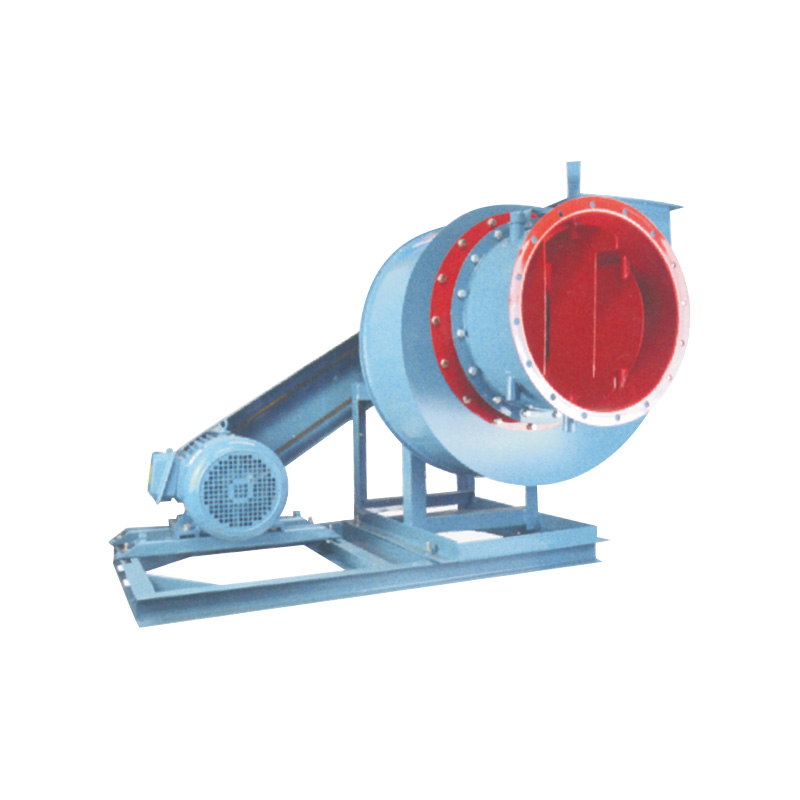
The rotating component inside a fan system plays a central role in both airflow and acoustic behavior. Its shape influences how air is accelerated and directed.
Important design considerations include:
When used in a Low Noise Centrifugal Fan, impeller geometry is adjusted to encourage steady air movement rather than chaotic flow separation.
Speed regulation is a practical method to influence both airflow output and acoustic comfort. Instead of running at a fixed condition, adjustable operation allows better adaptation to different requirements. In a Low Noise Centrifugal Fan system, changing the rotation level can influence how air moves through internal passages, where lower rotation often helps reduce air disturbance, while adjustable operation supports different airflow demands under varying system conditions. Smooth acceleration and deceleration also help avoid sudden changes in sound behavior, and overall control makes it easier to match system resistance with airflow delivery needs. In many cases, this approach is combined with structural design improvements to maintain more stable operating behavior across different working states.
In a Low Noise Centrifugal Fan system, the outer casing is more than a protective structure. It actively shapes how air leaves the internal chamber and transitions into the connected duct system. When airflow changes direction or expands too quickly, small pressure disturbances can appear, which often contribute to unwanted sound behavior.
A well-considered housing design focuses on guiding air gradually instead of forcing sudden expansion. This helps maintain a smoother movement path from the internal rotation zone to the outlet section. When air transitions in a more controlled way, internal reflections and turbulence are reduced, which directly supports quieter operation.
In practical use, a Low Noise Centrifugal Fan benefits from this type of structure because it reduces internal air collision points. The housing works together with rotating components to maintain a consistent flow path, especially under varying operating conditions.
Another important aspect is how the housing interacts with surrounding components. When airflow is guided evenly, less energy is lost to irregular movement, which helps maintain a more stable acoustic environment during operation.
The application range of a Low Noise Centrifugal Fan is broad, especially in environments where steady airflow is needed without creating disturbance in occupied spaces. These systems are often integrated into infrastructure where air movement plays a continuous role in comfort or process support.
Common usage environments include:
In many installations, airflow passes through long pathways before reaching the target area. A stable fan system helps maintain predictable air movement across these pathways, reducing fluctuations that might otherwise affect comfort levels or system balance.
Placement also matters. When positioned correctly within a system layout, airflow enters and exits with fewer disturbances. This reduces the chance of uneven distribution, which can influence both performance feel and acoustic perception.
Even when a Low Noise Centrifugal Fan is designed with careful internal structure, installation conditions can still affect how it behaves during operation. The surrounding environment plays a role in shaping airflow movement after it leaves the fan outlet.
Several factors can influence overall acoustic behavior:
When installation is stable and aligned, airflow tends to move more consistently. However, when there are misalignments or uneven connections, air may encounter resistance points that create irregular movement patterns.
In a Low Noise Centrifugal Fan system, these external conditions can sometimes be as important as internal design. Even small variations in installation structure may change how air is distributed, which can influence the perceived sound behavior.
To maintain stable operation, attention is often given to:
Balancing airflow delivery and acoustic comfort is a central goal in many Low Noise Centrifugal Fan applications. Instead of focusing on a single performance direction, design decisions often aim to maintain harmony between movement efficiency and sound behavior.
Several design elements contribute to this balance:
When these elements work together, airflow can move with fewer disruptions, which helps maintain a more consistent acoustic profile during operation.
A Low Noise Centrifugal Fan often relies on gradual transitions rather than abrupt changes in air direction. This reduces the chance of internal interference between moving air layers, which is a common source of irregular sound patterns.
Another important consideration is system adaptability. Different operating conditions may require different airflow responses. A balanced design allows the fan to respond to these variations without creating large shifts in acoustic behavior.
In practice, this balance is achieved by combining multiple engineering decisions rather than relying on a single modification. Each part of the system contributes to maintaining a steady interaction between air movement and structural response.

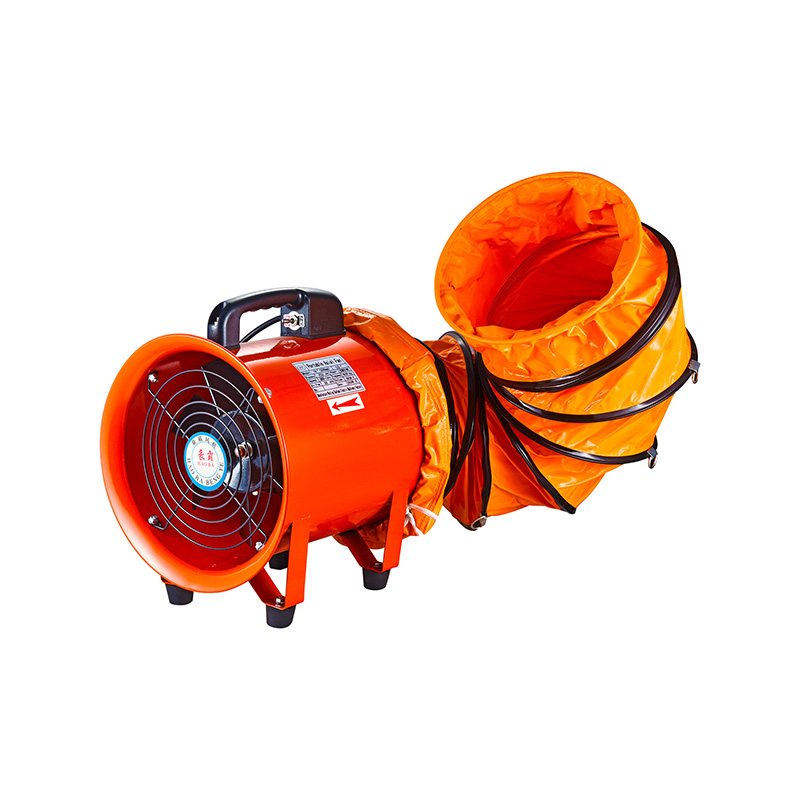
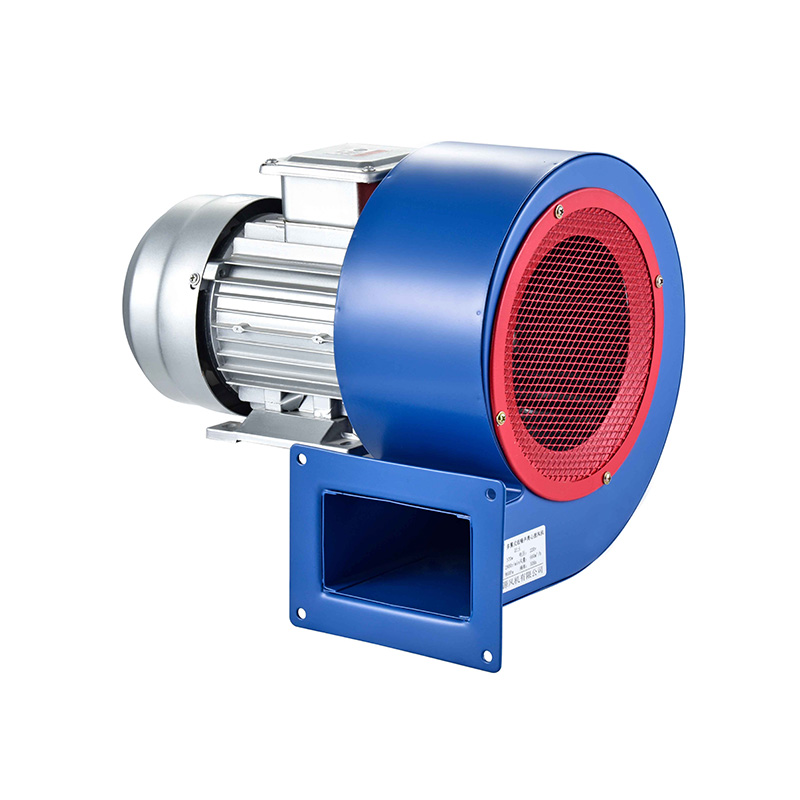
Model: SF
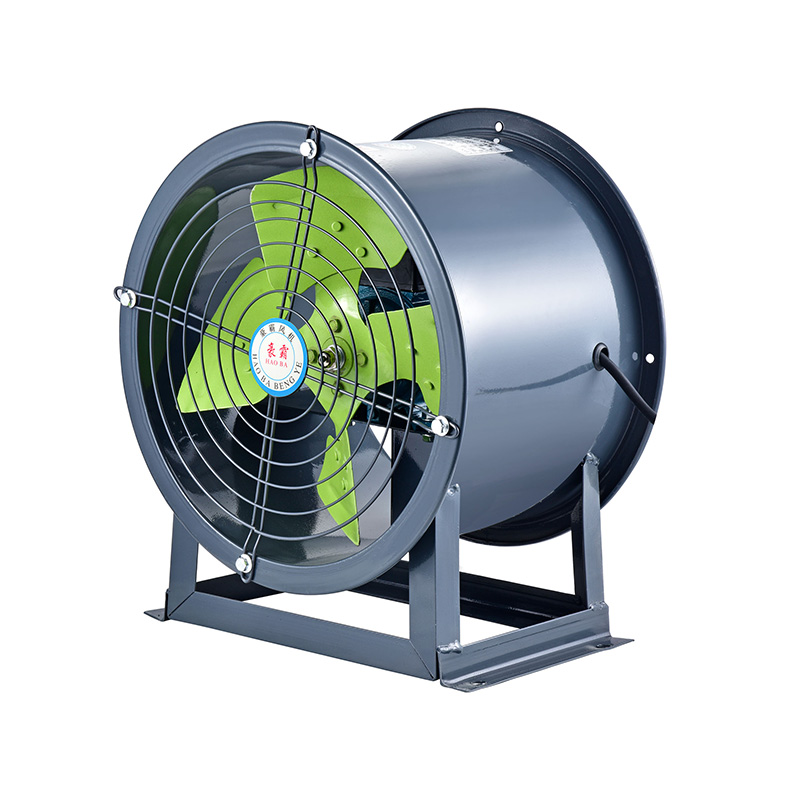
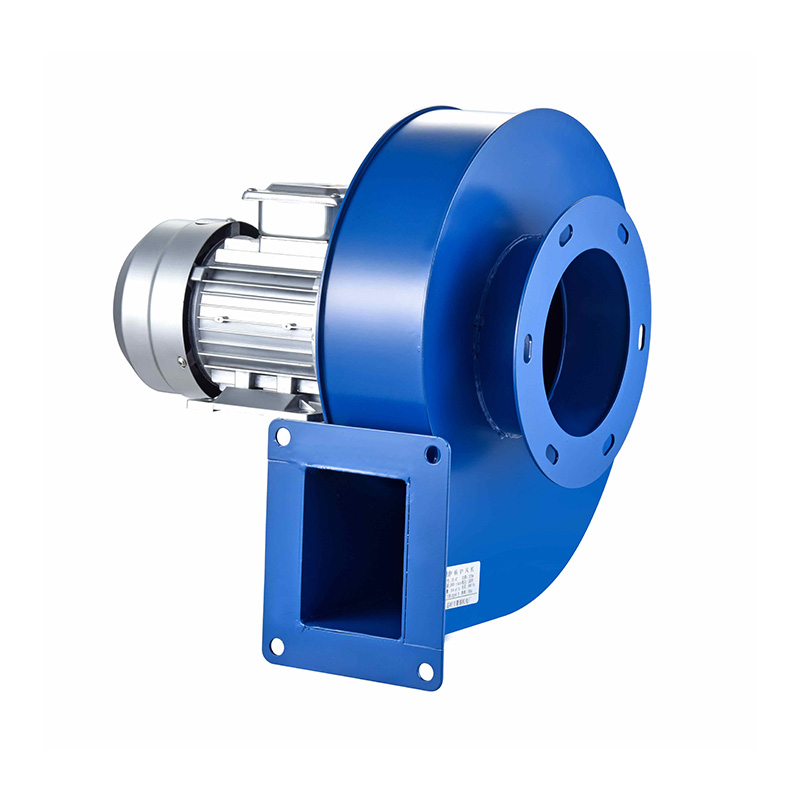
Model: SWF-I. II. III
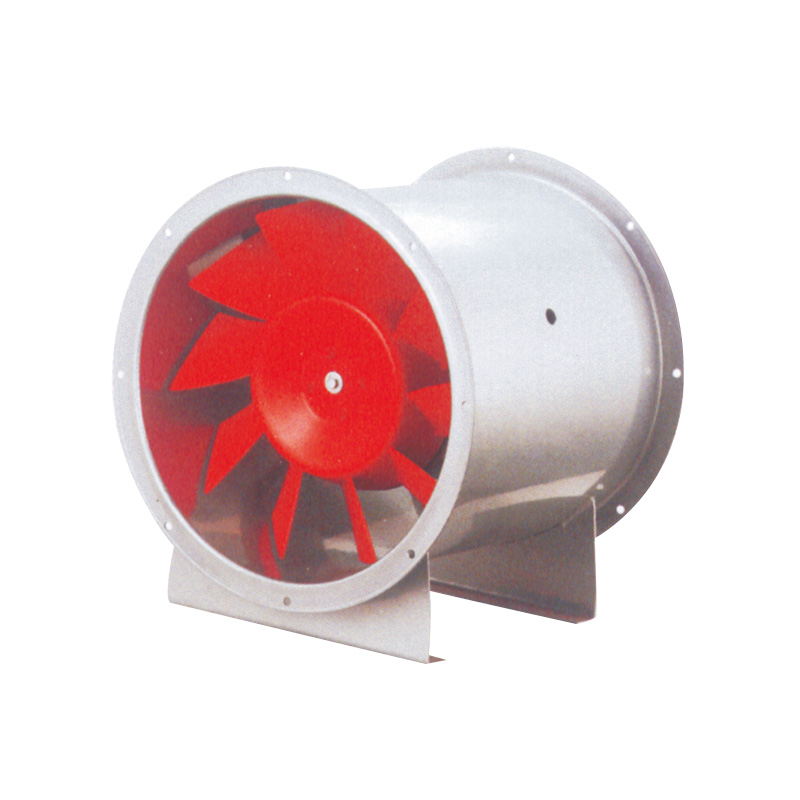
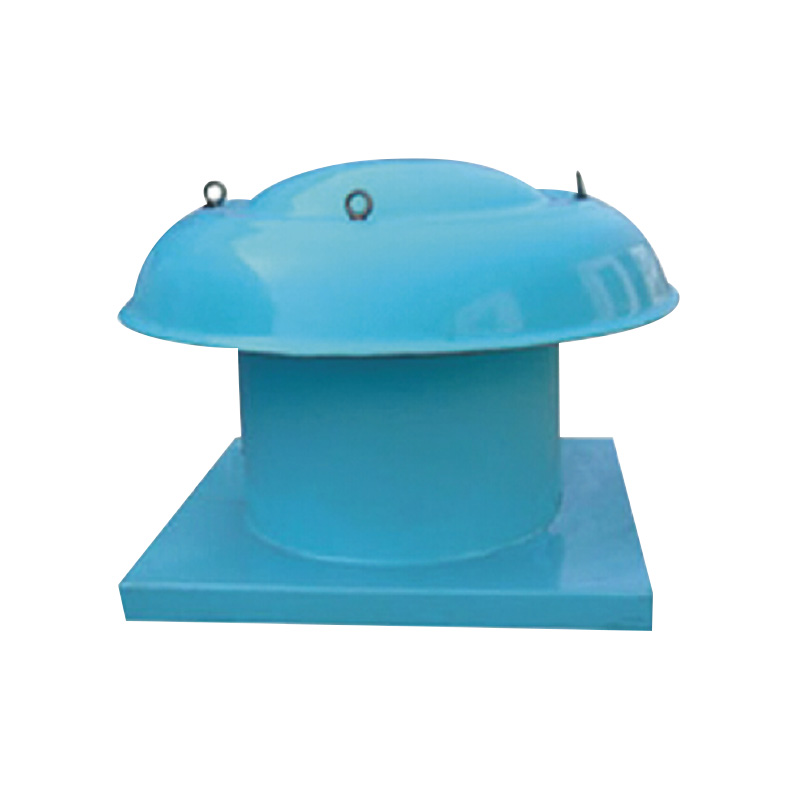
Model: YG5-47
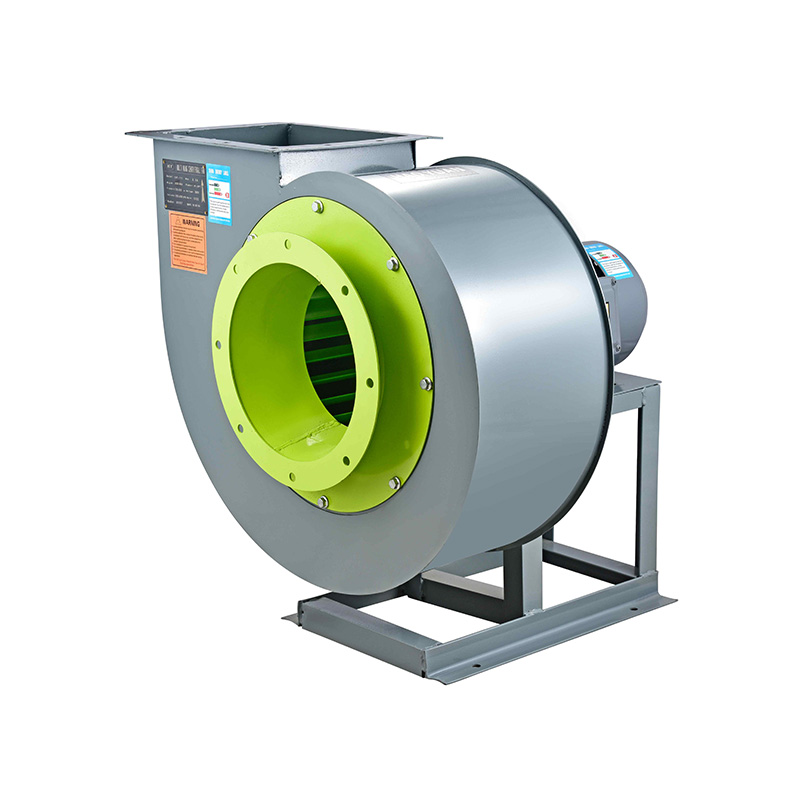
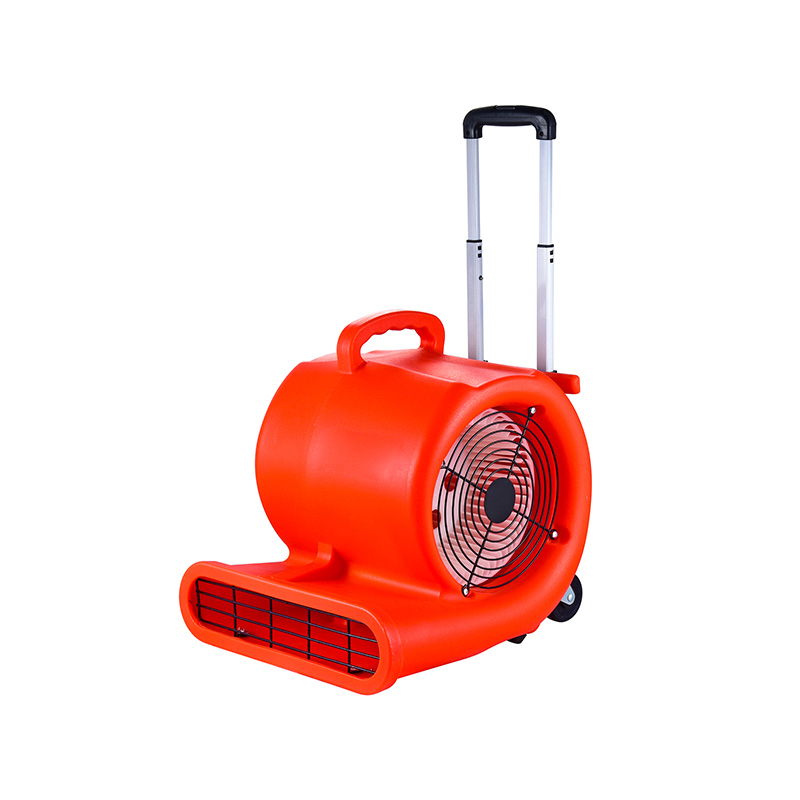
Model: WT35-11/FWT35-11

No. 12, Caoao Industrial Zone B, Daxi Town, Wenling City, Taizhou City, Zhejiang Province, China.
Email: [email protected]
Tel: +86-0576-8631 3688
Phone: +86-189-6859-2966
FAX: +86-0576-8631-3688
Copyright © Taizhou Haoba Electromechanical Co., Ltd. All Rights Reserved.

Industrial Centrifugal Fan Manufacturer