
 English
 русский
 عربى
عربى
 Inquiry




Fan blades do not look complicated at first glance. But if you change the blade angle, width, number, or diameter, the w...
Read More
Product
contact
Centrifugal Roof Ventilators
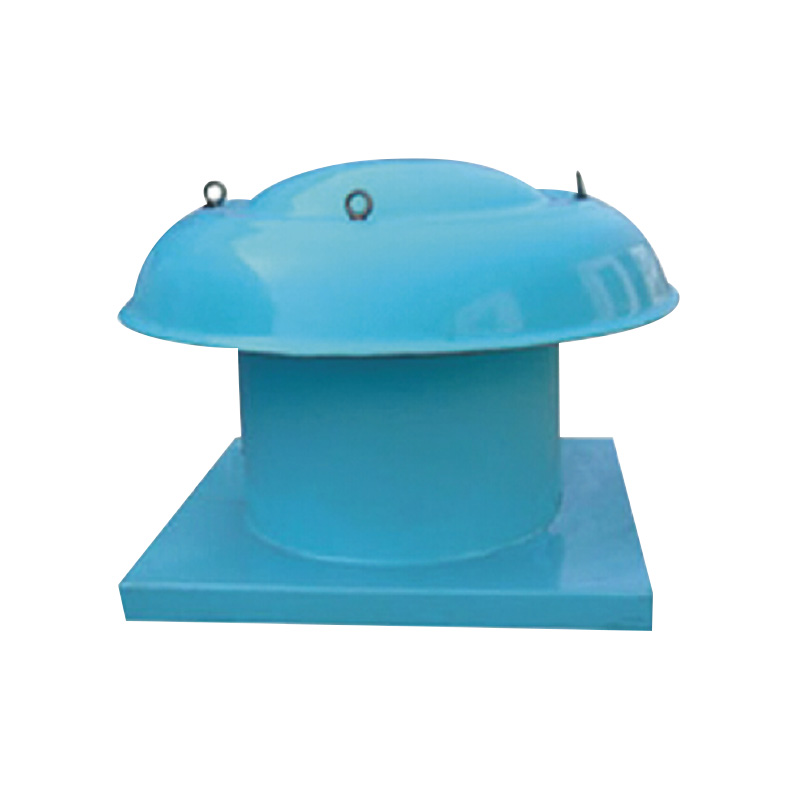
Centrifugal roof ventilators are designed for commercial and industrial buildings that require dependable air extraction, stable pressure, and long-term operating reliability. Commonly used in factories, warehouses, workshops, and processing facilities, these roof-mounted ventilation units help remove heat, fumes, dust, and stale air from enclosed spaces. Their structure makes them suitable for ducted and resistance-based systems where consistent airflow matters. On our official website, customers can browse product details, compare models, review technical data, and contact our team for application advice, pricing, and customized ventilation solutions.

ABOUT US
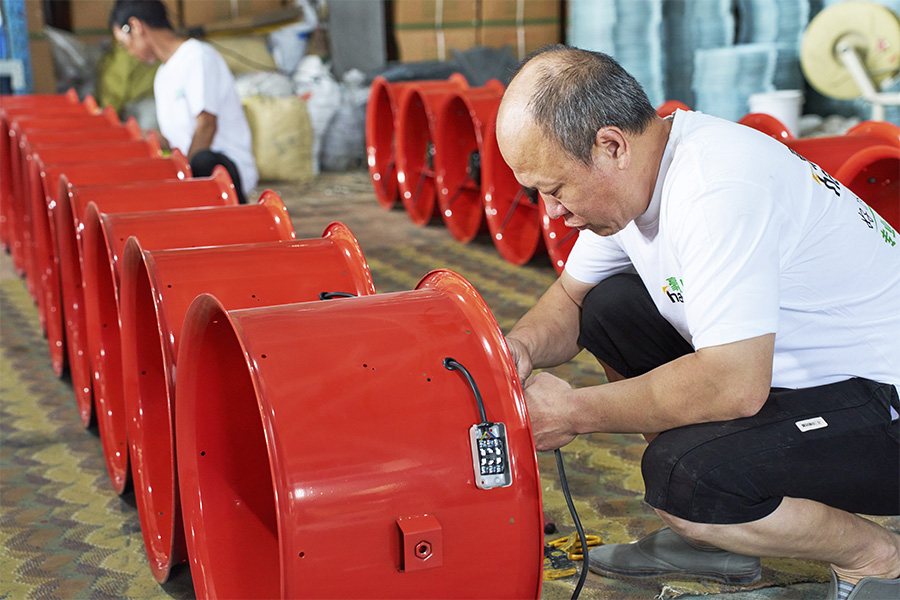
Taizhou Haoba Electromechanical Co., Ltd. is a professional manufacturer specializing in various types of high-pressure centrifugal fans, medium-pressure fans, axial flow ventilators, centrifugal ventilators, exhaust fans, and multi-blade low-noise centrifugal fans. The company boasts strong technical capabilities, supported by a team of highly qualified technical personnel, modern production equipment, and streamlined assembly line workshops.
Factory
News
-
Oct 02, 2026_HaoBa
-
Sep 25, 2026_HaoBaAir movement can look genuinely simple when viewed from the outside looking in. A fan moves air into a duct, the duc...Read More
-
Sep 18, 2026_HaoBaIndustrial ventilation is genuinely rarely limited to one simple airflow task handled by a single unit. A factory ma...Read More
-
Sep 11, 2026_HaoBaIndustrial ventilation is becoming a more complex design task than it was even a decade ago. Factories are changing ...Read More
Why Centrifugal Roof Ventilators Matter in Factory Ventilation Design
In industrial facilities, ventilation is often built into the way the workspace functions, not treated as an afterthought. As heat, dust, humidity, and process emissions accumulate indoors, airflow begins to affect worker comfort, equipment reliability, and the consistency of daily operations. For this reason, centrifugal roof ventilators are widely used in buildings that require steady, roof-level exhaust to manage indoor air conditions effectively.
Ventilation Is More Than Air Exchange
In factory settings, the goal is not only to replace indoor air. The system also needs to guide unwanted air out efficiently and keep conditions from becoming difficult for workers, machinery, or stored materials.
Poor ventilation can contribute to:
- Excess indoor heat
- Unstable air quality
- Moisture accumulation
- Dust concentration
- Reduced working comfort
- Greater strain on equipment
A roof-mounted centrifugal ventilator helps address these issues by creating controlled exhaust at the upper level of the building, where heat and rising contaminated air often collect.
Why Roof-Level Exhaust Is Common in Industrial Buildings
In enclosed industrial buildings, rising heat tends to gather near the roof, making the upper section of the structure a logical place for exhaust equipment. For this reason, centrifugal roof ventilators are commonly installed at roof level to discharge hot and stale air more efficiently, while preserving usable floor space for machinery, storage, and daily operations.
This arrangement is often preferred because it can:
- Help remove accumulated heat from the upper building zone
- Keep mechanical ventilation equipment off the main floor
- Allow a cleaner and more efficient exhaust path
- Suit wide-span and high-volume industrial structures
- Connect smoothly with duct-based ventilation systems
Where internal heat is generated throughout the day, roof-mounted exhaust can improve ventilation performance without interfering with production activities.
Where Centrifugal Roof Ventilators Are Commonly Used
These units are widely applied in environments where indoor exhaust needs to remain steady over time.
Typical use cases include:
- Manufacturing workshops
- Warehouses
- Fabrication plants
- Processing buildings
- Equipment rooms
- Commercial service facilities
In these spaces, the ventilator may be used to remove hot air, stale air, process exhaust, or air affected by light smoke, vapor, or suspended particles.
What Determines Performance in Actual Use
A fan is only effective when its operating characteristics suit the system it serves. In industrial ventilation, the actual result depends on more than the fan’s rated airflow.
Important performance considerations include:
- Air volume requirement
- Static pressure demand
- Motor capacity
- Fan speed
- Impeller efficiency
- Housing design
- Operating noise
- Temperature tolerance
If the system has airflow resistance from ducting, hoods, or discharge design, the ventilator must be selected to handle those conditions without losing effectiveness.
In many industrial projects, centrifugal roof ventilators are chosen for their ability to deliver steady exhaust performance while working smoothly with the overall building structure. Where indoor air quality has a direct impact on equipment condition, operating efficiency, and the daily working environment, ventilation becomes part of the facility’s core function. In this context, HAOBA is recognized for roof ventilation solutions designed to meet the practical demands of industrial applications.
When the unit is properly suited to the building, airflow pattern, and site requirements, its role goes beyond basic air extraction. It contributes to a cleaner indoor environment, more consistent operating conditions, and easier long-term management of the space.
get in Touch

No. 12, Caoao Industrial Zone B, Daxi Town, Wenling City, Taizhou City, Zhejiang Province, China.
Product Center
contact details
-
Email: [email protected]
-
Tel: +86-0576-8631 3688
-
Phone: +86-189-6859-2966
-
FAX: +86-0576-8631-3688
Mobile
Copyright © Taizhou Haoba Electromechanical Co., Ltd. All Rights Reserved.

Roof Ventilator for Efficient Industrial and Commercial Airflow