English
 русский
 عربى
عربى
 Inquiry

Industry News
Home / News / Industry News / External Rotor Fan and External Rotor Axial Fan Industry Overview Outline
2026-04-24
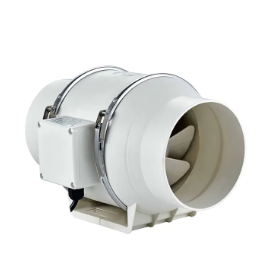
An External Rotor Fan is commonly understood as a fan design where the motor structure is built around an external rotating shell. In this arrangement, the rotor surrounds the stationary inner part, and the fan impeller is often directly attached to the rotating outer body. This structure changes how the fan is integrated into equipment, especially in compact ventilation systems.
An External Rotor Axial Fan refers to a configuration where this external rotor motor is combined with an axial airflow pattern. In simple terms, air moves along the same direction as the shaft line, passing through the fan in a straight path.
Because both terms appear together in catalogs and technical discussions, many users tend to compare them as if they describe two competing fan types. In practice, they describe different layers of the same system.
Key idea breakdown
Focuses on motor and mechanical structure
Focuses on airflow direction plus external rotor structure
Why comparison often happens
· Both share similar motor design appearance
· Both are used in ventilation-related systems
· Product listings sometimes group them under one category
· The naming structure is not always separated clearly in practice
The main difference between External Rotor Fan and External Rotor Axial Fan lies in classification level. One describes a mechanical structure, while the other combines that structure with airflow behavior.
Practical interpretation
In many ventilation-related systems, airflow direction and space arrangement play an important role. External Rotor Axial Fans are frequently used in these environments because their airflow path aligns with straight channel movement.
The External Rotor Axial Fan structure allows air to pass through without changing direction significantly, which supports continuous airflow in ducts or enclosed passages.
Typical reasons for usage
Common system environments
Relationship between External Rotor Fan and External Rotor Axial Fan in application
| Perspective | External Rotor Fan role | External Rotor Axial Fan role |
|---|---|---|
| Function level | Provides motor and rotating structure | Defines airflow direction in system |
| System role | Mechanical base for fan design | Complete airflow solution type |
| Flexibility | Can support multiple fan styles | Focused on axial airflow use |
Which Applications Are a Good Match for External Rotor Fan, and Which Ones Call for an External Rotor Axial Fan
| Application condition | External Rotor Fan | External Rotor Axial Fan |
|---|---|---|
| Flexible system design | Suitable as a base configuration | Less flexible, more directional |
| Straight airflow path | Can be adapted | Naturally aligned |
| Compact equipment design | Often used | Also commonly used |
| Enclosed air channel systems | Depends on setup | Frequently applied |
In some system designs, the choice is not only about airflow, but also about how the motor and impeller are arranged. An External Rotor Fan introduces a different structural layout compared with conventional internal motor arrangements.
The external rotor design places the rotating mass on the outside, allowing the impeller to be directly connected to the motor shell. This changes how space is used inside equipment.
Situations where External Rotor Fan becomes relevant
An External Rotor Fan is often chosen when system layout requires tighter integration between motor and airflow components. It is not defined by airflow direction, but by how the mechanical structure supports the overall design space.
One of the notable characteristics of an External Rotor Fan is its ability to support compact installation layouts. This comes from the way the motor and impeller are combined into a single rotating structure.
Instead of separating motor and fan components into different spaces, the external rotor configuration allows them to function as one integrated unit.
Structural behavior in compact design
Why this structure is widely adopted in compact systems
An External Rotor Axial Fan is often used in systems where air needs to move in a straight and continuous path. Because the airflow direction follows the axis of rotation, it fits well into environments that rely on directional ventilation rather than redirected or mixed airflow patterns.
In practical equipment layouts, this type of structure helps maintain airflow consistency inside confined or channel based spaces.
Common airflow improvement scenarios
In these environments, the External Rotor Axial Fan is often selected not only for airflow direction, but also for how its integrated structure aligns with system layout requirements.
When evaluating an External Rotor Axial Fan, attention is often given to how it behaves during operation and how it integrates into equipment systems. These considerations are usually linked to installation conditions, airflow environment, and mechanical balance.
Common points of attention
The External Rotor Axial Fan is often assessed as part of a larger system rather than as a standalone component, since its performance depends on how it interacts with surrounding airflow paths.
Tips for Selecting Between External Rotor Fan and External Rotor Axial Fan for Your Next Project
| Requirement type | External Rotor Fan | External Rotor Axial Fan |
|---|---|---|
| Flexible design integration | Suitable | Limited |
| Straight airflow path | Adaptable | Naturally aligned |
| Compact mechanical layout | Strong alignment | Also suitable |
| System airflow control | Depends on configuration | Direct airflow behavior |
External Rotor Fan technology has gradually influenced how compact ventilation systems are designed. By combining motor and impeller into a unified rotating structure, it changes the way space is used inside equipment and how airflow components are arranged.
In many modern air movement systems, External Rotor Fan and External Rotor Axial Fan configurations are often considered together during early design stages, especially when space efficiency and airflow direction need to be balanced.
Over time, this structural approach has been applied in a wide range of ventilation related environments, from enclosed airflow channels to integrated cooling layouts. In practical manufacturing and application scenarios, discussions around External Rotor Fan solutions and External Rotor Axial Fan configurations often appear in technical selection processes, including those associated with manufacturers such as Taizhou Haoba Electromechanical Co., Ltd.

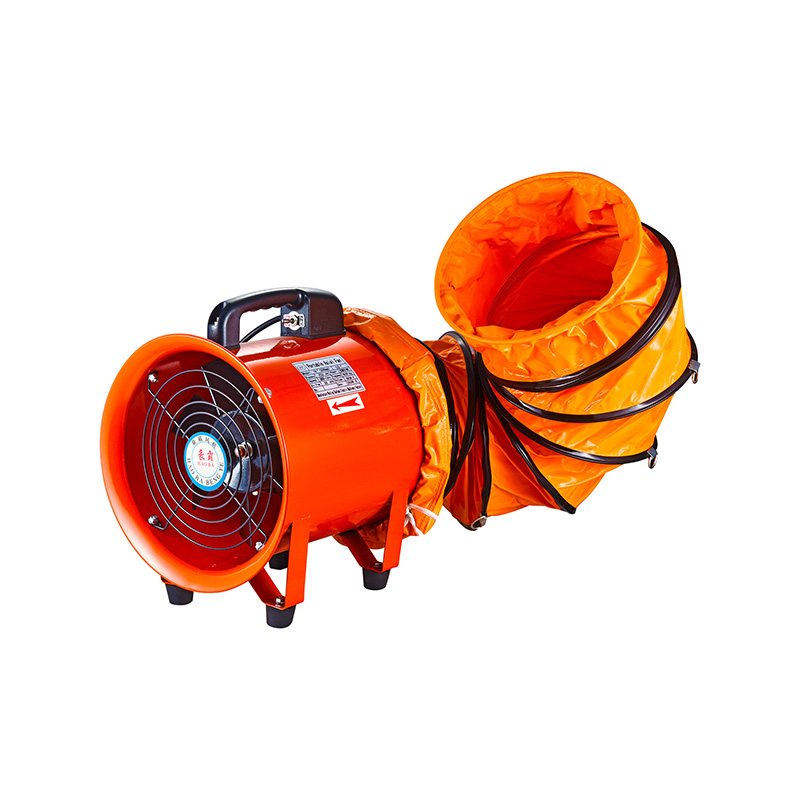
Model: SF
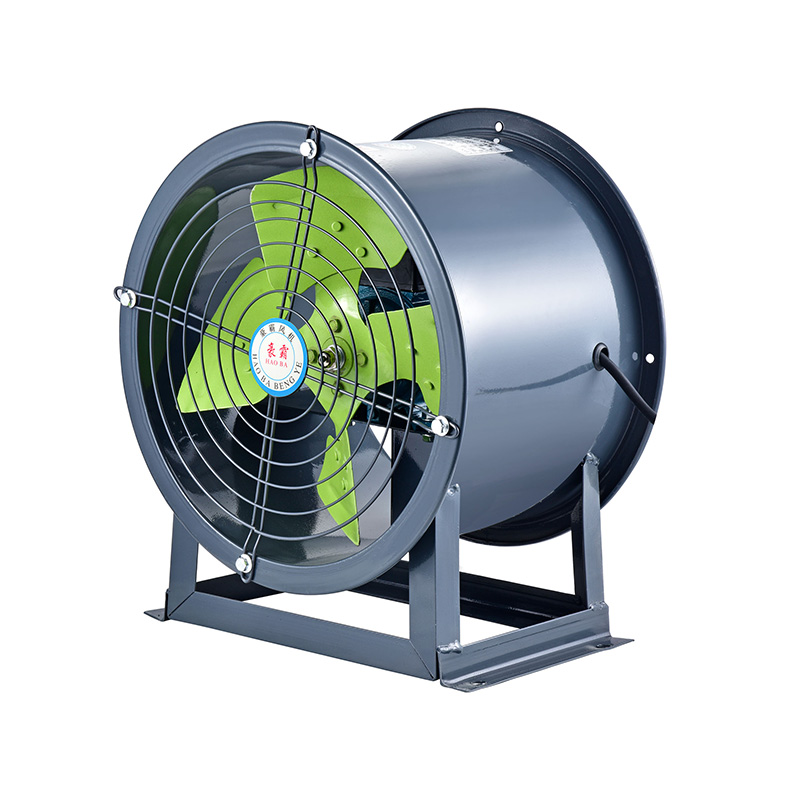
Model: SWF-I. II. III
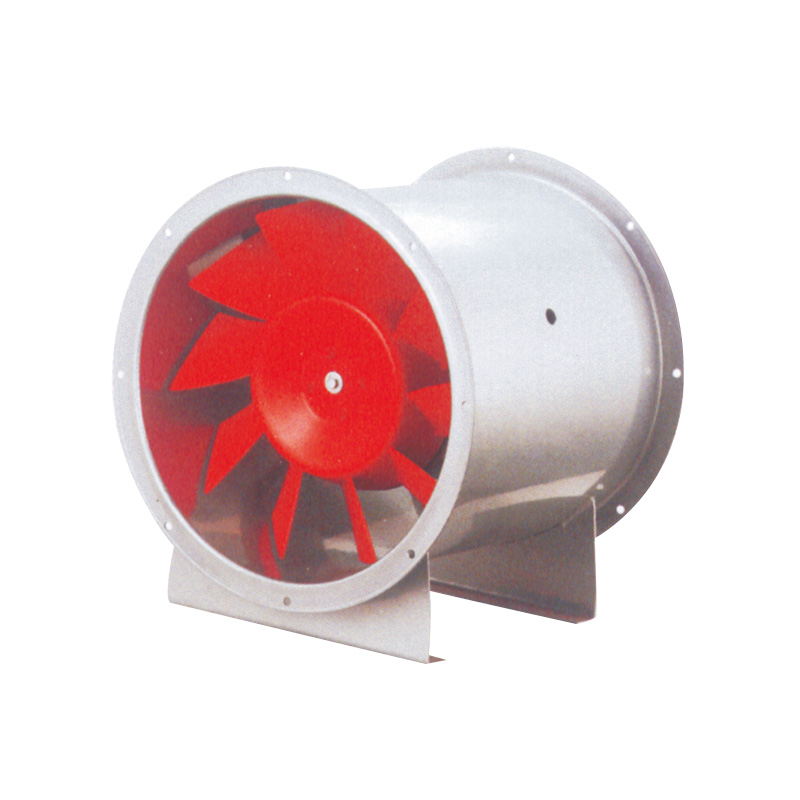
Model: YG5-47
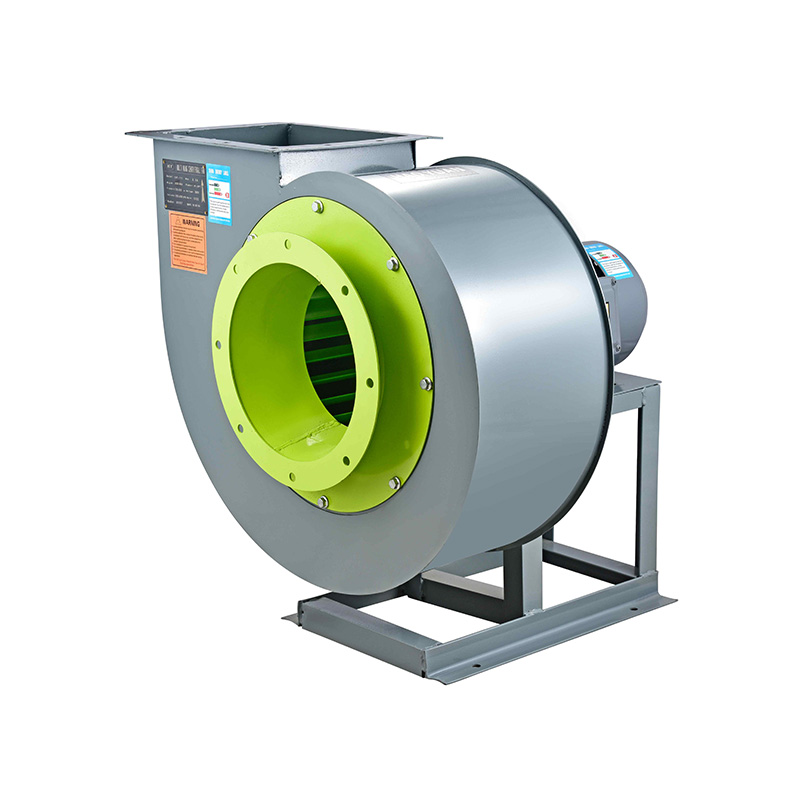
Model: WT35-11/FWT35-11

No. 12, Caoao Industrial Zone B, Daxi Town, Wenling City, Taizhou City, Zhejiang Province, China.
Email: [email protected]
Tel: +86-0576-8631 3688
Phone: +86-189-6859-2966
FAX: +86-0576-8631-3688
Copyright © Taizhou Haoba Electromechanical Co., Ltd. All Rights Reserved.

Industrial Centrifugal Fan Manufacturer