English
 русский
 عربى
عربى
 Inquiry

Industry News
Home / News / Industry News / How to choose and optimize a Multi-Wing Centrifugal Fan for your system
2026-05-15
In ventilation and air circulation systems, what often decides how stable a setup feels is not only how much air is moved, but how that air behaves once it enters ducts and equipment. As soon as airflow meets bends, filters, or narrower passages, its movement starts to depend heavily on system layout rather than just the fan itself.
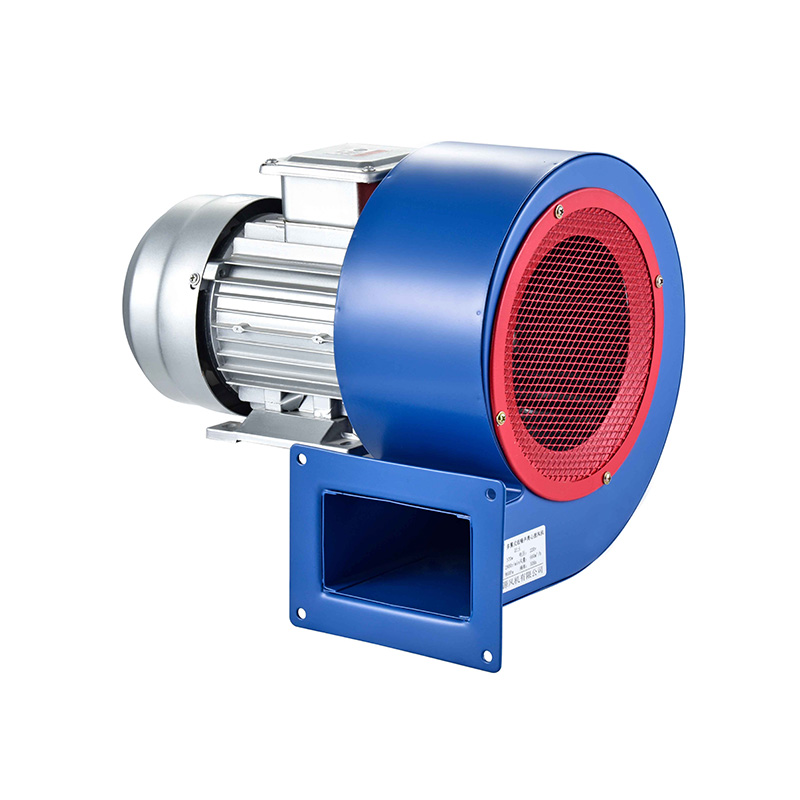
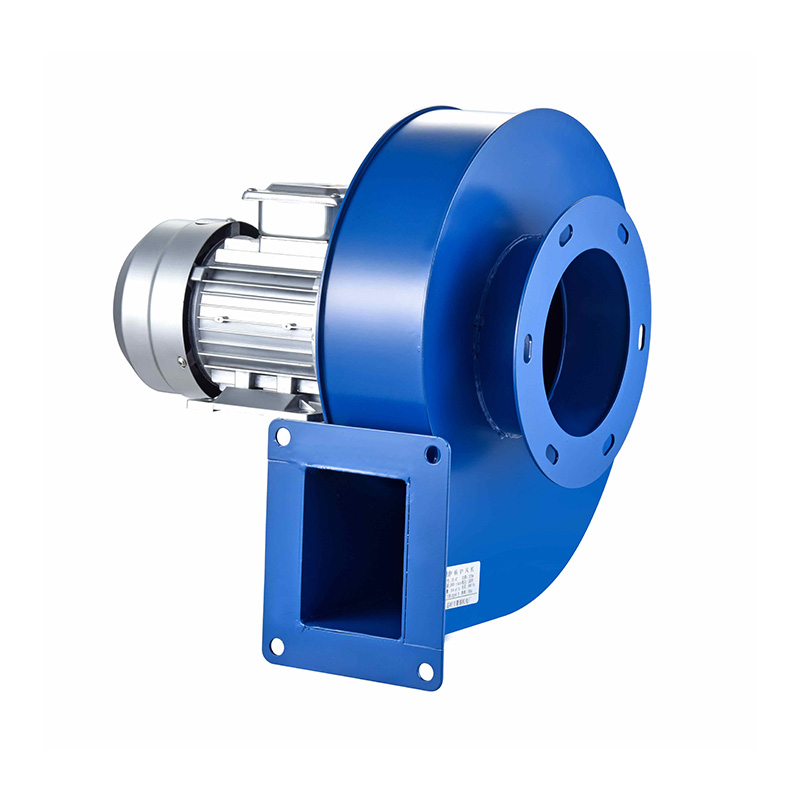
A Multi-Wing Centrifugal Fan is often used in these kinds of environments because it fits into enclosed systems where air needs to keep moving through resistance. Instead of acting in open space, it works inside structured paths, where flow consistency becomes more noticeable than raw output.
In real installations, air rarely travels freely. It usually passes through equipment housings and duct networks that gradually reshape how it moves. That is where this type of fan is often brought in.
Typical use situations include:
In these conditions, the focus shifts away from simple delivery toward how smoothly air continues after it leaves the fan. The Multi-Wing Centrifugal Fan is often chosen because it can keep airflow from feeling too uneven when resistance inside the system changes.
Inside the fan, air is not pushed straight out. It moves through a series of narrow passages formed by closely arranged blades, and each small change in direction affects how the flow develops.
Several design details quietly shape this process:
| Structural element | What happens to airflow |
|---|---|
| Blade spacing | Changes how air is divided and guided |
| Blade shape | Influences direction shifts inside the wheel |
| Outlet direction | Affects how air enters the next section |
| Internal path form | Shapes how pressure builds gradually |
Once the fan is placed into a working system, conditions rarely stay fixed. Filters start to collect dust, ducts may include more resistance than expected, and usage patterns can shift over time.
In everyday operation, this leads to changes such as:
A Multi-Wing Centrifugal Fan is usually judged by how it reacts across different situations, not just one operating point. What matters more is whether the airflow response feels predictable when the system environment is not constant.
When a fan is connected to ductwork, the interface between the two becomes one of the more sensitive parts of the entire setup. Air leaving the fan does not instantly adapt to new constraints, so any abrupt change in direction or section size can disturb the flow right at the beginning of the duct path.
In practical layouts, alignment between the fan outlet and the duct entry plays a noticeable role. When these two are positioned in a way that airflow can move forward without sudden offset, the transition tends to feel smoother. At the same time, changes in duct size immediately after the fan can create uneven flow patterns, especially if the adjustment is too sudden. This is why gradual transitions are often preferred in real installations.
Sharp directional turns placed too close to the outlet can also interfere with how the air stabilizes after leaving the impeller. Allowing a short straight section before major direction changes gives the airflow a brief space to organize itself, which helps reduce early disruption in the system.
In most field situations, duct layout is treated as part of the airflow behavior rather than a separate structure. Straight sections tend to help maintain direction, gradual transitions reduce internal disturbance, and a more balanced layout can reduce uneven resistance across the system. When these aspects are considered together, airflow leaving a Multi-Wing Centrifugal Fan generally enters the duct network in a more settled state, rather than being forced into immediate adjustment.
Noise is often one of the first things people notice when a system starts running. In many cases, the sound does not come from one single source. It is usually a mix of airflow movement, internal friction, housing shape, and the way the unit sits inside the equipment.
What makes the sound feel louder is often the way air passes through the system. If the flow changes too quickly, or if nearby parts create uneven resistance, the sound can become sharper and less comfortable. Even small layout details may change the way the noise is heard in the room.
| Common source | What it can affect | What usually helps |
|---|---|---|
| Airflow disturbance | Harsh or uneven sound | Smoother air path |
| Loose installation | Extra vibration noise | Firmer mounting |
| Nearby bends or tight spaces | More flow disturbance | Gentler duct layout |
| Dirty surfaces | More irregular sound | Regular cleaning |
In actual use, a quieter setup usually comes from balance rather than one single adjustment. When the airflow path is smoother, the structure is stable, and the internal surfaces stay clean, the sound often feels more even and less distracting.
These fans are often seen in places where air needs to move through a closed system instead of an open space. That may include equipment with ducts, enclosed ventilation units, or systems that have to keep air moving through filters and other internal parts.
Their behavior can change depending on the surroundings. In cleaner indoor settings, operation usually feels more stable. In spaces with dust, moisture, or changing temperatures, the system may need more attention because the airflow path can shift over time.
A few common use conditions include:
What stands out in these settings is not only the movement of air, but also how the fan reacts when the surroundings are less predictable. A well-matched setup tends to feel steady, while a poorly matched one may seem uneven or noisy sooner than expected.
Energy use often depends on how hard the system has to work to keep air moving. If the unit is forced to push against unnecessary resistance, it will usually need more effort than it should. That is why small layout choices can matter a great deal.
One practical point is to avoid making air travel more complicated than needed. Long indirect paths, sharp turns, and poorly aligned sections can all make the system work harder. Another point is to keep the unit operating in a range that matches the actual need of the space, rather than leaving it overextended.
Useful habits include:
When a Multi-Wing Centrifugal Fan is placed in a system that allows air to move without unnecessary drag, energy use often feels more controlled and less wasteful. The result is not about pushing harder, but about letting the system move air in a cleaner way.
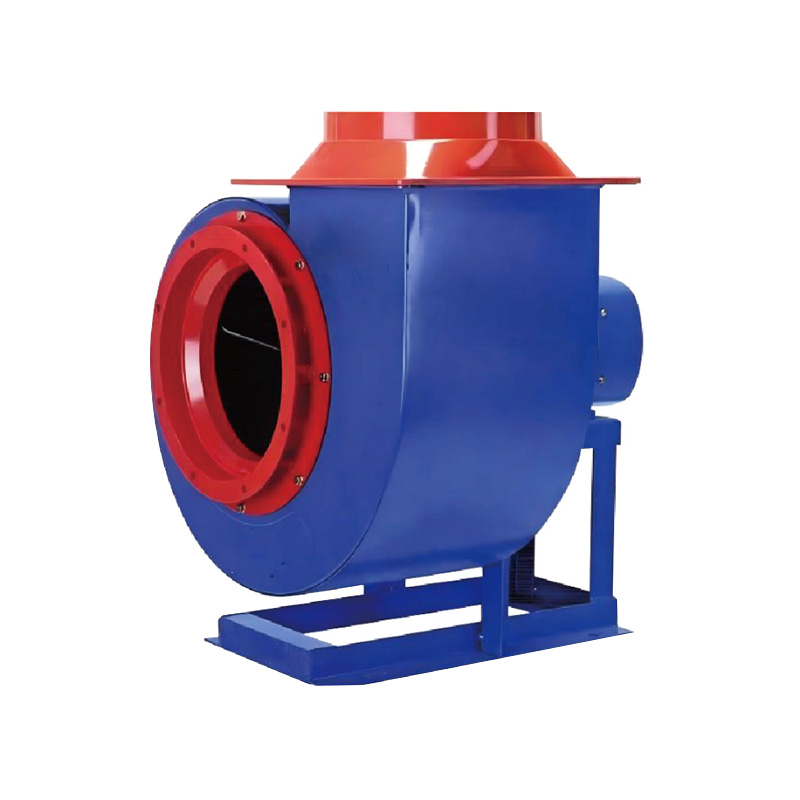
Maintenance is often treated as something minor in day to day operation, but in real systems it quietly shapes how stable the equipment feels over time. As dust gradually accumulates, small parts loosen, and surfaces become less clean, the way air moves through the system can start to change. These changes are not always immediate, but they tend to show up in airflow smoothness and sound behavior.
A simple routine check from time to time can help keep these small shifts from building up. Cleaning internal and external surfaces, checking whether the unit is still firmly fixed in place, and paying attention to how the sound evolves during operation are all practical ways to understand whether the system is still running in a normal condition.
In practice, there are a few signals that often suggest the system is starting to move away from its usual behavior. Sometimes the sound becomes slightly different from what was familiar before. In other cases, airflow may feel less steady than expected, even if the system is still running. Dust accumulation around the housing can also indicate that cleaning is needed, and minor vibration or movement during operation can point to changes in balance or fixation.
For a Multi-Wing Centrifugal Fan, maintenance is less about reacting to breakdowns and more about preserving a consistent operating feel. When the unit stays clean, properly secured, and free from unnecessary wear, the overall system is more likely to maintain a stable and predictable airflow behavior over a longer period of use.

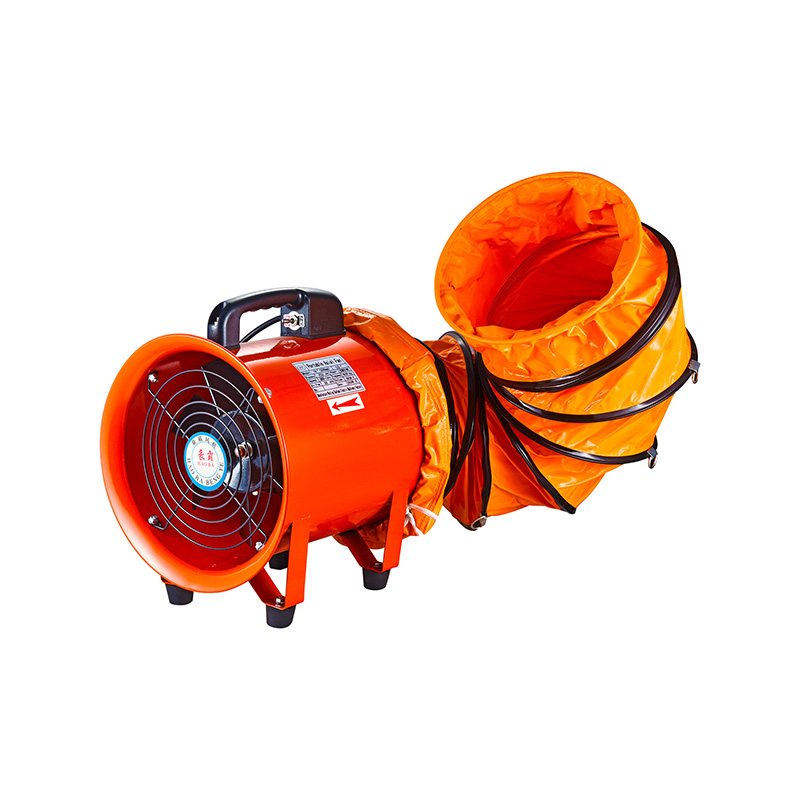
Model: SF
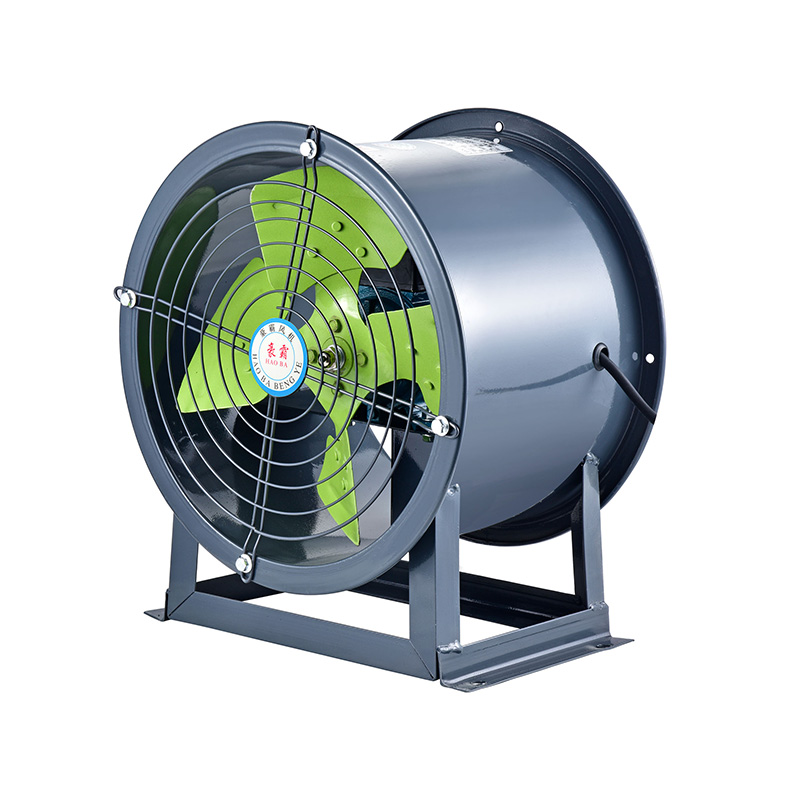
Model: SWF-I. II. III
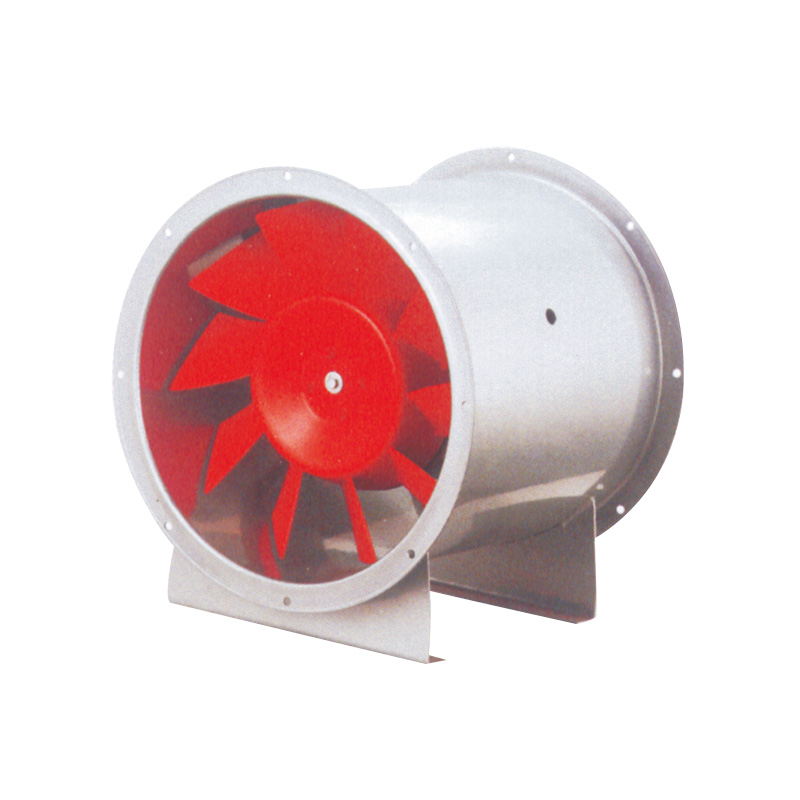
Model: YG5-47
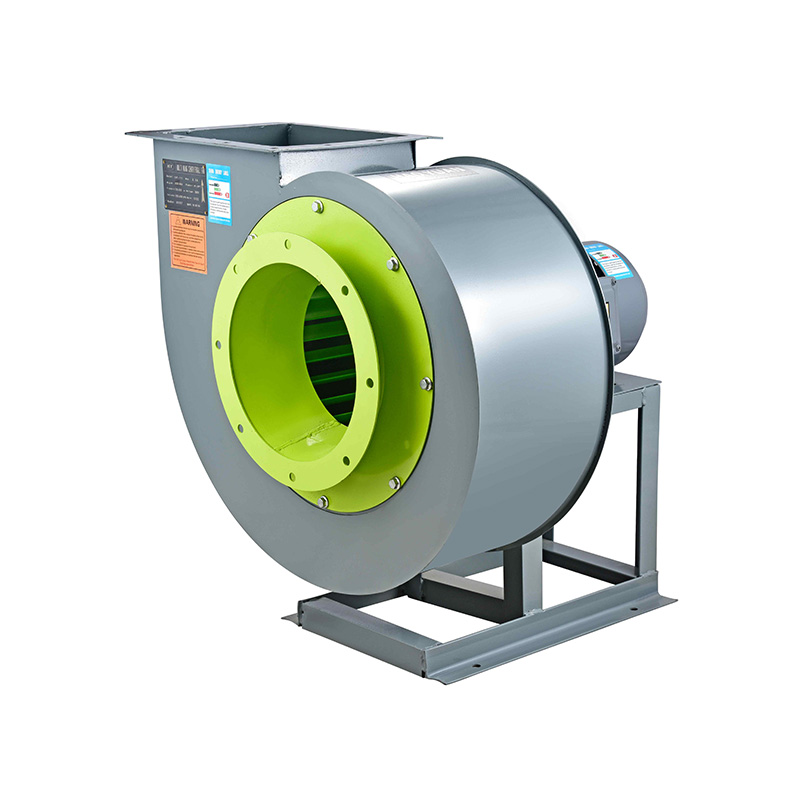
Model: WT35-11/FWT35-11

No. 12, Caoao Industrial Zone B, Daxi Town, Wenling City, Taizhou City, Zhejiang Province, China.
Email: [email protected]
Tel: +86-0576-8631 3688
Phone: +86-189-6859-2966
FAX: +86-0576-8631-3688
Copyright © Taizhou Haoba Electromechanical Co., Ltd. All Rights Reserved.

Industrial Centrifugal Fan Manufacturer