
 English
 русский
 عربى
عربى
 Inquiry

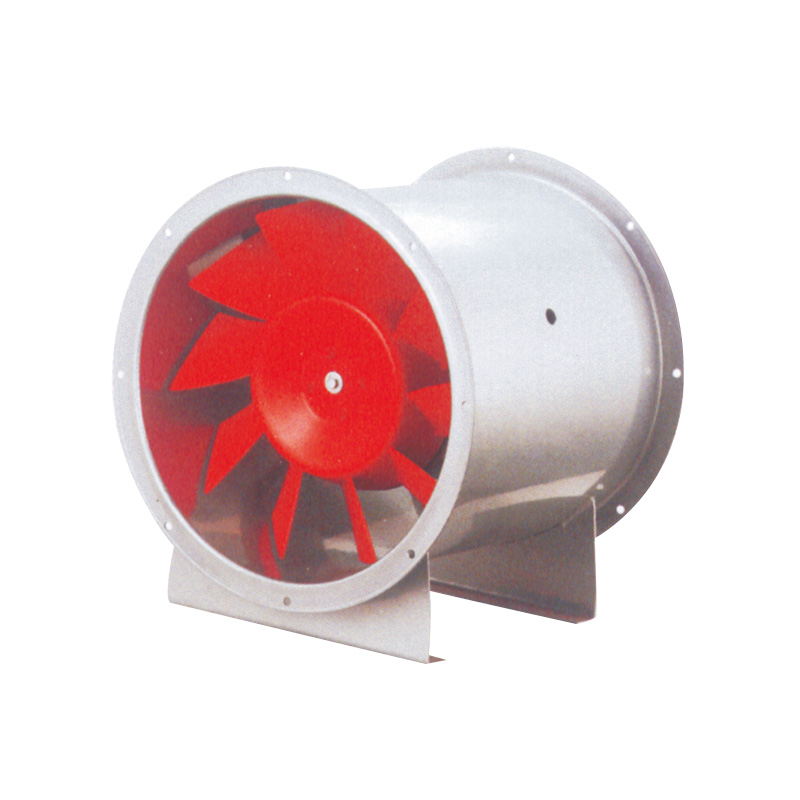








Fan blades do not look complicated at first glance. But if you change the blade angle, width, number, or diameter, the w...
Read More
Product
contact
Mixed Flow Fan
A mixed flow fan combines the pressure performance of a centrifugal fan with the efficient airflow of an axial fan, making it a practical choice for modern ventilation systems. It is widely used in commercial buildings, industrial facilities, tunnels, and HVAC projects where stable air movement and space-saving installation both matter. Compared with conventional fan types, a mixed flow inline fan can deliver balanced performance in ducted applications that require both airflow volume and moderate static pressure. For buyers looking for reliable ventilation equipment, this category offers an efficient solution for air supply, exhaust, and general air circulation across a wide range of operating environments.

ABOUT US
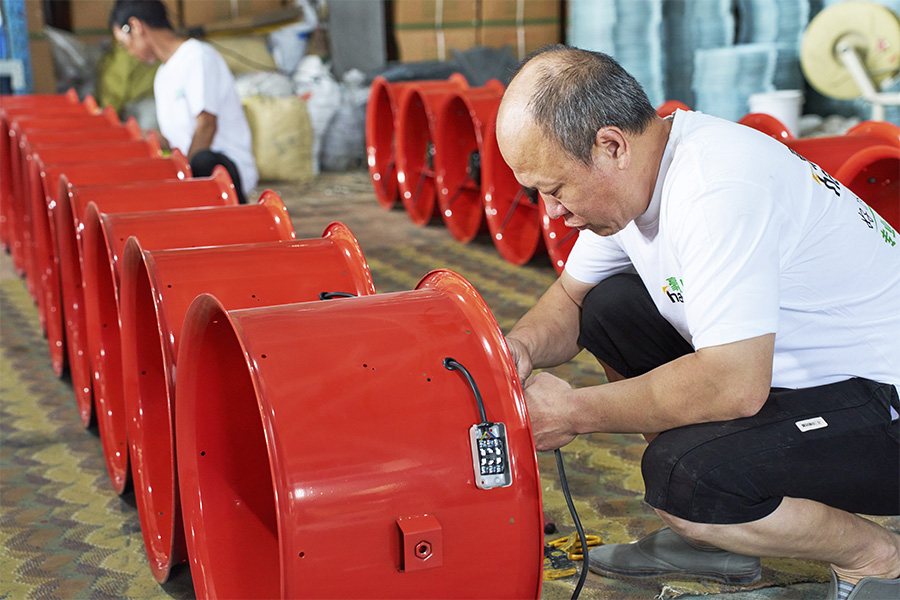
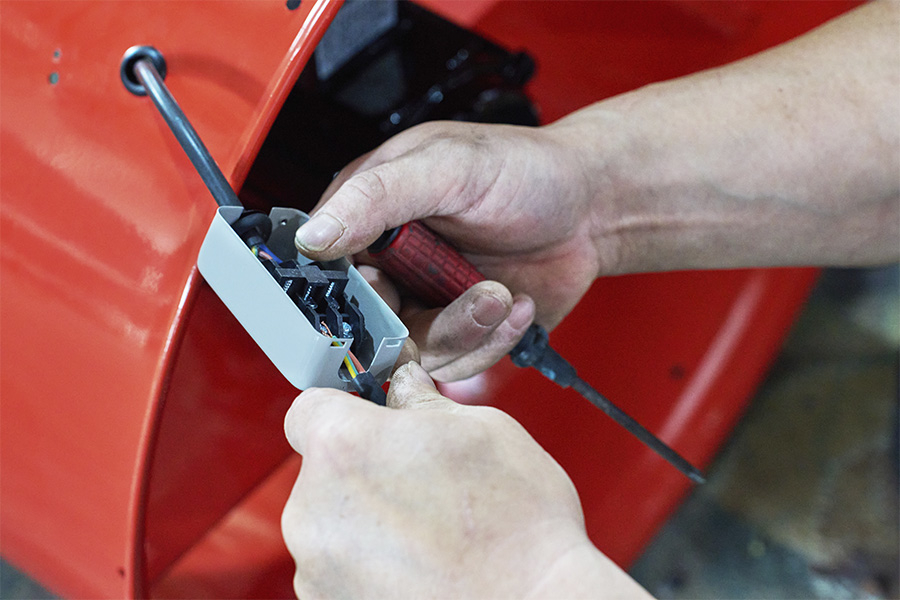
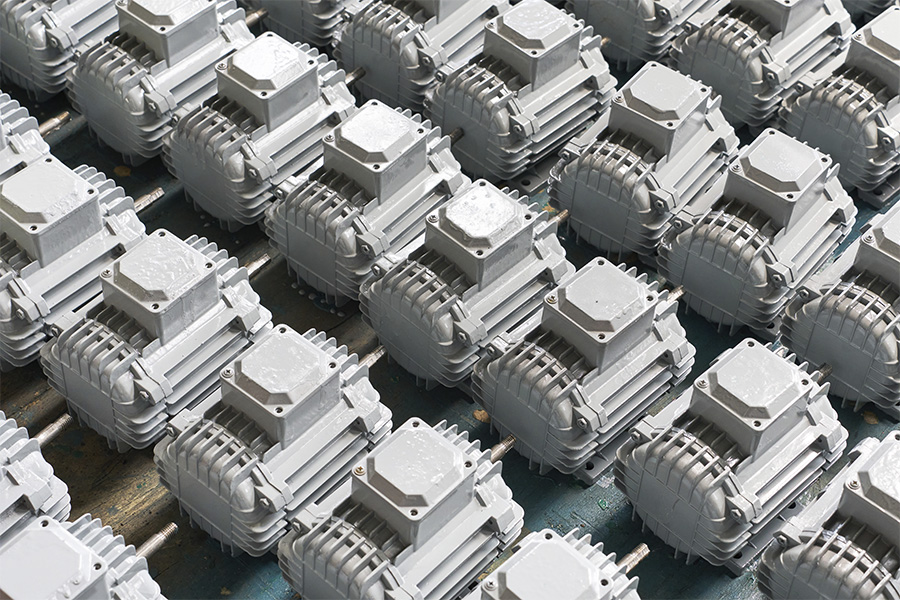
Taizhou Haoba Electromechanical Co., Ltd. is a professional manufacturer specializing in various types of high-pressure centrifugal fans, medium-pressure fans, axial flow ventilators, centrifugal ventilators, exhaust fans, and multi-blade low-noise centrifugal fans. The company boasts strong technical capabilities, supported by a team of highly qualified technical personnel, modern production equipment, and streamlined assembly line workshops.
Factory
News
-
Oct 02, 2026_HaoBa
-
Sep 25, 2026_HaoBaAir movement can look genuinely simple when viewed from the outside looking in. A fan moves air into a duct, the duc...Read More
-
Sep 18, 2026_HaoBaIndustrial ventilation is genuinely rarely limited to one simple airflow task handled by a single unit. A factory ma...Read More
-
Sep 11, 2026_HaoBaIndustrial ventilation is becoming a more complex design task than it was even a decade ago. Factories are changing ...Read More
Mixed Flow Fan: A Practical Ventilation Solution for Modern Air Systems
In many ventilation projects, engineers need a fan that can move air efficiently without sacrificing pressure performance. That is where a mixed flow fan stands out. By combining airflow characteristics from both axial and centrifugal designs, it offers a balanced solution for systems that demand compact structure, reliable air delivery, and steady operation. In commercial and industrial settings, this makes it a popular option for inline duct ventilation, air transfer, exhaust, and fresh air supply.
What Is a Mixed Flow Fan?
A mixed flow fan is designed so that air moves through the unit in both axial and radial directions. This airflow pattern allows the fan to generate stronger pressure than a standard axial fan while maintaining better airflow efficiency than many centrifugal models in certain applications.
Because of this design, mixed flow fans are often selected for projects where:
- Space is limited
- Duct resistance is moderate
- Stable airflow is required
- Noise control is an important consideration
- Energy-efficient ventilation is preferred
This combination makes the fan especially useful in ducted systems where performance and installation flexibility need to work together.
Key Advantages of a Mixed Flow Fan
Choosing the right ventilation equipment often depends on how airflow and pressure need to be balanced. A mixed flow inline fan offers several practical benefits in this area.
Balanced airflow and pressure
One of the main advantages of a mixed flow fan is its ability to provide both good airflow volume and useful static pressure. This makes it suitable for duct systems that are longer or more complex than those typically handled by basic axial fans.
Compact design
Many mixed flow fans are built with a cylindrical housing, which helps simplify installation in ducts, ceilings, plant rooms, and other confined spaces. For contractors and system designers, this can make layout planning easier.
Versatile application range
These fans are commonly used in:
- HVAC systems
- Commercial ventilation
- Industrial workshops
- Warehouses
- Parking areas
- Tunnels
- Mechanical rooms
- Air supply and exhaust systems
- Efficient operation
A well-designed mixed flow fan can support efficient air movement while helping reduce unnecessary energy use. In systems that operate for long hours, this can contribute to improved operating efficiency over time.
Common Applications in Industrial and Commercial Settings
Mixed flow fans are widely selected for ventilation projects because they combine efficient airflow with practical installation advantages. Their versatility allows them to perform well across a range of commercial, industrial, and enclosed-space applications.
Building ventilation
In commercial buildings, mixed flow fans are commonly installed to supply fresh air, extract exhaust air, and support air transfer through ducted systems connected to multiple interior zones.
Industrial airflow management
Manufacturing facilities, workshops, and processing areas often use mixed flow fans to maintain circulation, improve indoor air conditions, and assist with heat management in enclosed working environments.
Tunnel and confined ventilation
For tunnels, service corridors, and other confined spaces, mixed flow fans are often chosen when air needs to be moved consistently through ductwork or controlled ventilation routes.
Equipment room ventilation
Equipment rooms and technical areas require reliable airflow to reduce heat buildup around operating systems. In these settings, mixed flow fans provide a compact and effective ventilation solution.
Mixed Flow Fan vs Axial Fan
When selecting a ventilation fan, buyers often compare mixed flow and axial designs. Both have clear uses, but they are not interchangeable in every project.
|
Fan Type |
Airflow Direction |
Pressure Capability |
Typical Use |
|
Axial Fan |
Mostly straight through |
Lower |
Open-area ventilation, wall mounting, short air paths |
|
Mixed Flow Fan |
Combined axial and radial |
Moderate |
Duct systems, inline ventilation, balanced airflow and pressure |
In simple terms, an axial fan is often better for moving large volumes of air in low-resistance environments, while a mixed flow fan is usually a better fit when the system includes ductwork and requires more pressure support.
What to Consider When Choosing a Mixed Flow Fan
Selecting the right model is not only about fan size. Performance should match the actual conditions of the project.
Airflow requirement
Check how much air the system needs to move. This is usually measured in CFM or cubic meters per hour.
Static pressure
If the duct system includes bends, filters, grilles, or long runs, pressure loss becomes important. The fan should be able to maintain airflow under those conditions.
Installation environment
Consider whether the fan will be used indoors, in a humid area, in an industrial site, or in a space with temperature variation. Housing material and motor protection level may matter.
Noise expectations
For commercial buildings and occupied spaces, lower noise can be a key factor. The fan design, speed, and installation method all influence sound performance.
Maintenance access
A fan that is easier to inspect and maintain can help reduce service time and improve long-term reliability.
At HAOBA, we manufacture mixed flow fans for customers who need a practical balance between airflow performance, pressure capability, and installation flexibility. Compared with a basic axial fan, a mixed flow fan can meet more demanding ventilation needs, while remaining more compact than many centrifugal alternatives. That balance makes it a dependable choice for a wide range of HVAC, commercial, and industrial applications.
In real-world use, the benefit is clear. The right mixed flow fan can help a ventilation system operate more effectively, improve overall airflow performance, and deliver reliable results across different working environments. That is exactly why mixed flow fans continue to be an important part of the solutions we provide.
get in Touch

No. 12, Caoao Industrial Zone B, Daxi Town, Wenling City, Taizhou City, Zhejiang Province, China.
Product Center
contact details
-
Email: [email protected]
-
Tel: +86-0576-8631 3688
-
Phone: +86-189-6859-2966
-
FAX: +86-0576-8631-3688
Mobile
Copyright © Taizhou Haoba Electromechanical Co., Ltd. All Rights Reserved.

OEM and Custom Mixed Flow Fan