English
 русский
 عربى
عربى
 Inquiry

Industry News
Home / News / Industry News / Can an Axial Flow Fan Manufacturer Customize Blade Design for Space-Constrained Equipment?
2026-10-16
As equipment gets smaller, space for cooling shrinks too. Circuit boards, wiring, filters, and heat sinks can leave little room for a fan. A standard model may fit the opening but still fail to cool the assembled product.
A custom design may help. An Axial Flow Fan Manufacturer can assess the available space and adapt the blades to the cooling target. The aim is to move enough air without creating excessive noise, power demand, or reliability problems.
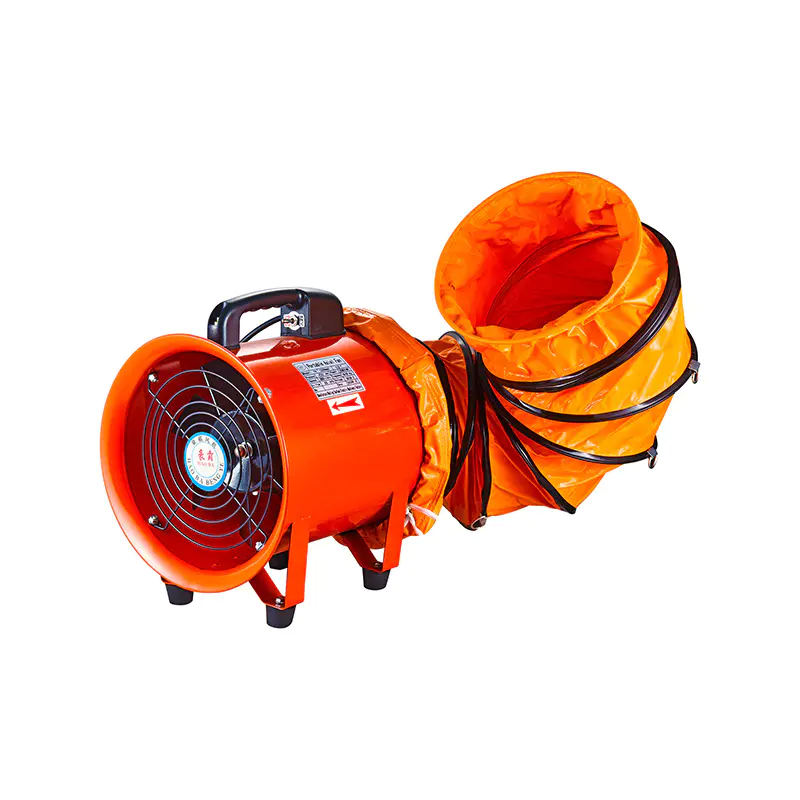
Options depend on the fan, motor, housing, and production method. Common design variables include:
|
Design detail |
What the manufacturer may adjust |
Why it matters |
|---|---|---|
|
Blade diameter |
Reduce or tailor the diameter |
Helps the fan fit the available opening |
|
Blade pitch |
Change the angle of the blades |
Affects airflow, pressure, and motor load |
|
Blade shape |
Refine curvature, width, or cross-section |
Influences airflow, efficiency, and noise |
|
Number of blades |
Test different blade counts |
Changes aerodynamic performance and sound |
|
Hub and tip clearance |
Adapt within mechanical limits |
Affects usable blade area and fit |
|
Material |
Choose a suitable plastic, metal, or other material |
Influences weight, heat resistance, and durability |
These features interact. A steeper pitch may increase airflow at a given operating point, for example, but it can also increase motor load. The whole fan needs to be assessed as a system.
Not every change is practical for every model: the motor, housing, tooling, and production volume may limit the options. A manufacturer should explain those limits before development proceeds.
Diameter is often the first restriction. When the opening is fixed, a smaller fan may be the only option, though it generally moves less air under comparable conditions. The manufacturer can assess whether a different blade profile, pitch, or speed will meet the airflow target.
There are trade-offs: higher speed may increase noise, vibration, and power use, while a larger pitch may overload the motor. Judge the design by cooling performance in the finished product, not by fit alone.
A fan also has to work against the resistance created by grilles, filters, ducts, heat sinks, and narrow channels. Actual airflow inside the equipment can therefore be much lower than the advertised free-air rating.
The manufacturer needs details of this full air path to match blade pitch and profile to the required pressure. Sometimes moving a nearby component or opening the air path will improve cooling more than changing the blades.
No single design is likely to maximize airflow, minimize noise, and reduce power use at the same time. More airflow may mean more noise or motor load, depending on the system.
Set priorities early. A small electronics enclosure may have a strict noise limit, while an industrial cabinet may put cooling first. Clear priorities make it easier to compare workable designs.
To reduce unnecessary redesign, provide:
A dimensioned drawing or CAD model helps when clearances are tight. Explain where the fan sits and how air moves through the enclosure; a fan tested in open air may perform quite differently once installed.
A drawing confirms the fit, not the cooling performance. Test a prototype before approving the design.
Check fit, mounting points, wiring, and blade clearance first. Then measure airflow and static pressure in conditions close to the real installation. Compare the fan’s performance curve with system resistance, not just its maximum airflow rating.
Measure power, noise, and vibration at the intended operating point, then run the fan in the complete assembly and check component temperatures. Test it at the expected ambient temperature and under a representative workload; a brief test in a cool room may not reveal overheating during long operating cycles.
Poor results may call for changes to the blades, motor, or air path. Endurance and environmental tests may be needed for demanding applications. Agree on test methods and pass criteria before production approval.
Plastic is widely used because it is lightweight and can be molded into complex shapes. It suits many electronics, appliance, and ventilation applications when temperature and mechanical limits allow. Aluminum or another metal may be better for higher temperatures or specific mechanical demands.
Consider speed, heat, corrosion, and expected service life. Ask for relevant specifications and test data; a low-cost material may not be economical if it deforms or loses strength in use.
Suppliers vary in how much engineering support they offer. Ask whether they can assess airflow and pressure, check motor compatibility, provide drawings and performance data, and test prototypes before mass production.
Discuss tooling costs, minimum order quantities, sample lead times, production tolerances, and repeat-order quality checks, especially if your product has a fixed launch date.
An Axial Flow Fan Manufacturer can often customize blades for space-constrained equipment, but the right design depends on dimensions, cooling demand, airflow resistance, motor capacity, noise, and power limits.
Provide accurate dimensions and operating requirements, then test the proposed fan in the complete equipment. This is the best way to check both fit and dependable cooling.

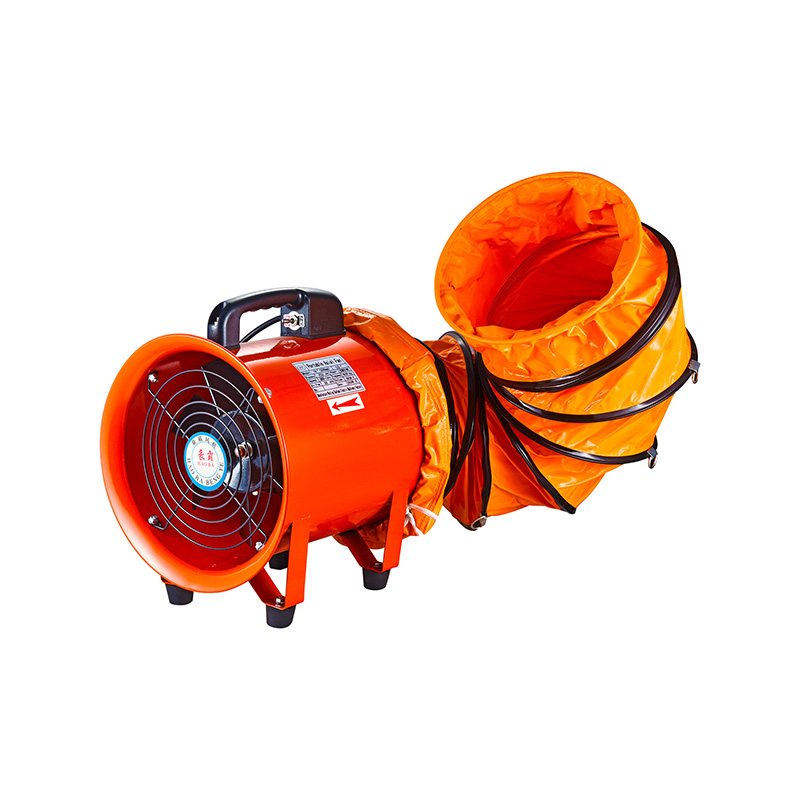
Model: SF
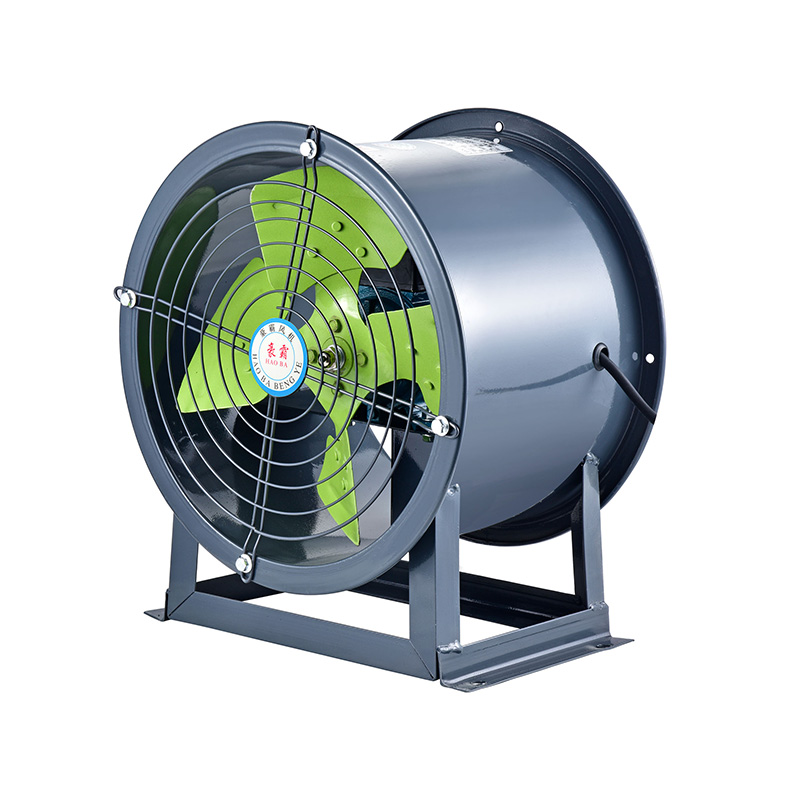
Model: SWF-I. II. III
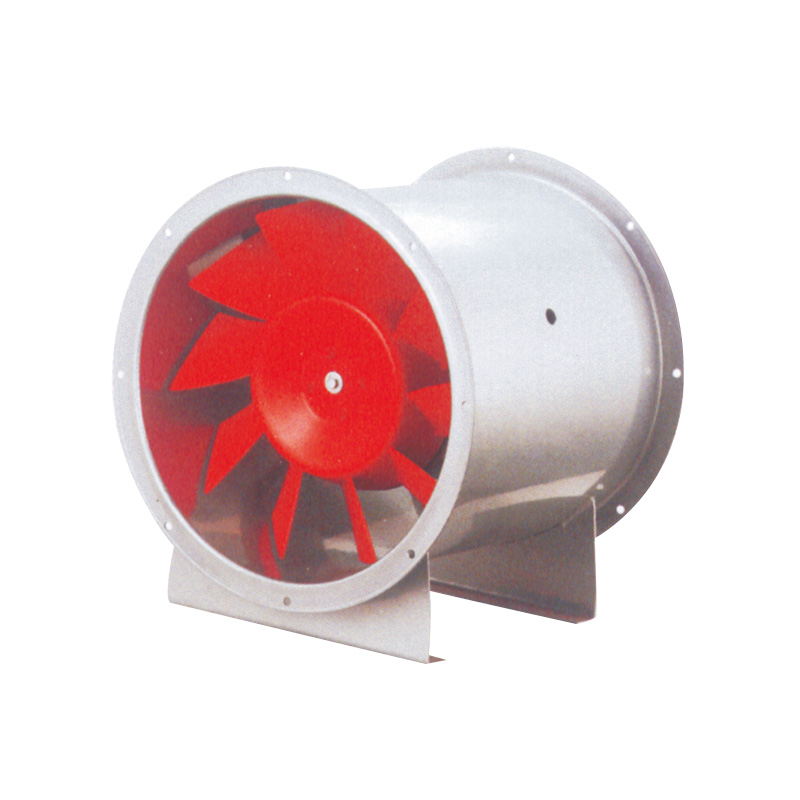
Model: YG5-47
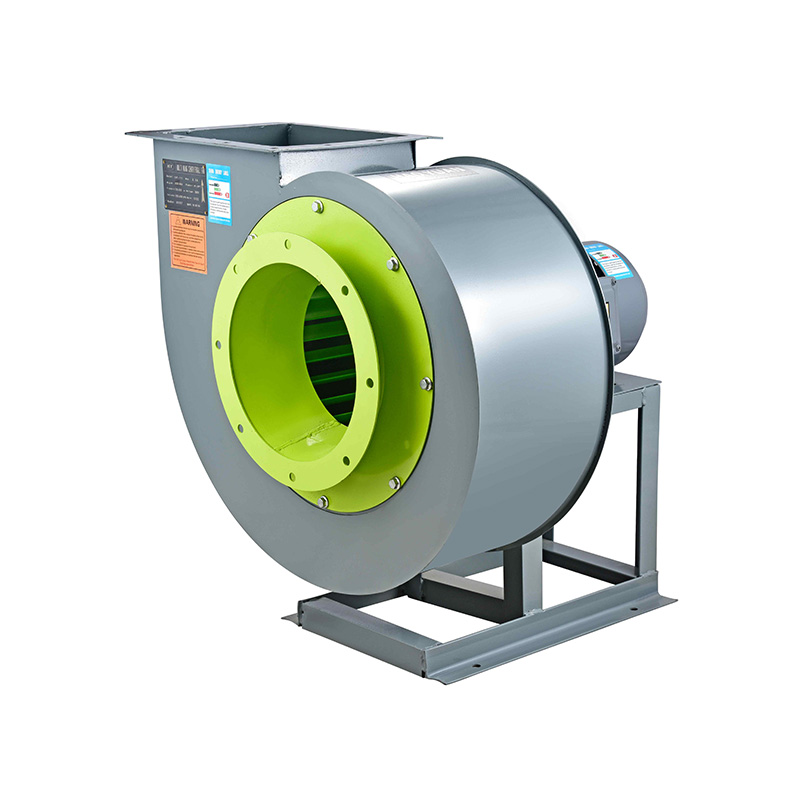
Model: WT35-11/FWT35-11

No. 12, Caoao Industrial Zone B, Daxi Town, Wenling City, Taizhou City, Zhejiang Province, China.
Email: [email protected]
Tel: +86-0576-8631 3688
Phone: +86-189-6859-2966
FAX: +86-0576-8631-3688
Copyright © Taizhou Haoba Electromechanical Co., Ltd. All Rights Reserved.

Industrial Centrifugal Fan Manufacturer