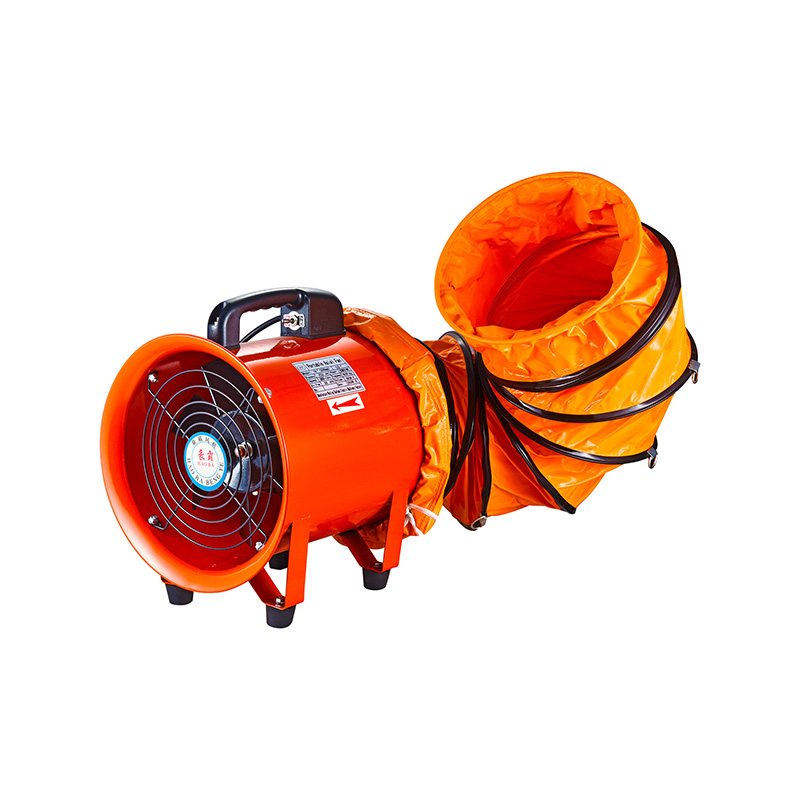
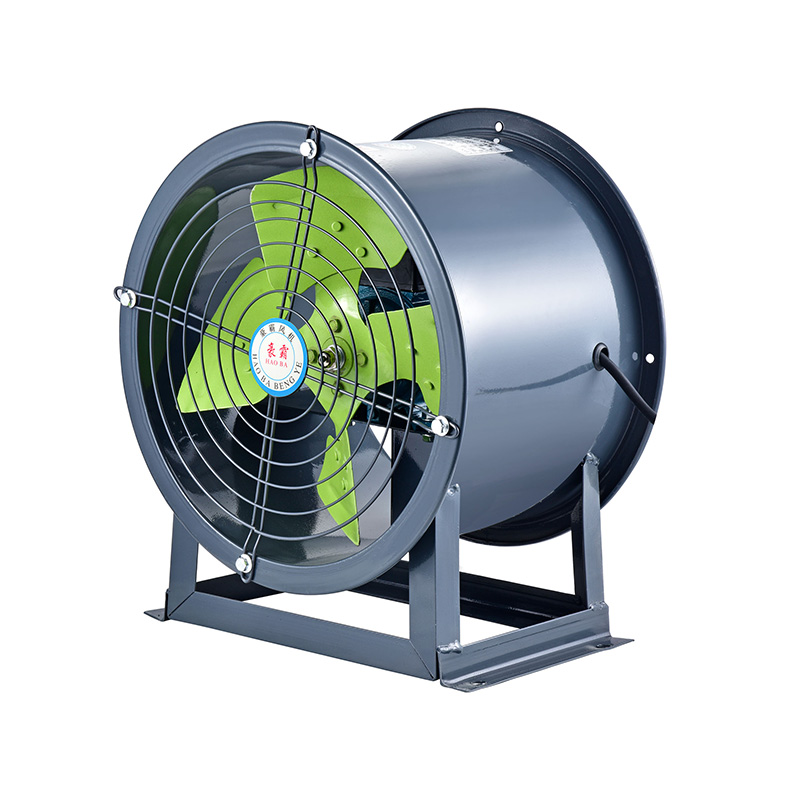
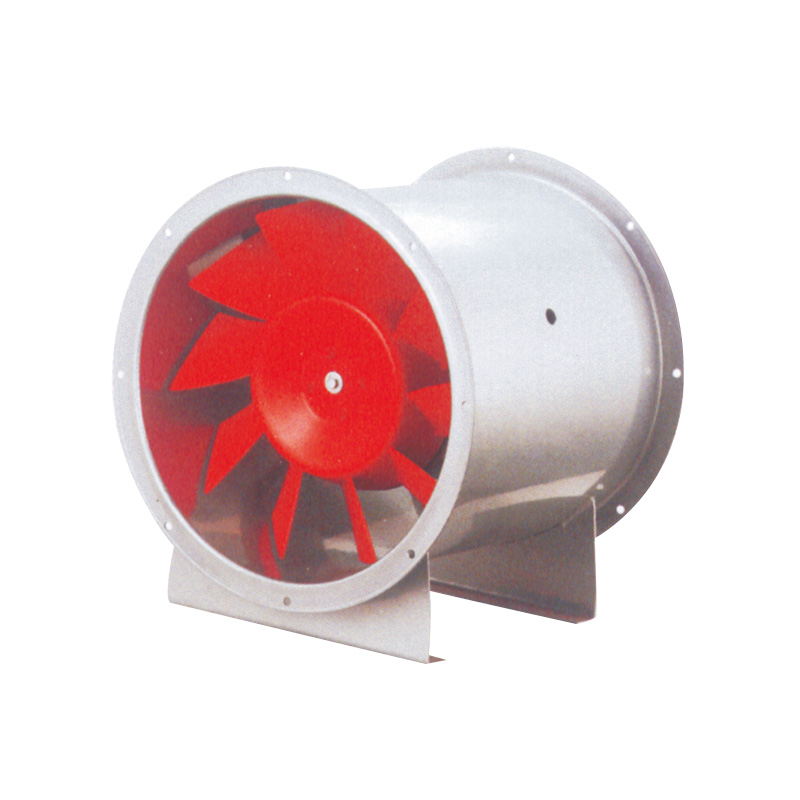
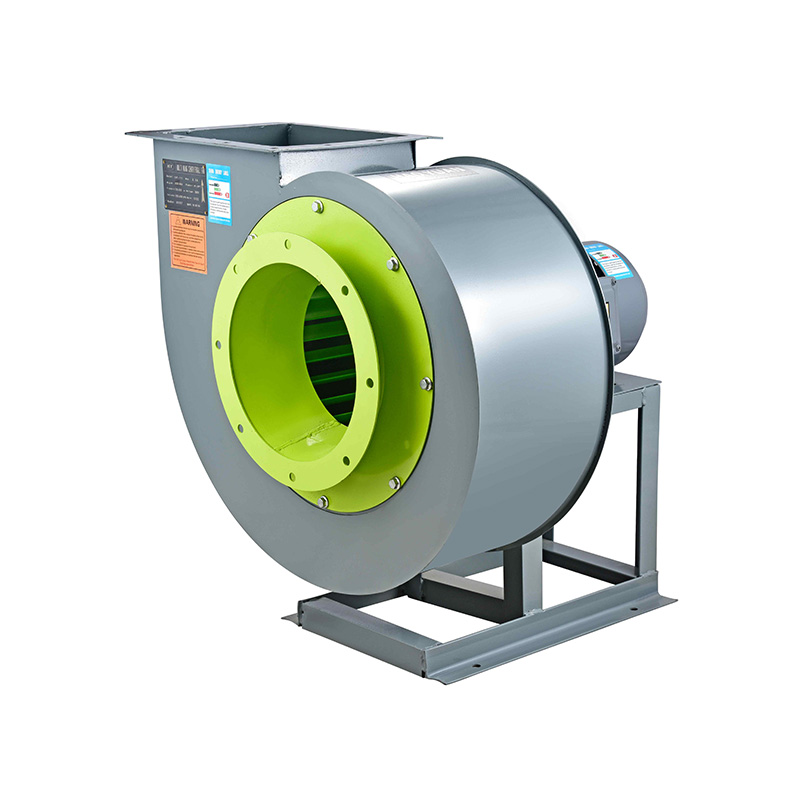
Harsh industrial environments are common in sectors such as mining, chemical processing, power plants, and large manufacturing facilities. Ventilation equipment used in these locations must operate reliably despite dust, temperature fluctuations, moisture, or corrosive gases. An Industrial Axial Flow Fan is frequently selected for these applications because it can deliver large airflow volumes with a relatively simple mechanical structure. Engineers often consult an experienced Axial Flow Fan Manufacturer to ensure the fan configuration matches the environmental challenges of the installation site.
Industrial ventilation systems must maintain continuous airflow even under demanding conditions.
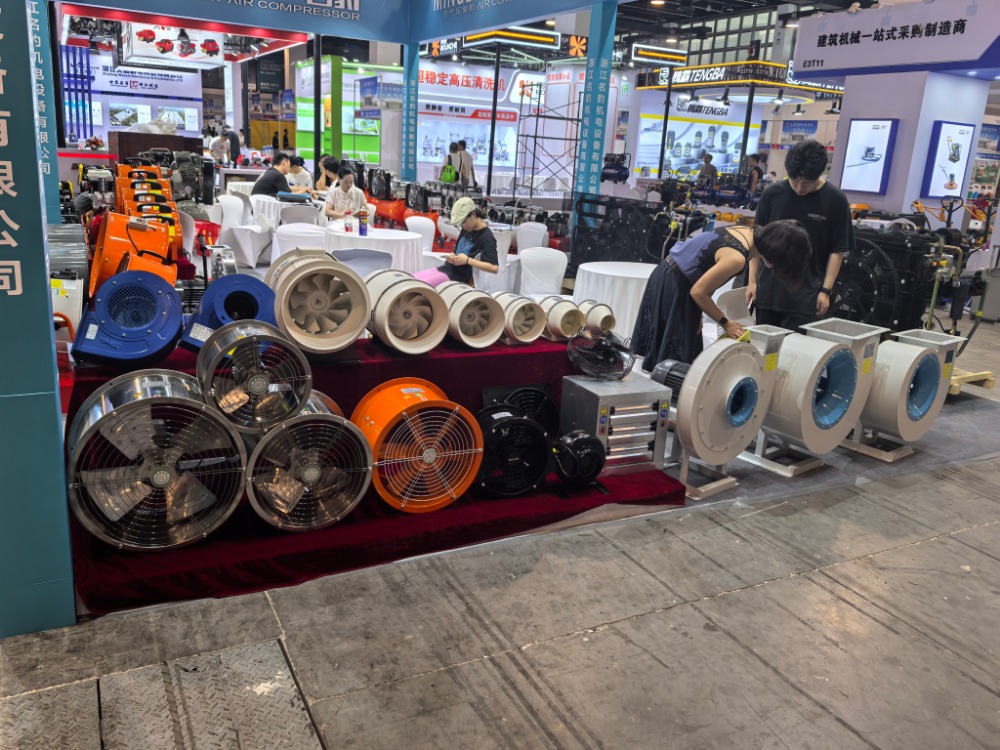
Typical Harsh Environments for Industrial Fans
Industrial ventilation systems may face a variety of environmental challenges depending on the industry and location.
Common harsh environments include:
Chemical plants with corrosive gases
Mining tunnels with dust and humidity
Power stations with elevated temperatures
Marine environments with salt exposure
Grain storage or processing facilities with combustible dust
Axial fans designed for these applications often use specialized materials or protective structures to maintain performance and safety.
High-Temperature Operating Conditions
Heat is one of the more demanding factors affecting industrial ventilation equipment. Facilities such as furnaces, boilers, and industrial ovens require fans that can operate under elevated air temperatures.
High-temperature axial fans are built with:
Heat-resistant bearings
Special lubricants for high-temperature rotation
Reinforced motor insulation
Heat-resistant casing materials
These design features allow fans to maintain reliable airflow in applications such as furnace exhaust systems and power plant ventilation.
Standard industrial fans may operate in ambient temperatures around −20°C to +40°C, depending on design and installation conditions.
Corrosive and Chemical Environments
Chemical processing facilities and wastewater plants often release vapors or gases that can corrode metal components over time. In these environments, standard steel fan housings may deteriorate quickly.
To address this issue, manufacturers may use materials such as:
Fiber-reinforced plastic (FRP)
Stainless steel
Protective anti-corrosion coatings
FRP axial fans, for example, provide resistance against chemical vapors, moisture, and aggressive gases, making them suitable for chemical production lines, laboratories, and wastewater treatment systems.
Proper material selection plays a major role in extending the service life of ventilation equipment in corrosive environments.
Dust and Particulate Conditions
Mining sites, cement plants, and grain storage facilities often generate large amounts of dust. Ventilation systems must continue operating without excessive wear or airflow blockage.
Axial fans designed for dusty environments typically include:
Reinforced fan blades
Protective motor housings
Dust-resistant seals
Easy-clean impeller designs
Some industrial ventilation systems also specify maximum allowable dust concentration levels to maintain safe operation.
Regular cleaning and inspection help maintain airflow efficiency and prevent buildup that could affect fan balance.
Explosive or Hazardous Atmospheres
Certain industrial environments contain flammable gases, vapors, or combustible dust. Ventilation equipment used in these areas must follow strict safety standards.
Special axial fans designed for hazardous environments may include:
Explosion-proof motors
Spark-resistant materials
Static electricity grounding systems
ATEX or similar safety certifications
These features help reduce ignition risks and maintain safe ventilation in facilities such as petrochemical plants, fuel storage areas, and grain processing plants.
Proper installation and certification compliance are critical to ensure safety in these environments.
Structural Durability and Material Strength
Industrial fans used in challenging environments must also maintain mechanical durability during long-term operation.
Key structural considerations include:
Reinforced fan casings
Aluminum or steel impellers
Vibration-resistant mounting structures
Weather-resistant coatings for outdoor installations
Axial fans are widely used in factories, warehouses, and ventilation systems because their design allows stable airflow with relatively simple mechanical construction.
Durable construction reduces maintenance frequency and improves equipment reliability.
Importance of Correct Fan Selection
Operating conditions should always be evaluated before selecting ventilation equipment. Environmental temperature, humidity, gas composition, and dust levels all influence the type of fan required.
An experienced Axial Flow Fan Manufacturer can assist in evaluating these factors and recommending appropriate materials, motor protection levels, and fan configurations.
Taizhou Haoba Electromechanical Co., Ltd. provides industrial ventilation equipment for various airflow applications, including factory ventilation, cooling systems, and exhaust solutions. Selecting a properly designed Industrial Axial Flow Fan helps ensure stable airflow and reliable operation even in demanding industrial environments.


 English
 русский
 عربى
عربى
 Inquiry