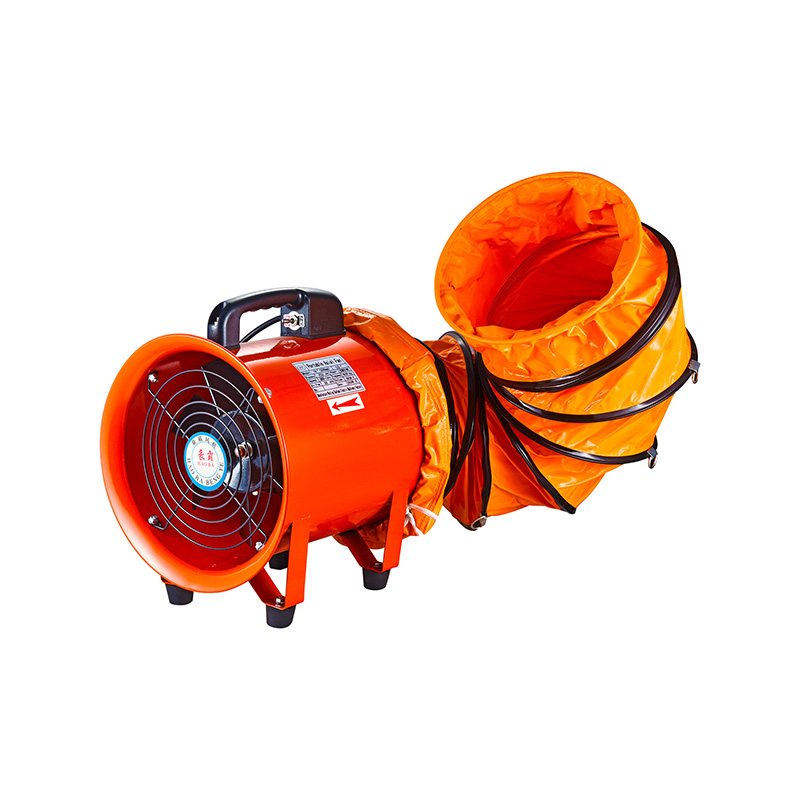
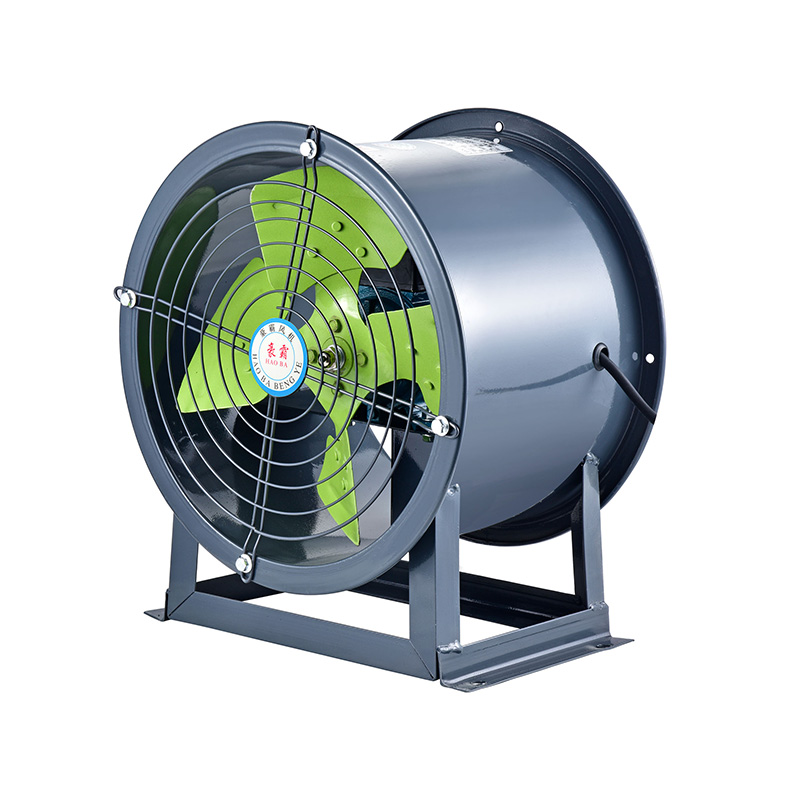
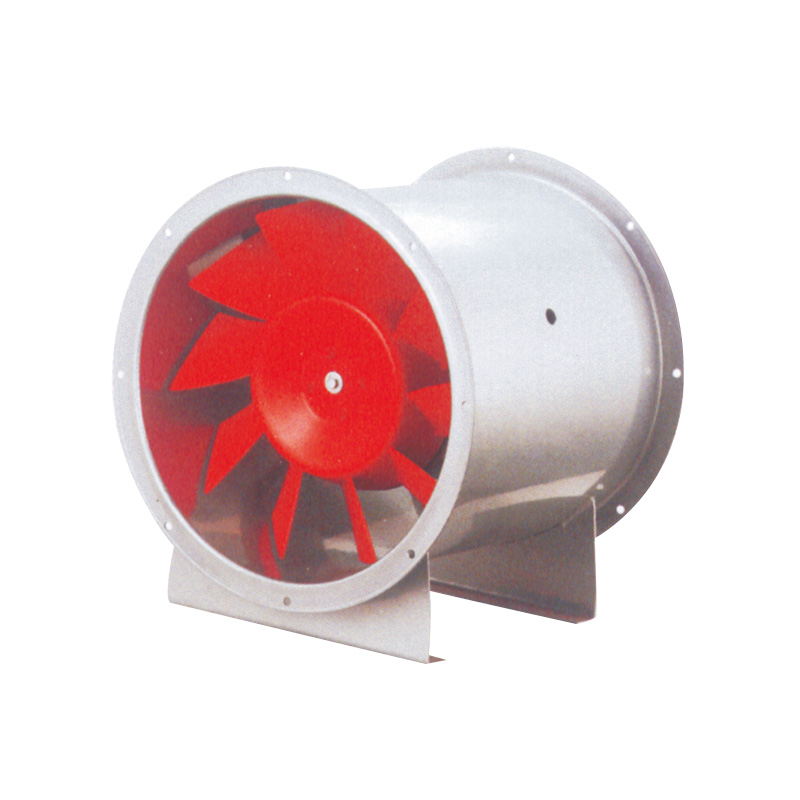
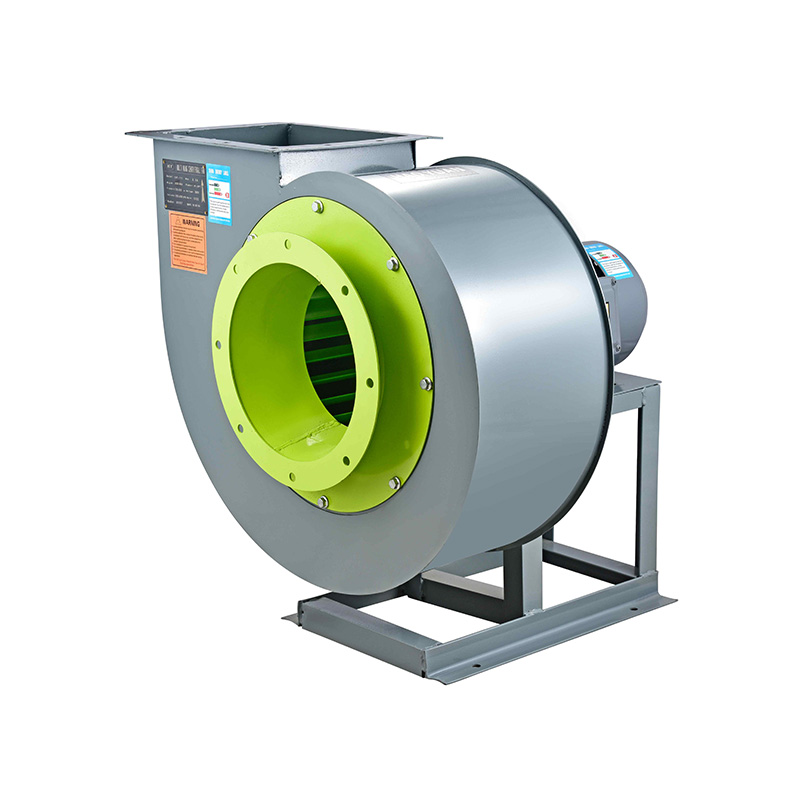
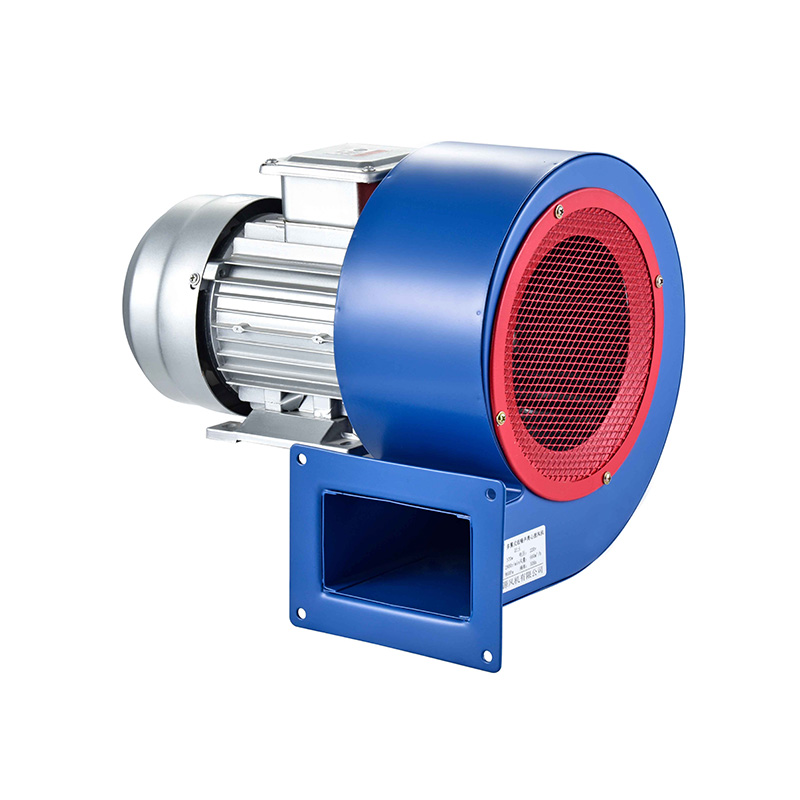
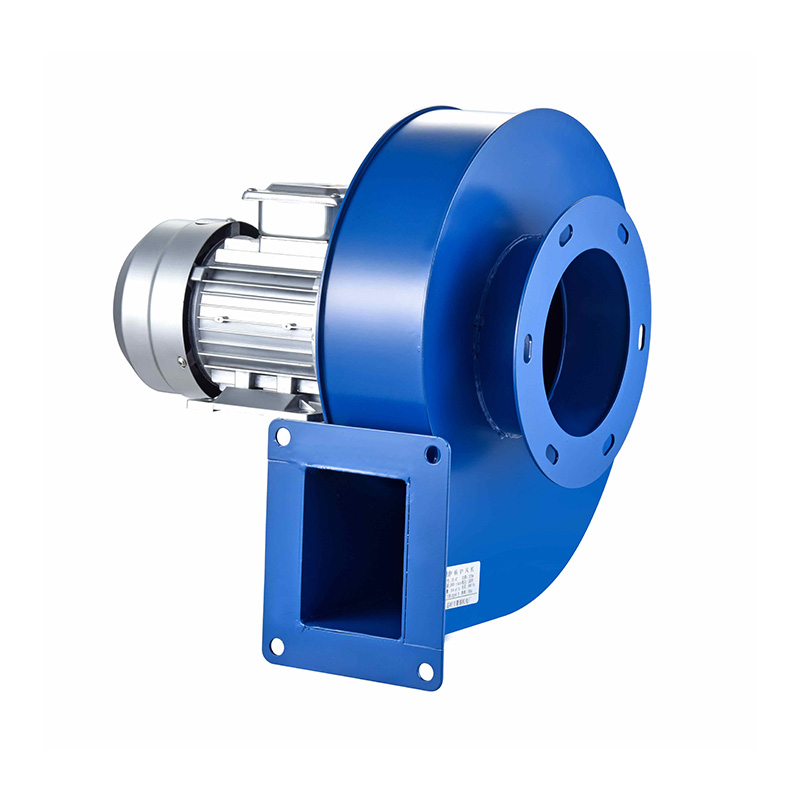
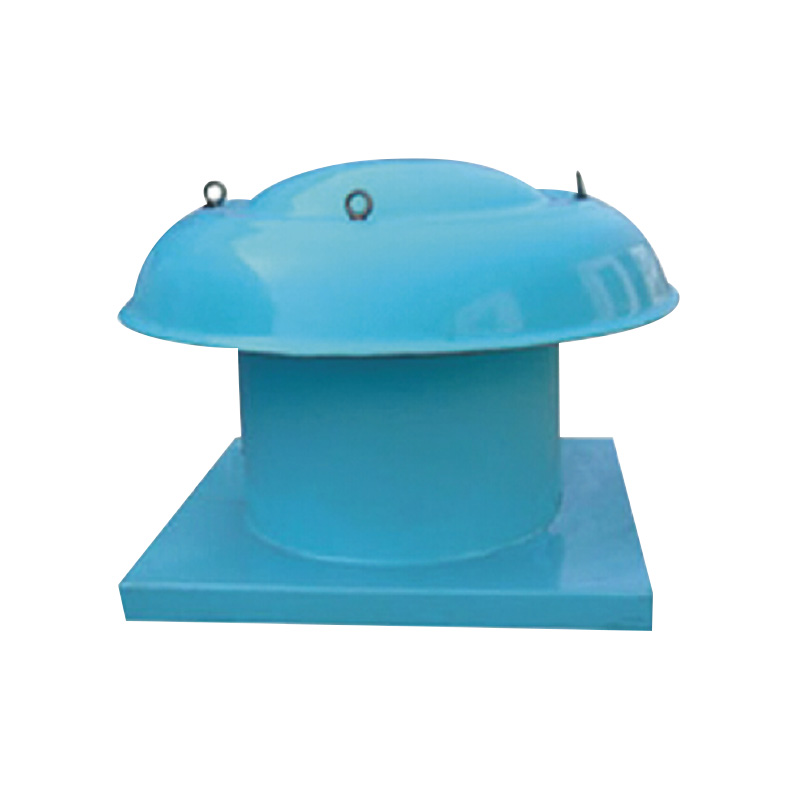
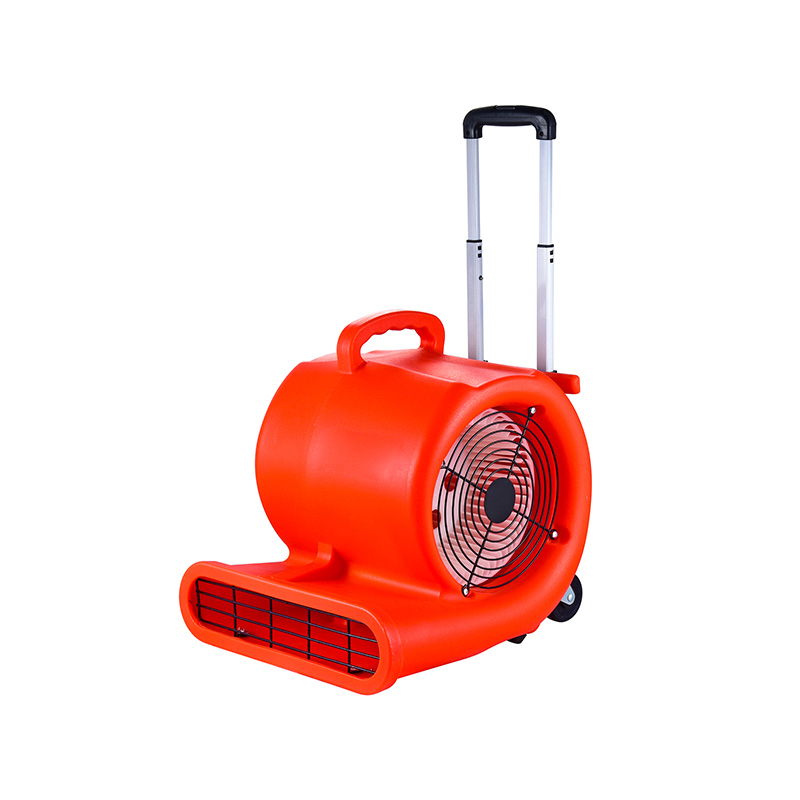
Energy consumption has become an important topic in industrial ventilation systems. Facilities such as factories, warehouses, and processing plants often operate ventilation equipment continuously, which means even small efficiency improvements can cause noticeable energy savings over time. An Industrial Axial Flow Fan is commonly selected for large-volume airflow applications, and discussions with an experienced Axial Flow Fan Manufacturer often focus on how operating conditions influence power usage and system efficiency.
Relationship Between Airflow and Power Usage
The amount of air moved by a fan directly influences the electricity required to run it. Axial fans are designed to move air parallel to the shaft, which allows large airflow volumes with relatively low resistance. This structural design is one reason they are widely used in industrial ventilation systems.
Under low-pressure conditions, axial fans can deliver airflow efficiently and require less energy per unit of airflow compared with some other fan types. Research and industry data indicate that airflow efficiency can reach around 15–20 CFM per watt in free-air conditions, although efficiency decreases when system pressure increases.
Airflow demand therefore becomes one of the main drivers of energy consumption. Systems designed for excessive airflow may consume unnecessary electricity, while undersized fans may struggle to maintain ventilation requirements.
Motor Efficiency and Electrical Components
The motor used in the fan has a major impact on overall energy performance. Modern industrial ventilation systems often incorporate high-efficiency motors and advanced electronic controls.
Key motor-related factors include:
Motor efficiency class (IE2. IE3. IE4)
Direct drive or belt drive systems
Electronic commutated motors or variable speed drives
High-efficiency motors convert more electrical energy into mechanical rotation and reduce heat losses during operation. Studies show that advanced fan systems can convert around 70–85% of electrical energy into useful airflow, while older systems often operate at lower efficiency levels.
Direct-drive designs also reduce friction losses that occur in belt-driven systems, helping lower energy consumption in continuous operation environments.
Fan Blade Design and Aerodynamics
Blade geometry strongly influences airflow resistance and power demand. Aerodynamically optimized blades allow air to pass smoothly through the fan, reducing turbulence and energy loss.
Engineers typically evaluate several design parameters:
Blade curvature and angle
Blade tip clearance
Number of blades on the impeller
Surface smoothness and structural rigidity
Well-designed blades can increase airflow while requiring less rotational power. According to technical research on axial fan design, optimized impellers can improve airflow while reducing energy losses caused by turbulence.
These improvements become especially important in large industrial systems where multiple fans operate simultaneously.
System Resistance in Ductwork
Even a high-quality fan may consume excessive power when installed in a poorly designed ventilation system. Resistance within ducts, filters, and airflow pathways forces the fan to work harder in order to maintain airflow.
Common sources of system resistance include:
Long or narrow ducts
Sharp bends in ventilation channels
Clogged filters or dust buildup
Obstructed inlet or outlet openings
Increased resistance raises the pressure the fan must overcome, which leads to higher electrical consumption. Reducing unnecessary airflow resistance can significantly improve overall system efficiency.
Regular inspection of ducts and filtration systems therefore plays an important role in energy management.
Fan Speed and Operational Control
Fan speed is another factor closely connected to energy consumption. Rotational speed determines how much air the fan moves and how much power the motor draws.
Industrial axial fans often operate between 500 and 1500 RPM for large ventilation applications, balancing airflow output with mechanical durability.
Using variable frequency drives (VFDs) allows operators to adjust fan speed based on actual ventilation demand. When airflow requirements decrease, the system can run at a lower speed, reducing electricity usage while maintaining adequate air circulation.
Case studies in building ventilation have shown that frequency-controlled fan systems can reduce energy consumption significantly by adjusting speed to match real-time demand.
Maintenance and Operational Conditions
Energy efficiency is not determined only by design; operating conditions also matter.
Dust accumulation, worn bearings, and misaligned components can increase friction and airflow resistance. These problems force the motor to work harder, causing increased electricity consumption.
Routine maintenance typically includes:
Cleaning blades and fan housings
Checking bearing lubrication
Inspecting electrical connections
Monitoring vibration and alignment
Preventive maintenance helps keep airflow performance stable and prevents unnecessary energy loss during long-term operation.
Role of Equipment Selection
Working with an experienced Axial Flow Fan Manufacturer can simplify the selection process for industrial projects. Proper sizing and system design are critical steps in reducing long-term operating costs.
Taizhou Haoba Electromechanical Co., Ltd. manufactures ventilation equipment designed for industrial airflow applications, including factory ventilation, equipment cooling, and air circulation systems. Selecting a properly matched Industrial Axial Flow Fan allows facilities to maintain required airflow while keeping energy consumption within reasonable limits.
Improving Efficiency Through System Design
Energy consumption in industrial ventilation systems depends on several interconnected factors: airflow demand, motor efficiency, blade design, system resistance, and operational control strategies.
By evaluating these factors during system planning and installation, engineers can create ventilation systems that deliver reliable airflow while minimizing electricity usage. Continuous monitoring, regular maintenance, and appropriate equipment selection all contribute to maintaining efficient fan operation throughout the system lifecycle.


 English
 русский
 عربى
عربى
 Inquiry