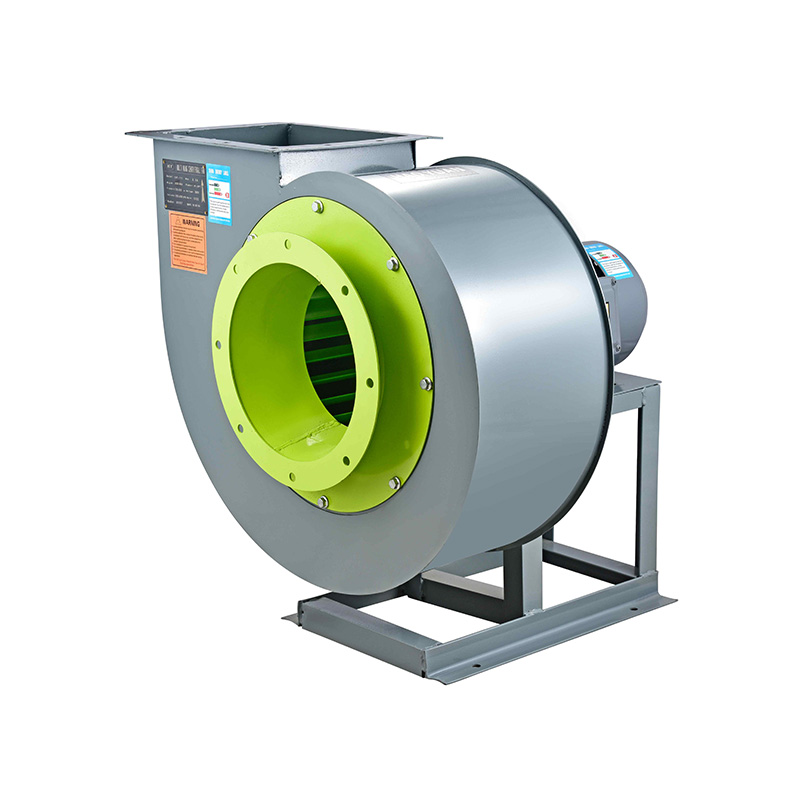
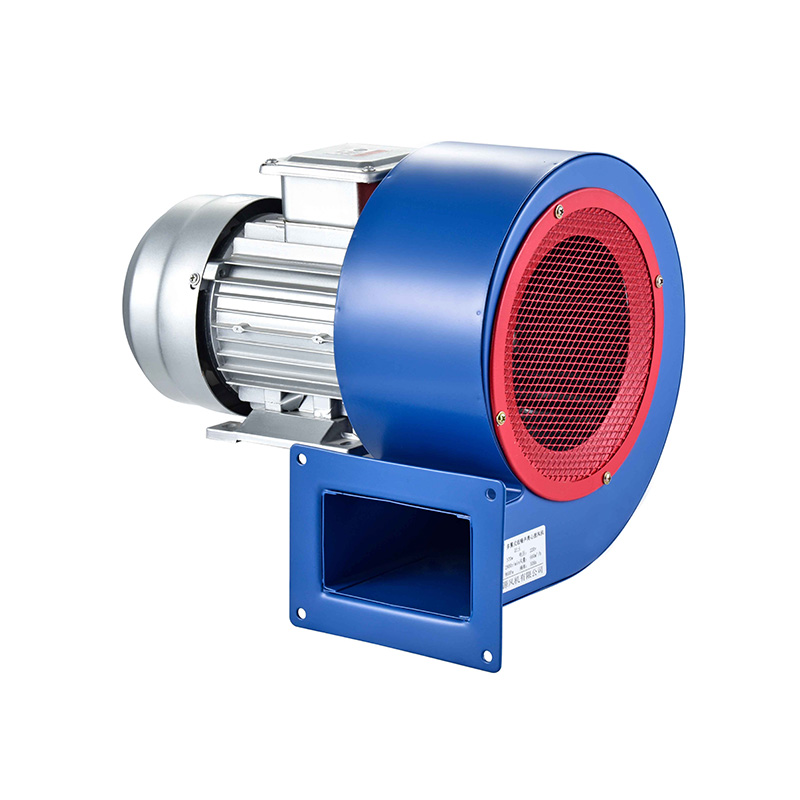
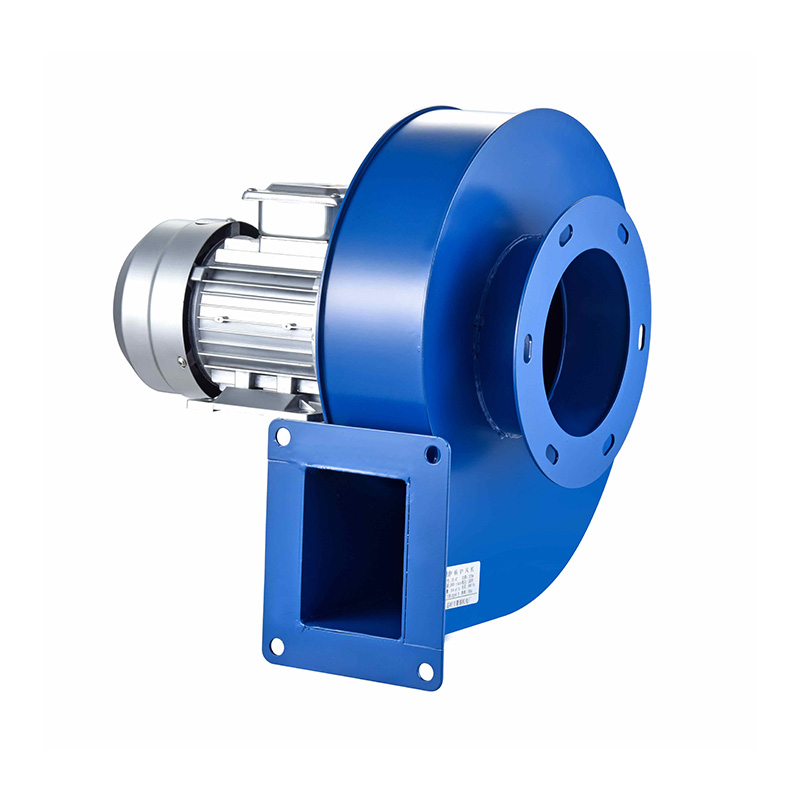
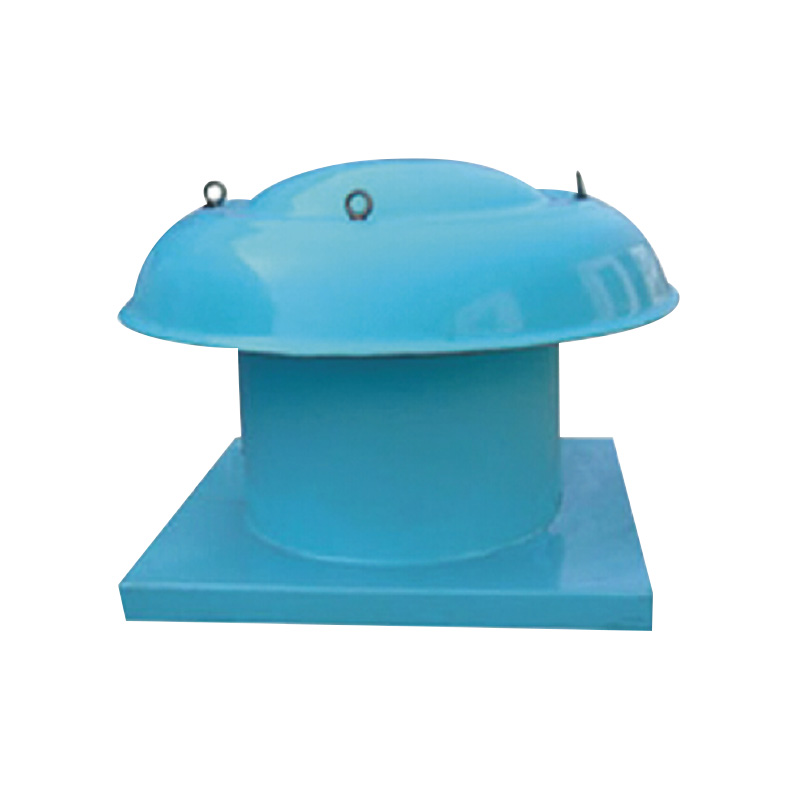
Water leakage through roof ventilation is a concern for many building owners, especially those using a roof mounted ventilator or Centrifugal Roof Ventilators in industrial and commercial applications. Although these systems are designed to move air efficiently and reduce humidity, poor installation, weather pressure, and aging components can create gaps where water enters the structure. Understanding why leaks occur and how they can be prevented will help you protect interior spaces and maximize the lifespan of your ventilation system.
Why Water Might Enter Through a Roof Vent
Water leaking through a ventilator is never ideal, especially in climates with heavy rainfall or frequent storms. Several factors can contribute to water finding its way inside:
1. Improper Flashing and Sealing
The more common cause of leaks around any penetrative roof component—including ventilators—is poor installation of flashing and seals. Flashing is designed to direct water away from seams and joints, but if it is installed incorrectly, loose, or damaged over time, water can travel beneath the unit and into the attic or interior space. Ensuring that flashing fits snugly under the shingles and that sealants are applied effectively is essential for watertight performance.
2. Wind-Driven Rain Can Penetrate Openings
Rain doesn’t always fall straight down; in heavy storms or high-wind conditions, rain can be driven laterally and forced into ventilation openings. Even vents designed with deflectors or internal baffles can experience water ingress when wind pushes raindrops through at an angle. It’s not that the ventilator design is faulty—water simply follows paths of least resistance when pressure and airflow change around the roof surface.
3. Aging Seals and Deterioration
With age, the rubber, silicone, or butyl seals used around the base of roof vents can dry out, crack, or detach. Once seals deteriorate, water finds gaps to enter the structure. Periodic inspection and resealing can prevent this problem before leaks start to cause damage.
4. Pressure and Airflow Dynamics
Ventilators work by creating airflow through pressure differences. In some cases, unusual pressure patterns inside a building combined with wind pressure outside can momentarily reverse the airflow, pulling outside air—and water—into the roof cavity. While this is less common with centrifugal designs, it still occurs in extreme weather if intake and exhaust systems are not balanced.
Signs That Your Ventilator Is Leaking
Water leaks around a roof mounted ventilator may not always be immediately obvious. Look for these common indicators:
- Water stains on attic wood or insulation
- Mold or mildew growth near the roof penetrations
- Drips or moisture on interior ceilings during storms
- Rust or corrosion around the vent base
Noticing moisture trails or discolored wood in attic spaces can be an early warning that water is bypassing the roof’s waterproofing layer.
How to Prevent and Fix Leaks
Addressing water intrusion early can save significant repair costs later. Here are measures to help prevent leaks:
Check and Reseal Flashing: Regularly inspect flashing and reseal it using waterproof membranes or high-quality roofing sealants.
Use Proper Waterproof Materials: Rubberized or EPDM membranes around the ventilator flange often provide better long-term protection than basic caulks.
Adjust Flashing After Weather Events: Inspect after major storms to ensure components haven’t shifted or loosened.
Consider Professional Installation: Hiring experienced installers familiar with roof details and ventilator systems reduces the chance of water leaks.
Planning regular maintenance not only helps prevent leaks but also improves the longevity and performance of ventilation systems such as Centrifugal Roof Ventilators, especially in commercial buildings where moisture control is critical.
At Taizhou Haoba Electromechanical Co., Ltd., we emphasize proper installation and maintenance guidance for all roof ventilation systems. Our technical teams advocate for better practices in sealing and weatherproofing to help customers avoid moisture problems and ensure reliable operation over the life of the equipment.
A roof mounted ventilator can leak water inside, but such issues are rarely due to the ventilator design itself. In more cases, water ingress is a symptom of installation issues, deteriorating seals, or extreme weather conditions. Early detection, proper flashing, and routine maintenance are key to preventing leaks and protecting the interior of your building. With careful attention to waterproofing and attention to environmental conditions, you can significantly reduce the risk of water damage associated with roof ventilators.


 English
 русский
 عربى
عربى
 Inquiry