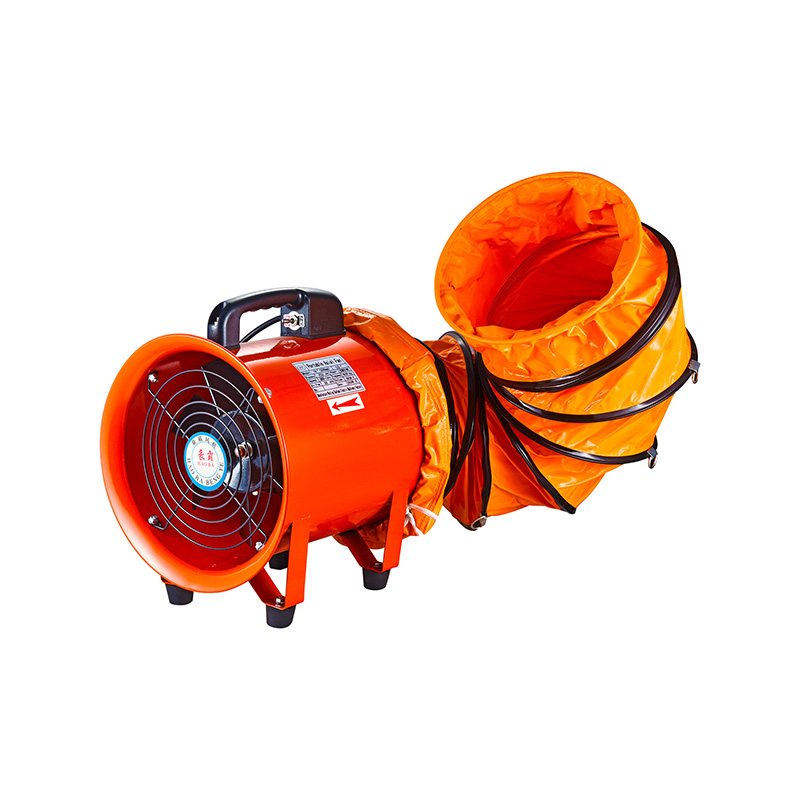
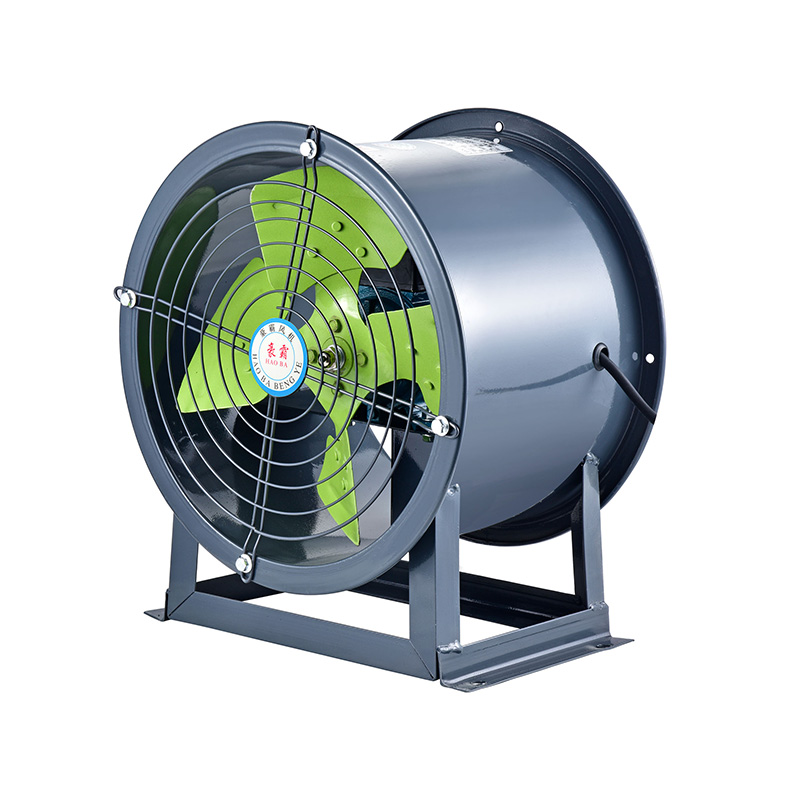
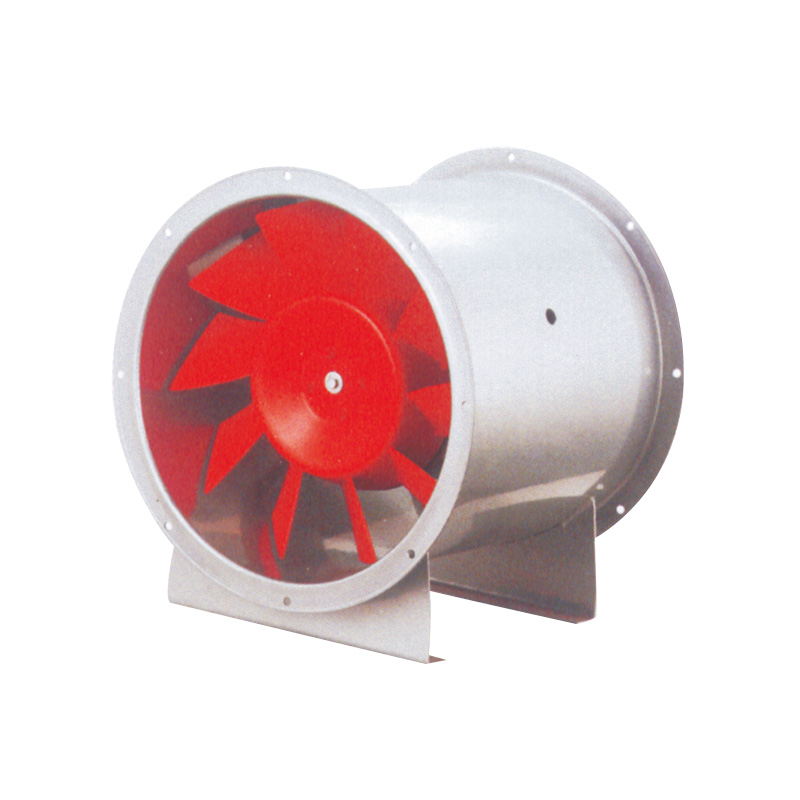
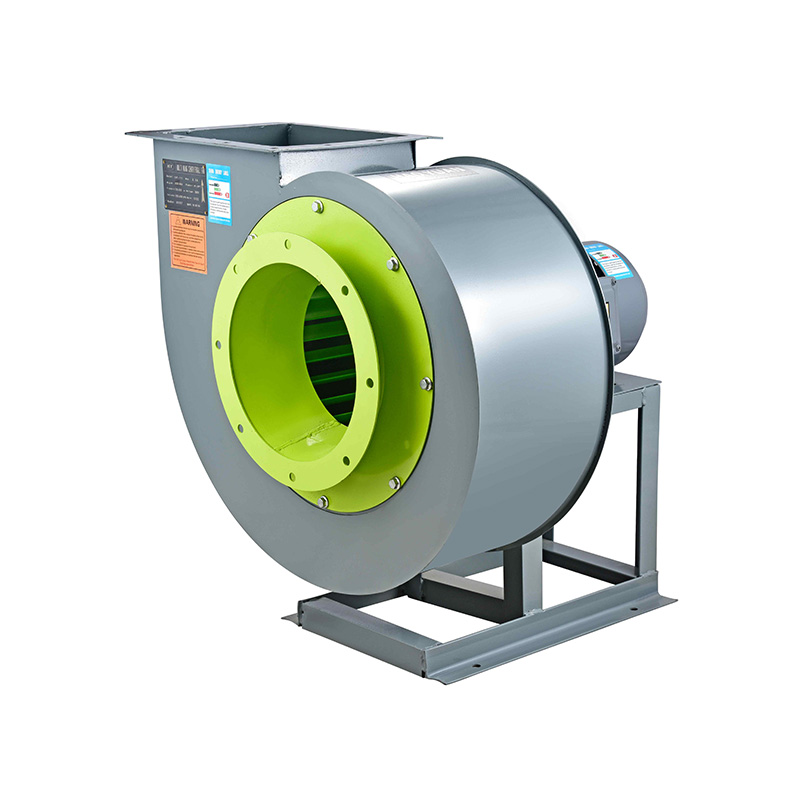
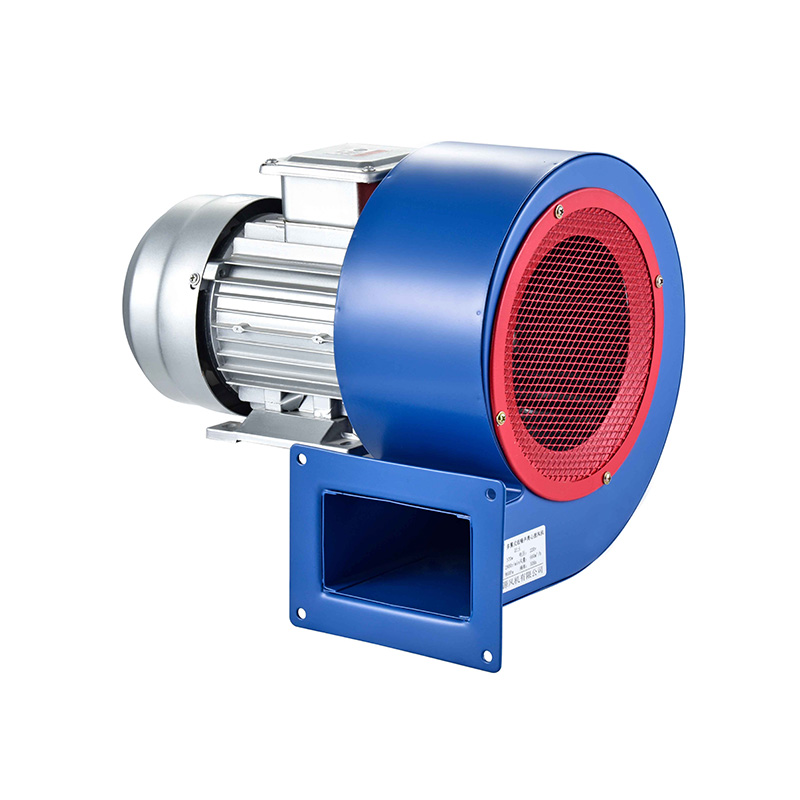
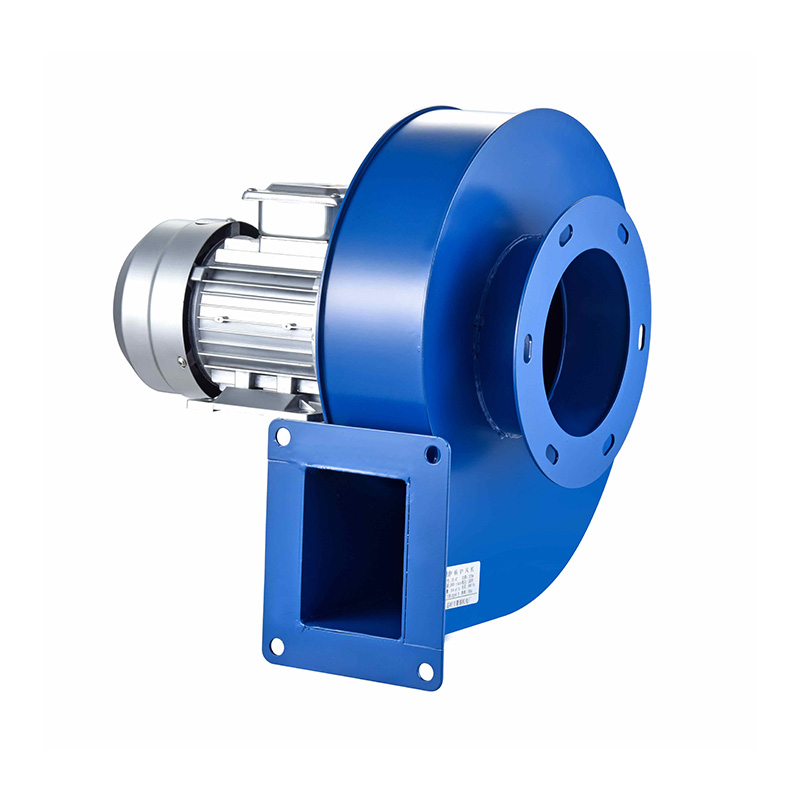
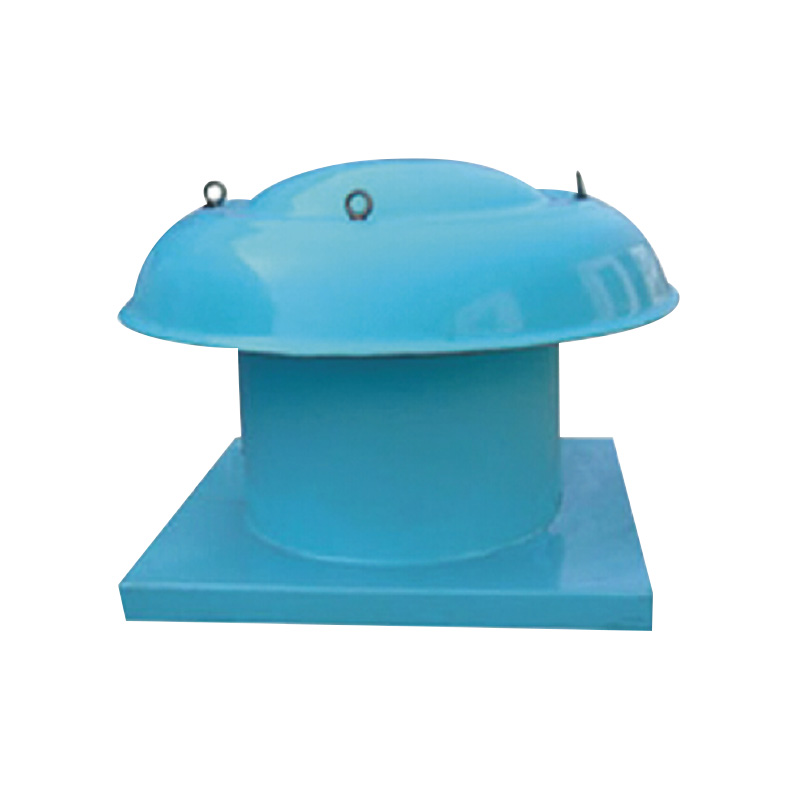
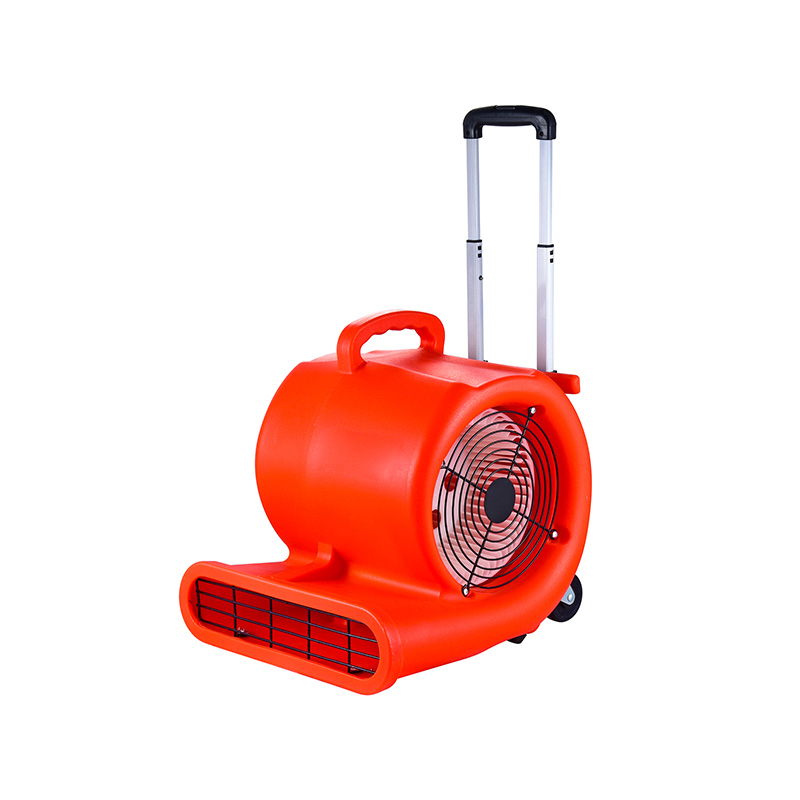
A roof mounted ventilator — especially when equipped with Centrifugal Roof Ventilators — is a critical component in industrial and commercial ventilation systems. While these machines are designed to operate quietly, many users notice unusual noise during operation and ask why this is happening. Understanding the root causes of noise can help you diagnose issues early, improve performance, and avoid costly repairs.
What Types of Noise Can Occur?
Noise from a roof mounted ventilator is not always the same. Some common sound patterns include:
- Squealing or high-pitched noise
- Rattling or clanking
- Grinding or humming
- Vibrating or “rumbling” tones
Each type of noise can point to a different issue within the ventilator system.
Bearings and Mechanical Wear
One of the more frequent reasons for noise in a roof mounted ventilator is wear on the bearings. Bearings help the fan spin smoothly, but over time they can dry out, corrode, or wear down. This will often produce a squeaking or grinding sound as the fan rotates. Regular lubrication and bearing checks are essential for smooth performance. When bearings degrade, the entire impeller can wobble, increasing friction and noise.
Loose Mounting and Structural Vibrations
Another common factor is how the ventilator is mounted to the roof. A loosely secured unit or poor flashing can cause:
- Vibrations transmitted into the building
- Metal parts rattling against each other
- Noise amplified through roof decking
Roof mounted ventilators that are not firmly anchored can shake during windy conditions, creating a persistent humming or rattling noise that can be heard inside offices or warehouses.
Debris and Obstructions
Over time, dust, leaves, bird nests, and other debris can collect inside the ventilator housing or on centrifugal fan blades. These objects interfere with smooth airflow and can generate irregular noises as the blades strike or rub against them. Accumulated debris also reduces ventilation efficiency, so regular cleaning is crucial.
Misalignment and Imbalances
A centrifugal roof ventilator relies on balanced rotating parts to move air effectively. Even slight misalignment of the impeller or housing can cause to:
- Vibrating sounds
- Pulsating airflow noise
- Uneven airflow
Balancing issues are often subtle at initial but worsen over time if not addressed.
Weather and External Conditions
Extreme weather can worsen noise issues. High winds can cause roof mounted ventilators to spin faster than normal, causing to louder operation or knocking sounds. Temperature changes can also affect the expansion of metal components, increasing vibration and noise during startup or cool-down cycles.
What Can You Do About It?
Here are practical steps you can take to reduce noise and extend ventilator life:
Schedule regular maintenance: Inspect and lubricate bearings, inspect belts, and check for debris at least quarterly.
Secure all mounting hardware: Ensure the ventilator is fastened tightly to the roof structure to minimize vibration transmission.
Clean internal components: Remove dust and debris that may block airflow or impact fan balance.
Check alignment and balance: Periodically confirm that the impeller and housing are properly aligned.
At Taizhou Haoba Electromechanical Co., Ltd., we emphasize the importance of routine maintenance and high-quality installation, both of which significantly influence the operational noise of roof mounted ventilators and centrifugal units.
Noisy operation in a roof mounted ventilator should never be ignored. While some level of sound is normal, persistent or unusual noise patterns often signal internal issues such as worn bearings, loose mounts, debris build-up, or imbalance in Centrifugal Roof Ventilators. Early investigation and corrective action not only improves comfort and performance but also prolongs the service life of your ventilation system. Proper attention to mounting, alignment, and maintenance will help you keep noise levels manageable and your ventilation system functioning reliably.


 English
 русский
 عربى
عربى
 Inquiry