English
 русский
 عربى

 Inquiry

Industry News
Home / News / Industry News / Can Wholesale Axial Flow Fans Reduce Energy Costs in Industrial Facilities?
2026-11-06
Ventilation runs around the clock in plenty of industrial plants. You need it for temperature control, heat removal, keeping air moving. But inefficient fans have a way of quietly running up the power bill, and a lot of facility managers underestimate how much that adds up over a year. A Wholesale Axial Flow Fan can bring operating costs down—provided the airflow capacity, motor efficiency, and operating conditions actually line up with what the building needs. Buying in bulk might make procurement easier if you're outfitting several areas, but savings don't come from price alone. How the system is designed, installed, run, and maintained all feed into long-term performance.
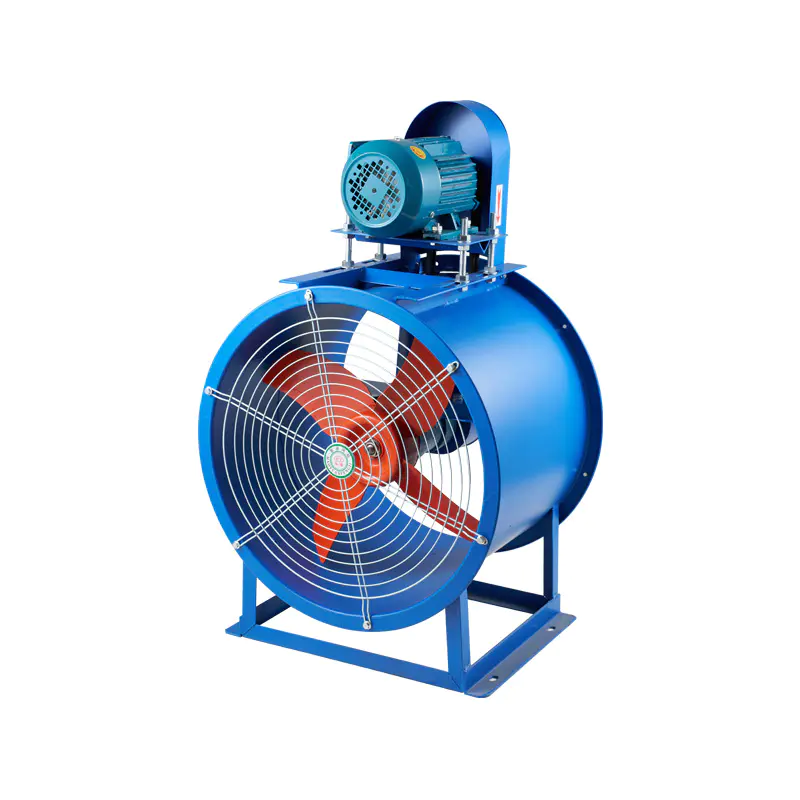
How Axial Flow Fans Support Industrial Ventilation
These fans push air along the fan shaft. That design works well when you need decent airflow at low-to-moderate static pressure—think factory ventilation, warehouse circulation, cooling for equipment, general exhaust. In industrial buildings they help clear accumulated heat and get air moving, and they can handle exhaust duty when they're part of a properly planned system.
Before choosing a model, there are three things buyers really need to pin down. First, airflow capacity—will the fan move enough air for the space or process? Second, static pressure—ducts, filters, louvers, and other hardware all create resistance. Third, operating hours—if the thing runs continuously, annual electricity use climbs fast. Picking a fan by diameter or rated power alone tends to backfire. It sounds like common sense, but people do it all the time.
How Fan Selection Affects Energy Consumption
Go too small and ventilation suffers. Go too big and you're burning extra electricity for no reason. Both scenarios push operating costs up. System resistance deserves attention as well. Long duct runs, tight bends, clogged filters, restricted inlets—they all make the fan work harder. Rethinking the ventilation layout can shave off unnecessary resistance.
| Selection factor | What to check | Potential benefit |
|---|---|---|
| Airflow | Required air volume | Avoids excessive or insufficient ventilation |
| Static pressure | System resistance | Supports correct fan selection |
| Motor efficiency | Motor efficiency rating | Reduces electrical losses |
| Blade design | Blade geometry and materials | Supports effective airflow |
| Noise and vibration | Operating stability | Helps identify installation problems |
Make sure you're comparing under equivalent operating conditions. A fan with a higher maximum airflow rating isn't necessarily more efficient if it pulls substantially more power.
How Wholesale Purchasing Improves Procurement Efficiency
Factories and warehouses that need several fans can benefit from buying wholesale. Bulk orders may bring more consistent pricing and cut down the time spent chasing equipment from multiple suppliers. Standardizing on one model also makes maintenance simpler—fewer spare-part types, more consistent inspection routines across different areas.
That said, price alone shouldn't drive the decision. Ask for technical specs, performance curves, motor details, installation dimensions, warranty terms. A supplier worth working with will tell you whether a given model suits the building's environment. Humid, dusty, or corrosive settings may call for special materials or protective coatings.
Compare Motor Efficiency and Fan Performance
The motor drives a big chunk of the electricity bill. If the fan runs for long stretches, small differences in power draw turn into real money over a year. Check rated input power, voltage, frequency, and motor efficiency, and make sure the motor matches the facility's electrical supply.
Performance curves are useful too—they show how airflow and static pressure relate, which helps engineers confirm whether a model will actually meet requirements once it's installed. A fan that stays inside its intended performance range is less likely to waste energy and more likely to keep airflow stable.
Use Variable-Speed Controls to Reduce Energy Waste
Ventilation demand isn't constant. Production schedules shift, equipment temperatures change, occupancy varies. Running every fan at full tilt all day wastes power. A variable-frequency drive lets you adjust motor speed to match actual demand, and dropping fan speed can cut power use substantially in the right applications—though real savings depend on system resistance and how the fan is operated. Temperature sensors and air-quality monitors can automate the process, so fans respond to conditions while still meeting ventilation and safety requirements.
Maintain Fans for Long-Term Efficiency
Neglect maintenance and even a well-chosen fan will lose performance. Dust collects on blades, bearings wear, fasteners loosen—vibration goes up, airflow goes down.
| Maintenance task | Inspection focus |
|---|---|
| Blade cleaning | Remove dust and material buildup |
| Bearing inspection | Check lubrication and wear |
| Motor inspection | Monitor temperature and electrical condition |
| Mounting checks | Inspect fasteners and vibration |
| Airflow testing | Confirm required ventilation |
Inspection intervals should follow manufacturer guidance plus actual operating hours and conditions. A bearing caught early costs far less than a motor replaced later.
Calculate the Total Cost of Ownership
Facility managers should look at equipment price, installation, electricity, maintenance, and expected service life before committing.
Annual electricity cost = Input power (kW) × Operating hours × Electricity price per kWh
Say a fan averages 5 kW input and runs 4,000 hours a year. That's 20,000 kWh. At $0.12 per kWh, you're looking at roughly $2,400 annually. Comparing that against an alternative model gives you a sense of potential savings. Check actual consumption after installation—real conditions don't always match rated specs.
Choose Equipment Based on Long-Term Performance
A Wholesale Axial Flow Fan can help control energy costs when airflow capacity, motor efficiency, and operating characteristics actually fit the application. Wholesale purchasing can improve procurement consistency, and the right controls plus regular maintenance help hold performance steady. Before ordering, compare specs, supplier support, and total operating costs. The goal is reliable ventilation without burning unnecessary electricity—and hitting that balance matters more than chasing the lowest price tag or the biggest airflow number on the spec sheet.

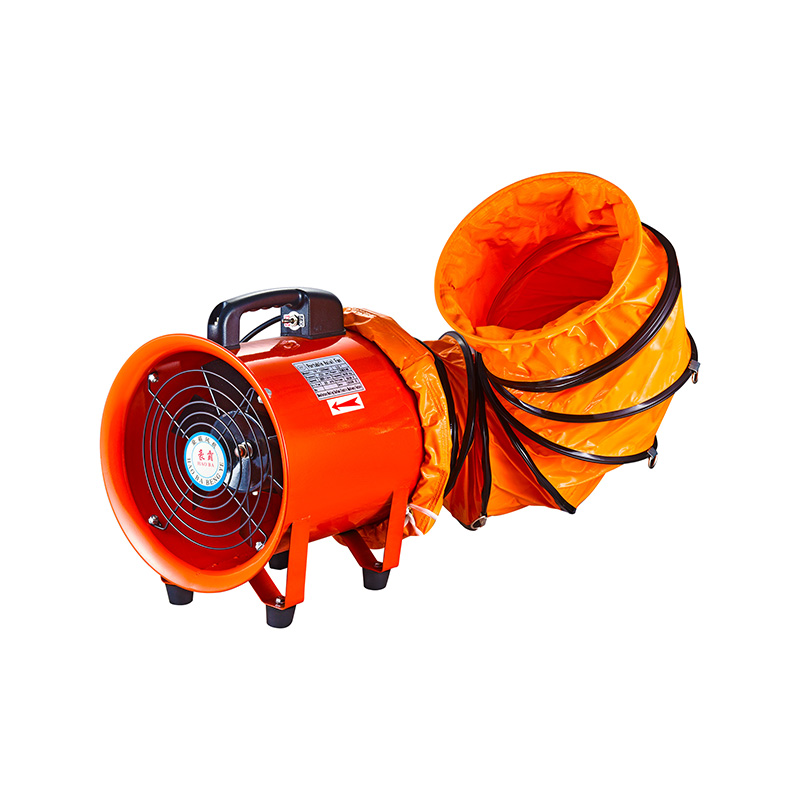
Model: SF
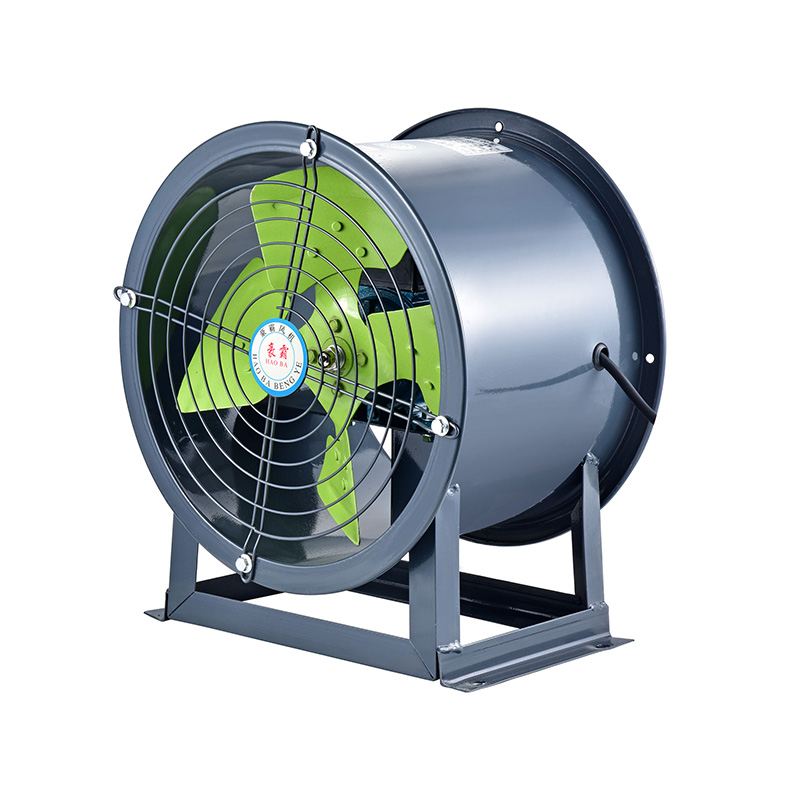
Model: SWF-I. II. III
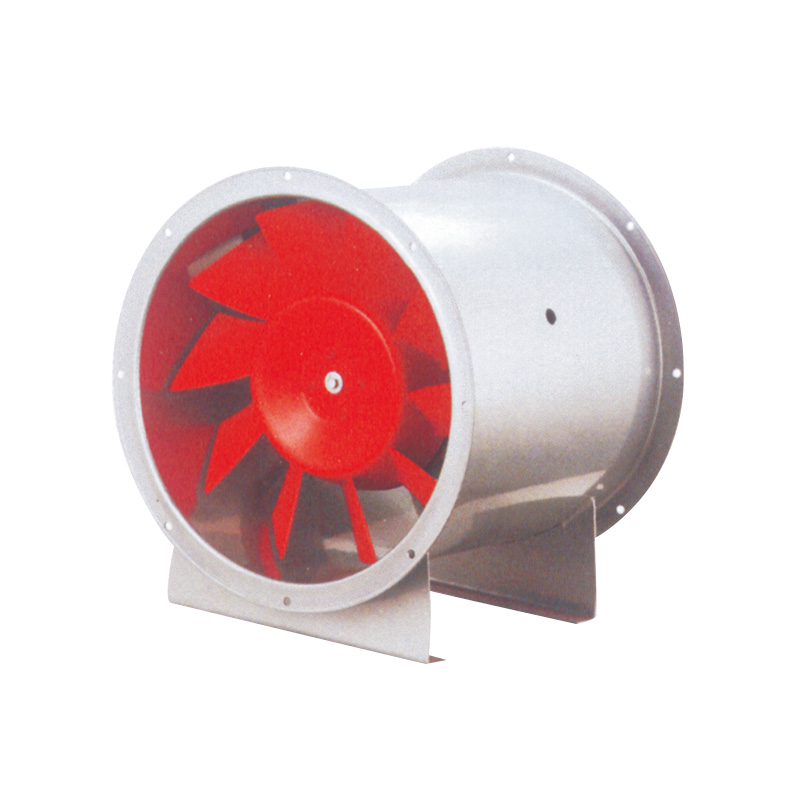
Model: YG5-47
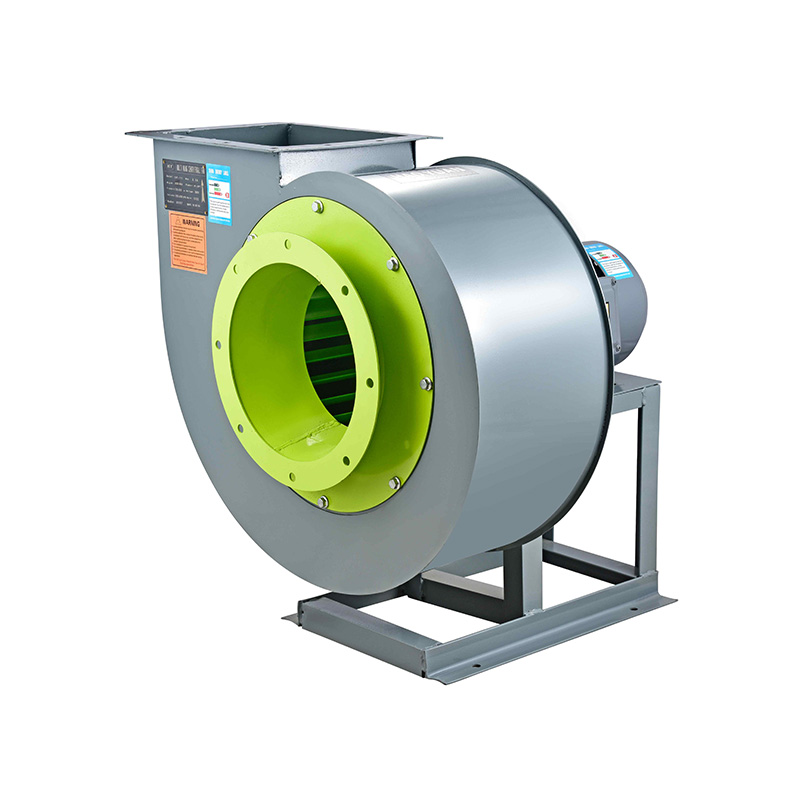
Model: WT35-11/FWT35-11

No. 12, Caoao Industrial Zone B, Daxi Town, Wenling City, Taizhou City, Zhejiang Province, China.
Email: [email protected]
Tel: +86-0576-8631 3688
Phone: +86-189-6859-2966
FAX: +86-0576-8631-3688
Copyright © Taizhou Haoba Electromechanical Co., Ltd. All Rights Reserved.

Industrial Centrifugal Fan Manufacturer