English
 русский
 عربى

 Inquiry

Industry News
Home / News / Industry News / How Can Buyers Reduce Noise and Vibration from an Industrial Axial Flow Fan?
2026-10-30
Industrial axial flow fans show up in factories, warehouses, ventilation systems, industrial cooling equipment. Useful things. But excessive noise and vibration? They wear on workplace comfort, drive up maintenance costs, and shorten equipment life. For buyers, fixing these problems starts before the purchase—choosing the right fan and installing it properly. Impeller design, rotational speed, airflow resistance, structural support, maintenance—all of it shapes operating performance. Pick a suitable Industrial Axial Flow Fan and you can control noise, reduce mechanical wear, improve long-term reliability.
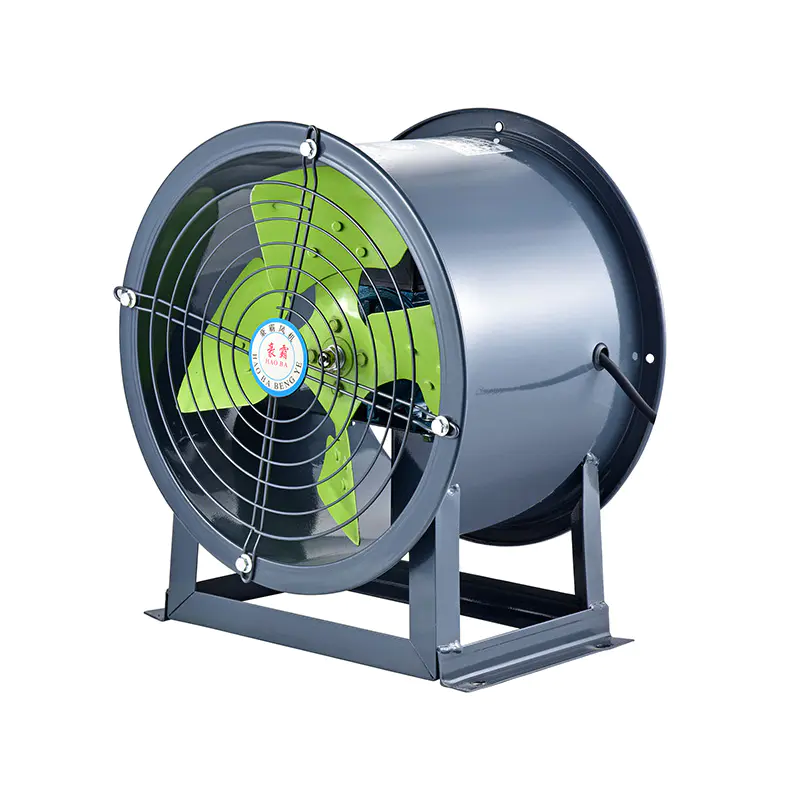
Select the Right Fan Size and Operating Speed
Wrong sizing leads to excessive noise and wasted energy. An undersized fan may need higher speeds to hit the required airflow. An oversized unit moves more air than the application needs. Before purchasing, figure out the required airflow rate and static pressure. Think about resistance from ductwork, filters, dampers, other system components. Review the manufacturer's performance curves. Confirm the proposed fan can meet those requirements within its recommended operating range. A correctly selected fan is less likely to experience unstable airflow or excessive aerodynamic noise.
Evaluate Impeller Design and Aerodynamic Performance
The impeller affects airflow, efficiency, noise generation. Blade geometry, rotational speed, tip clearance—they influence how smoothly air passes through. Higher rotational speeds generally increase aerodynamic noise. Poor inlet conditions create turbulence, adding sound and reducing performance. Buyers should check operating speed, impeller specs, published noise data. Comparisons should use equivalent test conditions because sound measurements vary with distance, installation, surrounding environment. Choose an impeller design that meets required airflow and pressure without unnecessary speed or power consumption.
Improve Installation and Vibration Isolation
Poor installation causes vibration even when the fan itself is well-designed. Loose fasteners, unstable mounting structures, incorrect alignment—they transfer mechanical vibration into floors, walls, connected ductwork. Install the fan on a stable support structure designed for its weight and operating loads. Check mounting bolts, alignment, clearances per manufacturer instructions. Vibration isolators may help reduce vibration transmitted to the building structure. Flexible connectors can limit transmission between fan and ductwork. These components must be selected for the fan's weight, operating speed, mounting arrangement. Incorrectly selected isolators allow excessive movement. They can't compensate for rotor imbalance or structural defects.
Apply Suitable Noise Reduction Measures
The right solution depends on the noise source. Aerodynamic noise needs different corrective measures than mechanical vibration or sound transmitted through ducts.
| Noise source | Recommended action | Expected benefit |
|---|---|---|
| Turbulent airflow | Improve inlet conditions and remove unnecessary restrictions | Reduces turbulence-related noise |
| Excessive operating speed | Reassess fan selection and speed requirements | May reduce noise and energy consumption |
| Structural vibration | Install suitable vibration isolators | Limits vibration transmission |
| Rotor imbalance | Inspect the impeller and arrange balancing if necessary | Reduces rotating vibration |
| Loose components | Inspect and secure fasteners | Prevents rattling and mechanical noise |
| Duct-borne noise | Consider appropriately designed acoustic silencers | Reduces sound traveling through ductwork |
Acoustic enclosures and silencers may help in noise-sensitive environments. But their design must preserve sufficient airflow and motor cooling. Any additional airflow resistance should be considered when checking fan performance.
Follow a Preventive Maintenance Schedule
Regular maintenance catches problems before they cause equipment failure. Dust accumulation, damaged impeller blades, worn bearings, loose fasteners—they increase noise and vibration over time. Inspect the impeller for dirt, corrosion, deformation, uneven deposits. Check bearings for unusual noise or overheating. Follow manufacturer lubrication recommendations. Belt-driven fans? Inspect belt tension, alignment, wear.
| Frequency | Recommended checks |
|---|---|
| Before operation | Listen for abnormal sounds and inspect visible components |
| During scheduled maintenance | Check bearings, impellers, fasteners, mounts, and drive components |
| When vibration increases | Investigate imbalance, alignment, and structural support |
| After repairs | Verify assembly, clearances, and operating performance |
Inspection frequency should reflect operating hours, environmental conditions, manufacturer recommendations. Fans in dusty or corrosive environments may need more frequent servicing. Severe vibration or unusual noise develops suddenly? Stop the equipment when safe, identify the cause before restarting. Follow approved isolation procedures before inspecting moving or electrical components.
Verify Performance Through Noise and Vibration Measurements
Measurements give objective evidence of whether corrective measures work. Sound measurements should be taken at consistent positions under documented operating conditions. Background noise, room acoustics, measurement distance affect results. Vibration measurements can help identify developing mechanical problems and establish a baseline for future maintenance. The ISO 14694 series may be relevant when assessing industrial fan balance quality and vibration performance. Buyers should ask suppliers for documented noise data, test conditions, applicable vibration criteria. These details give a stronger basis for comparison than general claims of low-noise performance.
Choose an Industrial Axial Flow Fan for Reliable Operation
Reducing noise and vibration requires proper fan sizing, suitable impeller design, stable installation, effective isolation, regular maintenance. Buyers should evaluate documented performance data and confirm proposed noise-control measures won't compromise airflow or operational safety. By addressing noise and vibration at the selection stage and monitoring equipment throughout its service life, industrial facilities can reduce unnecessary maintenance, improve working conditions, and maintain reliable ventilation performance.

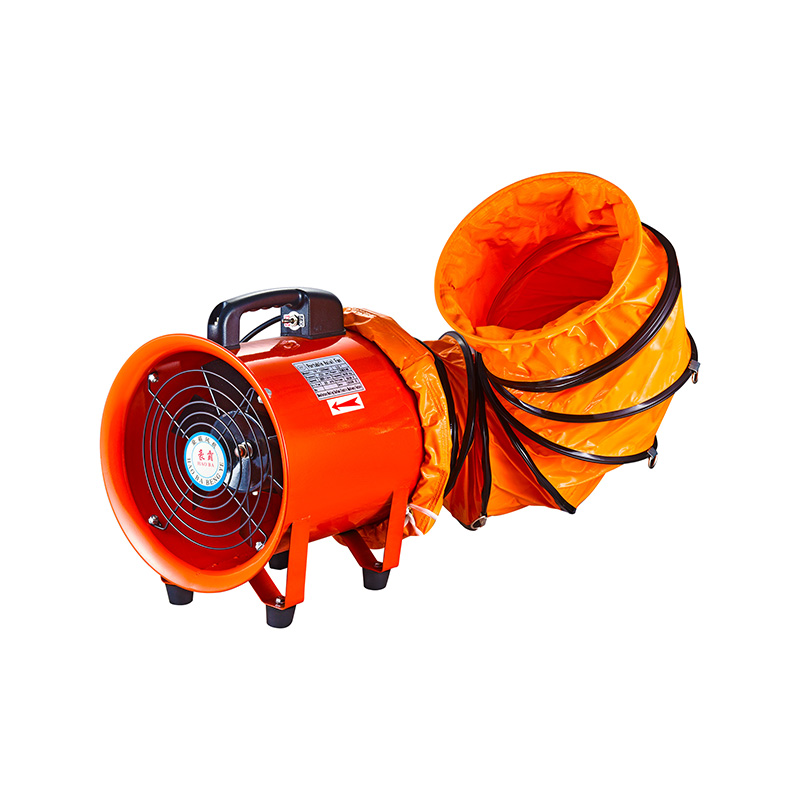
Model: SF
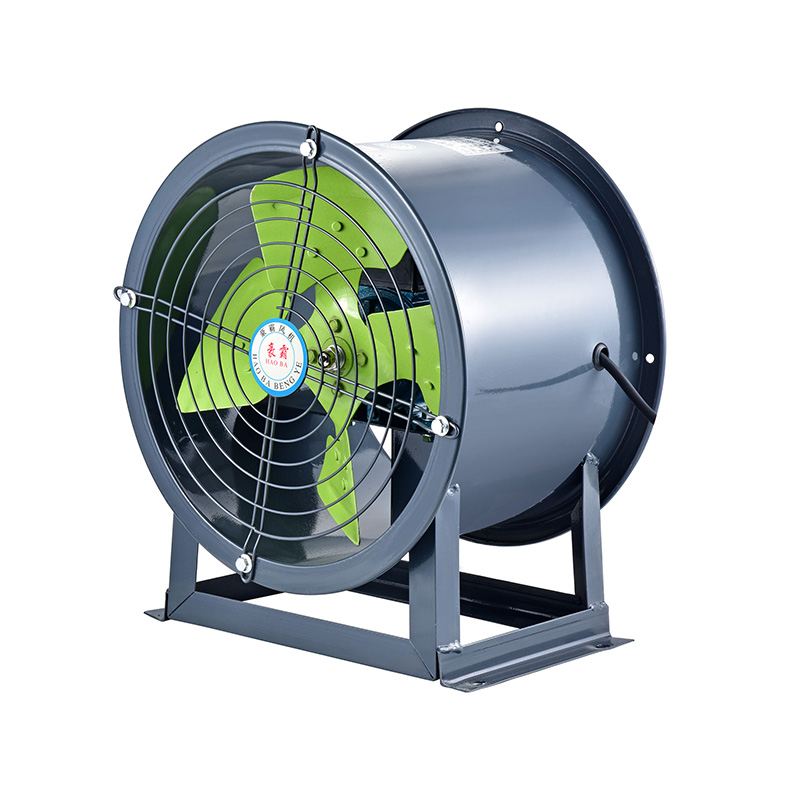
Model: SWF-I. II. III
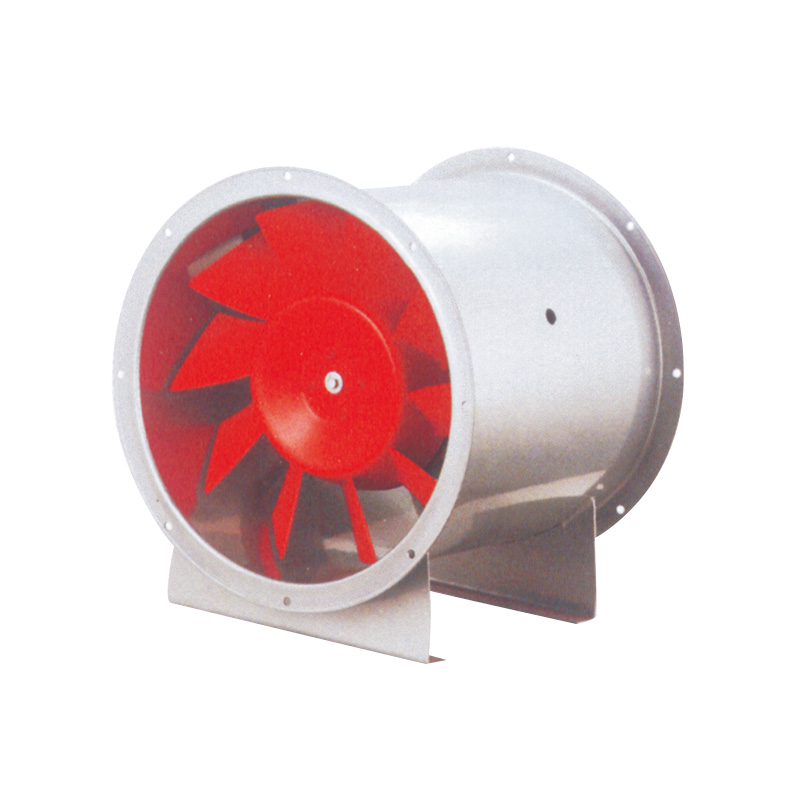
Model: YG5-47
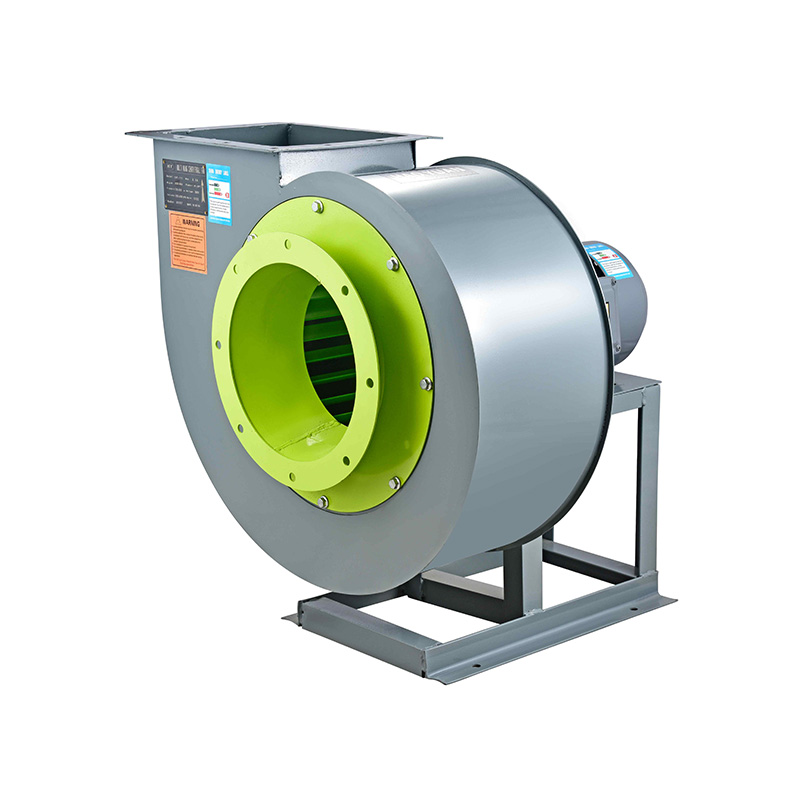
Model: WT35-11/FWT35-11

No. 12, Caoao Industrial Zone B, Daxi Town, Wenling City, Taizhou City, Zhejiang Province, China.
Email: [email protected]
Tel: +86-0576-8631 3688
Phone: +86-189-6859-2966
FAX: +86-0576-8631-3688
Copyright © Taizhou Haoba Electromechanical Co., Ltd. All Rights Reserved.

Industrial Centrifugal Fan Manufacturer