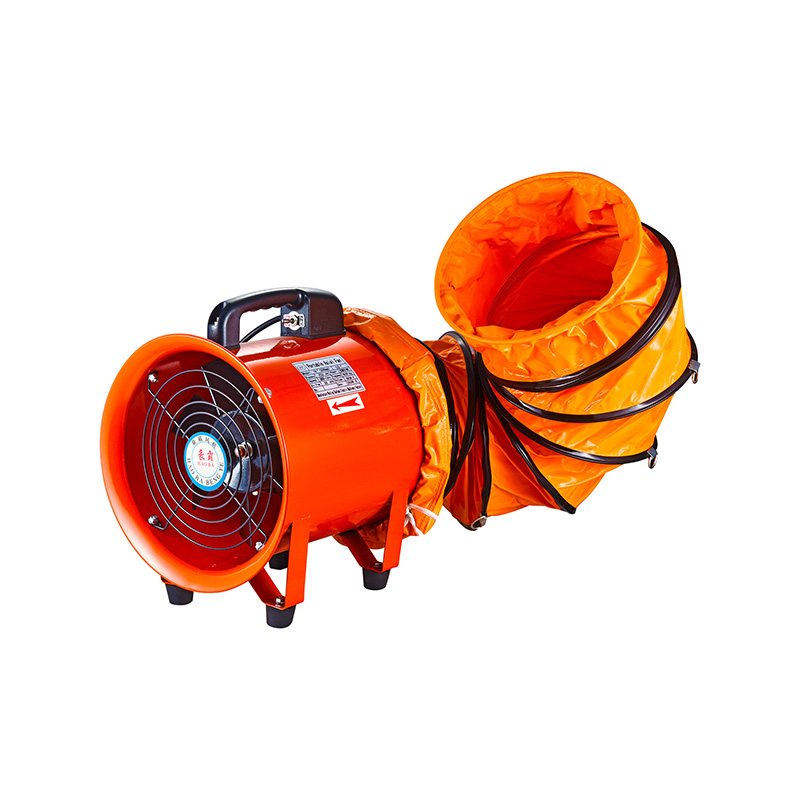
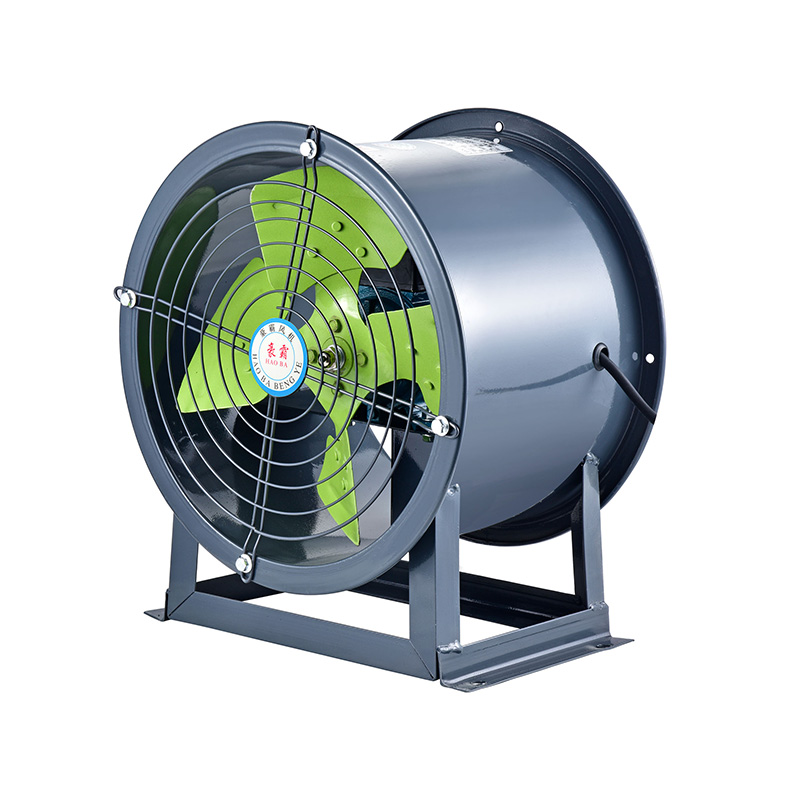
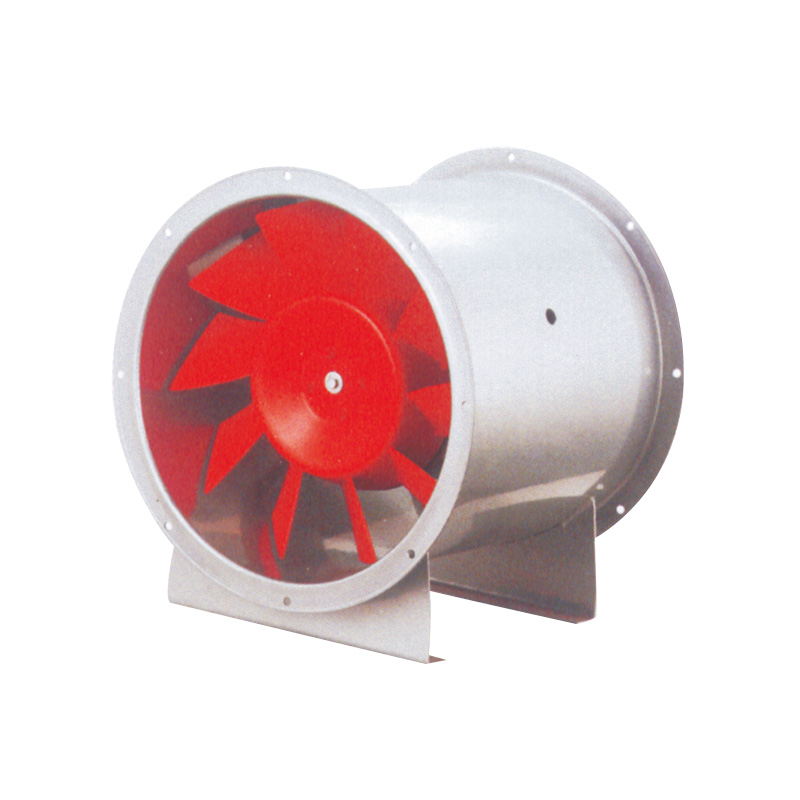
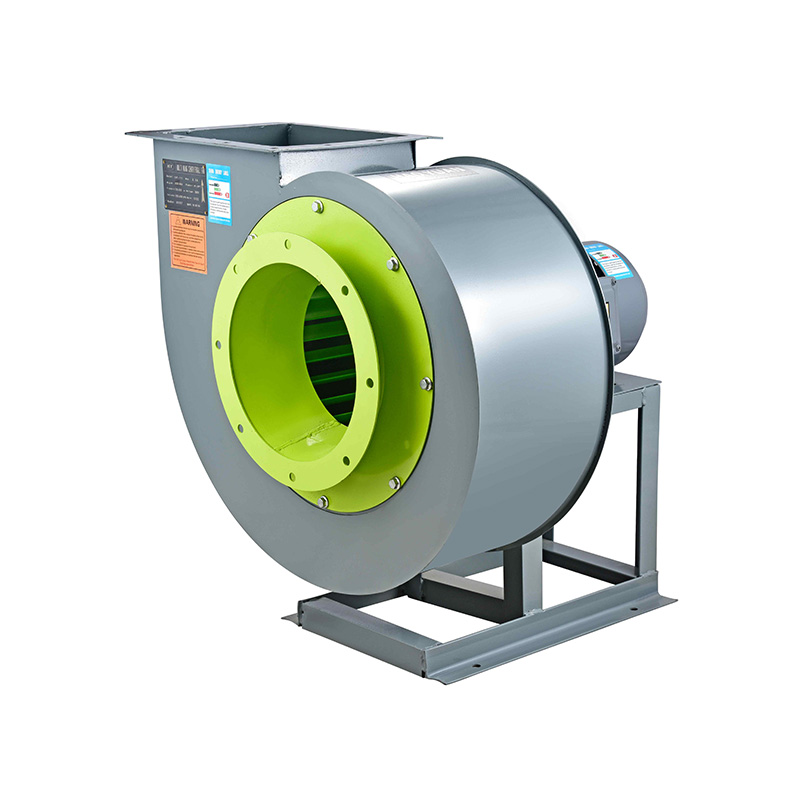
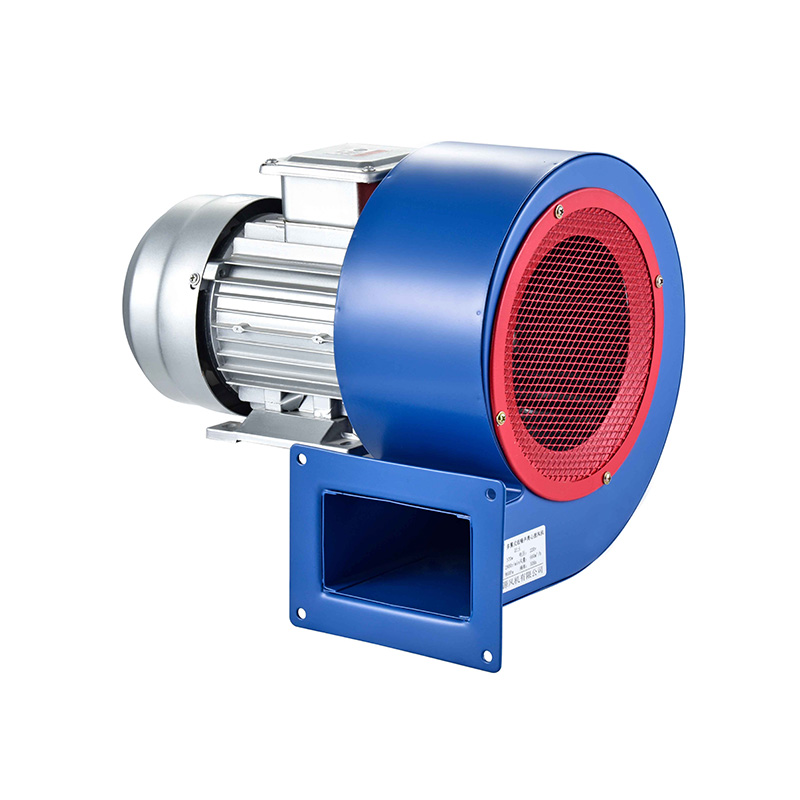
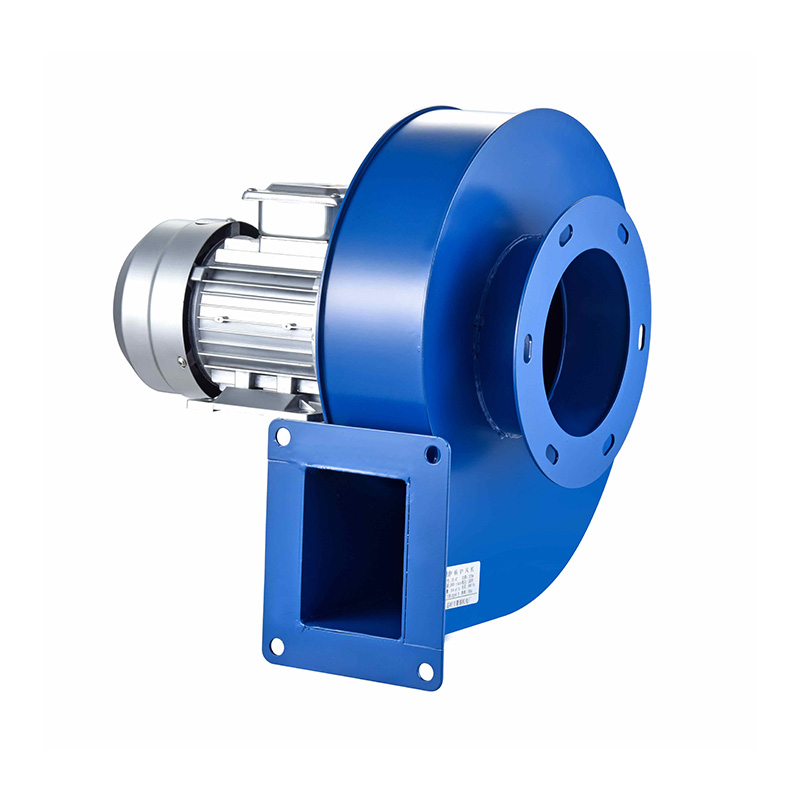
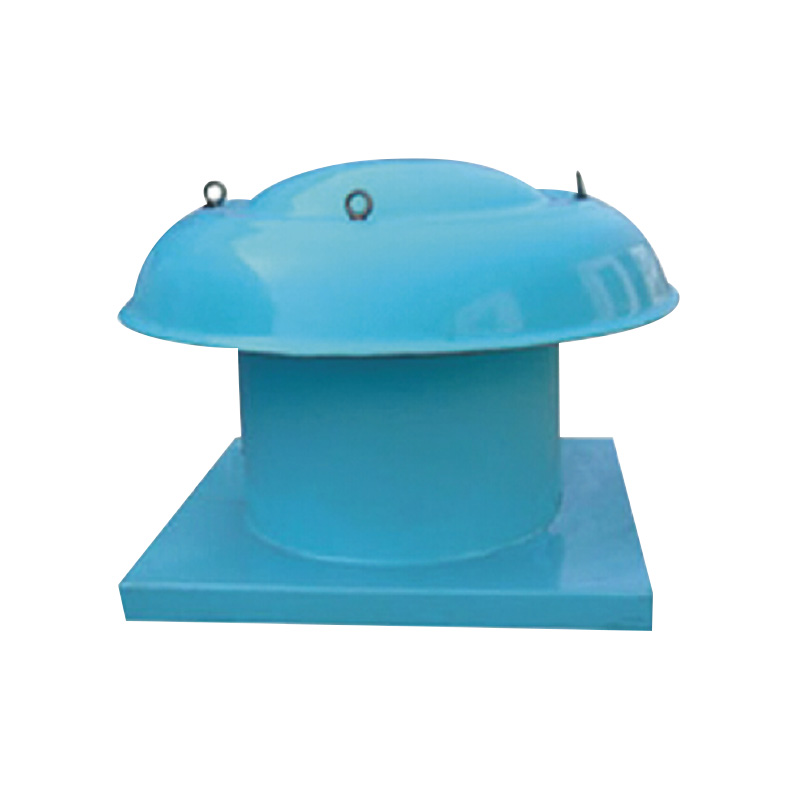
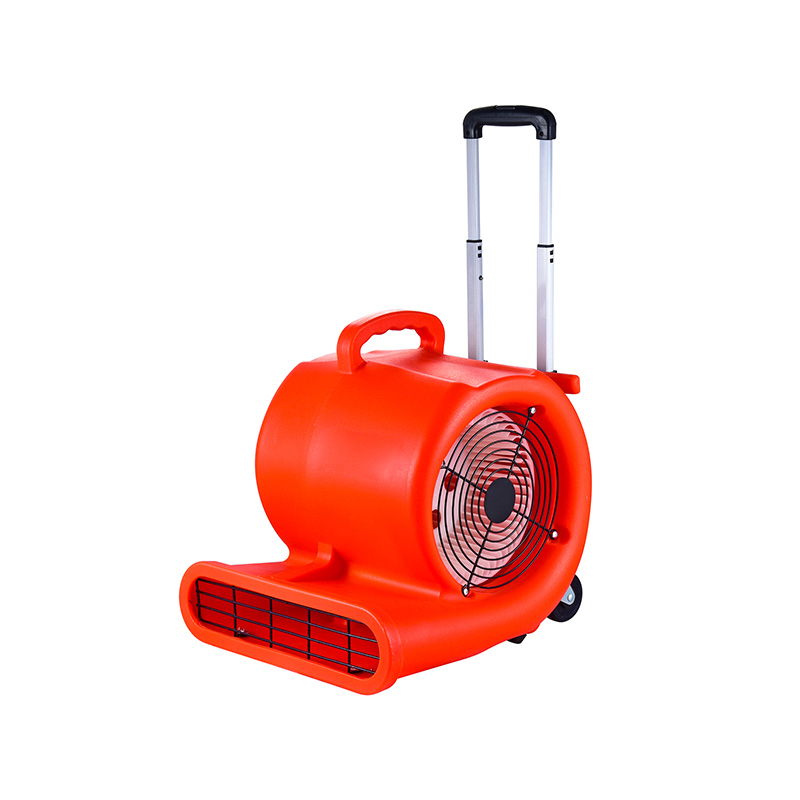
A centrifugal fan is a core component in industrial air movement and ventilation systems, widely used across manufacturing plants, HVAC systems, dust collection units, and process industries. Its operating principle is based on converting mechanical energy from a rotating impeller into airflow pressure. Air enters the center of the fan and is accelerated outward through centrifugal force, making it highly effective in systems with significant resistance such as ducts, filters, and industrial processing lines. In engineering applications such as Haoba industrial fan systems, centrifugal fans are designed for durability, high efficiency, and stable long-term operation under continuous load conditions.
Compared with basic ventilation devices, centrifugal fans are engineered for performance stability in demanding environments. They are capable of handling variable airflow resistance while maintaining consistent pressure output. This makes them essential in factories where air quality control, temperature regulation, and dust extraction are critical to production efficiency and workplace safety.
Working Principle of a Centrifugal Fan
Air Intake and Impeller Acceleration
The working process begins when air enters the fan housing through the inlet located at the center of the rotating impeller. As the motor drives the impeller, the blades capture the incoming air and accelerate it radially outward. This acceleration increases the kinetic energy of the air stream significantly, preparing it for pressure conversion.
The impeller design plays a crucial role in efficiency and performance. Forward-curved, backward-curved, and radial blade designs all influence how air is accelerated and how much pressure is generated. Industrial-grade systems such as Haoba centrifugal fans often select impeller types based on application requirements, such as dust-heavy environments or high-pressure duct systems.
Energy Conversion into Static Pressure
Once the air reaches the volute casing, the high-speed airflow is gradually decelerated. During this process, kinetic energy is converted into static pressure. This pressure-building mechanism allows centrifugal fans to overcome resistance in long duct networks, air filtration systems, and industrial exhaust systems.
This ability to generate high static pressure is the key reason centrifugal fans are preferred in industrial environments over axial fans when airflow must travel through complex systems with multiple resistance points.
Air Discharge at 90-Degree Direction
After pressure conversion, the air is discharged through the outlet at a 90-degree angle relative to the inlet direction. This directional change enables flexible system integration, allowing engineers to design compact ventilation layouts without restricting airflow efficiency.
Key Structural Components of Centrifugal Fans
Impeller System
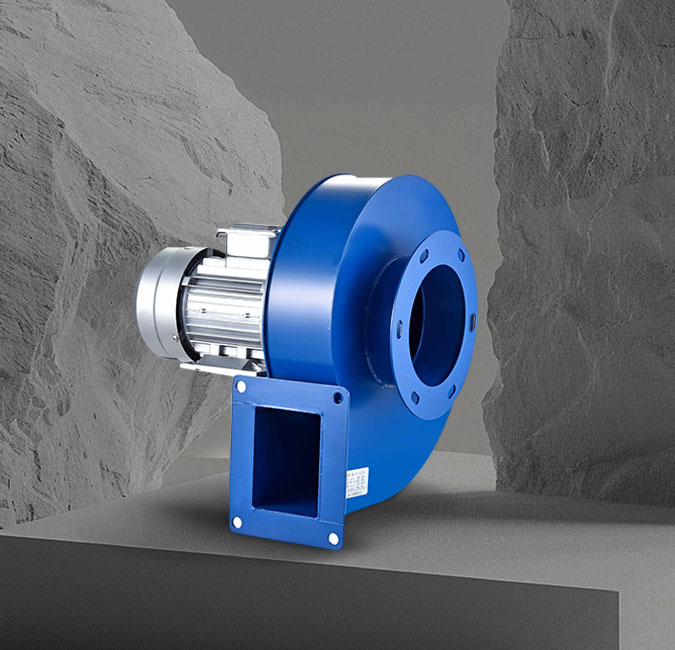
The impeller is the heart of the centrifugal fan. It consists of curved or radial blades mounted on a rotating hub. Its primary function is to accelerate air outward and generate the required airflow velocity. The material and geometry of the impeller directly affect efficiency, noise levels, and pressure output.
Volute Casing
The volute casing surrounds the impeller and is designed in a spiral shape. Its function is to collect high-speed air from the impeller and convert velocity into pressure. The shape of the casing is carefully engineered to reduce energy loss and maximize airflow efficiency.
Drive Motor and Transmission System
The motor provides the mechanical energy required to rotate the impeller. Industrial systems often use AC induction motors or energy-efficient EC motors. In advanced configurations, variable frequency drives (VFDs) are used to precisely control fan speed and airflow output.
Bearings and Shaft Assembly
The shaft and bearings ensure smooth rotation of the impeller. High-quality bearings reduce friction, minimize vibration, and extend operational lifespan, especially in continuous industrial use environments.
Types of Centrifugal Fans and Their Industrial Uses
Forward Curved Centrifugal Fans
Forward curved fans feature blades that curve in the direction of rotation. They are capable of producing high airflow at relatively low pressure levels. These fans are commonly used in commercial HVAC systems, air conditioning units, and light ventilation systems where resistance is limited.
Although cost-effective, forward curved fans are less efficient in high-resistance environments and are not ideal for heavy industrial duct systems.
Backward Curved Centrifugal Fans
Backward curved fans are widely used in industrial applications due to their high efficiency and stable performance under varying load conditions. The blade design reduces turbulence and energy loss, resulting in improved energy savings and lower operating costs.
These fans are commonly integrated into modern manufacturing ventilation systems, including those produced in Haoba industrial equipment lines, where energy efficiency and reliability are key requirements.
Radial Blade Centrifugal Fans
Radial blade fans are designed for harsh and demanding environments. Their straight blade design allows them to handle dust, particulate matter, and abrasive materials without significant wear. This makes them ideal for cement production, mining operations, and material handling systems.
Their robust construction ensures long service life even under continuous exposure to heavy dust loads and high-temperature air streams.
Technical Specification Table for Industrial Centrifugal Fans
| Parameter |
Typical Industrial Range |
Application Notes |
| Airflow Capacity |
1,000 – 120,000+ CFM |
Determined by impeller diameter and motor power rating |
| Static Pressure |
200 – 5,000 Pa |
Suitable for long duct systems, filtration, and exhaust networks |
| Efficiency Range |
60% – 88% |
Backward curved designs offer highest efficiency |
| Material Construction |
Carbon steel / Stainless steel / Aluminum alloy |
Selected based on corrosion resistance and temperature requirements |
| Motor Type |
AC induction / EC motor / Explosion-proof motor |
Customized based on industrial environment |
| Speed Control |
VFD (Variable Frequency Drive) |
Enables energy optimization and airflow adjustment |
| Operating Temperature |
-20°C to 450°C+ |
High-temperature models available for industrial furnaces |
Industrial Applications of Centrifugal Fans
Centrifugal fans are widely used in industrial environments where controlled airflow and pressure are required. Typical applications include dust collection systems, HVAC ventilation networks, boiler combustion air supply, chemical processing ventilation, and industrial exhaust systems.
In manufacturing plants, centrifugal fans play a critical role in maintaining air quality, controlling temperature, and ensuring safe working conditions. They are also used in pneumatic conveying systems where air pressure is required to transport materials through pipelines.
In Haoba industrial fan systems, centrifugal fans are often integrated into OEM equipment solutions, ensuring compatibility with customized production line requirements and engineering specifications.
Advantages of Centrifugal Fans in Modern Manufacturing
Modern centrifugal fan systems offer several key advantages that make them indispensable in industrial environments. Their ability to generate high static pressure allows them to operate efficiently in complex duct networks. In addition, they provide stable airflow even when system resistance changes due to filter clogging or process variation.
Energy efficiency is another major benefit. Backward curved impeller designs reduce energy loss and improve overall system efficiency, helping manufacturers reduce operational costs. Furthermore, centrifugal fans are known for their durability and long service life, even in harsh operating conditions.
Noise reduction and vibration control are also improved in modern designs, making them suitable for environments where worker comfort and regulatory compliance are important considerations.
Centrifugal Fan vs Axial Fan in Industrial Use
Centrifugal fans and axial fans serve different engineering purposes. Axial fans move large volumes of air in a straight line and are suitable for open ventilation systems. In contrast, centrifugal fans are designed to generate higher pressure, making them ideal for ducted systems with resistance.
In industrial applications, centrifugal fans are preferred when air must pass through filters, long ducting systems, or equipment that creates airflow resistance. Axial fans are typically used for cooling or general air circulation where pressure requirements are low.
A centrifugal fan is an essential industrial airflow solution designed to deliver high-pressure, stable, and efficient air movement in complex systems. Its ability to convert rotational energy into static pressure makes it ideal for HVAC systems, dust collection, and industrial ventilation applications.
With advanced engineering designs used in Haoba centrifugal fan systems, manufacturers can achieve improved energy efficiency, longer equipment lifespan, and reliable performance under continuous industrial operation.
For detailed technical specifications, OEM customization options, or quotation requests for industrial centrifugal fan systems, contact our engineering team to obtain a full product datasheet and professional consultation.


 English
 русский
 عربى
عربى
 Inquiry