English
 русский
 عربى

 Inquiry

Industry News
Home / News / Industry News / What Energy-Efficiency Features Should Buyers Look for in a Centrifugal Roof Exhaust Fan?
2026-10-23
A centrifugal roof exhaust fan pulls stale air, heat, moisture, and airborne junk out of commercial and industrial buildings. But ventilation can eat up a decent chunk of a facility's electricity bill, especially when exhaust systems run long hours. Pick an energy-efficient fan and you cut operating costs while still getting the airflow you need for a safe, comfortable indoor space.
When comparing a Centrifugal Roof Exhaust Fan, buyers should look at the whole ventilation system—fan design, motor efficiency, airflow requirements, control options, maintenance needs. These pieces work together to determine actual energy consumption over the fan's service life.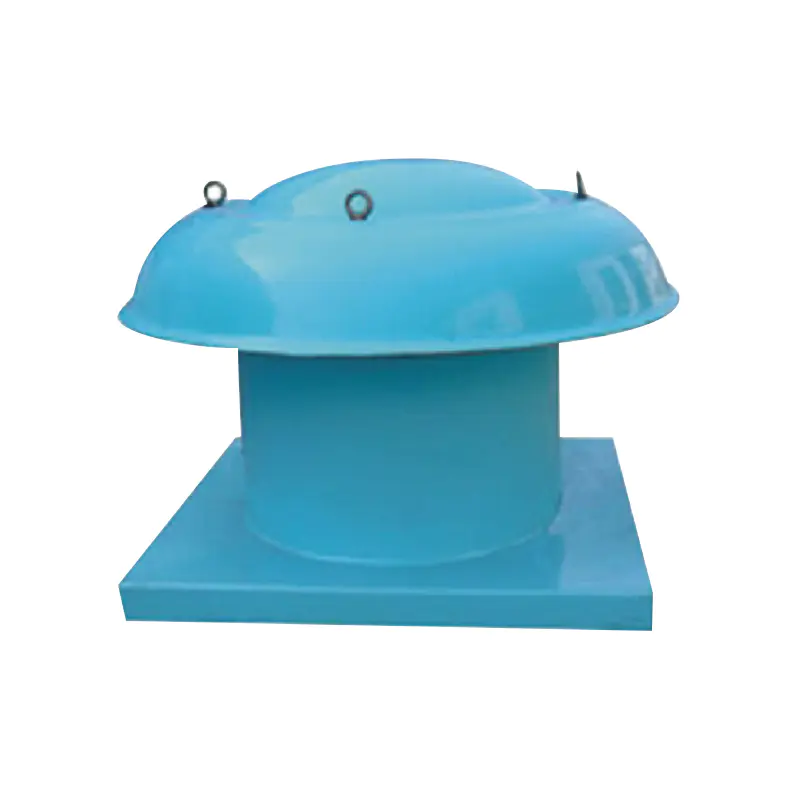
Choose an Efficient Impeller and Fan Design
The impeller directly affects how well a fan converts electrical input into airflow and pressure. Centrifugal fans use rotating impellers to push air outward. That makes them suitable for applications dealing with ductwork resistance, filters, dampers, other system components. Backward-curved or backward-inclined impellers can offer good aerodynamic efficiency in suitable applications. But the right design depends on required airflow, static pressure, air density, characteristics of the exhaust stream. Buyers should review published fan performance curves and find the operating point that matches system requirements. A fan picked only for its maximum airflow rating may waste energy or fail to deliver the needed performance against actual system resistance.
Look for High-Efficiency Motors
Motor efficiency determines how much electrical energy becomes mechanical power. A high-efficiency motor cuts energy losses during operation, especially in facilities where exhaust equipment runs continuously. Depending on fan configuration, buyers may consider premium-efficiency AC motors or electronically commutated (EC) motors. EC motors integrate electronic controls and can provide efficient speed regulation in compatible applications. When comparing motor options, look beyond the efficiency rating. Consider rated power, operating speed, control compatibility, electrical supply, expected operating hours. A pricier motor may offer better long-term return when electricity consumption and maintenance costs are included.
Match Airflow and Static Pressure to Actual Requirements
Correct sizing is one of the more effective ways to avoid unnecessary energy consumption. An oversized fan moves more air than the building needs. An undersized unit fails to maintain adequate ventilation. Buyers should establish required airflow and estimate the system's total pressure losses. Those losses come from ductwork, filters, dampers, elbows, discharge arrangements, other restrictions.
| Selection factor | What buyers should evaluate | Energy-efficiency benefit |
|---|---|---|
| Required airflow | Design ventilation rate and exhaust demand | Avoids unnecessary air movement |
| Static pressure | Resistance across the complete system | Helps identify the correct operating point |
| Fan performance curve | Efficiency and power across the operating range | Supports informed equipment selection |
| Motor efficiency | Electrical losses at the expected load | Reduces wasted electricity |
| Variable-speed capability | Whether airflow can be adjusted safely and effectively | Reduces energy use during lower-demand periods |
| Maintenance accessibility | Ease of inspection and servicing | Helps preserve performance over time |
Ask manufacturers for performance data at the specified duty point—airflow, static pressure, input power, efficiency information where available. Independently certified performance ratings also improve confidence when comparing products from different suppliers.
Consider Variable-Speed Controls
A fan doesn't always need to run at full speed. Variable-frequency drives (VFDs) or compatible electronic speed controls adjust airflow as ventilation demand changes. For suitable centrifugal fan systems, reducing rotational speed can produce substantial power savings. Under idealized fan-law conditions, power varies approximately with the cube of rotational speed. Reduce speed to 80% and theoretically fan power drops to about 51% of its original value. Actual savings depend on the system curve, motor and drive efficiency, minimum ventilation requirements, control strategy. Speed reduction must stay within manufacturer operating limits. Demand-based controls adjust ventilation according to temperature, humidity, occupancy, or process requirements. For industrial exhaust involving hazardous fumes or heat-generating equipment, minimum exhaust rates and safety requirements must always be maintained.
Evaluate Aerodynamic Losses and Installation Design
Even an efficient fan wastes energy when poorly installed. Sharp duct transitions, excessive restrictions, obstructed airflow paths, unsuitable discharge arrangements—they all increase system resistance. A centrifugal roof exhaust fan should be selected and installed with attention to inlet conditions, discharge clearance, weather protection, mounting arrangements, surrounding structures. Roof openings and duct connections should follow manufacturer installation instructions. Buyers should also confirm fan construction suits the exhaust application. Grease-laden air, corrosive contaminants, elevated temperatures, potentially hazardous atmospheres may require specialized materials or approved fan configurations. Energy savings should never compromise ventilation safety or code compliance.
Prioritize Easy Maintenance and Reliable Monitoring
Dust accumulation, damaged components, worn bearings, loose belts, restricted airflow—these gradually reduce fan performance. A design allowing straightforward inspection and servicing makes it easier to maintain efficient operation. Before purchasing, review access to motor, impeller, drive components, electrical connections. Ask about recommended maintenance intervals, replacement-part availability, manufacturer support. A practical maintenance plan includes periodic inspection of impeller, motor, mounting hardware, electrical connections, relevant airflow restrictions. Belt-driven units? Belt tension and condition need attention too. Unusual vibration, noise, or rising power consumption may indicate a developing mechanical or airflow problem. Monitoring actual electrical demand and operating hours helps maintenance teams identify performance changes. Comparing energy use before and after servicing gives useful evidence of whether equipment operates as expected.
Compare Total Cost of Ownership Before Buying
Purchase price is only one part of a fan's lifetime cost. Electricity consumption, installation, maintenance, replacement parts, expected service life can have a bigger influence on total expenditure.
| Cost or performance measure | Questions to ask |
|---|---|
| Initial purchase cost | Does the price include the required controls and accessories? |
| Annual energy use | What is the expected power consumption at the actual duty point? |
| Operating schedule | How many hours per day and days per year will the fan run? |
| Maintenance costs | Are routine servicing and replacement parts readily available? |
| Performance documentation | Are airflow, pressure, and power ratings supported by reliable test data? |
| Warranty and support | What technical assistance and spare parts can the supplier provide? |
For a useful operating-cost estimate, multiply expected electrical input in kilowatts by annual operating hours and the applicable electricity tariff. That gives a baseline for comparing models under the same operating assumptions. The energy-efficient choice is the fan that meets the building's ventilation requirements with the lowest practical life-cycle cost. By evaluating impeller design, motor efficiency, operating controls, installation conditions, maintenance requirements together, buyers can select a centrifugal roof exhaust fan that supports reliable ventilation and long-term energy savings.

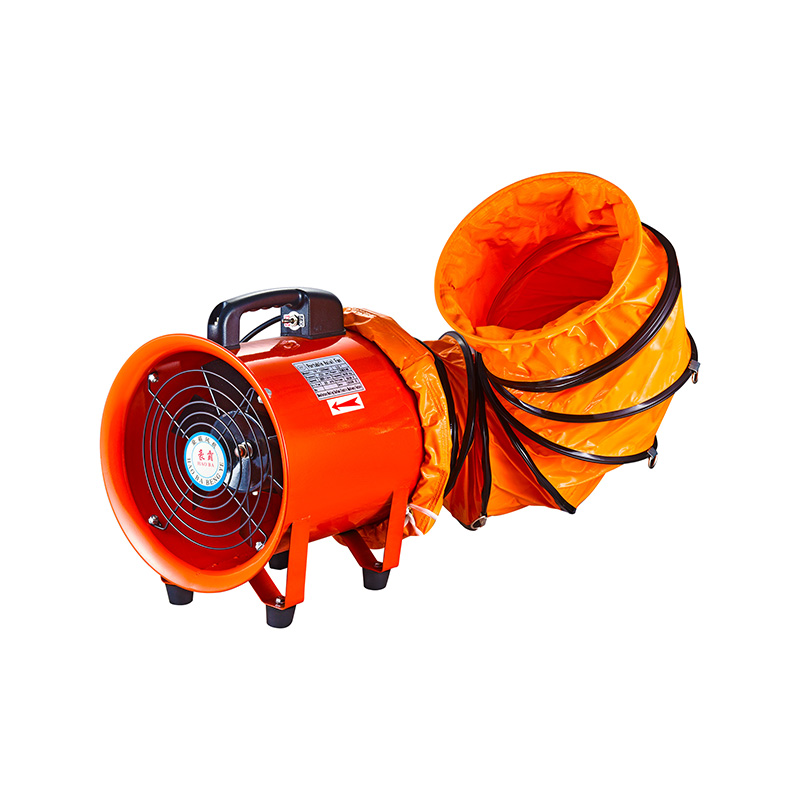
Model: SF
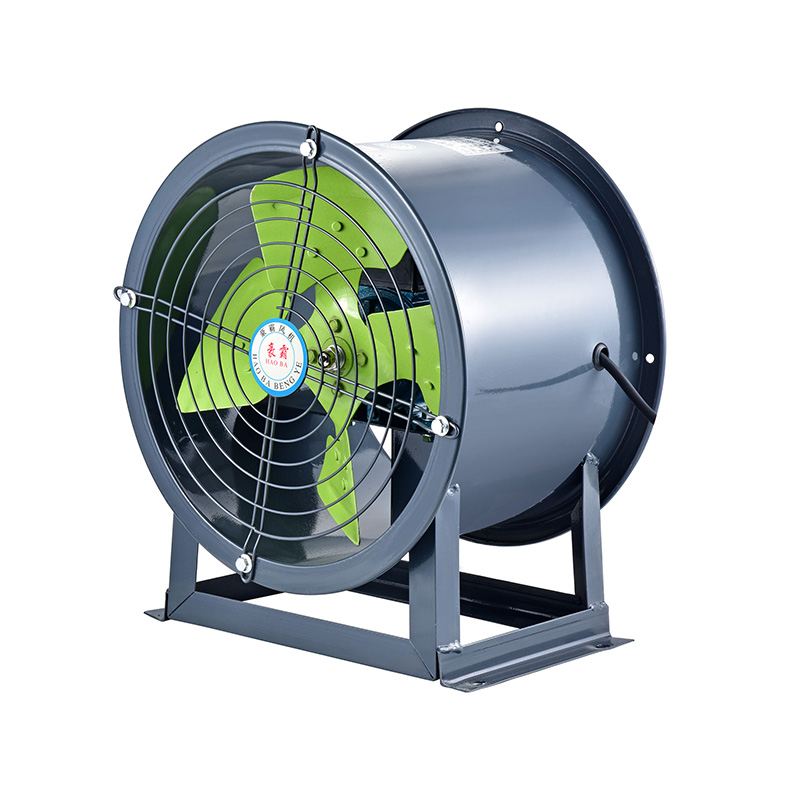
Model: SWF-I. II. III
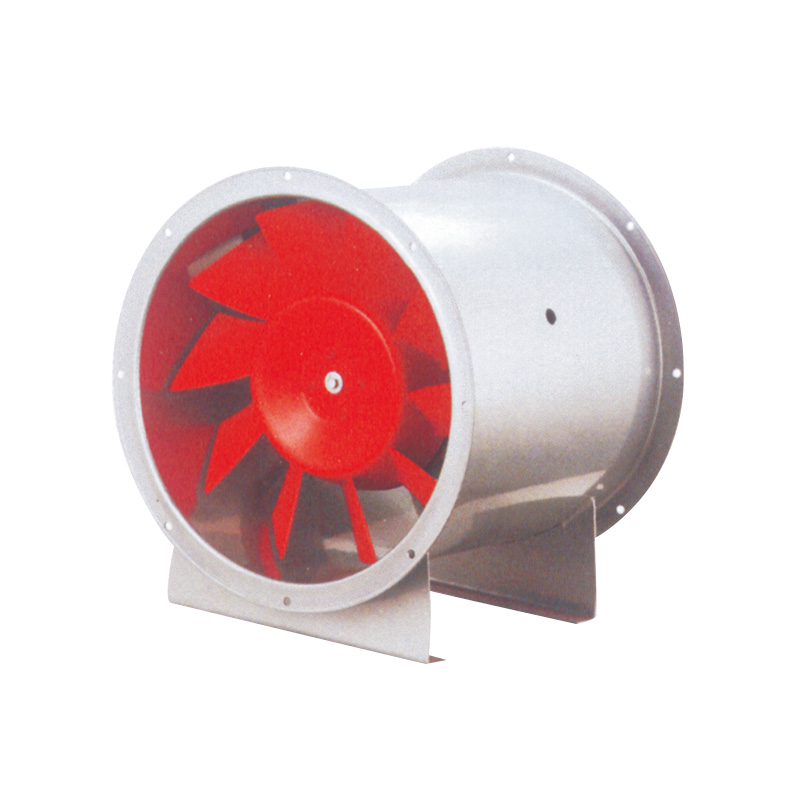
Model: YG5-47
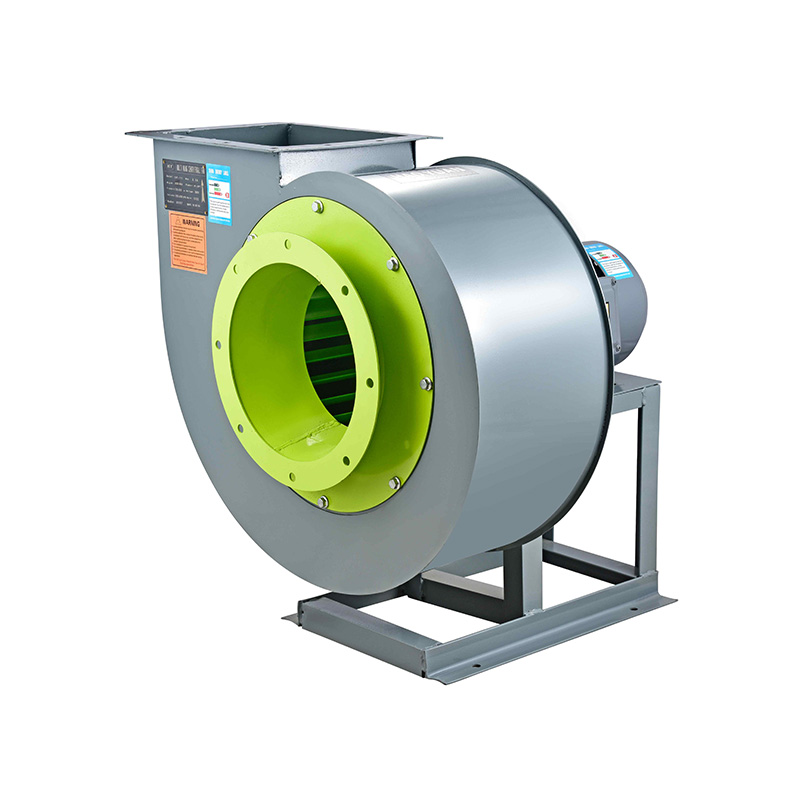
Model: WT35-11/FWT35-11

No. 12, Caoao Industrial Zone B, Daxi Town, Wenling City, Taizhou City, Zhejiang Province, China.
Email: [email protected]
Tel: +86-0576-8631 3688
Phone: +86-189-6859-2966
FAX: +86-0576-8631-3688
Copyright © Taizhou Haoba Electromechanical Co., Ltd. All Rights Reserved.

Industrial Centrifugal Fan Manufacturer