English
 русский
 عربى

 Inquiry

Industry News
Home / News / Industry News / How Can OEM Buyers Evaluate a Stainless Steel Axial Fan Manufacturer for Custom Industrial Projects?
2026-11-13
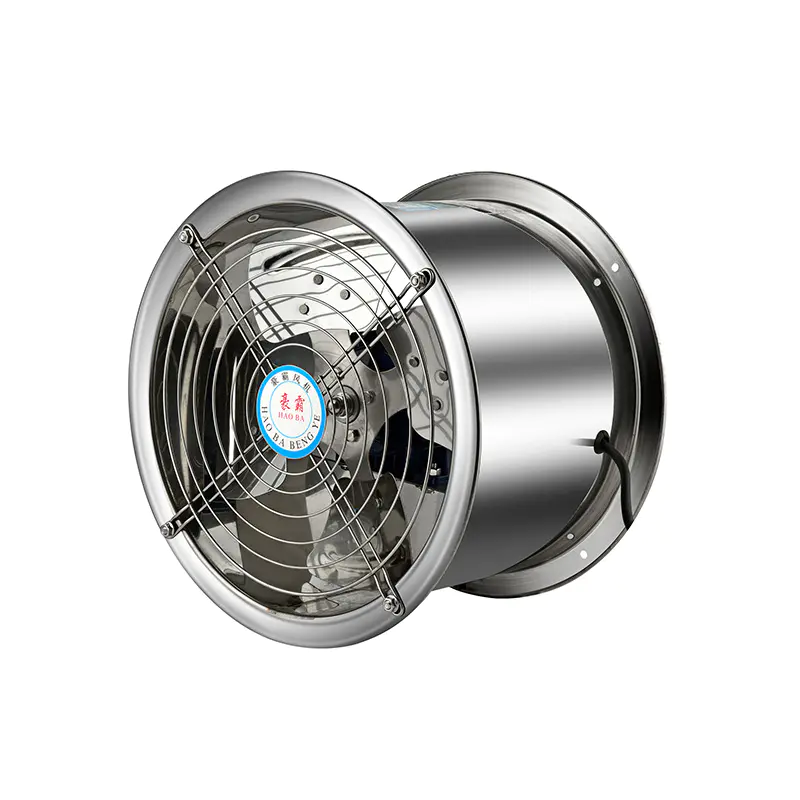
A stainless steel axial fan may look straightforward, but manufacturing one for an industrial project involves quite a few details. The housing and blades need to withstand the working environment, the motor must match the electrical supply, and the fan has to deliver the required airflow once installed.
This is particularly important for OEM orders. A standard catalogue model may not fit the required dimensions or operating conditions, so the manufacturer's ability to modify and test its designs matters as much as its production capacity.
Check the Stainless Steel Used in the Fan
Start with the material grade. 304 and 316 stainless steel are common choices, but they are not interchangeable.
304 is used in many general industrial environments. For installations exposed to salt, chlorides, or certain chemicals, 316 is often considered because its molybdenum content improves resistance to localized corrosion.
Also, don't judge the material by the fan housing alone. Blades, shafts, fasteners, brackets, and other exposed parts need attention. A stainless steel housing fitted with ordinary carbon steel hardware may still develop corrosion problems.
Ask for material certificates and confirm the actual grades used in the assembly. The choice should reflect the chemicals, humidity, temperature, and cleaning procedures at the installation site.
Look at the Actual Airflow Performance
A large airflow figure in a catalogue can be misleading. Axial fan airflow changes with system resistance, so the maximum free-air volume may be quite different from what the fan delivers after installation.
The fan curve is more useful because it shows the relationship between airflow and static pressure. Engineers can use it to check whether the fan will work with the planned ductwork, filters, louvers, and other restrictions.
The technical information should include:
Ask whether the figures come from actual testing or calculations. For an OEM project, measured performance data gives a more dependable basis for design decisions.
Find Out How Much Customization the Factory Can Handle
Custom orders often involve more than changing the fan diameter. Blade pitch, housing depth, mounting holes, motor position, and cable connections may all need adjustment.
Some manufacturers can modify an existing model with relatively little development work. Others may need new tooling or a redesigned impeller.
Before sampling begins, ask for engineering drawings or 3D models. Check the mounting dimensions and available installation space with your engineering team. It is much cheaper to catch a dimensional conflict on a drawing than after the first production sample has been made.
Also clarify tooling charges, sample costs, minimum quantities, and development lead times. These can differ considerably between suppliers.
Compare Manufacturers on More Than Price
Two quotations may describe fans with similar dimensions but very different specifications. The following details help make the comparison more meaningful.
| Evaluation area | Information to request |
|---|---|
| Materials | Stainless steel grades and material certificates |
| Airflow | Performance curves and test results |
| Motor | Voltage, frequency, power, and protection rating |
| Construction | Drawings, blade details, and mounting dimensions |
| Quality control | Inspection procedures and test records |
| Custom engineering | Prototype and design modification capabilities |
| Production | Capacity and delivery schedule |
Check that suppliers are quoting against the same requirements. Otherwise, the lower-priced option may simply have a smaller motor, different blade design, or lower material specification.
Pay Attention to Motor Selection
The motor needs to suit the fan's working hours and installation environment. For continuous operation, insulation class, thermal protection, enclosure design, and operating temperature all deserve attention.
An IP rating indicates protection against dust and water under specified test conditions. It does not mean the motor can withstand chemical corrosion or operate in an explosive atmosphere.
Electrical compatibility also needs to be settled early. Confirm supply voltage, frequency, starting method, and whether the motor can work with a variable-frequency drive.
For hazardous-area installations, the complete fan assembly must meet the relevant requirements. Using stainless steel parts does not make an ordinary fan suitable for an explosive environment.
Examine How the Factory Builds and Tests Its Fans
A poorly balanced impeller can cause vibration even when the fan is made from good materials. Over time, that vibration can put additional stress on bearings and mounting structures.
Welding quality is another point worth examining, particularly around the housing and blade assembly. Uneven welds, dimensional errors, and poor finishing can affect both mechanical reliability and appearance.
During a factory assessment, look at how the manufacturer handles:
For a custom OEM order, a pre-production sample should be checked against the approved drawings. The same specifications and inspection requirements should then apply to the production batch.
Don't Overlook Delivery and Replacement Parts
A supplier may have good engineering capabilities but struggle to meet delivery dates if key motors or stainless steel components are difficult to source.
Discuss production lead times, material availability, and monthly output before committing to an order. For repeat projects, consistency between batches is particularly important.
Replacement parts deserve the same attention. Ask whether motors, blades, and other service components can be supplied separately. Warranty coverage and technical support should also be clear, especially when the fans will be installed in equipment operating far from the factory.
Before Placing an OEM Order
A Stainless Steel Axial Fan manufacturer needs to demonstrate more than the ability to fabricate a metal housing. The fan must meet the required airflow and pressure conditions, use suitable materials, and fit the customer's electrical and mechanical arrangement.
For the first order, have the supplier provide material documents, performance curves, engineering drawings, and a sample for inspection. These records also give both sides a reference when the same fan is ordered again.

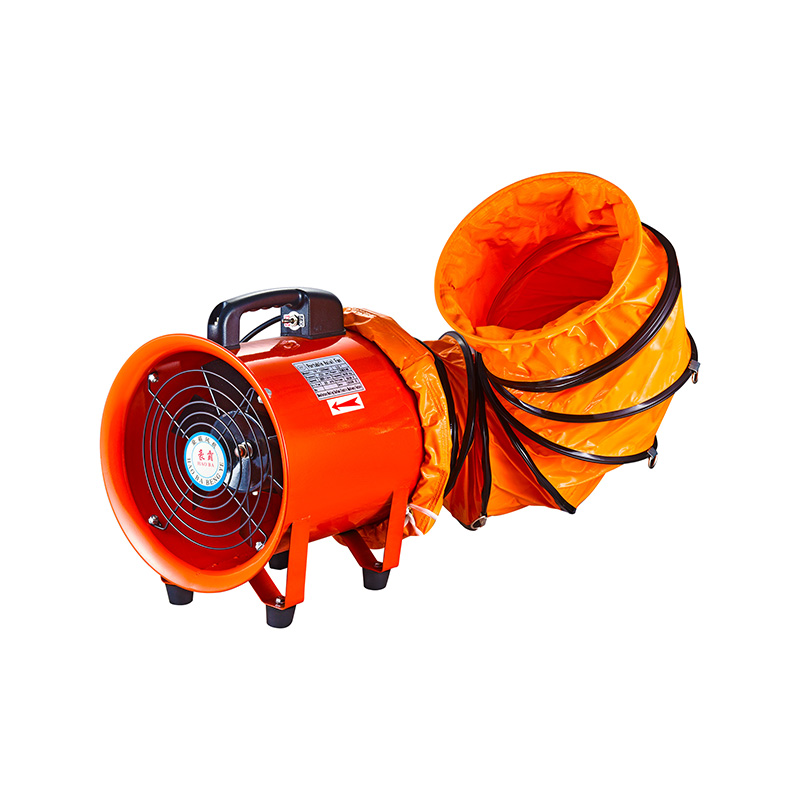
Model: SF
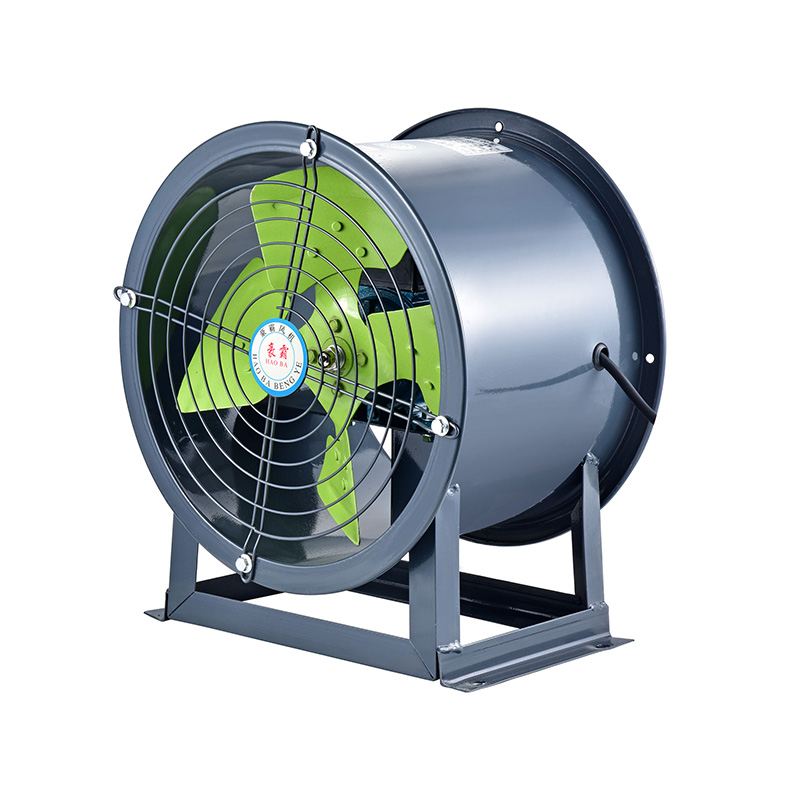
Model: SWF-I. II. III
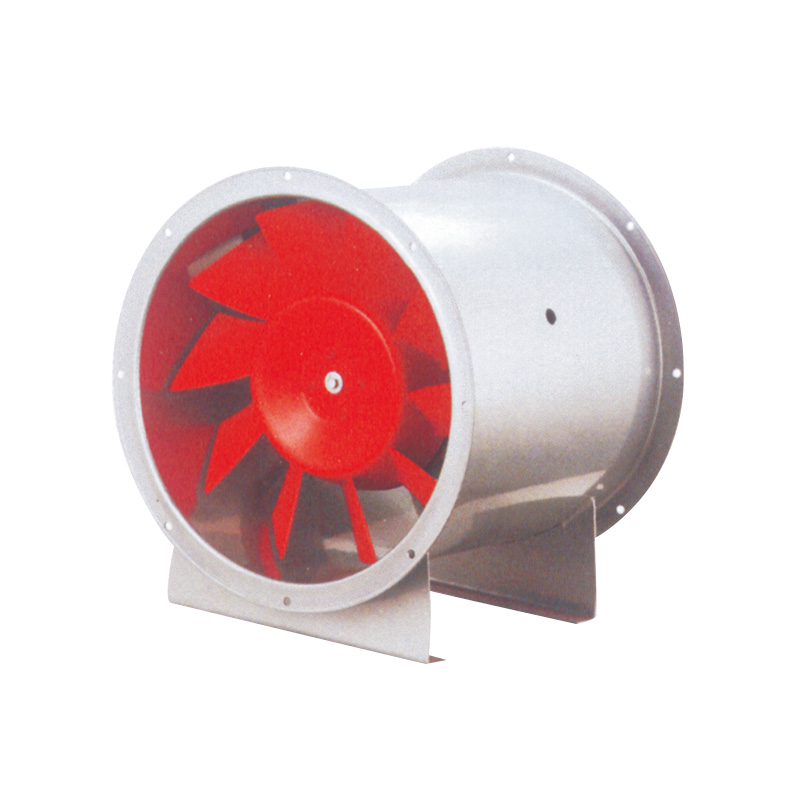
Model: YG5-47
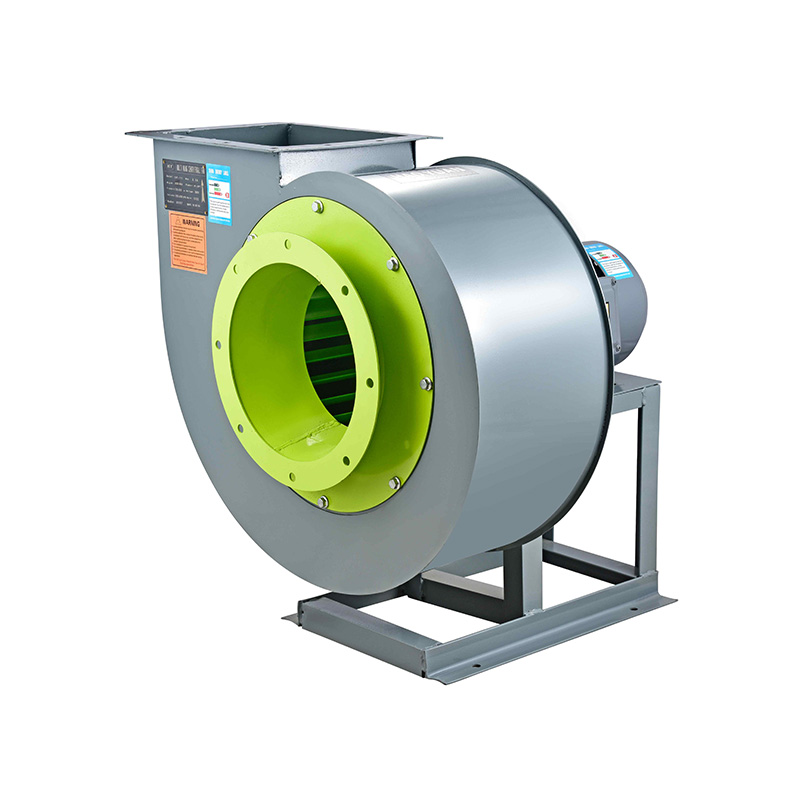
Model: WT35-11/FWT35-11

No. 12, Caoao Industrial Zone B, Daxi Town, Wenling City, Taizhou City, Zhejiang Province, China.
Email: [email protected]
Tel: +86-0576-8631 3688
Phone: +86-189-6859-2966
FAX: +86-0576-8631-3688
Copyright © Taizhou Haoba Electromechanical Co., Ltd. All Rights Reserved.

Industrial Centrifugal Fan Manufacturer