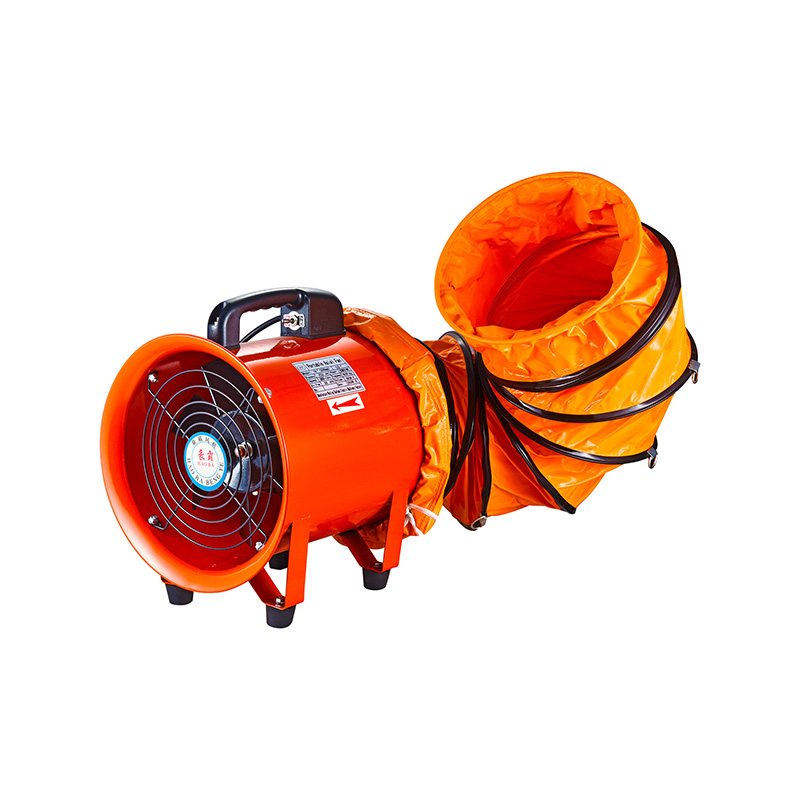
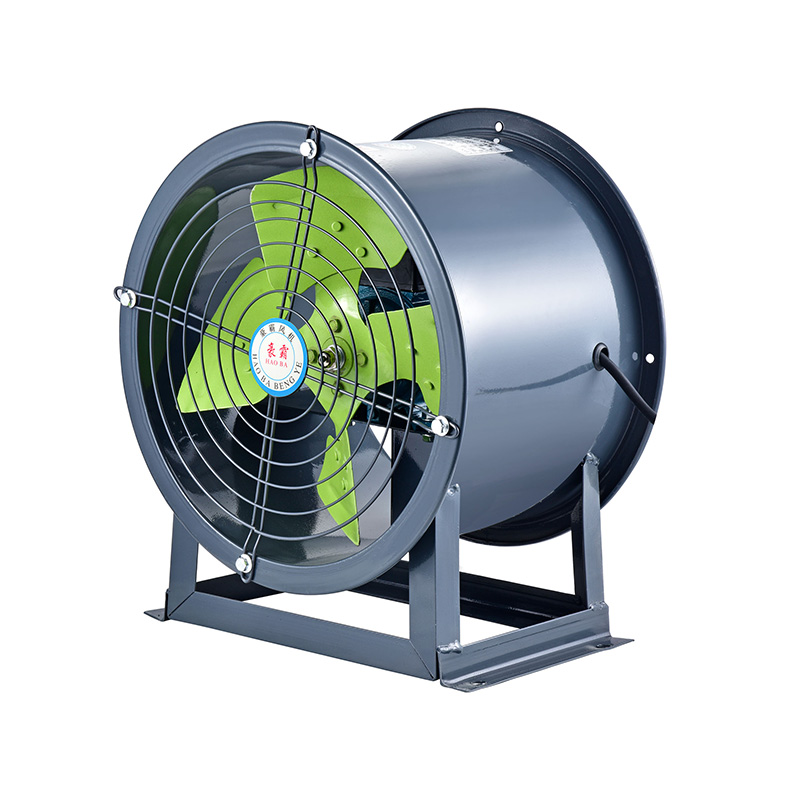
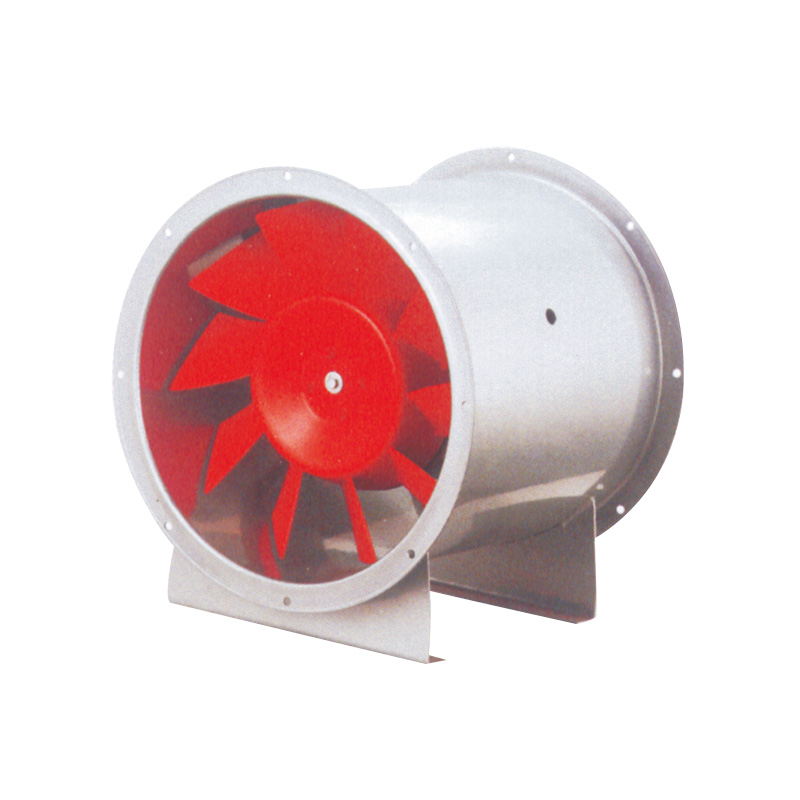
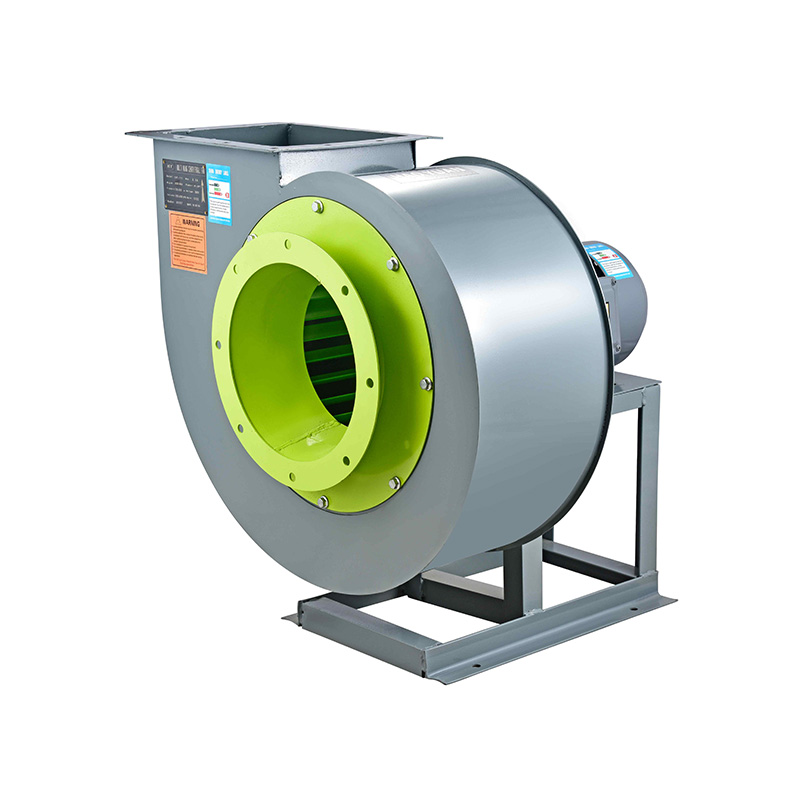
In applications from industrial ventilation to equipment cooling, many users consider an External Rotor Axial Fan when designing airflow systems. Choosing an experienced Axial Flow Fan Manufacturer is an important initial step, but real‑world usage raises a variety of questions about performance, reliability, maintenance, and compatibility with existing systems. Understanding these concerns can help improve system uptime and avoid common pitfalls.
1. Where and Why External Rotor Fans Are Used
Reddit and technical forums commonly note that external rotor axial fans are valued for certain advantages in compact and integrated designs:
Users highlight that these fans are widely used for ventilation and cooling in control panels, medical equipment, and light industrial applications due to their relatively compact structure and reliability.
Another discussion on similar fan motors explains that external rotor designs integrate the motor into the fan housing with the rotor on the outside, which often results in lighter weight, easier installation, and broader operating temperature ranges.
These characteristics make external rotor arrangements especially convenient for tight spaces and equipment where airflow paths must be compact without sacrificing performance.
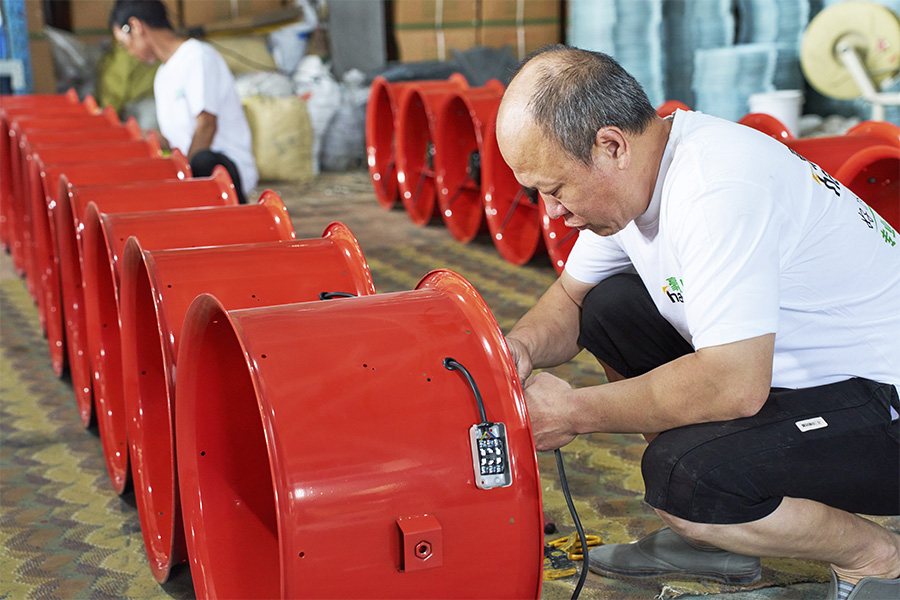
2. Performance Concerns and System Compatibility
One frequent theme in user queries—and echoed in market insights—is that performance in the field depends heavily on the overall system design:
External rotor fans may not perform as expected if they are integrated into existing setups without proper analysis of static pressure, ductwork resistance, or system effects. High resistance or complex piping can dramatically reduce airflow compared to open‑air conditions.
In retrofit scenarios, compatibility can become a concern: structures designed around older fan technologies may not support the physical dimensions or connection interfaces of newer external rotor models, requiring additional modifications.
Understanding how the fan interacts with the rest of the ventilation system—and adjusting system components accordingly—can help users achieve closer to design performance.
3. Common Operational Issues Reported by Users
Across forums relating to axial fans of all types, users frequently report a handful of recurring issues that impact day‑to‑day experience:
Reduced airflow after prolonged use: Dust and debris accumulating on blades leads to imbalance, lower output, and higher vibration. Regular cleaning is strongly recommended to maintain performance.
Bearing wear and mechanical stress: Bearings, which support the rotating assembly, often wear out over time in high‑load environments. When bearings fail, users notice increased noise and poorer airflow.
Installation effects: Improper mounting — such as a fan not level, or bolts not tightened securely — frequently leads to noise, vibration, and reduced lifespan.
Even though many of these observations come from general axial fan discussions, they reflect real concerns that apply equally to external rotor axial fan installations.
4. Maintenance Tips from Industry and User Communities
Both industry sources and hands‑on users emphasize how critical regular maintenance is for achieving reliable long‑term operation:
Routine inspection and cleaning: Dust and foreign objects build up around blades, increasing imbalance and energy consumption. Scheduling periodic cleaning checks keeps blades operating closer to design intent.
Bearing lubrication and replacement: Worn bearings not only increase vibration but can also damage the motor and reduce airflow. Replacing bearings at the early signs of wear can prevent more serious failures.
System checks and airflow measurement: Users in online communities advise using simple tools to measure actual airflow and confirm that the fan performs as expected within the system context — especially after installation changes or upgrades.
Proactive care not only extends the usable life of the fan but also ensures consistent system performance.
5. Balancing Expectations With Real‑World Usage
Online discussions reveal that users often expect high airflow based on product listings, but real installations frequently involve variables that alter performance:
Some users have reported airflow reversal or unexpected behavior in measurement tests, especially when system pressure conditions are extreme or improperly controlled.
Understanding aerodynamic effects like back‑pressure, system resistance, and blade interactions helps manage expectations and choose the right fan model for the application.
This underscores the importance of matching fan characteristics to the actual use case rather than relying solely on headline specifications.
Listening to Users Improves Outcomes
User discussions from Reddit and forums highlight a variety of topics that matter in real‑world applications of external rotor axial fans — from installation and maintenance to compatibility and performance expectations. Partnering with a knowledgeable Axial Flow Fan Manufacturer and paying attention to operational details helps ensure fans work reliably over their intended service life.
At Taizhou Haoba Electromechanical Co., Ltd., we not only supply quality external rotor and axial flow fans but also offer guidance on integrating them into your systems for dependable performance.


 English
 русский
 عربى
عربى
 Inquiry