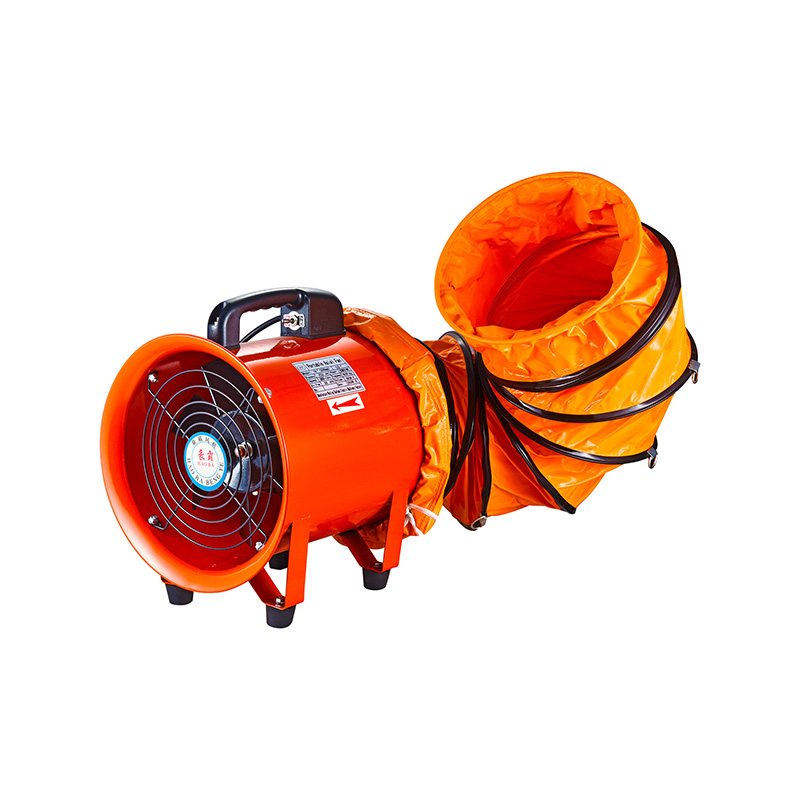
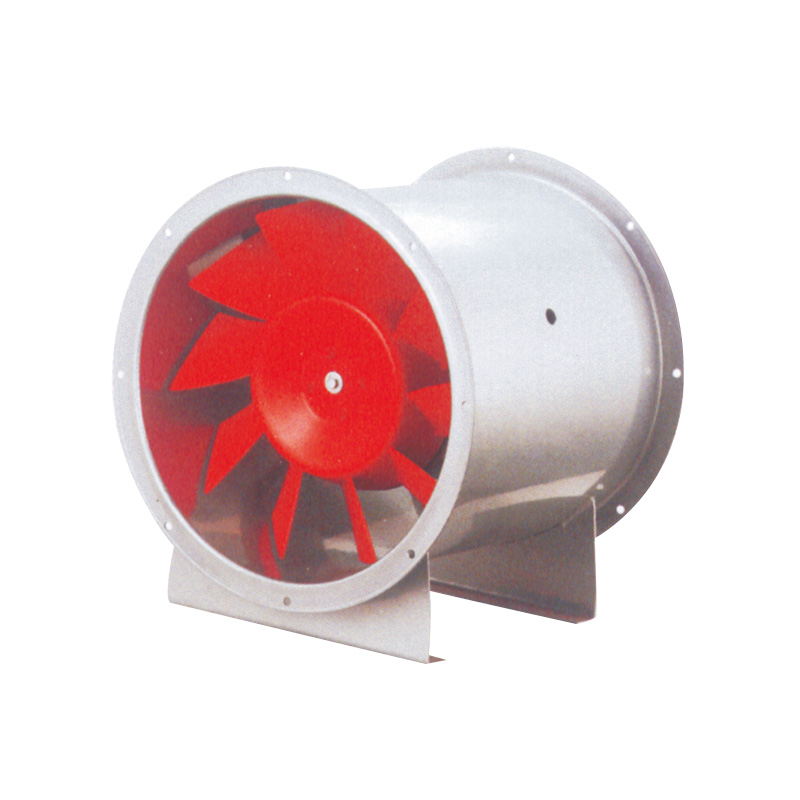
Air movement matters a lot more than people usually give it credit for. A comfortable environment often comes down to how well fresh air gets in and stale, warm air gets out. Across factories, workshops, warehouses, commercial buildings, and plenty of other spaces, ventilation fans are what actually make that airflow happen.
Different fan types get designed with different situations in mind. A Wall Mounted Axial Flow Fan is a pretty common choice, mostly because it installs directly onto a wall and works well for air circulation across a variety of spaces. That said, other ventilation fans might suit certain buildings or airflow needs better, depending on the layout. Understanding what actually separates these fan types helps people pick something that matches their real needs, rather than just going with whatever looks good or costs less.
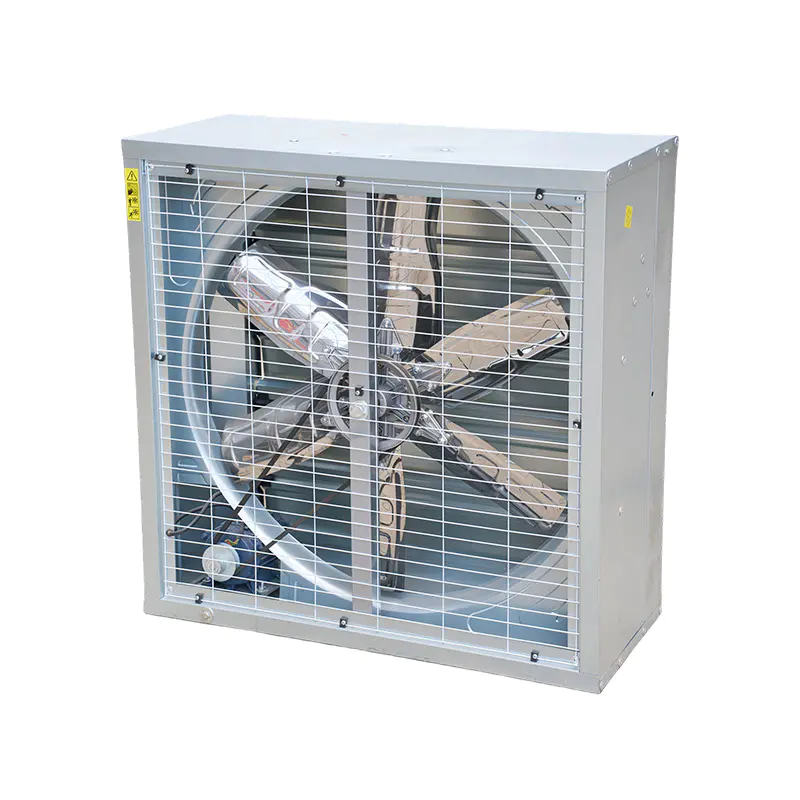
What Exactly Is a Wall Mounted Axial Flow Fan?
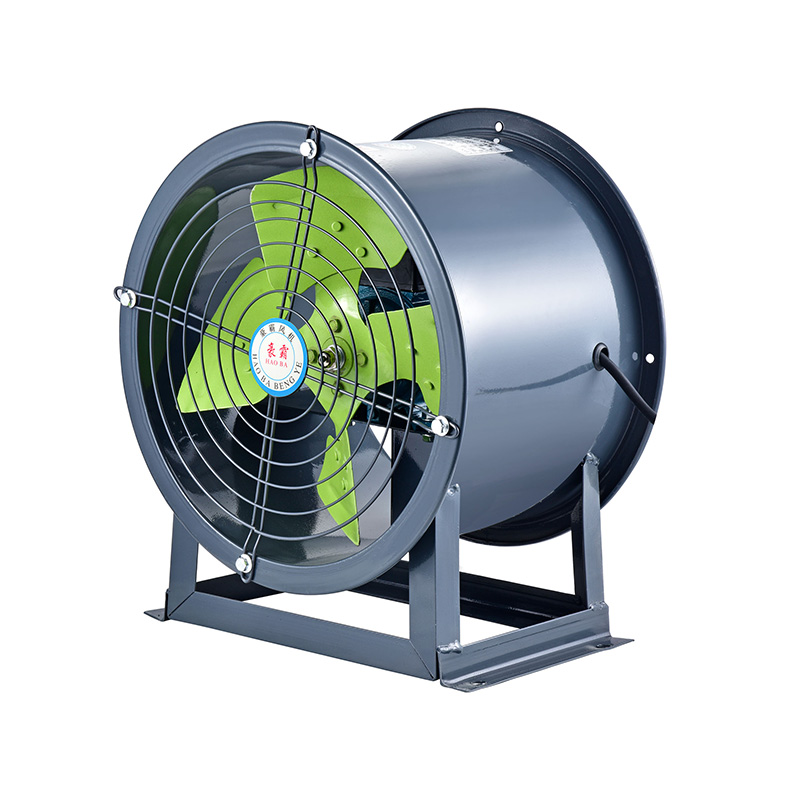
A Wall Mounted Axial Flow Fan is essentially a ventilation device fixed to a wall, moving air through whatever space it's installed in. Its design pushes air along the same direction as the fan shaft, which is why it tends to get used in areas that need fairly direct air movement and steady ventilation exchange.
Common applications include:
| Application Area |
Purpose |
| Workshops |
Improve air circulation |
| Warehouses |
Support indoor airflow |
| Commercial spaces |
Help maintain ventilation |
| Agricultural buildings |
Assist air exchange |
Wall-mounted installation works especially well in spaces where floor space is already tight. Rather than taking up ground area, the fan makes use of wall space instead — which tends to give a room's layout a bit more breathing room, so to speak.
How Does It Differ From Other Ventilation Fans?
Ventilation fans come in different designs simply because airflow needs vary so much from one location to the next. Some fans are built to move large volumes of air through open areas. Others are meant for more specific airflow paths or particular environments.
A Wall Mounted Axial Flow Fan is generally tied to direct air circulation, while other fan types tend to serve different purposes altogether.
| Fan Type |
Common Feature |
| Wall Mounted Axial Flow Fan |
Installed on walls for direct airflow movement |
| Ceiling fan systems |
Mounted overhead for broader air circulation |
| Exhaust fans |
Built mainly for removing indoor air |
| Centrifugal fans |
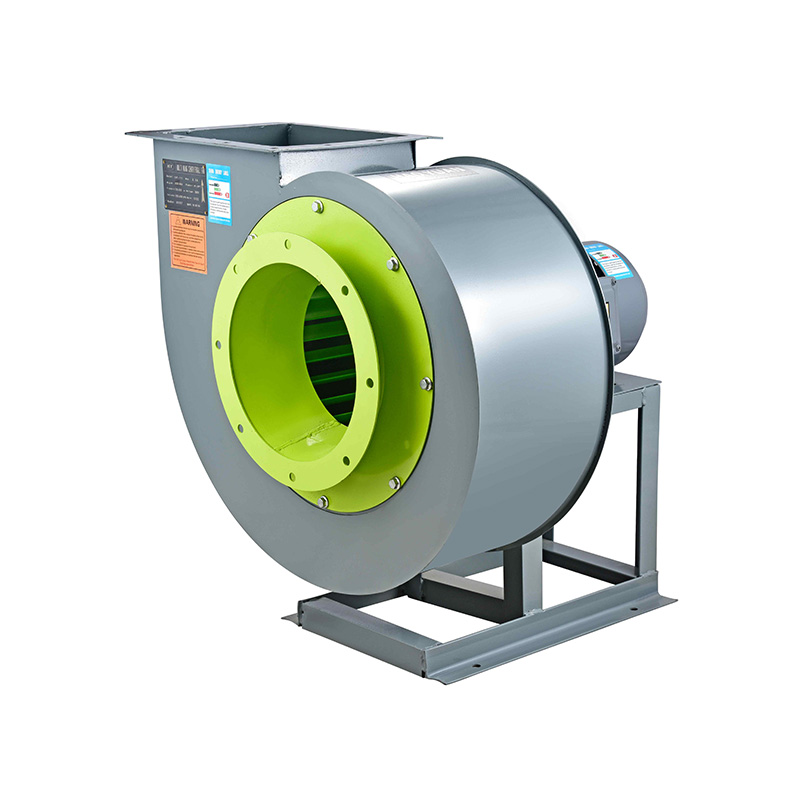
Used when air needs to move through more complex paths |
Which one actually makes sense depends heavily on the building layout and what the ventilation is meant to accomplish. A fan that works great in an open workshop might not be the right call for a space that needs more controlled airflow.
Why Do So Many Spaces Go With Wall-Mounted Installation?
Where a fan gets installed really does affect how well the whole ventilation system performs. Wall-mounted fans tend to be popular precisely because they use vertical space instead of eating into floor area — which matters a lot in places where equipment, storage, or workstations already take up most of the ground.
Benefits of wall installation tend to include:
- Preserving usable floor space
- Creating a fairly direct airflow path
- Allowing flexible placement around the room
- Fitting more easily into an existing layout
Space management is a real concern for a lot of facilities, and a ventilation setup shouldn't end up creating obstacles for workers or equipment moving around. Wall-mounted fans give facilities another way to maintain airflow without getting in the way of daily operations.
How Airflow Direction Shapes the Right Fan Choice
Airflow direction ends up being one of the more important factors when comparing fan types. Different spaces call for different airflow patterns — some need air pushed across a room, others need it pulled out from a specific spot altogether.
A Wall Mounted Axial Flow Fan tends to get used when direct air movement is the priority. In a workshop, for instance, that kind of circulation can help cut down on spots where heat or stale air tends to build up. In a storage space, it can help keep the overall indoor environment more comfortable.
The fan really needs to match how air actually needs to move through that specific space. Picking based purely on size or looks usually doesn't get the expected result.
Practical Advantages of Wall Mounted Axial Flow Fans
A lot of people land on Wall Mounted Axial Flow Fans because they offer a fairly straightforward way to handle ventilation. The design suits spaces that need regular, consistent air circulation.
Common advantages include:
| Advantage |
Description |
| Space efficiency |
Uses wall areas instead of floor space |
| Simple placement |
Installs wherever airflow is needed |
| Direct ventilation |
Moves air through open areas |
| Flexible application |
Works across different environments |
These traits make them useful in a lot of everyday ventilation situations. That said, picking the right fan still comes down to understanding the space itself — good ventilation really depends on matching the equipment to the actual conditions on the ground.
Ceiling Fans vs. Wall Mounted Axial Flow Fans
Ceiling systems and wall-mounted fans both improve airflow, just through different mechanisms. Ceiling fans sit above the occupied area, shaping airflow from a higher vantage point. Wall Mounted Axial Flow Fans work from the side of the room instead, which tends to create a more direct airflow path.
The right pick often comes down to:
- Room structure
- Available installation areas
- What kind of air movement is actually needed
- What activities happen inside the space day to day
A ceiling installation tends to work well where there's open overhead space to take advantage of. A wall-mounted fan often makes more sense where ceiling access is limited, or where side-directed airflow just fits the space better. Both approaches have their place, depending on the situation.
Exhaust Fans vs. Wall Mounted Axial Flow Fans
Exhaust fans and Wall Mounted Axial Flow Fans get compared fairly often since both handle ventilation — but their actual purpose differs quite a bit. Exhaust fans are typically there to remove unwanted air from a space, whether that's warm air, odors, or just indoor air that needs replacing.
Wall Mounted Axial Flow Fans can support ventilation too, but they're usually chosen for moving air through a space rather than pulling air out specifically.
| Fan Type |
Common Use |
| Exhaust fan |
Removing indoor air |
| Wall Mounted Axial Flow Fan |
Supporting airflow circulation |
In plenty of buildings, both types end up working together — one system removing unwanted air, another helping distribute fresh air throughout. Which combination makes sense really depends on what the space actually requires.
What to Think About When Comparing Ventilation Fans
Choosing a ventilation fan really means looking at the whole environment first — the fan should fit the space, not the other way around. Worth considering:
- Room structure
- Where installation is actually possible
- What kind of air movement is needed
- Working conditions in the space
- Maintenance preferences going forward
A warehouse with wide open areas is going to have different needs than a small enclosed room. A manufacturing space might focus mostly on airflow management, while a commercial space might weigh comfort and appearance more heavily too. Understanding the actual purpose behind the ventilation makes the whole selection process a lot easier.
How Businesses Can Land on the Right Ventilation Solution
A practical approach usually starts with defining the problem clearly. Before picking a fan, it helps to ask:
- Where exactly is airflow needed?
- What kind of space will the fan actually serve?
- Is the main goal circulation, or removing air altogether?
- How does the fan need to fit into the existing layout?
These questions tend to narrow things down pretty quickly. A Wall Mounted Axial Flow Fan can work well for spaces that need direct airflow along with a space-saving installation. Other fan types might suit situations with different airflow patterns or installation constraints better.
The right ventilation equipment really comes down to how the space operates, how air needs to move through it, and how well the system fits into everyday use. Understanding these differences helps businesses put together a ventilation setup that actually suits their environment, rather than just picking whatever seems most familiar.


 English
 русский
 عربى
عربى
 Inquiry