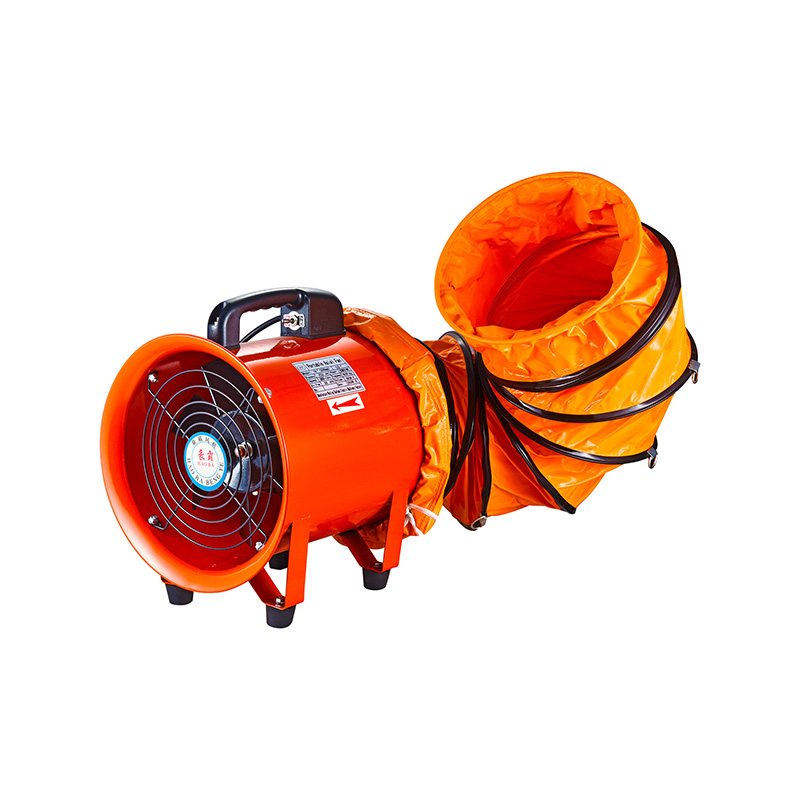
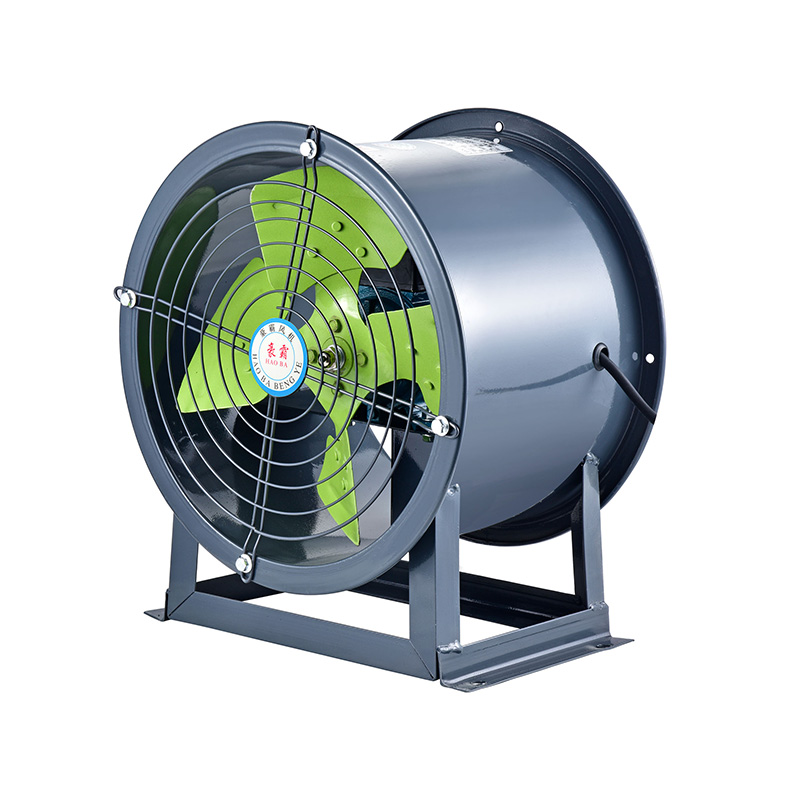
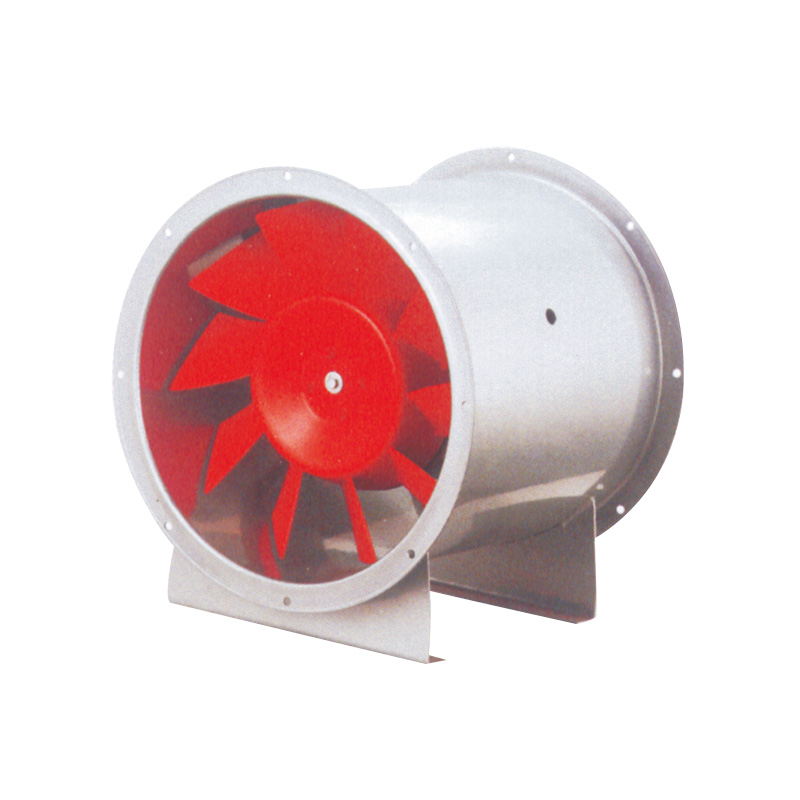
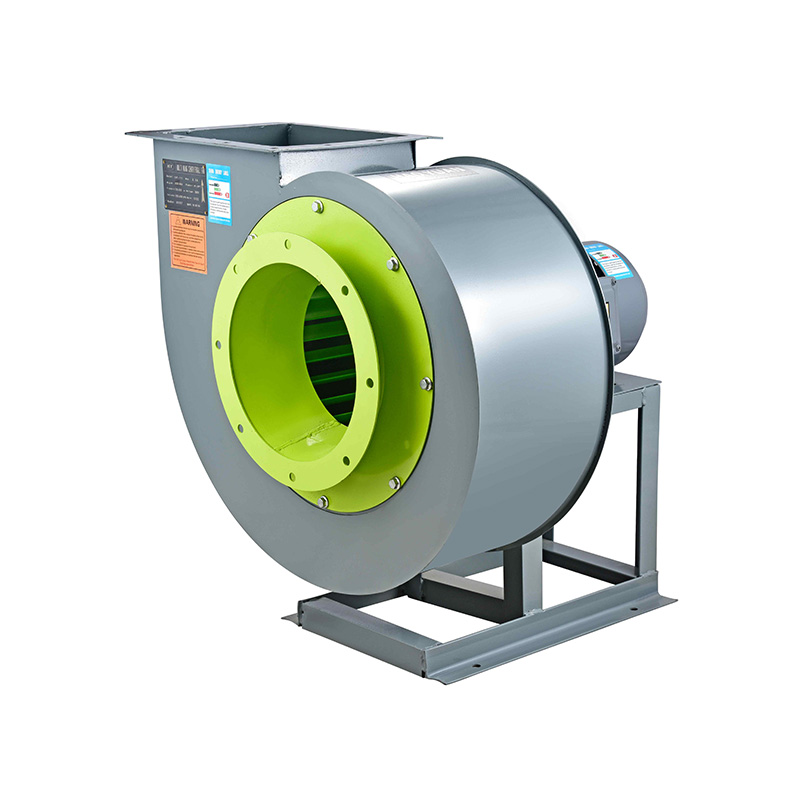
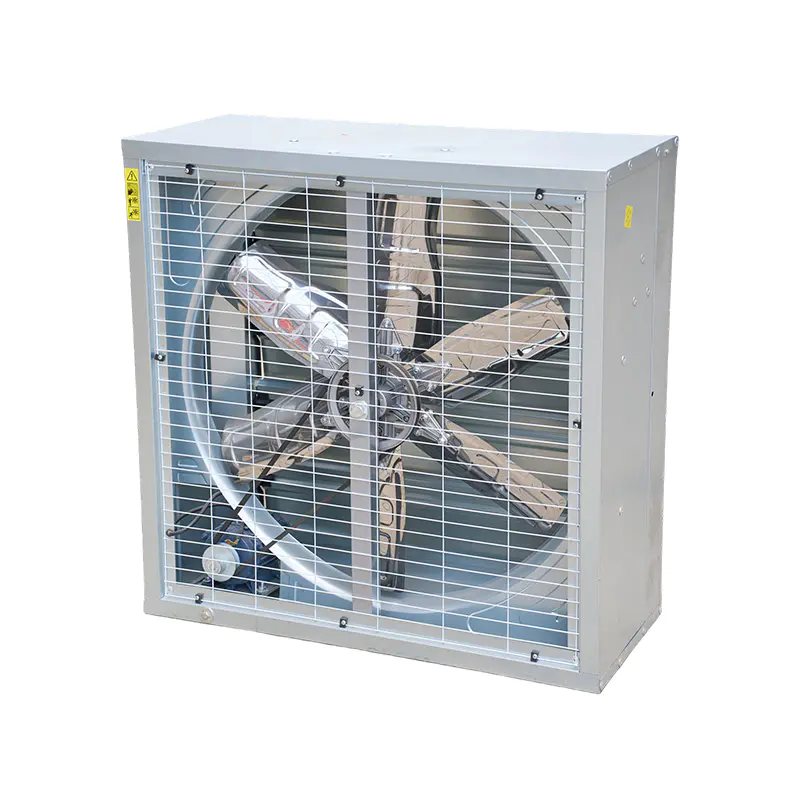
Grease hanging heavy over the cooking line. Staff wiping sweat mid-shift because the kitchen just never cools down properly. That faint burnt-oil smell drifting into the dining room no matter how often someone scrubs the hood. Sound familiar? If so, you're not dealing with a cleaning problem so much as an airflow one, and a Wall Mounted Axial Flow Fan is often exactly the piece that's missing. Commercial kitchens and busy canteens throw off heat, moisture, and grease-heavy air pretty much nonstop through service hours. Without a genuinely effective exhaust strategy, that air just piles up. It settles into surfaces, lingers where guests are trying to eat, and makes working conditions noticeably worse for staff standing over hot equipment for hours at a stretch.
Why Do Kitchens and Canteens Even Need Dedicated Exhaust Systems?
Cooking doesn't just produce smoke and steam, it throws airborne grease particles into the air too, along with rising heat and a lot of excess humidity. Left unmanaged, all of that degrades air quality fast. A canteen running meal service continuously throughout the day makes this worse still, since the kitchen rarely gets a real break to clear itself out on its own.
There's a maintenance angle worth mentioning too. Poor air exchange lets grease settle onto walls, ceilings, equipment, everywhere really, which piles onto cleaning demands and, left long enough, can turn into a genuine fire risk once grease builds up somewhere nobody's cleaning regularly.
So How Does an Axial Flow Fan Actually Work?
Put simply, an axial flow fan pushes air straight along the axis of the blade's rotation, rather than redirecting it at an angle like some other fan designs do. That straight-through path makes axial fans pretty efficient at moving large volumes of air quickly, which happens to be exactly what a busy kitchen needs.
This design tends to suit situations calling for continuous exchange rather than short bursts of ventilation, since that straight airflow handles sustained operation reliably without piling unnecessary complexity onto the mechanism itself.
Why Does Wall Mounting Fit Kitchen Spaces So Well?
Kitchens and canteens usually deal with tight wall space and layouts that weren't exactly planned around ventilation equipment from day one. That's where a Wall Mounted Axial Flow Fan offers a real practical edge over bulkier alternatives.
- Space efficiency, since mounting on the wall skips eating into floor or ceiling space that's usually already crowded
- Direct exhaust pathways, positioned close to wherever heat and grease-laden air actually pool
- Simpler installation than ducted systems that demand more structural work
- Flexible placement, letting you position the unit exactly where airflow needs concentrate within the layout
For plenty of commercial kitchen and canteen setups, this configuration solves the exhaust headache without requiring a full renovation, which matters a lot for operations that can't afford to shut down for weeks.
Does Noise Level Actually Matter Here?
More than people expect, honestly, particularly in canteens or kitchens sitting close to dining areas, where constant fan drone becomes a genuine comfort issue rather than just background noise nobody notices.
A low noise axial flow fan tackles this directly, using design tweaks that cut operational sound without giving up the airflow volume a kitchen actually needs. In spaces where staff and diners share close quarters, quieter operation adds up to real comfort, both for kitchen staff pulling long shifts and for guests just trying to enjoy a meal without a mechanical hum competing with conversation.
What Types of Axial Flow Fans Suit Different Kitchen Setups?
Not every kitchen or canteen layout calls for the same fan configuration, and knowing the range helps buyers actually match equipment to their specific space rather than guessing.
| Fan Type |
Best Suited Environment |
Key Advantage |
| Wall Mounted Axial Flow Fan |
Standard kitchen and canteen spaces with limited installation area |
Space-efficient, straightforward installation |
| Low noise axial flow fan |
Kitchens near dining areas or noise-sensitive settings |
Reduced operational sound without sacrificing airflow |
| Bifurcated axial flow fan |
Specialized ventilation environments requiring continuous operation |
Suited to demanding, sustained-use applications |
Looking at these side by side makes it pretty clear that fan choice comes down to layout, noise tolerance, and how the kitchen actually operates day to day, rather than assuming one fan type covers every situation equally.
How Should Buyers Figure Out Airflow Requirements Before Buying?
Rather than guessing at capacity, working through a few practical points helps match equipment to what a kitchen actually needs.
- Look at the size of the space needing ventilation, since bigger kitchens generally need more airflow capacity to keep air exchanging properly throughout
- Think about how intense the cooking actually is, since heavy frying or grilling throws off far more grease-laden air than lighter prep work
- Factor in whatever ventilation already exists, since some kitchens have partial systems that a Wall Mounted Axial Flow Fan might supplement rather than fully replace
- Weigh noise tolerance against how close the kitchen sits to dining or office space, which determines whether a low noise variant becomes practically necessary rather than optional
Working through these points before buying tends to prevent the common mistake of installing something technically functional but poorly matched to what a specific kitchen actually demands.
What Installation Details Are Easy to Overlook?
Even a well-chosen fan won't hit its potential if installation details slip through the cracks. A handful of things matter quite a bit during setup.
- Positioning near the main source of heat and grease, usually right above or beside cooking equipment, to maximize exhaust effectiveness
- Making sure enough makeup air enters the space to replace what's being pulled out, since exhausting air without letting fresh air in creates pressure imbalances that quietly undercut the whole system's efficiency
- Confirming electrical specs match the fan before installation day, avoiding compatibility headaches that delay everything
- Planning for accessible maintenance points, since kitchen fans need periodic cleaning to clear grease off blades and housing
Sorting these out during planning, rather than discovering a problem after the fact, tends to produce a system that just works from day one.
How Does Maintenance Affect How Long Equipment Actually Lasts?
Kitchen exhaust gear works in one of the roughest environments a fan can face. Constant grease, heat, and moisture all speed up wear compared to typical indoor ventilation use.
Regular blade and housing cleaning keeps grease buildup from choking airflow efficiency over time, while checking electrical components and bearings periodically catches problems before they turn into a fan dying mid-service on a Friday night rush. Kitchens that build maintenance into their regular routine tend to squeeze considerably more service life out of their ventilation equipment than those that only think about it once something's already gone wrong.
What Should You Actually Ask a Manufacturer Before Ordering?
For restaurant groups, institutional canteens, or kitchen engineering contractors sourcing equipment at scale, a few direct questions clarify whether a given supplier can actually deliver on a real project's needs.
- Can they keep build quality consistent across a bulk order, not just in whatever sample they sent for testing
- What customization options exist for specific mounting setups or airflow requirements
- Does the supplier actually help match fan specs to your kitchen layout and cooking intensity, or just sell off a spec sheet
- What's the realistic turnaround for both standard product lines and anything custom
Asking these directly, before committing to a larger order, tends to head off the mismatched expectations that show up once equipment finally arrives and gets installed across multiple locations.
Solving kitchen and canteen ventilation problems really comes down to matching fan configuration, mounting style, and noise characteristics to whatever a specific space actually demands, rather than assuming any generic exhaust fan will do the job. A Wall Mounted Axial Flow Fan handles the space-saving challenge that so many commercial kitchens run into, while low noise variants address comfort in settings where kitchen and dining sit close together. Whatever the priority, straightforward space-saving installation, quieter operation near guests, or continuous-duty performance for particularly demanding cooking environments, working through actual airflow needs, noise tolerance, and installation constraints before buying tends to produce a ventilation setup that genuinely improves working conditions, rather than equipment that technically runs but never really fixes the underlying air quality problem. Taizhou Haoba Electromechanical Co., Ltd. works with restaurant operators, kitchen engineering contractors, and institutional canteen managers to match axial flow fan specifications to specific kitchen ventilation needs, and welcomes inquiries about product options, customization, and bulk sourcing for commercial kitchen projects.


 English
 русский
 عربى
عربى
 Inquiry