Electricity bills climbing quarter after quarter despite no real change in production volume, a ventilation system that runs constantly yet still leaves certain zones stuffy and underserved, maintenance teams replacing worn fan components more often than the schedule ever anticipated, facility managers digging into this kind of pattern usually end up learning about the Axial Flow Fan Working Principle before they get anywhere near a purchasing decision. Energy waste in ventilation rarely announces itself clearly. It shows up gradually, buried inside a utility bill that keeps drifting upward without an obvious cause. For HVAC engineers, facility managers, building services designers, and industrial procurement teams evaluating ventilation upgrades, understanding why traditional systems waste energy, and how a properly matched fan actually addresses that waste, changes how an upgrade project gets planned from the ground up.
Why Do Traditional Ventilation Systems Waste So Much Energy?
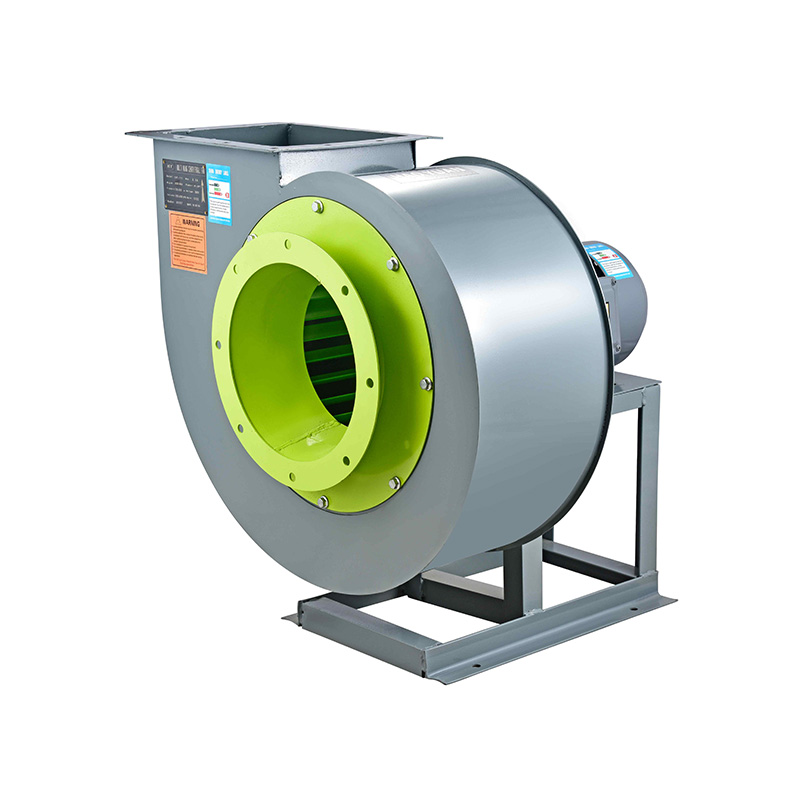
Older or poorly matched ventilation setups tend to fight against airflow resistance rather than working with it. Ductwork that was sized for a different load, filters that add unnecessary back pressure, or fans running at a fixed speed regardless of actual demand all contribute to a system pulling more power than the airflow requirement actually justifies. None of these issues look dramatic on their own, but stacked together, they turn what should be an efficient air handling process into a constant energy drain.
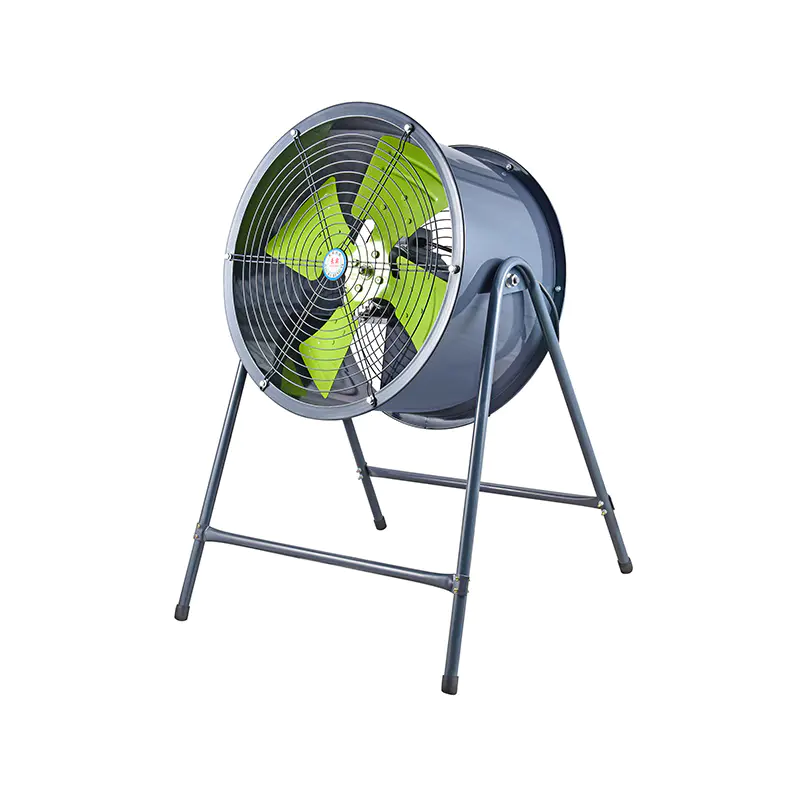
Oversized fans running below their efficient operating range waste power just as much as undersized ones straining to meet demand they were never designed for. Matching fan capacity to actual airflow need, rather than defaulting to whatever was installed originally or oversizing out of caution, addresses a meaningful share of that waste before any other optimization even comes into play.
What Actually Happens Inside an Axial Flow Fan?
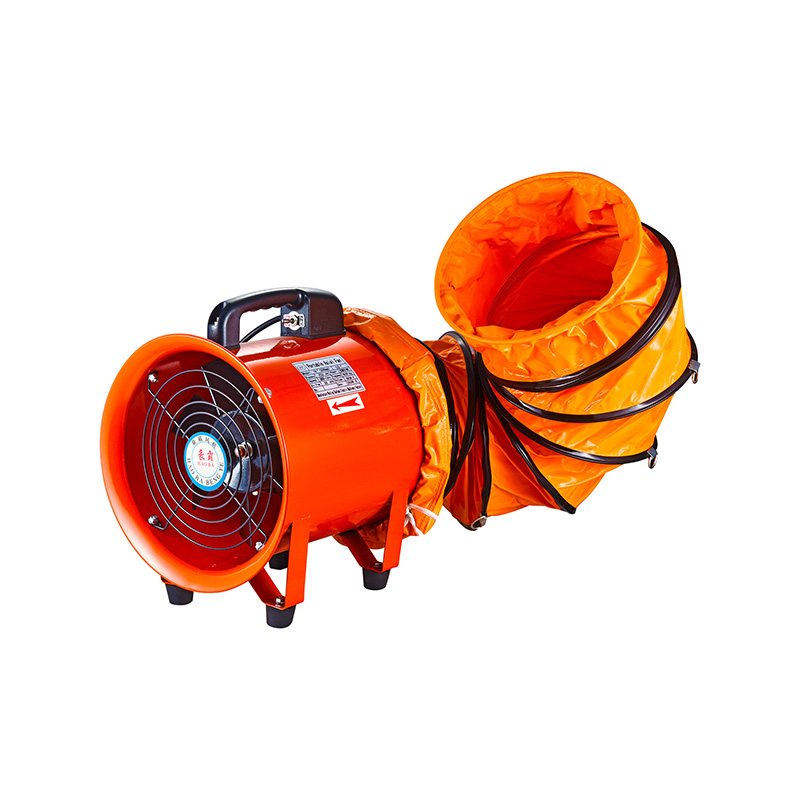
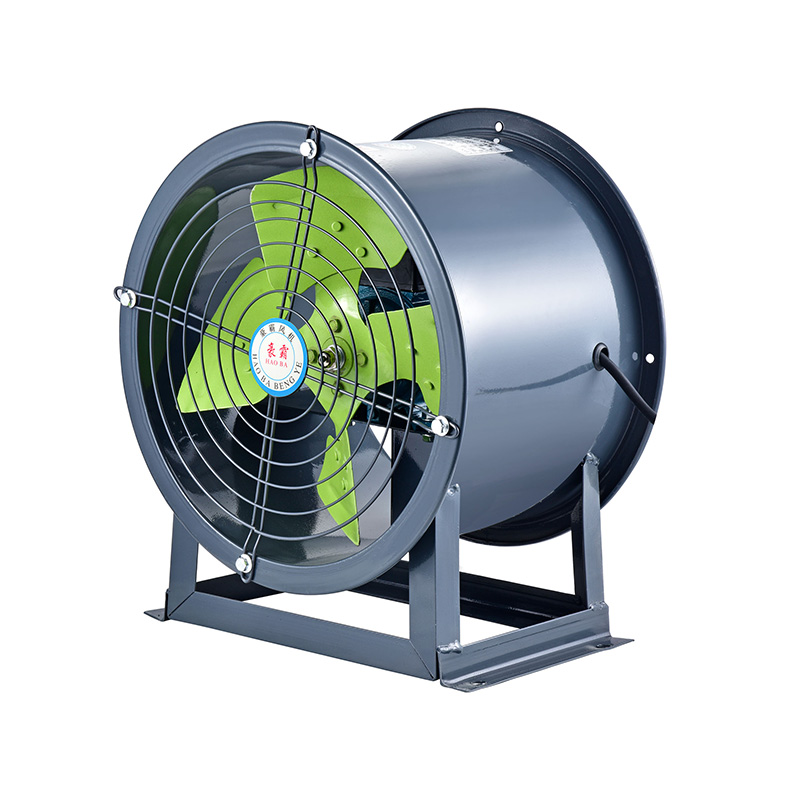
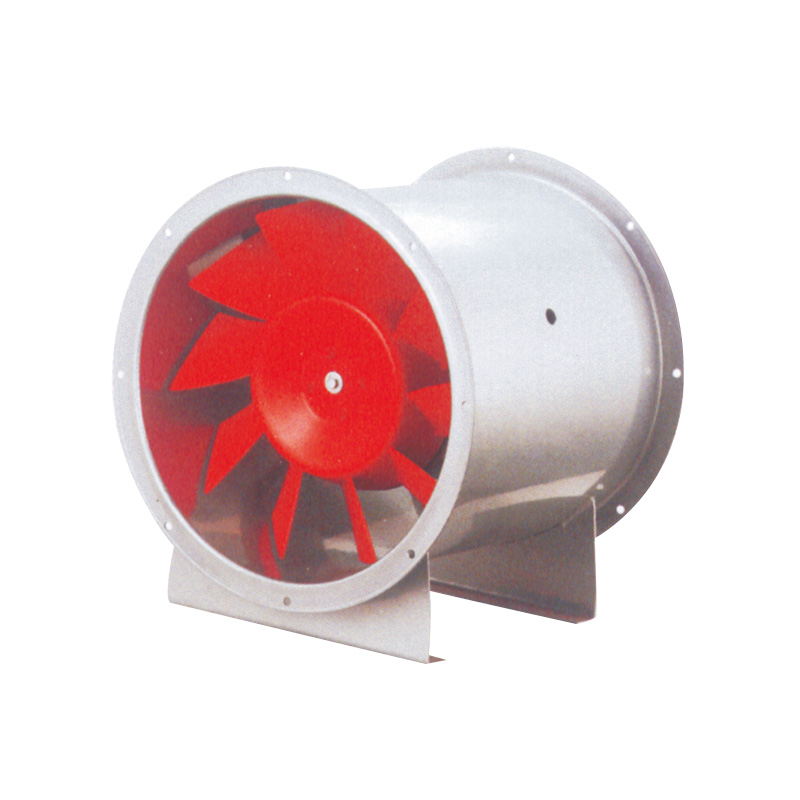
Air moves through this fan type parallel to the shaft, pushed forward by angled blades spinning within a cylindrical housing, similar in basic concept to how a ceiling fan or a household exhaust fan moves air, just scaled and engineered for industrial or commercial demand. The blade angle and rotational speed determine how much air moves through the housing and at what pressure, which is the core mechanism behind why this fan type handles moderate resistance airflow so efficiently compared to designs built around different pressure and volume tradeoffs.
Understanding that mechanism matters because it explains why swapping to a properly specified axial fan often reduces energy consumption without sacrificing airflow volume. The fan moves air more directly and with less wasted rotational energy when its blade design and speed match the actual duct resistance it faces, rather than fighting against a mismatch that forces the motor to work harder than necessary.
How Does Matching Fan Type to Application Reduce Energy Use?
Not every ventilation zone faces the same acoustic, mounting, or airflow requirements, and treating them all with an identical fan solution tends to waste energy in at least some portion of a facility.
Low Noise Axial Flow Fan units suit office buildings, hospitals, and schools where sound sensitivity limits how aggressively airflow can be pushed without disturbing occupants. Wall Mounted Axial Flow Fan configurations work well in warehouses and factories needing straightforward installation without extensive ductwork modification. Bifurcated Axial Flow Fan designs handle higher temperature or smoke extraction scenarios, keeping the motor isolated from the airstream itself for safety and durability in demanding industrial conditions.
Selecting the configuration suited to each specific zone, rather than installing one generic fan type across an entire facility, tends to reduce both energy waste and premature component failure tied to running equipment outside its intended operating conditions.
Does Fan Placement Affect Energy Efficiency as Much as Fan Type?
It does, and this gets overlooked more often than the fan specification itself. A fan positioned poorly relative to airflow paths forces air through unnecessary turns or against resistance points that a better placed unit would avoid entirely. Even a well specified axial fan loses much of its efficiency advantage if ductwork routing or mounting position works against natural airflow rather than with it.
Comparing Fan Configurations for Different Facility Needs
| Fan Configuration |
Noise Level |
Typical Setting |
Energy Efficiency Consideration |
| Standard Axial Flow Fan |
Moderate |
General industrial ventilation |
Efficient for moderate-resistance airflow paths |
| Low Noise Axial Flow Fan |
Reduced |
Offices, hospitals, and schools |
Slightly lower airflow output in exchange for quieter operation |
| Wall Mounted Axial Flow Fan |
Moderate |
Warehouses and factory floors |
Simplified installation reduces additional ductwork resistance |
| Bifurcated Axial Flow Fan |
Moderate |
High-temperature and smoke extraction applications |
Motor isolation improves reliability under harsh operating conditions |
Reviewing this comparison highlights how energy efficiency depends on more than raw fan capability, since matching noise tolerance, mounting method, and environmental conditions to the actual application avoids running equipment in a configuration that wastes power compensating for a poor fit.
Steps for Auditing an Existing Ventilation System
Facility teams looking to reduce ventilation energy costs benefit from a structured audit before committing to equipment changes.
- Measure actual airflow demand across each zone, comparing it against the current fan capacity installed in that area.
- Inspect ductwork for excessive bends, restrictions, or leaks that force fans to work harder than the base airflow requirement demands.
- Check whether fan speed control exists, since fixed speed operation in a variable demand zone tends to waste energy during lower demand periods.
- Evaluate noise requirements for each zone, identifying where a low noise configuration might be necessary versus where standard units remain appropriate.
- Review maintenance records for premature component wear, which can signal a fan operating outside its intended efficiency range.
Skipping this kind of audit and simply replacing old fans with newer units of the same specification tends to preserve the same inefficiencies the facility was already dealing with, just with fresh equipment running the same mismatched configuration.
Can Retrofitting Existing Systems Actually Deliver Meaningful Savings?
Frequently, yes, particularly in facilities where the original fan selection never matched actual operating conditions in the first place. Swapping a poorly matched fan for one specified around measured airflow demand, appropriate noise tolerance, and correct mounting configuration often reduces energy consumption noticeably without requiring a full ventilation system overhaul.
The audit step matters here, since retrofitting without first understanding where the waste originates risks repeating the same mismatch with different equipment.
Bringing Efficiency Improvements Together
Reducing energy waste in ventilation rarely comes down to one dramatic equipment swap, it builds from understanding how air actually moves through a facility and matching fan selection, placement, and configuration to that real world demand rather than a generic assumption carried over from an older system design. Grasping the Axial Flow Fan Working Principle gives facility teams a foundation for making that match correctly, whether the application calls for a quiet office solution, a straightforward wall mounted warehouse unit, or a bifurcated design suited to demanding industrial heat conditions. Taizhou Haoba Electromechanical Co., Ltd. works with HVAC engineers, facility managers, and procurement teams through Axial Flow Fan Factory and Wholesale Axial Flow Fan relationships built around matching fan specifications to actual airflow and environmental conditions, and sharing your facility layout, noise requirements, and current energy concerns is a practical way to start narrowing down where efficiency gains are realistically available in your system.


 English
 русский
 عربى
عربى
 Inquiry