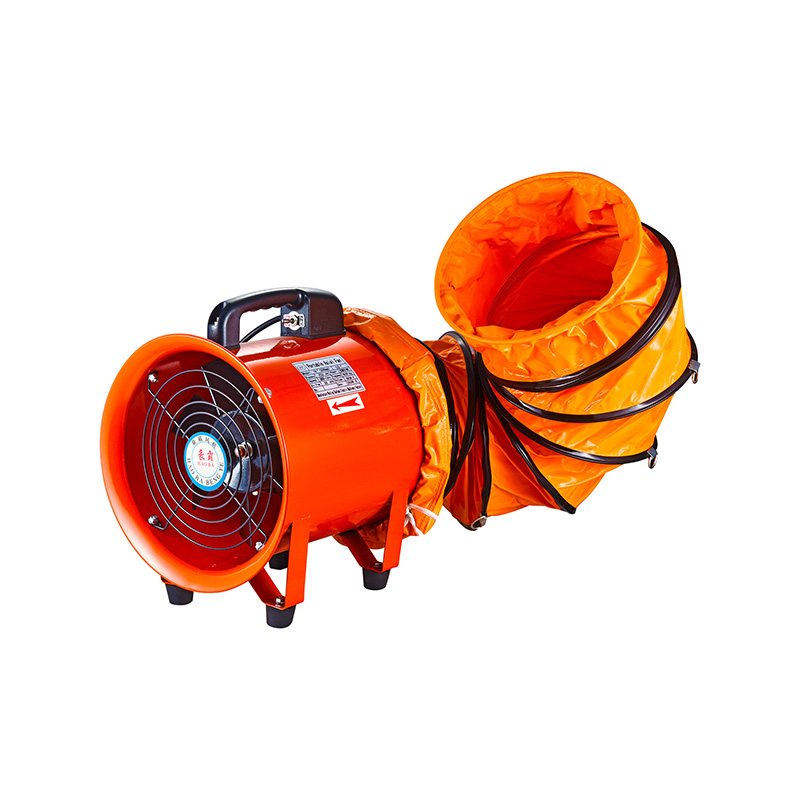
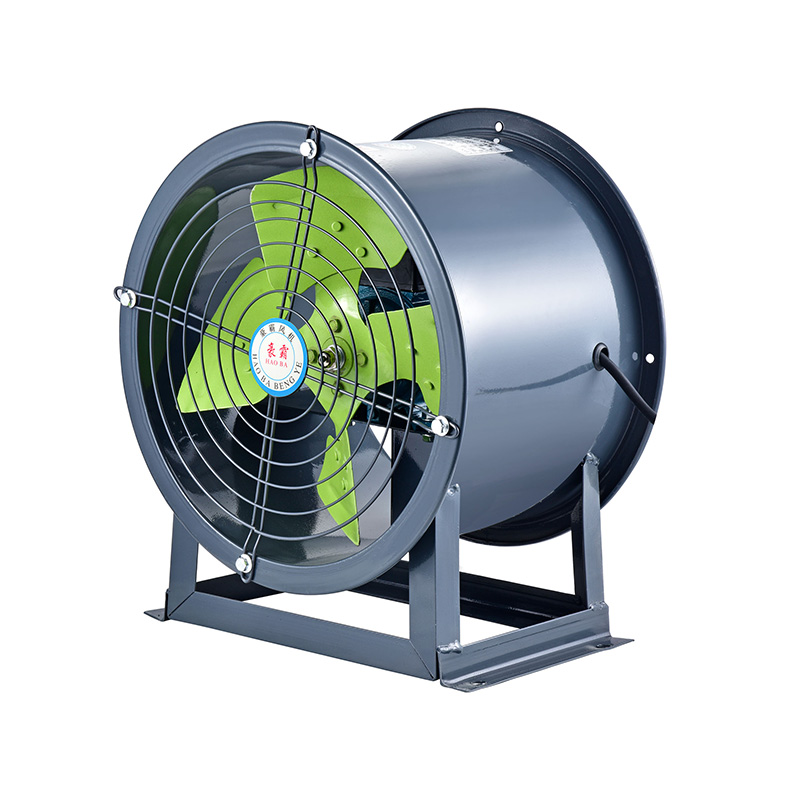
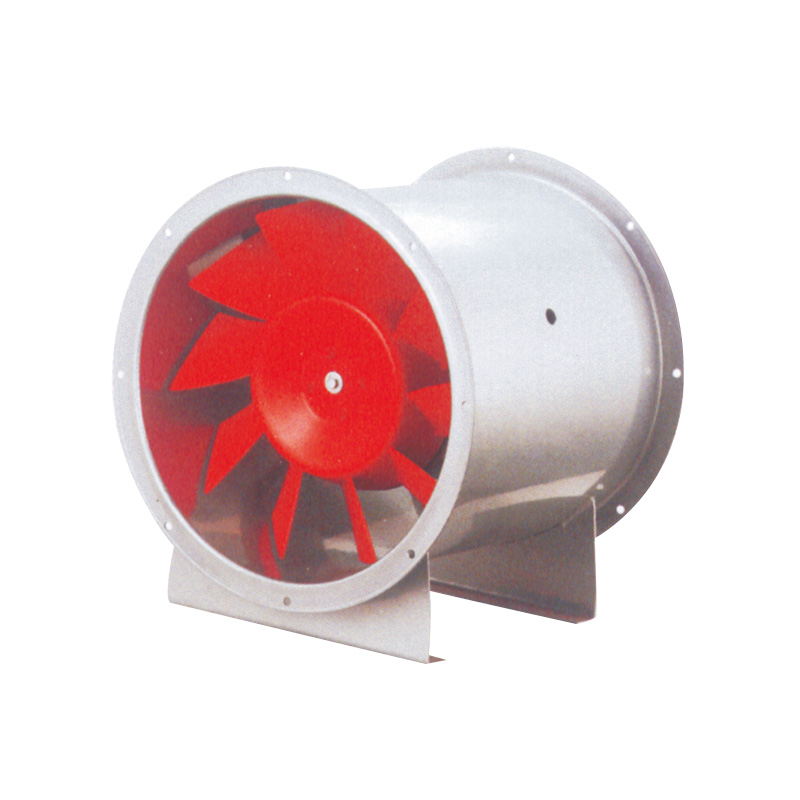
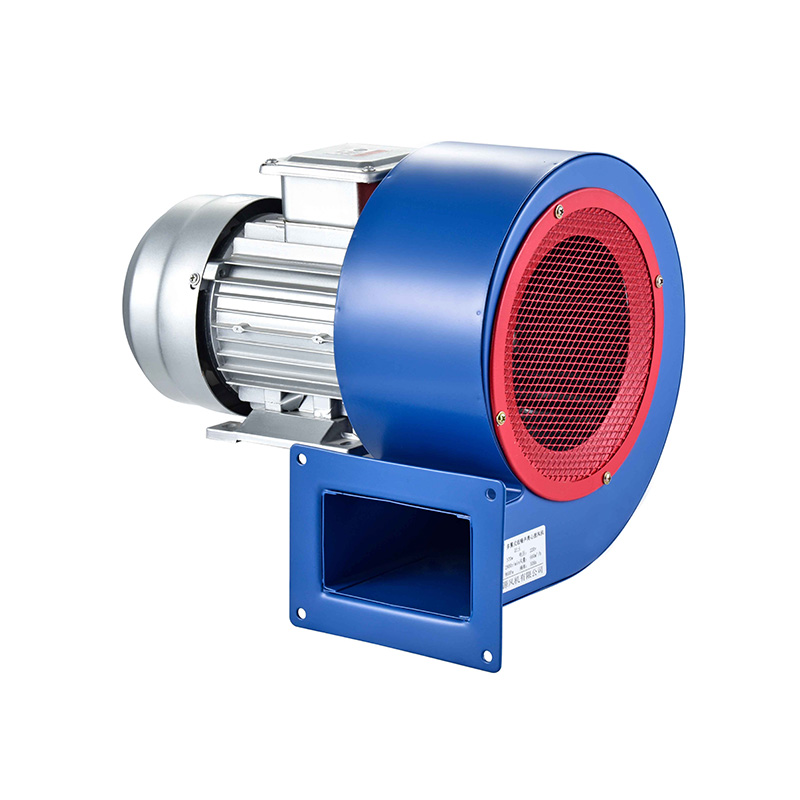
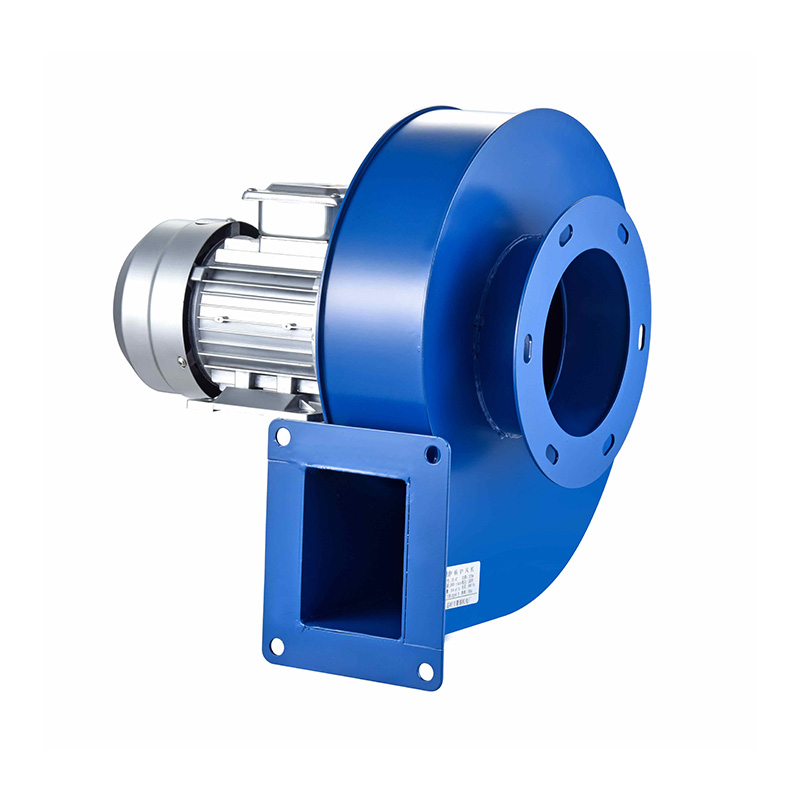
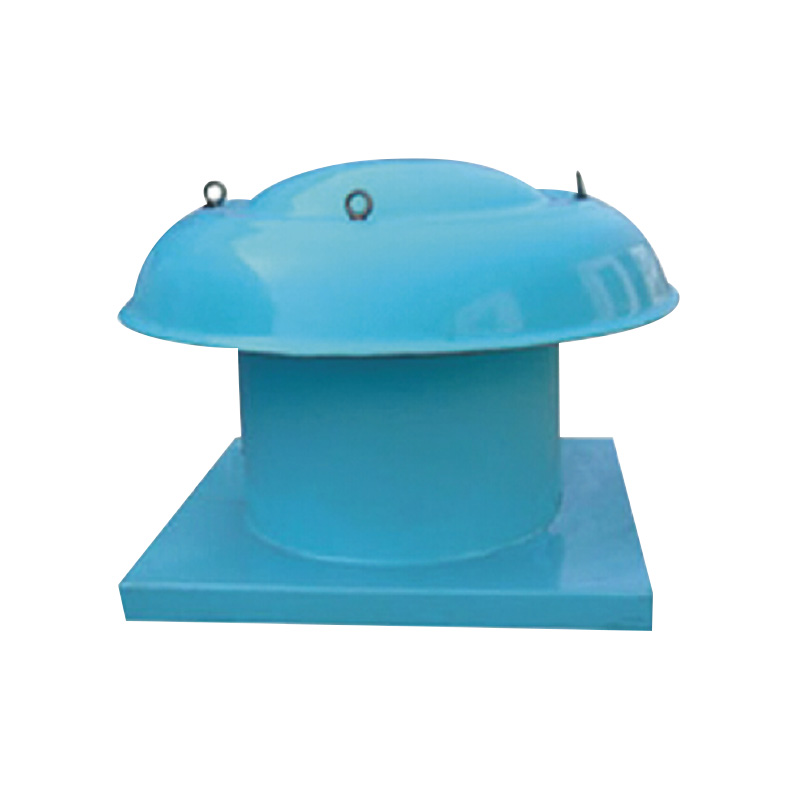
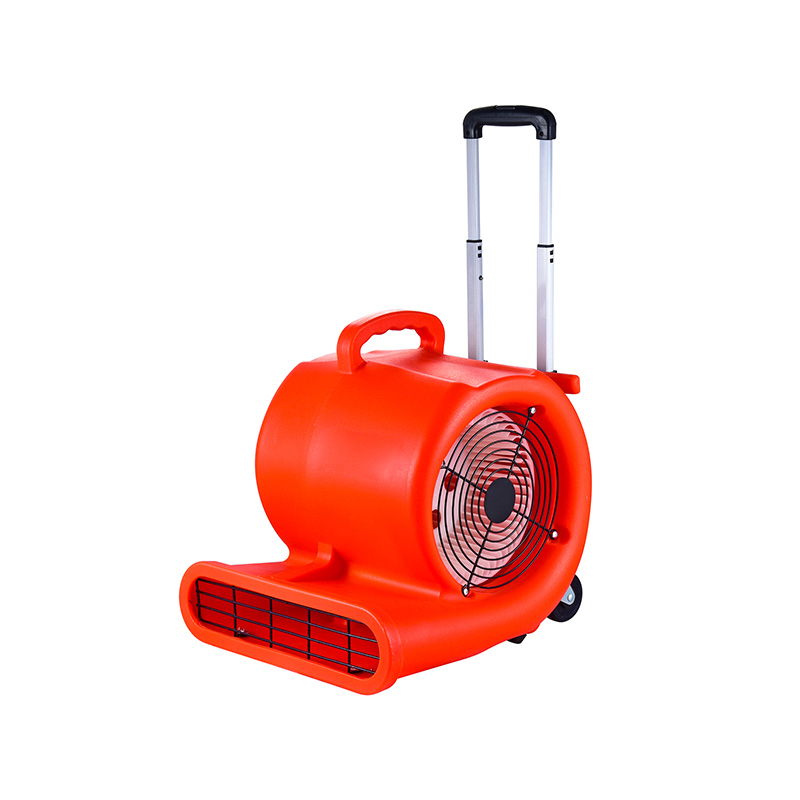
In industrial ventilation systems, understanding what an axial flow fan is and how it performs is critical for selecting the right solution. An axial flow fan moves air parallel to the shaft, delivering high volume at low to moderate pressure. Haoba’s engineering emphasizes robust construction, precision aerodynamic design, and reliability for manufacturing, HVAC, and process applications. This guide helps B2B buyers compare options, interpret specifications, and decide when an axial fan is the optimal choice.
How Axial Flow Fans Work
Operational Principle
Unlike centrifugal fans that change airflow direction, axial flow fans push air straight through the fan housing. Blades mounted on a rotating hub, driven by an electric motor, create differential pressure that accelerates air along the fan’s axis. The main components include blades with a curved aerofoil shape for efficient air movement, a hub and shaft to transfer motor torque, the driving motor itself, and a casing or frame that provides structural support and guides airflow. Axial fans are prized for delivering large air volumes with lower static pressure requirements compared to other fans.
Blade Aerodynamics and Performance
The blade design significantly affects performance. Blade pitch, number, and geometry influence airflow rate (CFM) and efficiency. Advanced Haoba axial fans utilize optimized blade profiles that reduce turbulence and energy losses, enhancing performance and lowering operational costs for industrial buyers.
Industrial Applications of Axial Flow Fans
Axial flow fans are widely used in manufacturing facilities for ventilation and heat exhaust, in HVAC systems for building air exchange, in process industries for material drying and fume extraction, and in power plants to supply cooling and combustion air. They are also applied in large warehouses to circulate air and manage temperature. Their simple, robust design makes them ideal for environments requiring high flow and moderate pressure.
Axial Flow vs. Other Fan Types
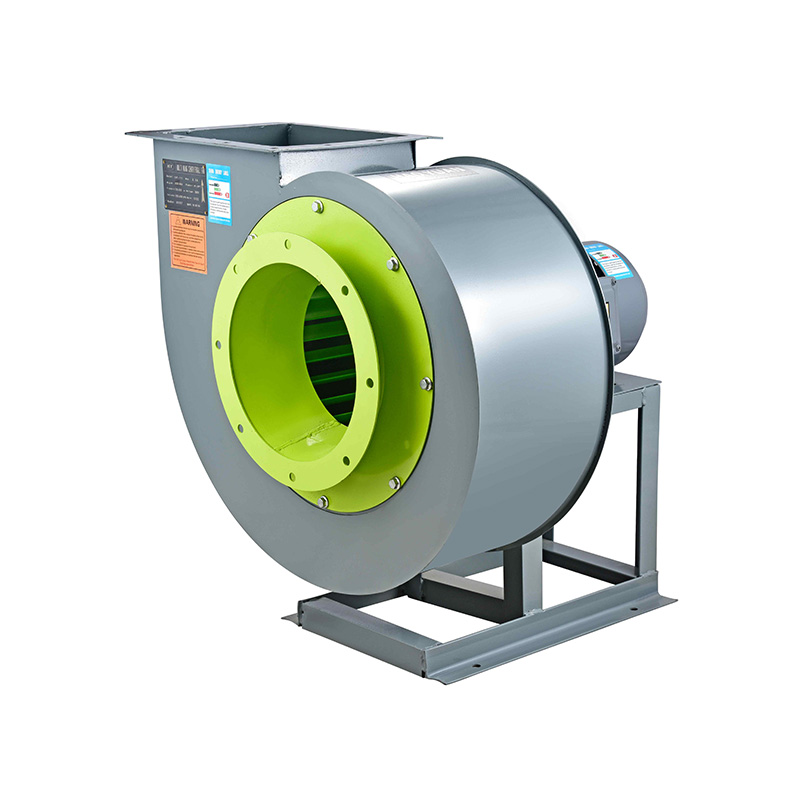
When compared with centrifugal fans, axial flow fans push air parallel to the shaft, whereas centrifugal fans move air radially outwards. Axial fans deliver high airflow at low to moderate pressure and are efficient in free-flow environments, making them suitable for ventilation and cooling. Centrifugal fans, in contrast, provide higher pressure, handle duct resistance better, and are preferred for HVAC systems with filters or long ducts.
| Feature |
Axial Flow Fan |
Centrifugal Fan |
| Airflow Direction |
Parallel to shaft |
Radial outwards |
| Typical Pressure |
Low to moderate |
Medium to high |
| Efficiency |
High for large volumes |
Better at high pressures |
| Footprint |
Often more compact |
Bulkier for same airflow |
| Applications |
Ventilation, cooling |
Dust collection, HVAC with filters |
Technical Specifications to Evaluate
When selecting an axial flow fan, measurable specifications directly influence performance and ROI. Airflow, expressed in CFM or m³/h, determines how much air the fan can move over time. Static pressure indicates the fan’s ability to overcome resistance in ducts or open spaces; axial fans typically supply lower static pressure but excel in free-flow environments. Efficiency and power consumption, measured in percentage or motor power (kW or HP), affect operational costs. Noise levels, expressed in dBA, are critical for worker safety and comfort, while material construction determines durability and corrosion resistance. Common material options include carbon steel for general industrial use, stainless steel for chemical and food environments, aluminum for lightweight applications, and glass-filled polymer for aggressive chemical exposure.
| Material |
Attributes |
Best For |
| Carbon Steel |
Affordable, robust |
General industrial use |
| Stainless Steel |
Corrosion resistant |
Chemical/food environments |
| Aluminum |
Lightweight |
HVAC and portable fans |
| Glass-Filled Polymer |
Corrosion/chemical resistant |
Aggressive environments |
Industry Standards and Certification
Selecting fans that comply with international standards ensures safety and reliability. Haoba axial fans align with AMCA International standards for air performance and acoustics, ISO 5801 for industrial fan performance testing, and CE marking for EU health, safety, and environmental requirements. Adhering to these standards guarantees expected performance, regulatory compliance, and interoperability with other system components.
Installation and Maintenance Best Practices
Proper installation and maintenance extend the life and efficiency of axial fans. Secure mounting minimizes vibration and noise, and alignment of the hub and shaft ensures smooth operation. Balanced blades reduce wear on bearings and motors. Routine inspections, blade cleaning, lubrication, and occasional balancing checks help prevent downtime. Following manufacturer-recommended maintenance schedules allows B2B buyers to maintain energy efficiency and operational reliability over the long term.
Benefits of Haoba Axial Flow Fans
Haoba axial fans deliver measurable advantages, including customizable designs with tailored blade profiles, material choices, and motor options. Their high efficiency reduces energy costs, while robust construction ensures durability in heavy-duty applications. Haoba also offers responsive manufacturing, short lead times, and technical support to guide buyers in selecting the optimal fan for their specific industrial application.
Choosing the Right Axial Flow Fan for Your Facility
To choose the right axial fan, consider your application’s airflow and pressure requirements, environmental conditions such as temperature and corrosive agents, available space for installation, and energy efficiency. Factoring in total cost of ownership, including maintenance, reliability, and service support, ensures the best long-term investment. Haoba’s technical guidance helps buyers select fans that meet performance requirements precisely.
FAQs
1. What environments are axial flow fans best suited for?
They are ideal for open ventilation, large spaces, and low-pressure duct systems where high airflow is required.
2. How do I size an axial flow fan for my application?
Calculate required airflow (CFM) and static pressure, then select a fan that meets or exceeds both values with an efficiency margin.
3. Can axial fans handle dusty or particle-laden air?
With proper material selection and guards, axial fans can operate in dusty environments, but inlet filters or pre-separation may be necessary.
4. What maintenance does an axial flow fan require?
Regular inspection, blade cleaning, lubrication of bearings, and balance checks ensure long service life and efficiency.
5. How does blade count affect performance?
More blades can increase pressure but may reduce efficiency. Optimized blade geometry tailored to operating conditions provides the best balance.
Buyer Next Steps
Understanding what an axial flow fan is enables industrial buyers to make informed decisions for ventilation and process air solutions. Haoba’s axial fans combine performance, durability, and customization to meet demanding applications. Contact Haoba for detailed datasheets, engineering support, and a personalized quote to match your airflow needs, ensuring optimal performance and cost efficiency.
ISO 5801 — Industrial fan performance testing


 English
 русский
 عربى
عربى
 Inquiry