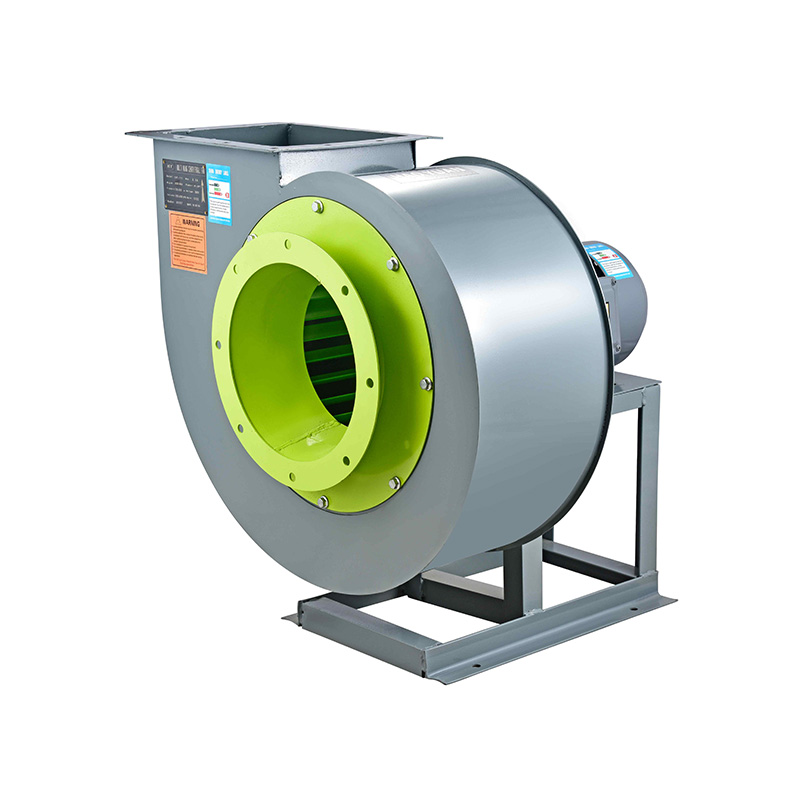
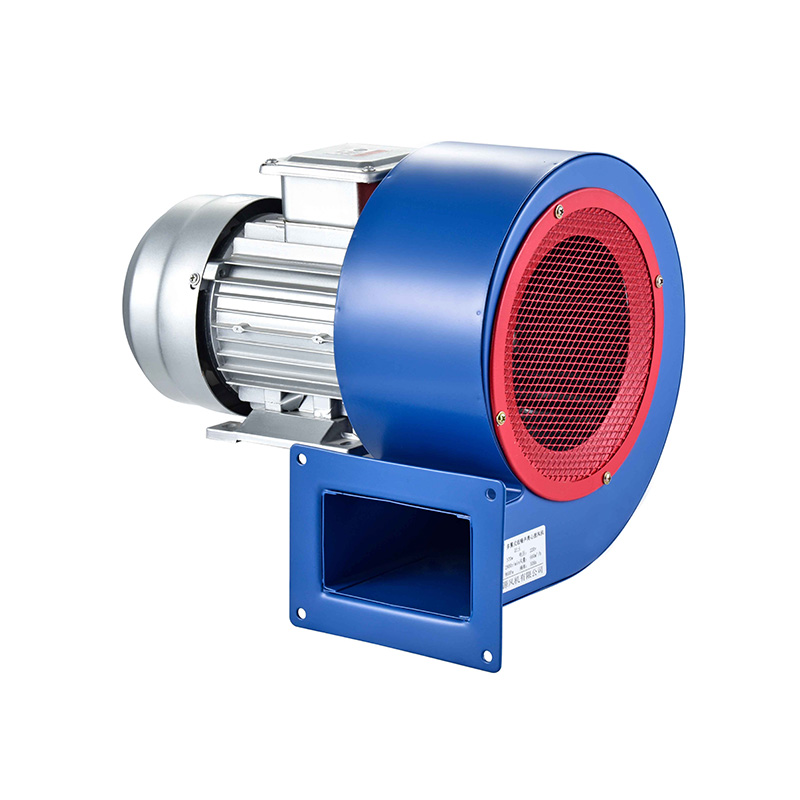
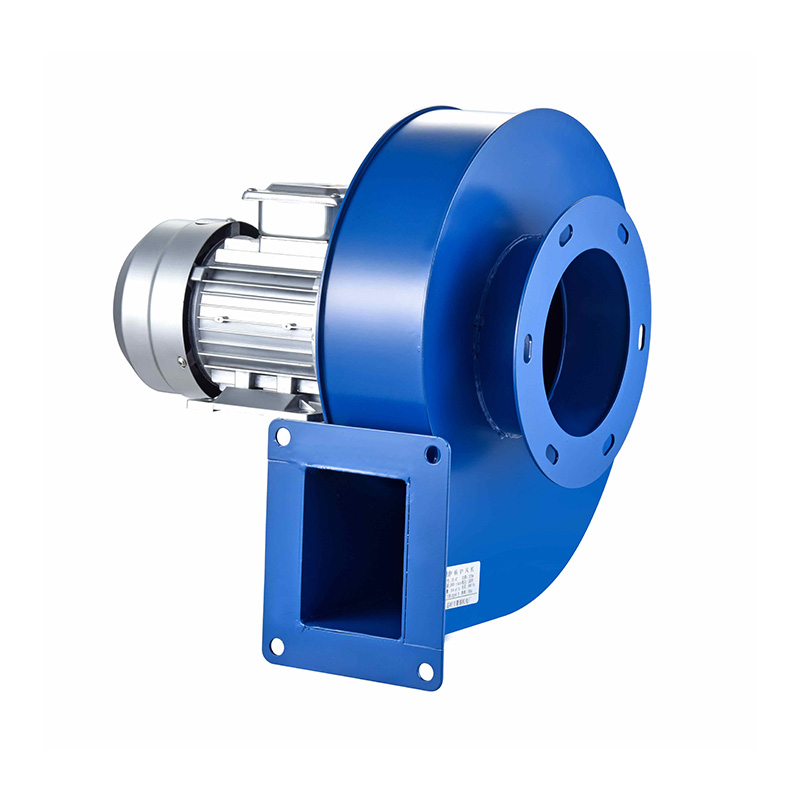
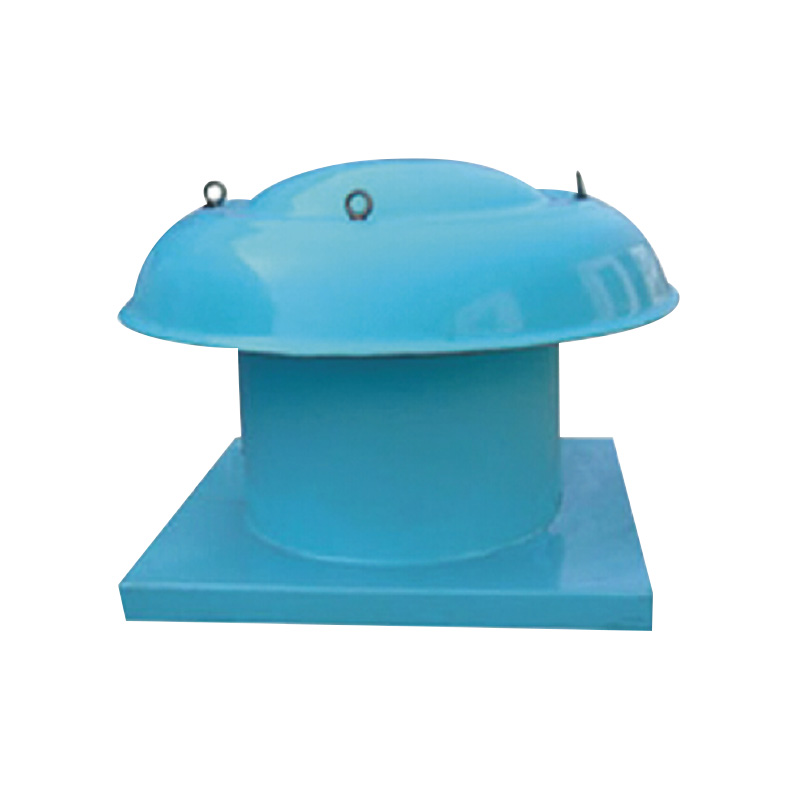
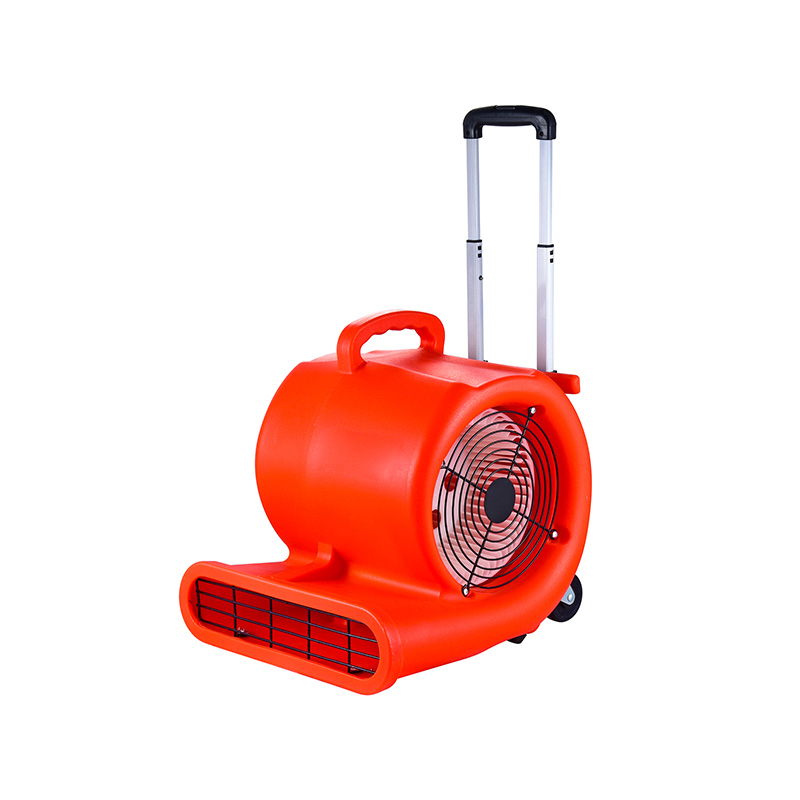
Every roof mounted ventilator — especially units equipped with Centrifugal Roof Ventilators — requires regular maintenance to ensure long-term performance and prevent unexpected failures. Neglecting routine care can cause to inefficient airflow, unusual noises, higher energy costs, and even premature system breakdowns.
Why Maintenance Matters
Ventilation systems work under demanding conditions, exposed to outdoor weather, temperature fluctuations, dust, debris, and constant mechanical motion. This environment stresses components such as bearings, belts, motors, and housing structures. Regular maintenance not only extends the life of the equipment but also helps maintain the desired indoor air quality and energy efficiency. Neglect can shorten service life and increase overall costs.
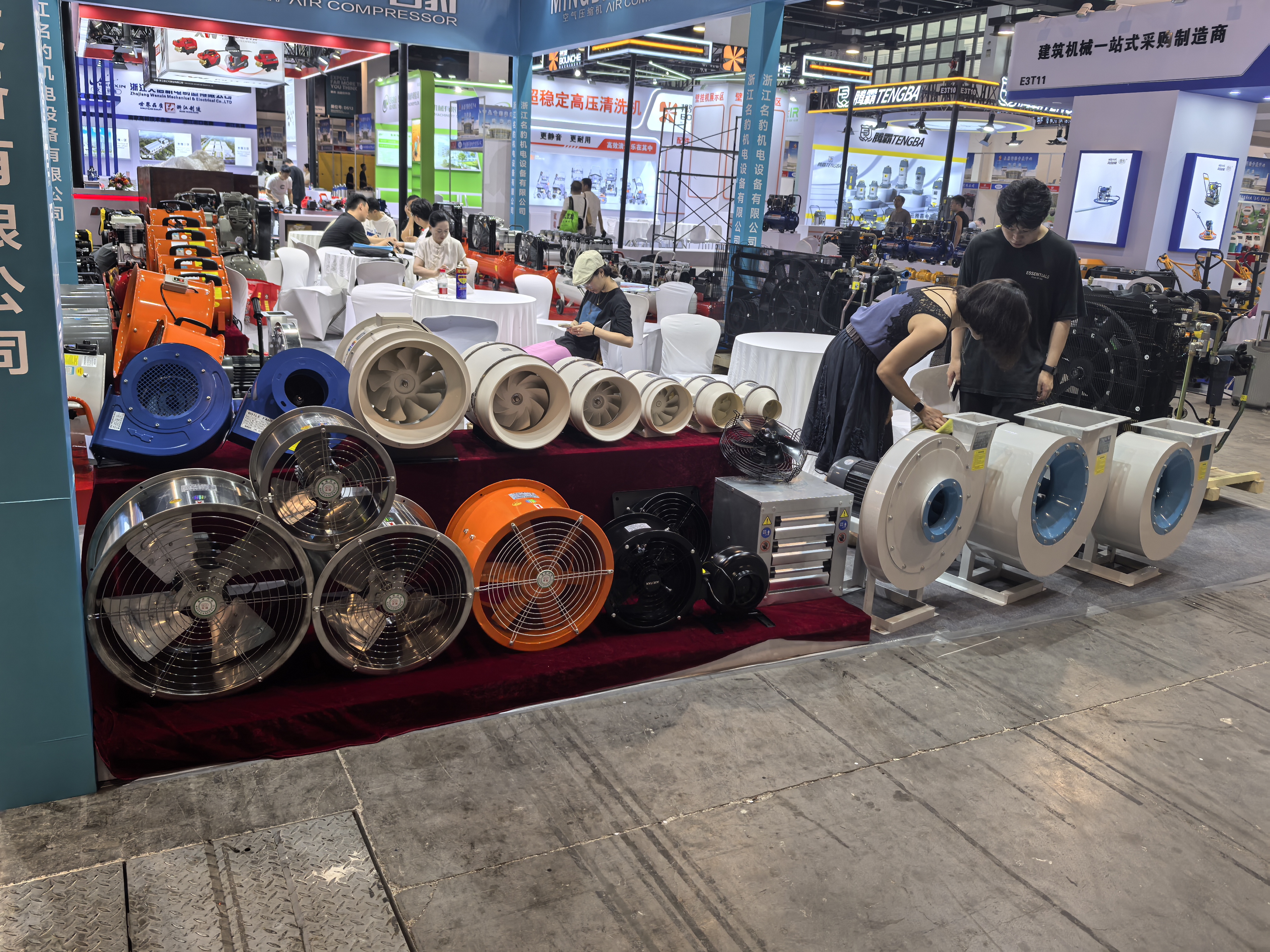
1. Routine Visual Inspections
A basic yet crucial maintenance step is conducting routine visual inspections. This involves checking for rust, corrosion, loose hardware, and any visible damage to the ventilator housing or ductwork. Inspect the mountings and fasteners to ensure the roof mounted ventilator remains secure and properly aligned. Signs of wear or damage should be addressed promptly before they develop into larger issues.
2. Cleaning and Clearing Debris
Accumulated dirt, leaves, twigs, and other debris can obstruct airflow and reduce ventilation efficiency. Regular cleaning around and inside the vent openings ensures proper air movement and reduces mechanical strain on the fan blades and motor. Depending on local environmental conditions (e.g., nearby trees or frequent storms), debris buildup can occur quickly — so plan for seasonal cleaning at a minimum. Keeping vents clear also reduces the risk of moisture buildup and corrosion.
3. Checking Bearings and Lubrication
Bearings are critical moving parts in centrifugal ventilators. They allow the fan and motor shafts to rotate smoothly. Over time, bearings can dry out, collect dust, or deteriorate, causing to increased friction, noise, and energy consumption. Periodic lubrication — following the manufacturer’s guidelines — helps prevent overheating and extends bearing life. Some units have grease fittings that allow seasonal lubrication.
4. Motor and Electrical System Monitoring
The motor is the heart of a centrifugal roof ventilator. Maintenance should include checking electrical connections, examining wiring for signs of wear or damage, and ensuring tight, secure contact points. Loose or corroded electrical connections can result in inefficiency or even failure. Regular motor inspections help detect early signs of issues such as unusual motor heating or vibration.
5. Vibration and Balance Checks
Fans that become unbalanced can cause excessive vibration, which not only reduces performance but also increases stress on bearings and mounting hardware. Periodically inspect the impeller and rotating components for balance. Imbalances can arise when dirt accumulates unevenly on fan blades or when components wear differently over time. Specialized vibration analysis tools can help identify potential imbalance problems before they worsen.
6. Belt and Drive Component Inspections
For ventilators that use belts, checking belt tension and condition is essential. Belts that are too loose can slip and reduce airflow, while belts that are too tight can stress bearings and other components. Look for signs of wear such as cracking or fraying, and replace worn belts promptly to avoid unexpected failures.
7. Seasonal and Structural Considerations
Establishing a seasonal maintenance schedule can help keep centrifugal roof ventilators in good working order. Performing thorough inspections and cleaning in spring and fall prepares your ventilator for extreme weather — both hot summers and cold winters. After severe storms, an additional check ensures that debris, loose components, or water intrusion aren’t compromising performance.
Recommended Maintenance Frequency
Below is a simple guideline to help you plan maintenance:
- Monthly: Quick visual inspection and debris check
- Quarterly: Clean vents and clear any obstruction
- Biannual: Lubricate bearings, inspect belts, check electrical connections
- Seasonal: Comprehensive inspection before peak weather seasons
These intervals may vary depending on your specific environment and usage patterns. More frequent inspections may be necessary in high-dust or coastal areas.
Partnering with Experts
At Taizhou Haoba Electromechanical Co., Ltd., we recommend following manufacturer guidelines and industry-accepted practices for maintaining roof ventilation systems. Regular care not only enhances performance but also helps catch issues before they compromise building comfort or safety.
Understanding what maintenance Centrifugal Roof Ventilators need — and acting on that knowledge — can make a significant difference in performance, reliability, and overall operating costs. Visual inspections, cleaning, lubrication, motor care, and seasonal checks form the backbone of a solid maintenance program that protects your equipment and helps preserve indoor air quality throughout the year.


 English
 русский
 عربى
عربى
 Inquiry