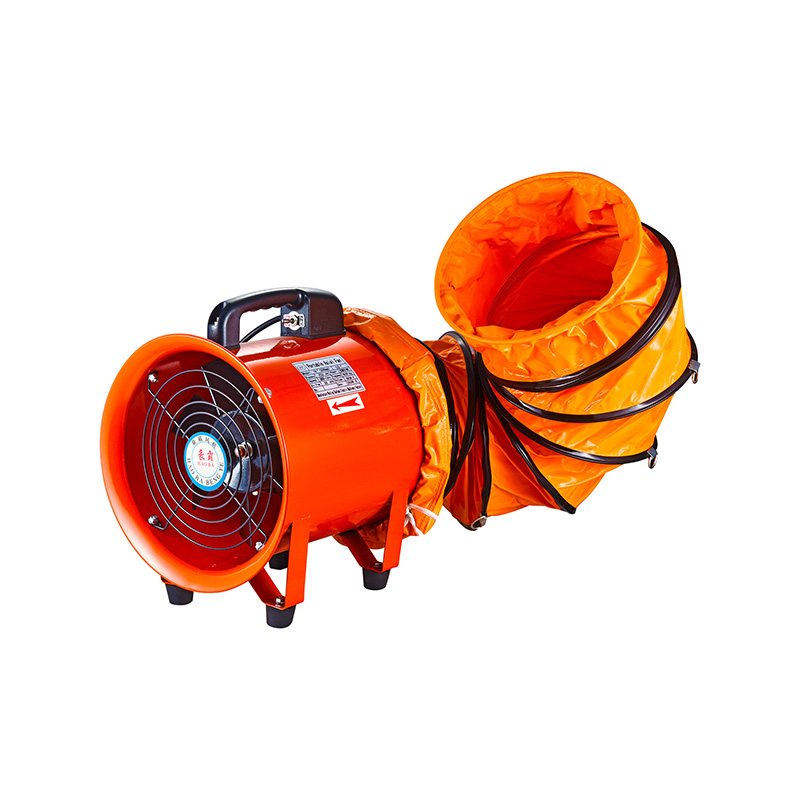
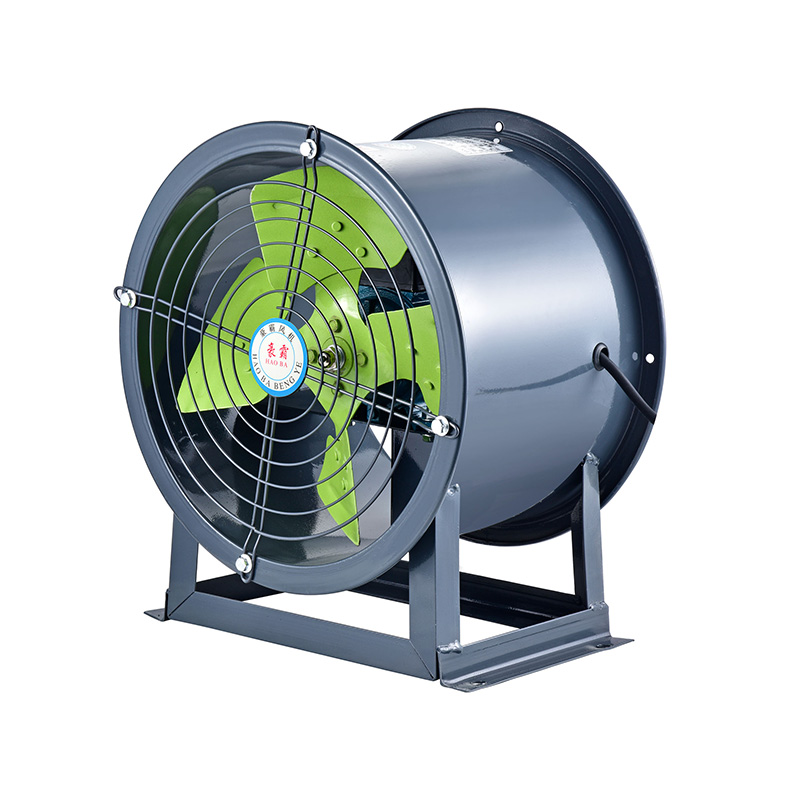
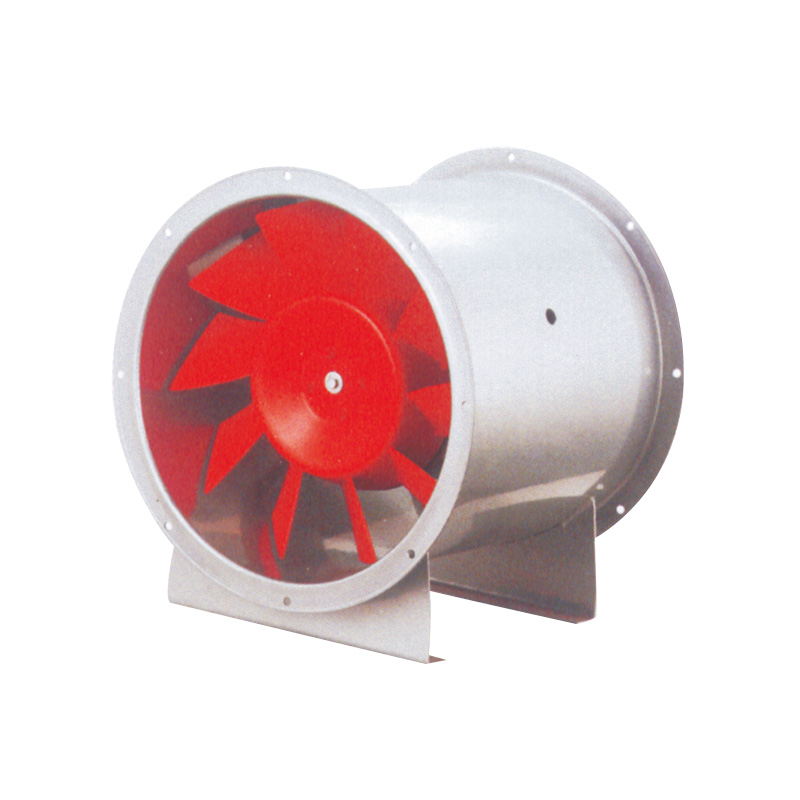
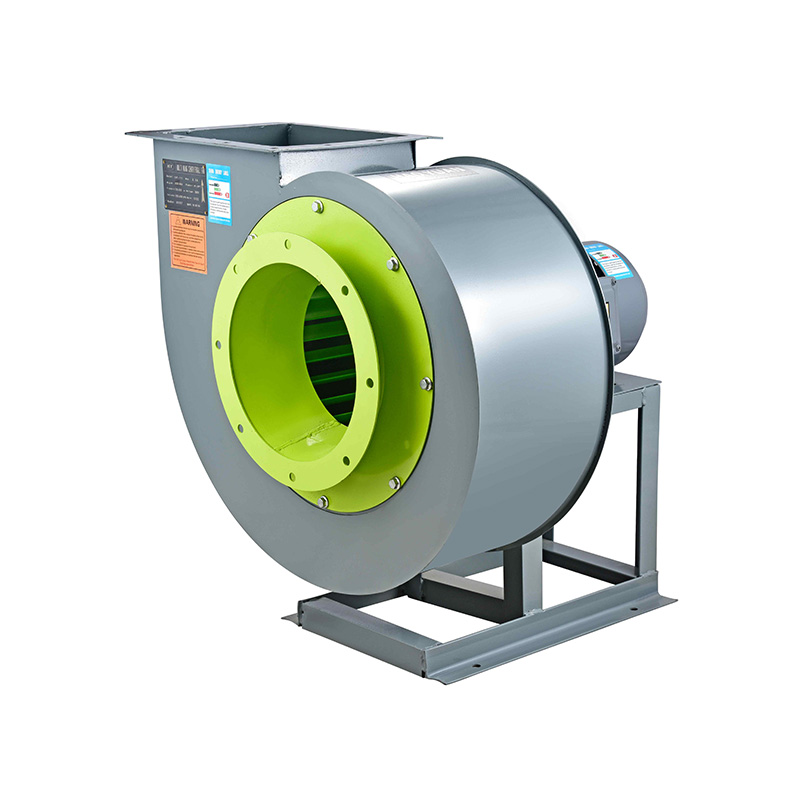
When evaluating ventilation or cooling systems, many engineers and buyers expect a consistent performance from an External Rotor Axial Fan based on published specifications. However, real‑world results often fall short of theoretical airflow figures, which frustrates users and raises questions about fan selection, installation, and system design. Choosing a reliable Axial Flow Fan Manufacturer is essential, but understanding why airflow may not meet expectations helps you design and maintain systems that perform as intended.
1. Mismatch Between Fan Design and Operating Conditions
A primary reason airflow differs from design specifications is that the fan may be operating outside its optimal range. Axial fans deliver peak airflow at specific points on the performance curve, but real installations rarely match laboratory conditions:
Stall conditions: When static pressure in the system is too high relative to the fan’s design point, airflow separates from the blade surfaces, causing a sharp drop in pressure generation and reduced airflow. This effect, called stall, is a well‑documented aerodynamic issue for axial fans and can drastically reduce delivered air movement.
System resistance mismatch: Long duct runs, sharp bends, and obstructions increase resistance against airflow. If the fan cannot overcome this resistance, the actual output falls below expectations. Because axial fans generally provide high flow but low pressure, they are particularly sensitive to these system effects.
Understanding the fan curve and ensuring that the actual system resistance aligns with the fan’s “sweet spot” on that curve often resolves discrepancies in performance.
2. Improper Installation and Flow Disruptions
Even a well‑designed fan installed incorrectly can underperform. Installation factors that reduce airflow include:
Incorrect orientation or rotation direction: If a fan is wired incorrectly or mounted backwards, it pushing air in the wrong direction or at lower efficiency.
Intake or exhaust blockage: Blocked inlets or outlets, filters clogged with debris, or constrictions in ductwork severely restrict airflow and place additional backpressure on the fan. Regular inspection and cleaning are essential preventive measures.
Poor inlet conditions: Turbulent or uneven airflow entering the fan due to sharp elbows or nearby obstructions can disturb the intended smooth flow, reducing effective air movement.
A systematic check of the installation environment often reveals simple reasons for mileage gaps between expected and actual airflow.
3. Aerodynamic and Mechanical Factors
Several internal factors inherent to axial fan operation can also impact airflow:
Blade fouling: Dust and grease on blades change their aerodynamic profile, reducing lift and causing flow separation.
Unbalanced blades: Uneven blade weight distribution not only increases vibration but also disrupts stable airflow, causing reduced effective output.
Worn components: Bearings that are worn or lack lubrication introduce friction and slow blade rotation, directly lowering airflow performance.
Periodic maintenance — from cleaning blades to balancing rotating parts and checking wear — helps sustain design airflow levels.
4. System Design Considerations Prior to Fan Selection
Often, the airflow issue is not entirely due to the fan itself, but how the entire airflow system is designed. Comprehensive planning helps prevent disappointments later:
Accurate load calculation: Estimate total system resistance, expected flow rates (CFM), and required static pressure before choosing a fan. Oversized or undersized fans often deliver unsatisfactory results in mismatched systems.
Use of flow straighteners or guide vanes: In systems with complex ductwork or significant bends, these devices help organize airflow and minimize turbulence, improving delivered flow.
Anti‑stall solutions: In some industrial environments, specialized features that help delay or prevent stall can maintain airflow in unstable operating regions. A thoughtful upfront engineering review frequently prevents performance gaps before they occur.
5. Monitoring and Adjustment After Installation
After installation, it’s wise to monitor actual performance over time:
Use anemometers or airflow sensors: Measuring actual air velocity at key points confirms whether the fan is delivering as expected.
Track static pressure changes: A rising static pressure often signals clogged filters, ductwork changes, or other flow restrictions.
Routine performance logging: Document airflow numbers periodically. Sudden drops typically signal mechanical or environmental issues requiring attention.
This data‑driven approach ensures that performance remains close to design targets.
At Taizhou Haoba Electromechanical Co., Ltd., we support customers with guidance on system matching and fan selection to help ensure reliable airflow performance tailored to your application.


 English
 русский
 عربى
عربى
 Inquiry