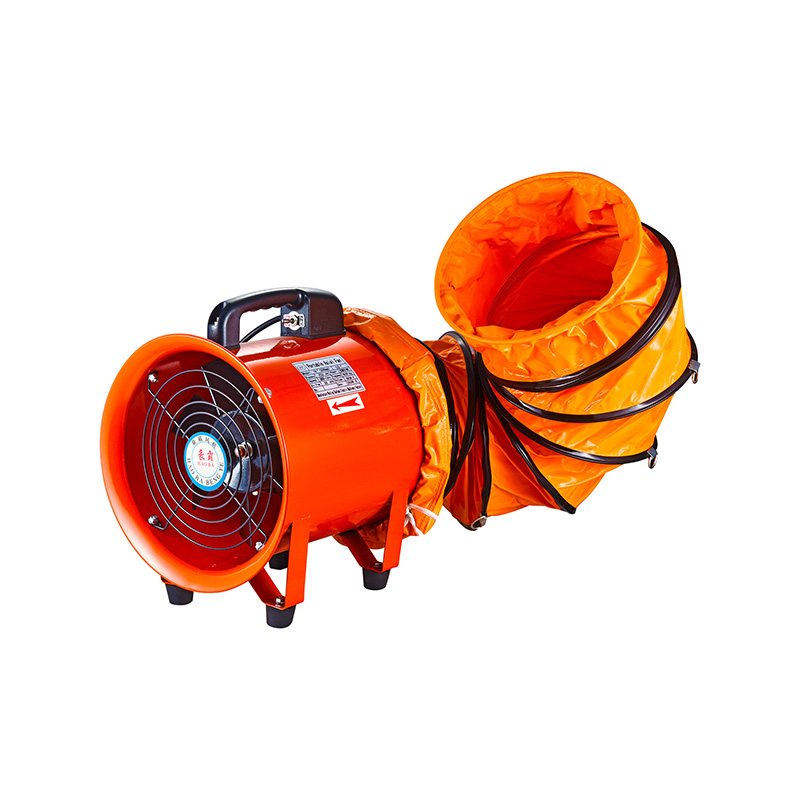
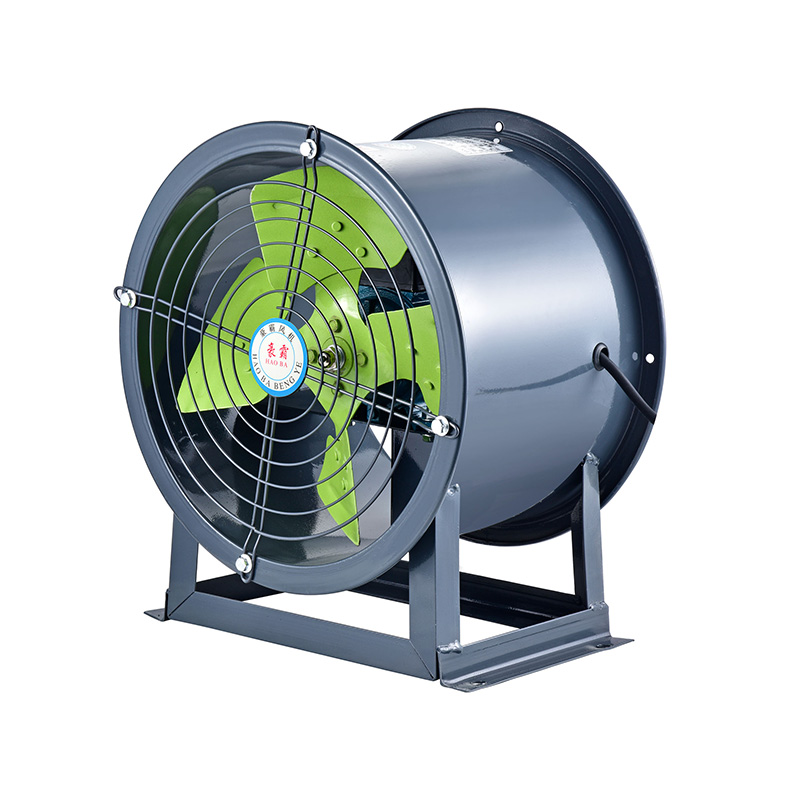
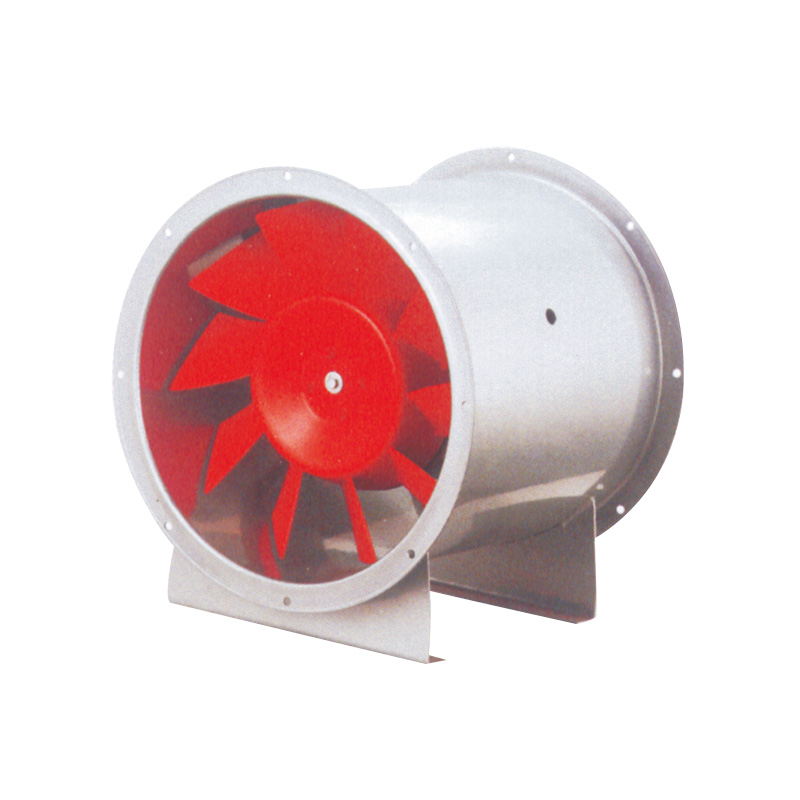
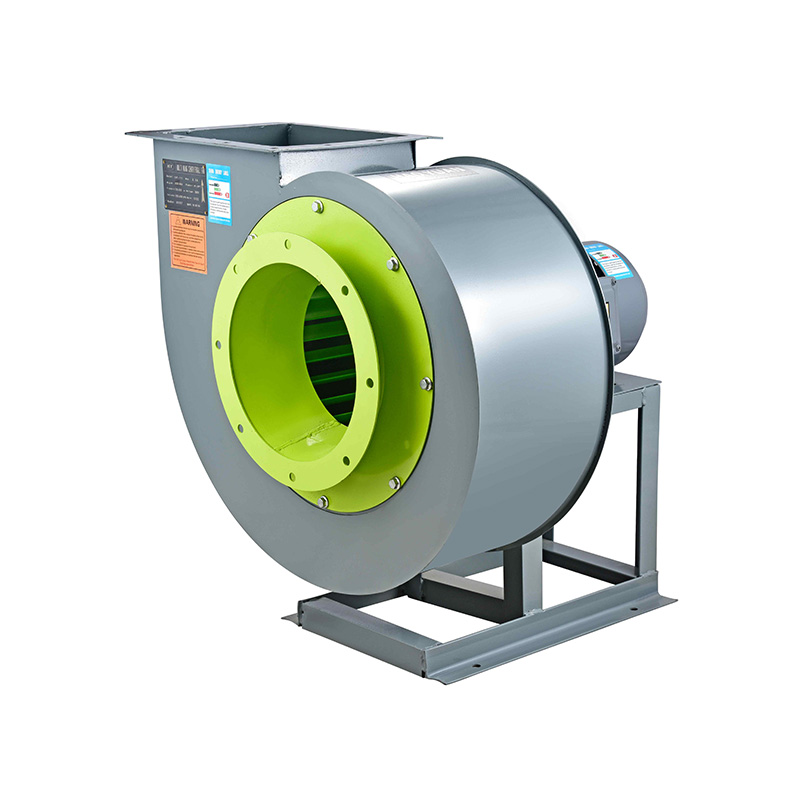
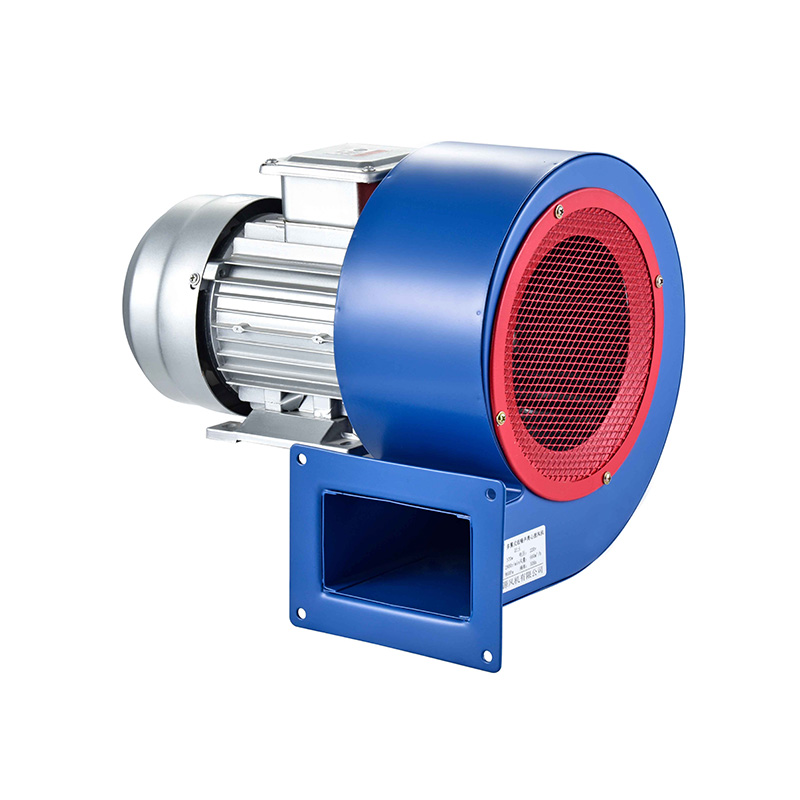
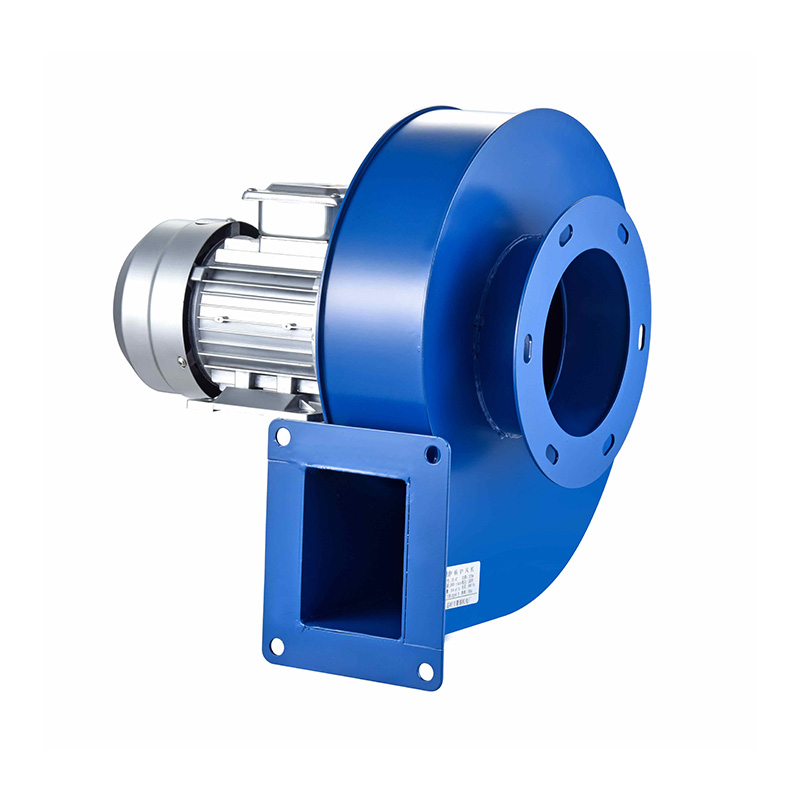
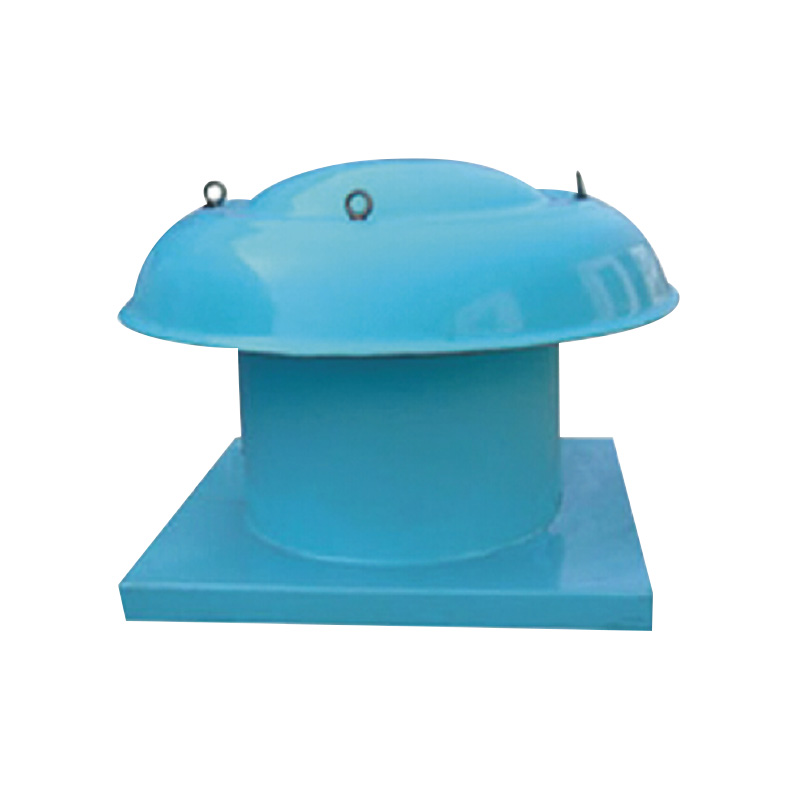
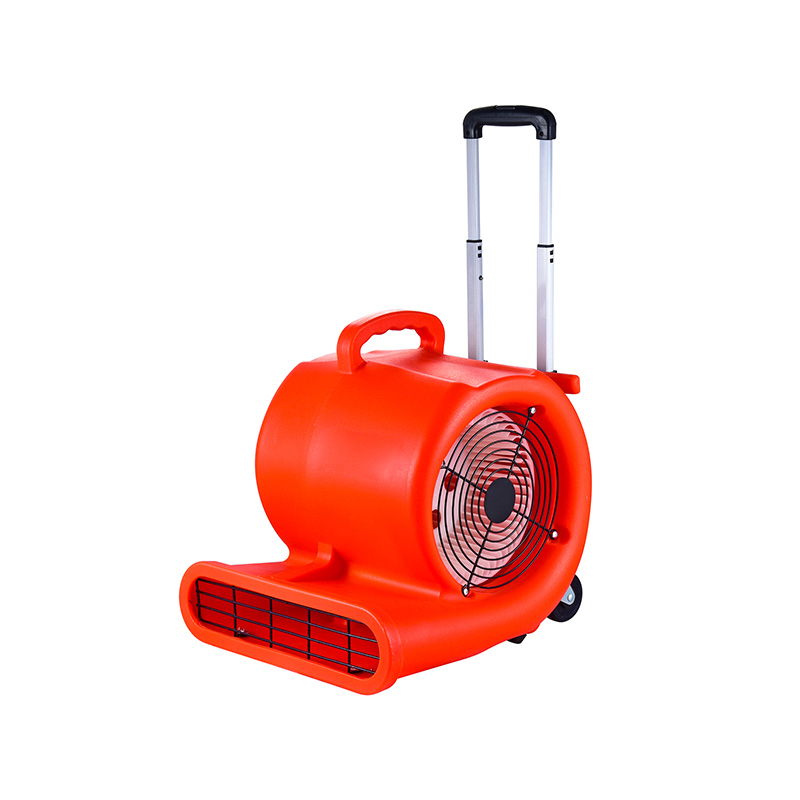
For industrial ventilation systems, proper maintenance of vane axial flow fan is crucial to sustain airflow efficiency, reduce downtime, and extend equipment lifespan. These fans are often deployed in factories, warehouses, and HVAC systems, where consistent performance is essential. At Taizhou Haoba Electromechanical Co., Ltd., we emphasize the importance of routine inspections and preventive maintenance to keep fans operating at peak efficiency.
1. Routine Inspection Procedures
Regular inspection is the initial step in high flow axial fan maintenance:
- Visual Check: Inspect fan blades, housing, and guide vanes for any visible signs of wear, corrosion, or accumulation of dust and debris.
- Bearing Examination: Bearings should be checked for smooth rotation and signs of overheating. Unlubricated or worn bearings can result in vibration and reduced efficiency.
- Fastener Tightness: Ensure all screws, bolts, and mounting brackets are secure to prevent misalignment and abnormal noise.
Routine inspections can help identify potential problems before they escalate, preserving both high flow axial fan and vane axial flow fan performance.
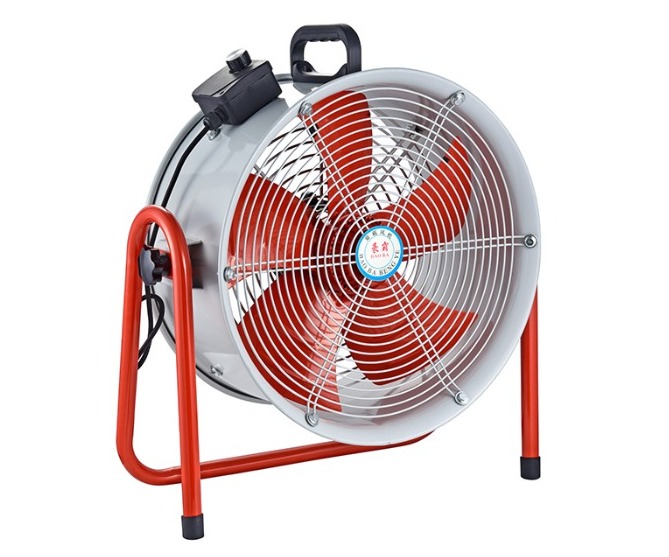
2. Cleaning and Dust Management
Dust and debris accumulation is a common issue in industrial environments:
- Blade Cleaning: Accumulated dust on fan blades reduces airflow and increases energy consumption. Use a soft brush or compressed air to remove dust without damaging blade surfaces.
- Guide Vanes: For vane axial flow fans, ensure the vanes remain clean and free from obstruction, as clogged vanes can significantly reduce static pressure and airflow stability.
- Housing and Ducts: Clean the fan housing and connected ducts periodically to prevent airflow restrictions and uneven pressure distribution.
Effective dust management maintains fan efficiency and reduces the risk of motor overload.
3. Lubrication and Mechanical Maintenance
Mechanical components require consistent attention:
- Lubricate Bearings: Follow manufacturer guidelines for frequency and type of lubricant. Proper lubrication reduces friction, noise, and wear.
- Check Alignment: Misaligned fan shafts can result in vibration and reduce efficiency. Correct any misalignment promptly.
- Motor and Drive System: Inspect belts, pulleys, and coupling mechanisms for wear. Replace any components showing signs of fatigue.
Well-maintained mechanical parts help both high flow axial fans and vane axial flow fans operate smoothly and reliably.
4. Monitoring Fan Performance
Monitoring operational parameters ensures early detection of issues:
- Airflow Measurement: Track airflow rates to detect decreases that may indicate blockage or mechanical wear.
- Vibration Analysis: Excessive vibration is a sign of imbalance, loose components, or bearing problems.
- Noise Levels: Sudden increases in noise can indicate blade damage or guide vane issues.
Implementing a simple monitoring routine can prevent major failures and maintain consistent system performance.
5. Maintenance Scheduling and Documentation
Establishing a clear maintenance schedule is essential:
- Frequency: Conduct inspections and cleaning monthly for high-use industrial fans, with lubrication performed according to manufacturer recommendations.
- Record Keeping: Maintain a log of all inspections, maintenance activities, and any repairs performed. This helps identify recurring issues and supports warranty claims.
- Professional Servicing: For complex systems or high-capacity fans, consider professional servicing to ensure all components function correctly.
A disciplined maintenance program prolongs fan life, improves energy efficiency, and reduces operational costs.
By conducting routine inspections, cleaning, lubrication, and performance monitoring, facilities can ensure consistent airflow, reduce energy consumption, and prevent unexpected downtime. Taizhou Haoba Electromechanical Co., Ltd. provides guidance and support to help customers maintain their ventilation systems effectively, ensuring long-term operational performance.


 English
 русский
 عربى
عربى
 Inquiry