Industrial production spaces are becoming more organized, automated, and dependent on controlled air movement across every section. As equipment density increases on the floor, factories need practical ways to move air through production areas without disrupting daily operations already underway.
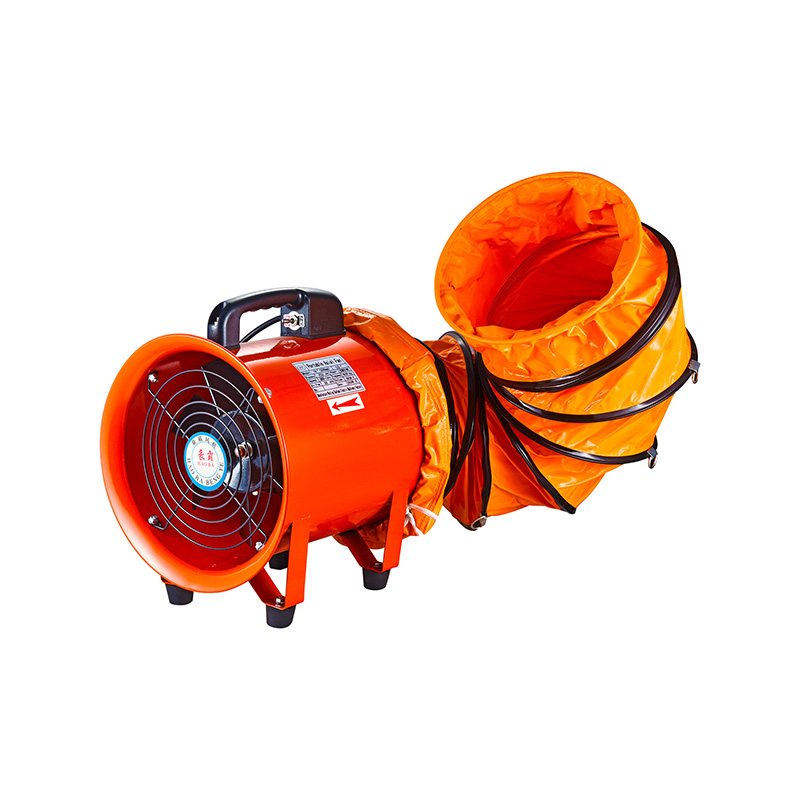
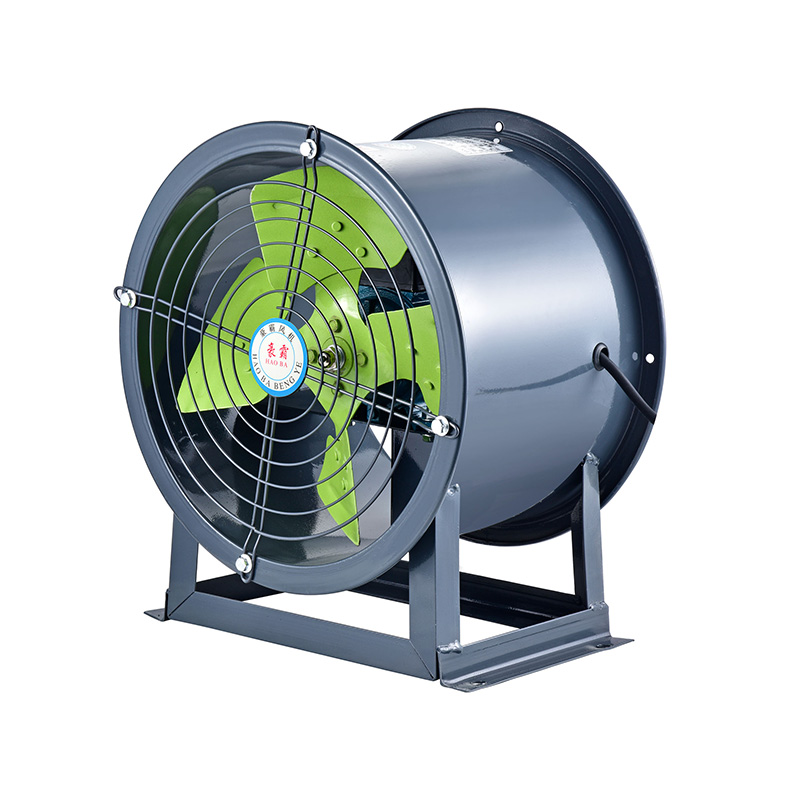
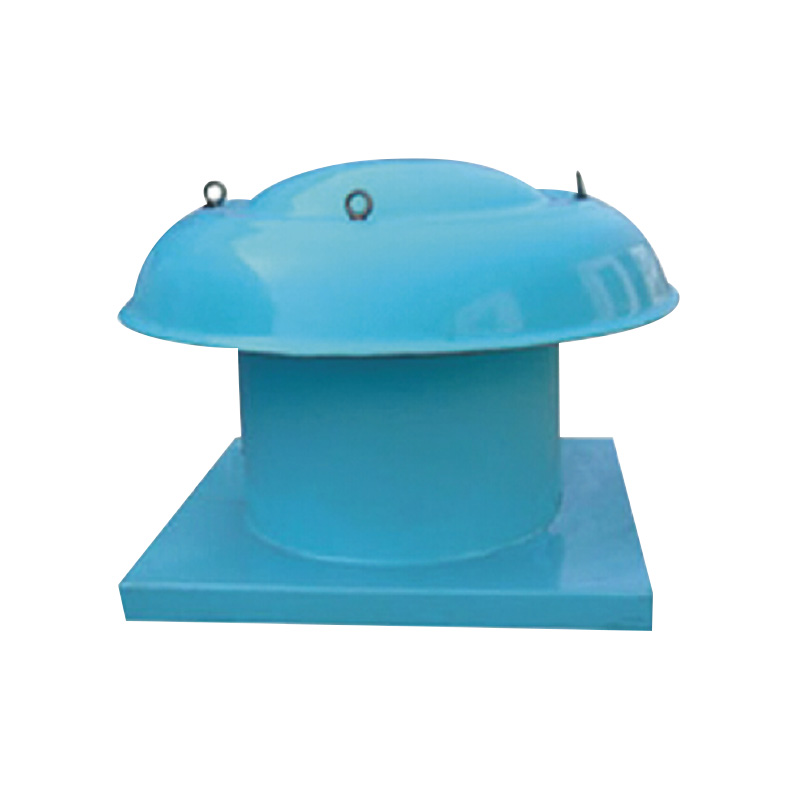
An Axial Flow Fan can support this need by moving air along the direction of the fan shaft, making it suitable for applications where steady air circulation genuinely matters. The role of industrial ventilation is also changing as manufacturers update production layouts and introduce more automated equipment onto the floor.
Ventilation is no longer viewed only as a way to remove unwanted air from a room. It can also support a more comfortable production environment, help manage airflow between areas, and fit into modern plant layouts already in place. This shift is influencing how ventilation systems get selected, arranged, and upgraded across different facilities.
Why Is Air Circulation Important In Modern Industrial Plants?
Industrial buildings can contain production equipment, storage areas, working spaces, and service zones all within the same facility footprint. Each area may have genuinely different airflow needs, depending on its activity and layout on any given day.
Poorly arranged air movement can leave some areas with limited circulation, while creating unnecessary airflow in others that don't need it. A well-planned ventilation system helps move air through the facility according to the needs of different spaces working side by side.
| Industrial Area |
Ventilation Consideration |
| Production floor |
Continuous air circulation |
| Equipment area |
Air movement around machinery |
| Storage space |
Suitable air exchange |
| Worker area |
Comfortable surrounding airflow |
| Service zone |
Practical air movement |
Modern plants also tend to use more enclosed production areas than before. Automated equipment can operate continuously while workers move between different sections of the facility throughout their shift.
This makes the movement of air a genuinely important part of overall workplace planning. An axial fan can prove useful in layouts where air needs to travel through an open production area without much obstruction. Its application can vary depending on the building structure and the ventilation objective driving the project.
How Can Axial Flow Fans Support Automated Production Plants?
Automation changes the way factories use space on the floor. Production equipment may get arranged in organized lines, while conveyors and other systems connect different stages of production together.
The ventilation system needs to work around these arrangements without creating unnecessary obstacles in the path. A China Axial Flow Fan can be considered for industrial applications where manufacturers need practical air movement within larger production spaces.
The value of the equipment depends on how it gets integrated into the overall ventilation plan from the start. Fan placement can influence how air travels between equipment, working areas, and other parts of the plant nearby.
A poorly positioned fan may move air without providing useful circulation where it's actually needed. A carefully planned system can create a genuinely more consistent airflow pattern across the intended area instead.
Automation also creates new considerations for maintenance access on the floor. Ventilation equipment should be positioned so inspection and routine servicing can be handled without unnecessarily interrupting production activities already running. This makes equipment placement part of both ventilation planning and plant management working together.
What Makes Bifurcated Axial Flow Fan Designs Useful In Industrial Spaces?
Some industrial environments require ventilation equipment to fit within particular building arrangements already in place. Space limitations, duct connections, wall structures, and equipment placement can all affect the choice of fan for a given room.
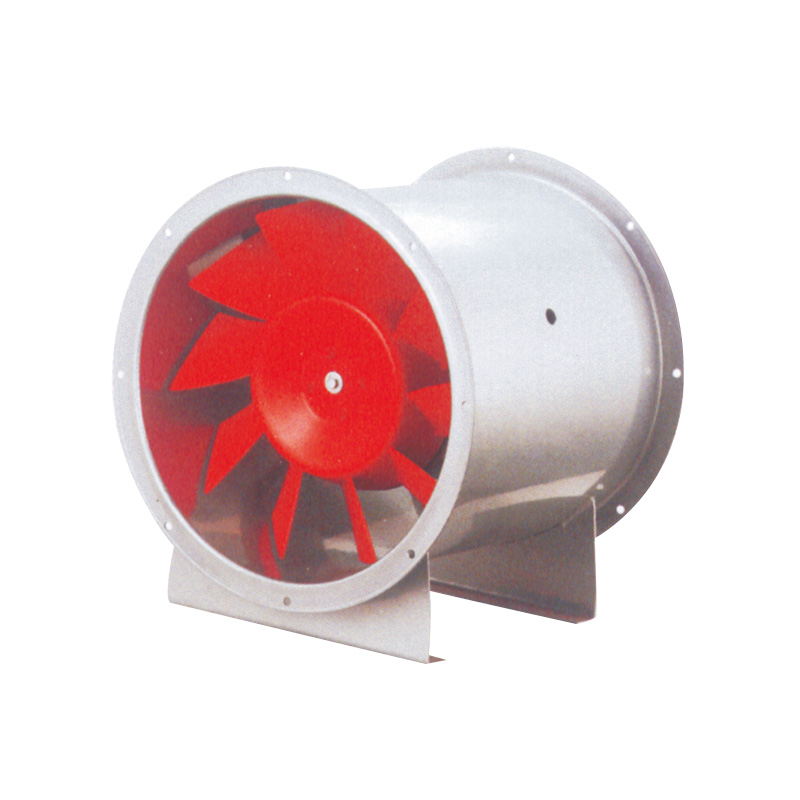
A Bifurcated Axial Flow Fan offers a design approach that can suit certain industrial ventilation layouts, where the fan arrangement needs to work around the surrounding installation space. Its structure can allow the motor and airflow path to get considered together with the needs of the installation itself.
This can prove useful in applications where ventilation equipment needs to fit into an existing industrial system already running. The choice should still depend on the actual building layout and ventilation requirements at hand.
Different production environments can have very different airflow patterns from one floor to the next. A fan suitable for one application may not necessarily fit another without changes to the surrounding system. For this reason, industrial ventilation design often begins with understanding the space, rather than selecting equipment based only on the fan itself.
How Do Different Fan Types Fit Into Industrial Ventilation Systems?
Industrial ventilation doesn't rely on one type of fan for every application on the floor. Different equipment designs can serve different airflow paths and installation conditions depending on the room.
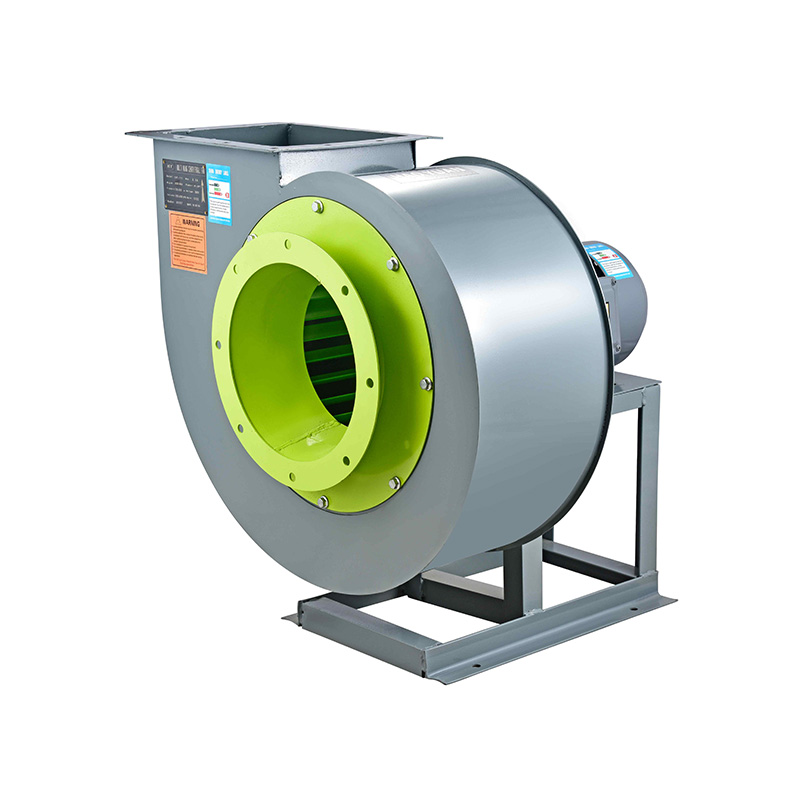
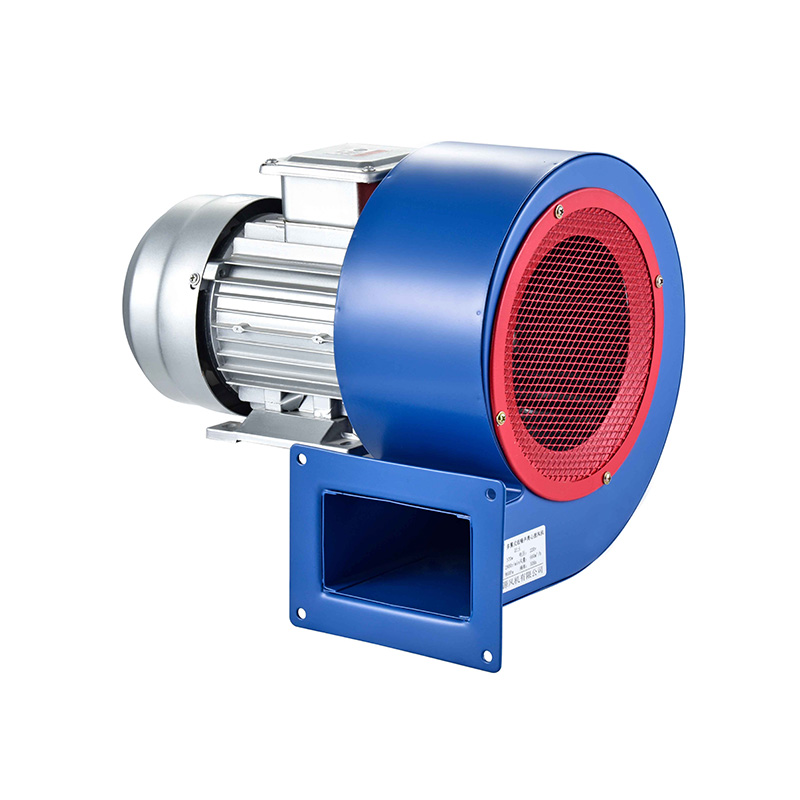
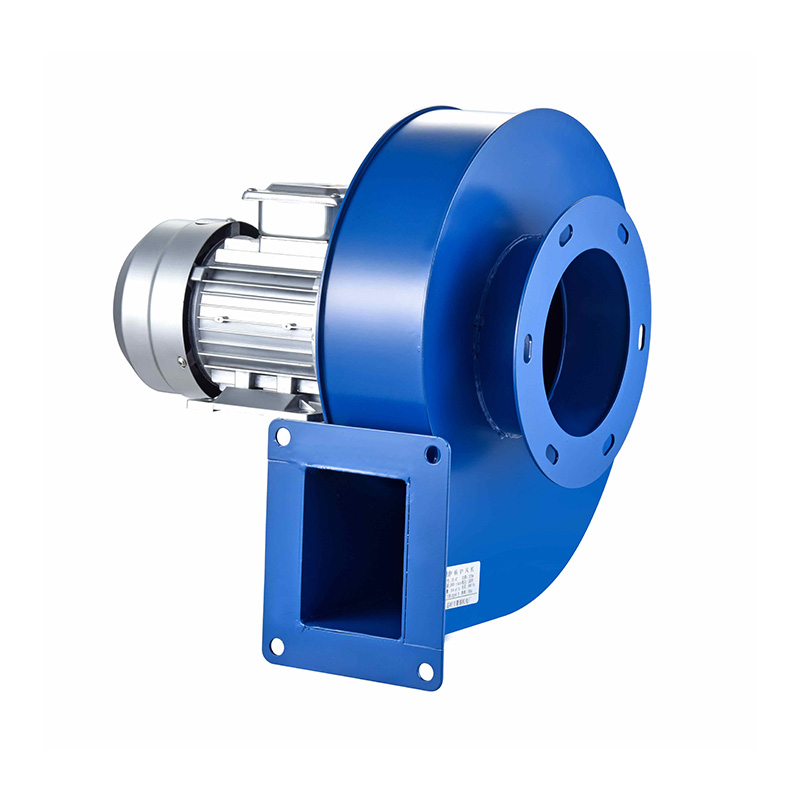
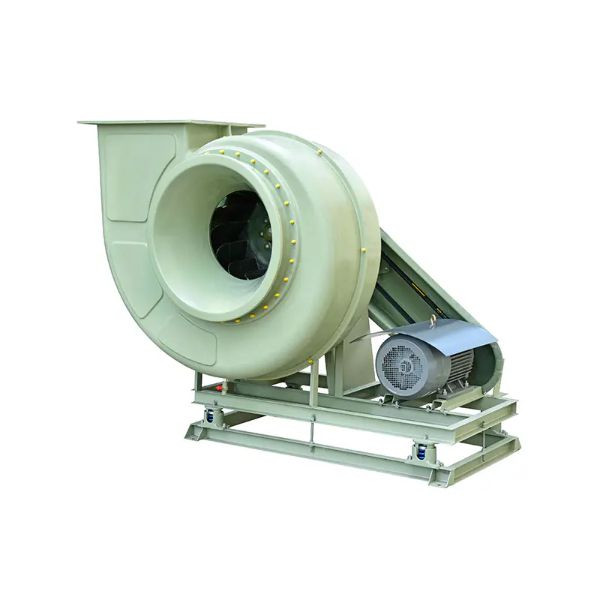
An axial fan may prove useful for moving air through larger open spaces, while centrifugal designs can suit systems where airflow needs to follow a more controlled path instead. A Square Inline Centrifugal Fan can be considered when ventilation equipment needs to fit within a compact or structured air path.
The square housing can make the design suitable for certain duct arrangements and installation spaces already built. A Centrifugal Air Fan can also get used in applications where air needs to be moved through a connected ventilation system running through the building.
The choice between different fan arrangements depends on factors such as building structure, airflow direction, available installation space, and system design already in place.
| Fan Design |
Potential Application Focus |
| Axial flow fan |
Open-area air movement |
| Bifurcated Axial Flow Fan |
Specialized industrial layouts |
| Square Inline Centrifugal Fan |
Structured duct systems |
| Centrifugal air fan |
Connected ventilation applications |
These categories shouldn't get treated as interchangeable products on a spec sheet. Each design has a genuinely different role within a ventilation system it's part of. Understanding that role helps manufacturers and facility managers avoid selecting equipment based only on appearance or general capacity alone.
How Is Industrial Ventilation Adapting To Changing Production Environments?
Production environments are rarely fixed in place for long. Factories may reorganize equipment, add new production areas, change work processes, or introduce additional automated systems onto the floor over time.
These changes can alter the way air moves through the building in ways that aren't always obvious right away. A ventilation system designed for an earlier layout may therefore become a lot less suitable once the production environment changes around it.
System upgrades can provide a genuine opportunity to reconsider fan locations, airflow paths, and equipment connections already in place. Instead of replacing every component wholesale, some facilities may adjust selected parts of the existing system instead.
This approach can allow ventilation planning to follow changes in the production area as they happen. A new production line may create an enclosed section that needs different airflow from the surrounding floor around it.
A relocated machine may also change the space available for ventilation equipment nearby. These changes can make flexibility a genuinely important consideration when planning industrial ventilation for the years ahead. Manufacturers and facility operators can benefit from viewing ventilation as part of the wider production environment, rather than as an isolated utility tacked on separately.
Why Does Fan Placement Matter For Air Circulation?
A fan can only provide useful ventilation when its airflow works with the layout around it on the floor. Walls, machines, storage racks, partitions, doors, and other structures can influence how air actually travels through a space.
A fan positioned too close to an obstruction may not circulate air through the intended area at all. Open production floors may allow more direct airflow, while crowded equipment areas may require a genuinely more carefully planned arrangement instead.
The direction of airflow should also match the purpose of the ventilation system it's part of. Some areas may need air to move across a workspace, while others may require air to travel toward a connected exhaust or duct system nearby.
This makes installation planning a genuinely important part of industrial ventilation from the start. The physical position of the fan can also affect maintenance access down the road.
Equipment that's difficult to reach may create unnecessary disruption when inspection or cleaning is required on schedule. A practical installation therefore needs to consider airflow, surrounding structures, worker movement, and service access all together as one picture.
How Can Ventilation Systems Support More Comfortable Production Areas?
Workers spend long periods inside many industrial facilities throughout their shift. The surrounding air movement can influence how the production environment feels during daily work on the floor.
Ventilation doesn't need to dominate the workspace to prove useful, though. Well-planned airflow can support circulation while allowing production activities to continue naturally around it.
Different areas may require genuinely different approaches depending on the room. A large open floor may benefit from broad air movement, while a smaller enclosed workspace may require a connected ventilation arrangement instead.
This is where different fan designs can work as parts of a larger system together. An axial fan may support general circulation, while centrifugal equipment may serve more structured airflow routes running through ducts.
The goal is matching the ventilation arrangement with the actual needs of each area on the floor. This can also make future adjustments easier once the facility changes down the road. A modular approach to system planning can give operators more flexibility when production layouts get reorganized later.
What Should Manufacturers Consider When Upgrading Industrial Ventilation?
Ventilation upgrades often happen while a facility is already operating day to day. This creates practical challenges because production may need to continue right through the installation work itself.
An upgrade should therefore consider the existing building structure and current ventilation arrangement already in place. The condition of existing equipment can also influence the upgrade strategy chosen for the project.
Some components may remain useful for years yet, while others may need replacement because they no longer fit the updated production environment around them. A clear assessment can help identify where changes are actually needed before work begins.
| Upgrade Consideration |
Practical Question |
| Existing fan system |
Can current equipment remain useful? |
| Plant layout |
Has production space changed? |
| Airflow paths |
Does air still reach the intended areas? |
| Equipment access |
Can routine maintenance be performed safely? |
| Future changes |
Can the system adapt to later layout updates? |
Upgrading ventilation is therefore not simply about adding new fans wherever there's room. It can involve adjusting airflow paths, changing fan positions, improving connections, or reorganizing equipment around the current production process already running. The choice of fan should follow these practical requirements laid out ahead of time. A China Axial Flow Fan, Bifurcated Axial Flow Fan, Square Inline Centrifugal Fan, or Centrifugal Air Fan may each have a place, depending on the ventilation arrangement already in the building. The surrounding system determines whether a particular design is genuinely appropriate for the job.
How Is Product Development Responding To Industrial Ventilation Needs?
Fan manufacturers are also responding to changes in industrial buildings across the sector. As factories become more automated, ventilation equipment needs to fit into spaces that may already contain complex production systems running.
Product development is therefore paying attention to installation flexibility, handling, maintenance, and compatibility with different ventilation layouts already in place. Manufacturers may develop different fan structures for different installation conditions on the floor.
This allows buyers to consider the relationship between the equipment and the building, rather than selecting a general-purpose product off a catalog. Customization can also become relevant for industrial projects with unusual requirements.
A facility may have a specific layout that requires ventilation equipment to work within existing structures already built. Product development can respond by considering the installation environment during the design process itself.
This approach connects manufacturing with actual industrial applications happening on real factory floors. The demand for practical ventilation is also encouraging closer attention to the entire product life cycle from installation onward.
A fan needs to get installed, operated, inspected, cleaned, and maintained as part of a working facility over years of use. Design choices that simplify these activities can influence how suitable a ventilation system feels in everyday industrial use. As automated plants continue to change their production layouts, ventilation systems are getting considered as part of the same planning process from the start. The growing connection between air circulation, equipment placement, workplace conditions, and system upgrades is shaping how modern industrial ventilation gets designed going forward.


 English
 русский
 عربى
عربى
 Inquiry