Industrial ventilation is becoming a more complex design task than it was even a decade ago. Factories are changing their layouts, production areas are becoming more specialized, and available installation space is often limited by equipment that arrived long after the building itself was designed. These changes are pushing fan manufacturers to think beyond simple air movement toward something a lot closer to systems engineering.
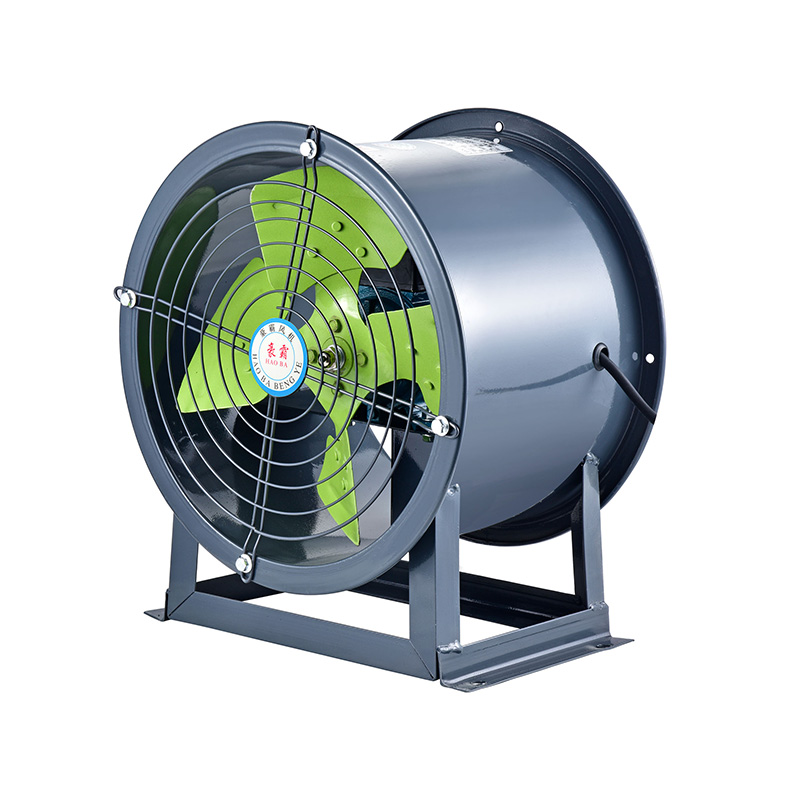
A modern industrial fan needs to fit the space where it will actually be installed, not just the space an engineer imagines on a clean drawing. It also needs to work with the surrounding air handling system and support the actual conditions of the facility, whether that's a metal stamping floor running hot machinery or a food processing room fighting moisture all day. This is creating new interest in different fan structures and application-focused designs across the industry. The market is therefore moving toward more flexible product planning rather than one-size-fits-all catalogs. A China Axial Flow Fan, for example, may suit one factory layout with a clear straight-line airflow path, while another facility may need a more compact centrifugal design tucked into a tighter corner. The choice depends less on a single product feature and more on how the entire ventilation system is organized around the building it serves.

Why Are Complex Factory Layouts Changing Fan Design?
Factory buildings are rarely simple open spaces the way a warehouse diagram might suggest. Production lines, storage areas, equipment, walls, platforms, and working zones can divide a building into many different areas, each with its own air quality demands. Air needs to move through this environment without interfering with daily operations happening a few feet away.
A fan selected for an open workshop may not suit a facility with separated production rooms, like a plant that splits welding from assembly behind a partition wall. Air may need to travel around obstacles or move through connected areas before reaching its intended destination on the far side of the building. This makes installation position an important part of product planning rather than an afterthought handled during final walkthrough.
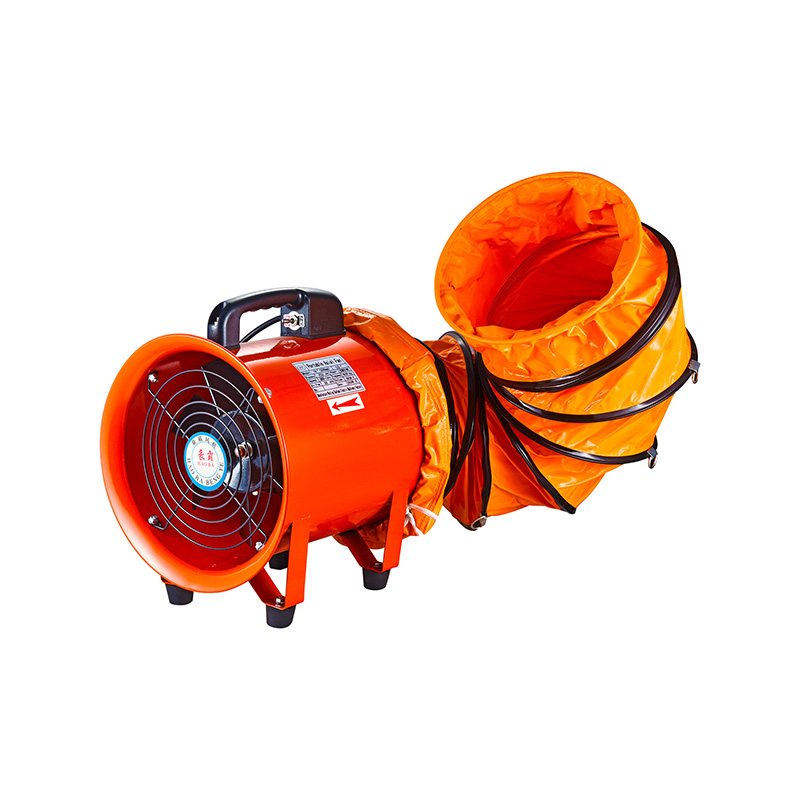
Manufacturers are responding by developing fans for different airflow paths and installation situations across a wider product range. Axial fans can be considered when direct air movement is suitable, like pushing warm air straight out through a wall opening. Centrifugal designs may be more useful where the ventilation arrangement requires air to travel through a more organized path involving bends and duct runs. The growing complexity of factory layouts also affects maintenance access in ways easy to overlook during initial planning. A fan cannot be considered only from the perspective of initial installation on day one. Workers need practical access for inspection and cleaning months later, especially when the surrounding equipment leaves little room to work comfortably.
This is changing how industrial buyers evaluate ventilation products at the purchasing stage. Instead of asking which fan moves air, they are increasingly asking which fan fits the building, the workflow, and the available service space around it.
How Is Limited Installation Space Influencing Industrial Fan Development?
Space has become an important design concern in many industrial facilities, particularly older buildings retrofitted for new production lines. Production equipment already occupies much of the available area, while ventilation equipment may need to fit above work zones, inside service areas, or close to existing ductwork that was never meant to be moved.
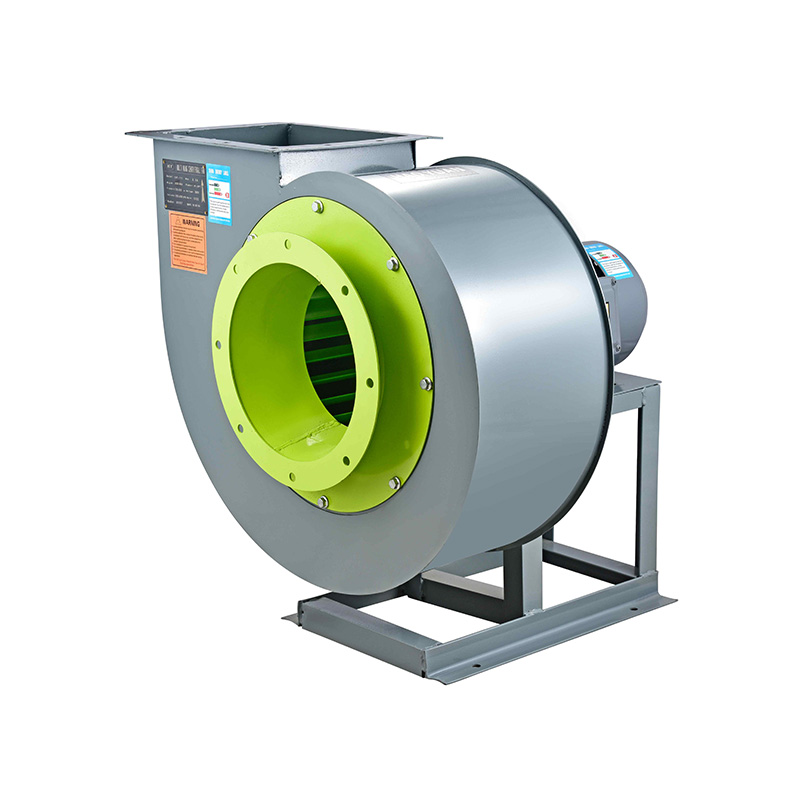
A large ventilation solution can create conflicts with other equipment sharing the same overhead space. It may also make maintenance a lot more difficult when access routes are narrow and crowded with conduit or piping. These practical issues encourage manufacturers to consider compact structures and different installation arrangements suited to tight quarters. A Square Inline Centrifugal Fan can fit into ventilation layouts where space along the air path is limited, slotting into a duct run without needing a large open area around the unit itself.
Compact design doesn't mean every facility should use the same fan regardless of layout. The surrounding structure still matters quite a bit here. A product that fits one installation may be unsuitable when another factory has different access conditions or airflow routes running through a different part of the building. Manufacturers are also paying more attention to installation flexibility across their product lines. Products may need to support different mounting arrangements so that ventilation planners have more freedom when working around existing factory structures that can't easily be modified.
| Installation Challenge |
Product Planning Concern |
Practical Design Direction |
| Crowded production areas |
Avoid interference with equipment |
Compact layouts |
| Narrow service areas |
Allow practical maintenance |
Accessible structure |
| Existing duct routes |
Fit available connections |
Flexible installation |
| Divided workspaces |
Support different air paths |
Application-specific designs |
| Limited ceiling space |
Reduce installation conflicts |
Space-conscious structures |
This focus reflects a wider change in industrial equipment design happening across many categories, not just fans. Products are increasingly being planned around the environment where they will be used, rather than treated as independent machines dropped into whatever space happens to be left over.
Why Does Ductwork Resistance Matter More in Modern Ventilation Planning?
Ductwork can change the way air moves through a factory in ways that aren't obvious from a floor plan alone. Long routes, bends, transitions, filters, and other components can make air handling a lot more demanding than pushing air through open space. The fan therefore needs to be considered as part of the complete ventilation path, not a standalone unit judged on its own.
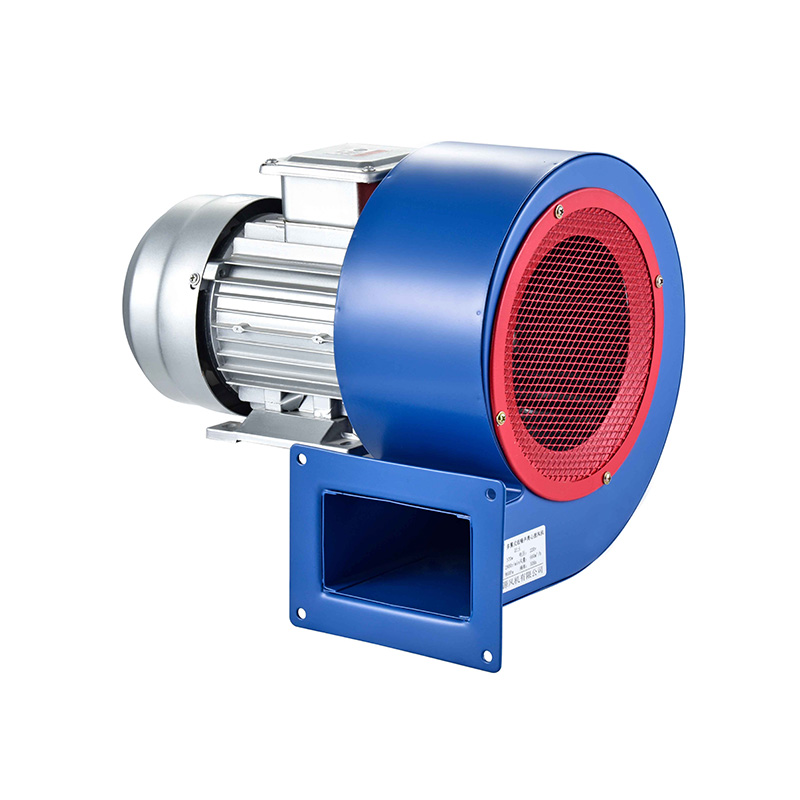
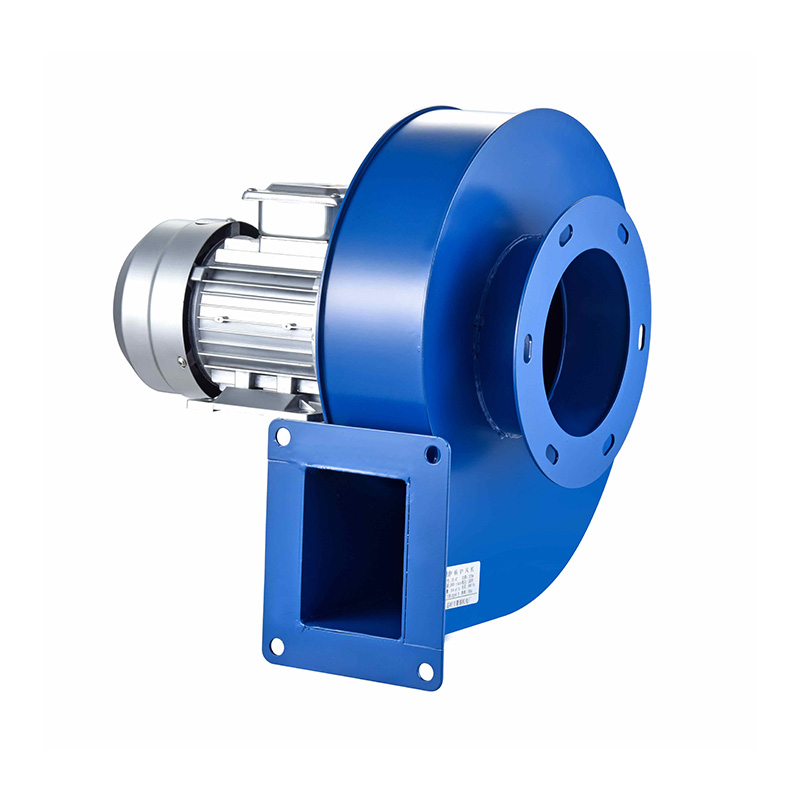
This is one reason fan selection cannot depend only on the size or appearance of the product sitting in a supplier's brochure. A fan that works well in a direct airflow arrangement may not perform the same way when the air must travel through a complicated duct system full of turns. Centrifugal designs are often considered when ventilation systems involve more structured air paths winding through a building. A Centrifugal Air Fan can be positioned as part of a system where air needs to move through connected ducts, rather than simply being pushed across an open area toward a wall vent.
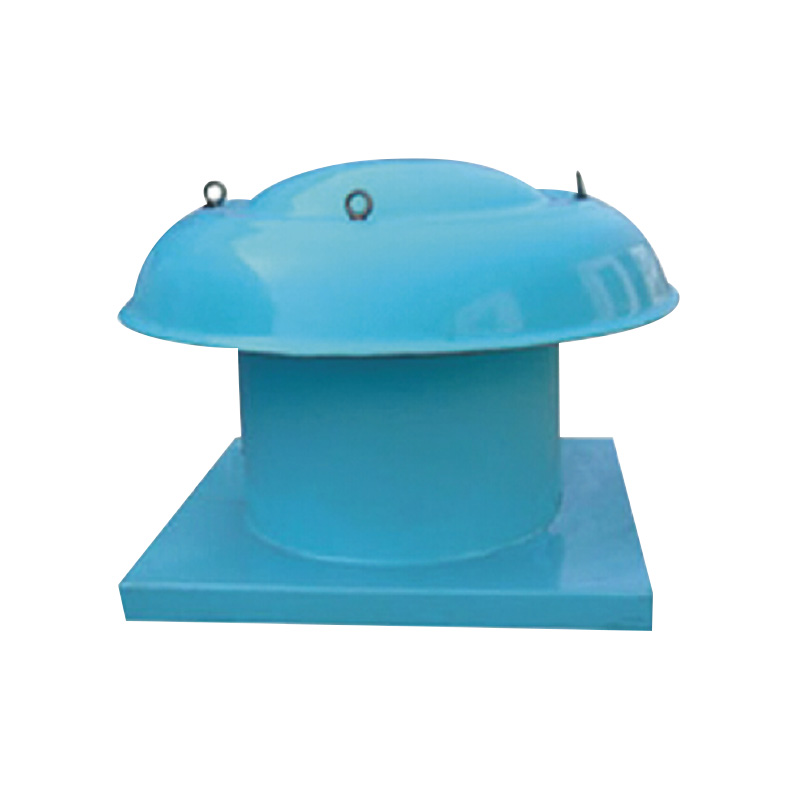
Axial designs have a genuinely different role to play in this comparison. A China Axial Flow Fan can be suitable for applications where direct air movement is more practical, such as open industrial areas or ventilation arrangements with a relatively clear airflow route requiring fewer turns. The important point isn't that one fan structure replaces another across the board. Different factory conditions create different requirements depending on the building's own geometry. Manufacturers need to explain those differences clearly so buyers can connect product selection with actual installation needs, rather than guessing based on a spec sheet alone.
This also creates opportunities for better product communication between suppliers and buyers. Clear application descriptions can help engineers, contractors, and purchasing teams understand how a fan may fit into a ventilation plan before they move into detailed product evaluation and quotes.
How Are Air Handling Requirements Changing Industrial Fan Applications?
Industrial ventilation is not always about moving ordinary air from one location to another, the way a household fan just circulates a room. Production processes can create heat, moisture, dust, odors, or other unwanted conditions that need active management. Different work areas may therefore require quite different approaches to air handling depending on what's happening on the floor.
A production room with heat-producing equipment, like a furnace line, may need continuous air movement around the working area to keep temperatures manageable for workers. Another space may require air to be guided through a duct route before it leaves the building, particularly if it's carrying dust or fumes that need filtering first. A storage area can have a different ventilation pattern again, often much lighter since it isn't generating heat or contaminants on its own.
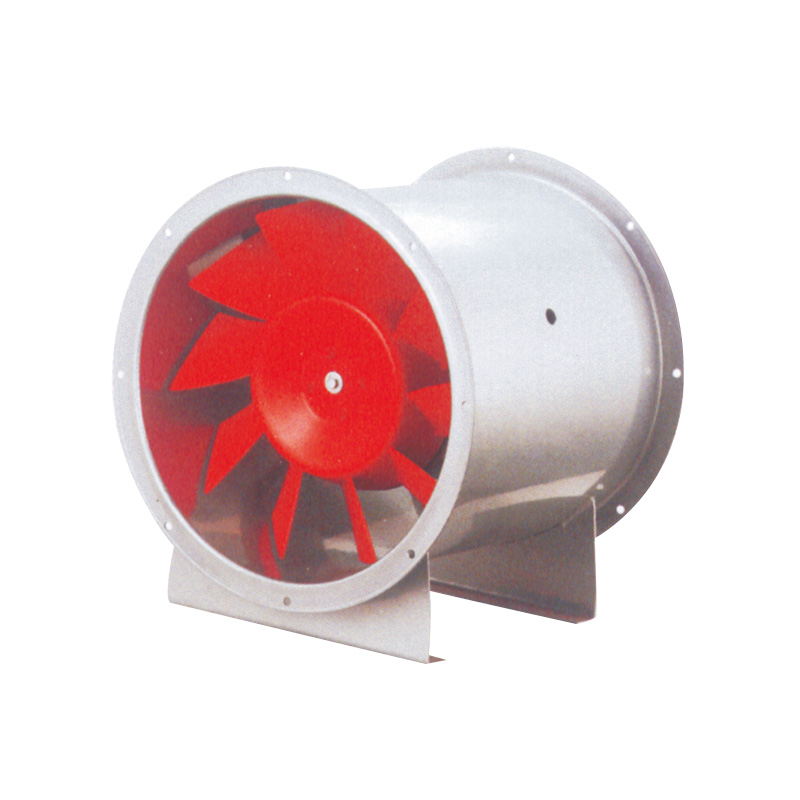
These differences are encouraging manufacturers to expand their application-focused designs rather than pushing one universal solution. The fan needs to match the role it will play in the wider air handling process specific to that facility. A Bifurcated Axial Flow Fan, for instance, can be considered when the installation arrangement creates special access or maintenance concerns, such as a fan mounted deep inside a duct run where the motor needs servicing without pulling the whole unit apart. Its structural concept can provide another option for industrial spaces where conventional fan placement is difficult to manage.
Such products shouldn't get promoted as suitable for every factory regardless of layout. Advertising and product descriptions need to remain connected to actual use conditions on the ground. Clear claims are a lot more useful than broad statements suggesting one design can solve every ventilation problem a buyer might face. The growing variety of industrial processes also makes product consultation more important than ever before. Buyers may need to describe the working environment, air route, available installation area, and maintenance conditions before selecting an appropriate fan type for their specific situation.
Can Different Fan Structures Help Factories Adapt to Changing Environments?
Industrial environments do not always remain unchanged for the life of a building. Production equipment can be moved during a retooling project, work areas can be reorganized as a business shifts focus, and new processes can be introduced that change the airflow needs entirely. A ventilation system that suited the original layout may later need adjustment once the floor plan looks different.
This creates real demand for fans that can fit changing system arrangements without a full ventilation redesign each time. Manufacturers are therefore paying attention to installation flexibility, access requirements, and compatibility with different ventilation layouts that might evolve over a building's lifespan. Axial and centrifugal products can each have a place in this changing environment depending on what a facility needs at a given moment. The choice depends on the air movement route, the surrounding space, and how the fan connects with other parts of the system already in place.
A Bifurcated Axial Flow Fan may attract attention in applications where service access is an important consideration, particularly in a building where reaching the fan later involves scaffolding or a lift. A Square Inline Centrifugal Fan may be considered where the fan needs to fit naturally into an existing duct arrangement without forcing a redesign of the surrounding ductwork. The value of product variety becomes a lot clearer here in practice. A factory does not necessarily need a completely new ventilation concept whenever its layout changes slightly. A different fan structure or installation approach may provide another practical option that works within the existing framework.
For manufacturers, this means product development can focus on adaptability as well as basic airflow functions that every fan needs to deliver anyway. A flexible product family can help serve facilities with different layouts without forcing every customer into the same design approach regardless of their specific building.
What Role Does Maintenance Access Play in New Fan Designs?
Maintenance is often overlooked during the initial equipment selection process, when the focus tends to sit on airflow numbers and price. Once a fan is installed inside a busy factory, however, access can become a genuine daily practical concern for the maintenance crew.
Workers may need to inspect the fan, remove accumulated material, check surrounding components, or carry out routine service on a schedule. If the installation area is difficult to reach, even simple maintenance work can become inconvenient enough that it gets postponed longer than it should. This is why new fan designs are increasingly considering service access as part of the overall product experience, not a separate concern handled after the sale. The physical structure should work with the surrounding installation, rather than creating unnecessary obstacles that a technician has to climb over.
A Bifurcated Axial Flow Fan can be relevant in discussions where maintenance access and installation conditions need careful consideration from the start. Its design approach can offer an alternative for facilities where conventional arrangements create access difficulties that slow down routine work. Centrifugal products also need evaluation from the same perspective when planning a system layout. A Centrifugal Air Fan installed within a duct system should allow the maintenance team to understand how the equipment can be accessed without disrupting nearby operations still running during the service window.
| Maintenance Concern |
Why It Matters |
Design Consideration |
| Difficult access |
Routine work takes more effort |
Service-friendly layout |
| Dust accumulation |
Can affect the working environment |
Easier cleaning |
| Crowded surroundings |
Workers have less room to work |
Practical installation |
| Equipment relocation |
Original access may change |
Flexible placement |
| Connected ductwork |
Fan access may be restricted |
Planned service routes |
A ventilation product is part of a working facility, not a piece of equipment that exists in isolation from the people who maintain it. Its long-term practical ity depends not only on airflow performance but also on how easily people can interact with it when something needs attention.
How Are Manufacturers Balancing Performance With Practical Installation?
Industrial buyers want ventilation equipment that fits their application without creating unnecessary installation problems down the line. This means manufacturers need to consider several factors at the same time, rather than optimizing one metric while ignoring the rest.
Product design must account for airflow needs, available space, connection arrangements, maintenance access, and the surrounding production environment all together. Focusing on one factor alone, like raw airflow capacity, can create problems elsewhere in the system that only show up after installation. This is especially relevant when comparing axial and centrifugal designs side by side for a given project. A China Axial Flow Fan may be suitable for one airflow arrangement with a clear straight path, while a Centrifugal Air Fan may fit another situation involving more duct complexity. The correct choice depends on the complete application, rather than a general ranking between product categories that ignores context.
Manufacturers can also make product ranges easier to understand by organizing them around common industrial situations buyers actually encounter. Instead of presenting many similar models with limited explanation, they can show how different structures relate to different installation conditions a purchasing team might recognize from their own facility. Product development can follow a similar approach grounded in field feedback. Feedback from factories, contractors, and maintenance teams can reveal practical issues that are difficult to identify through product design alone, sitting in an office far from the actual floor.
This creates a closer connection between equipment development and actual industrial use over time. New fan designs are not only responding to demands for air movement measured in a lab. They are also responding to limited space, complicated layouts, maintenance concerns, and changing production environments that shift year to year.
What Should Industrial Buyers Look for When Selecting a New Fan Design?
The selection process can become a lot easier when buyers begin with the application, rather than the product name printed on a spec sheet. A clear understanding of the factory environment gives manufacturers more useful information for matching a suitable design to the actual job at hand.
Several questions can help organize the discussion before a purchase decision gets made.
Where will the fan be installed? The available space and surrounding equipment can affect the practical choice significantly.
How will air travel through the facility? An open airflow path can create different needs from a system with extensive ductwork winding through the building.
What conditions exist in the working area? Heat, dust, moisture, odors, and process-related air changes can influence the application quite a bit.
How will workers access the equipment? Maintenance planning should be considered before installation, rather than after problems appear months into operation.
Could the factory layout change later? Flexible products may provide more options when production areas are reorganized down the road.
What role will the fan play in the wider ventilation system? The fan should be viewed as part of an air handling arrangement, rather than an isolated product judged on its own.
These questions can also improve communication between buyers and manufacturers working through a quote together. A Scooter Motorcycle Producer may organize products around different rider uses, separating commuter models from off-road designs, while an industrial fan manufacturer can organize its range around different ventilation situations in a similar spirit. In both cases, clear product positioning helps users understand which option matches their actual needs, rather than sorting through a catalog blind.
As factories continue to use more varied layouts and production arrangements across different industries, ventilation design is becoming closely tied to space planning, maintenance access, and air handling requirements that vary from one building to the next. This shift is encouraging manufacturers to develop industrial fans that can fit more naturally into the real working conditions of modern facilities, rather than asking every facility to adapt to a fixed product line.


 English
 русский
 عربى
عربى
 Inquiry