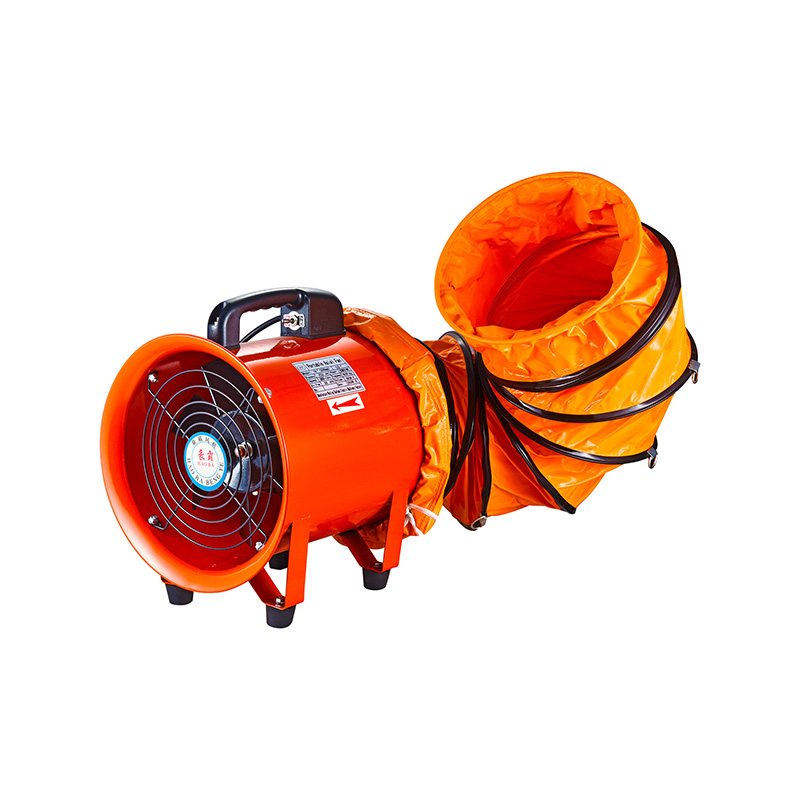
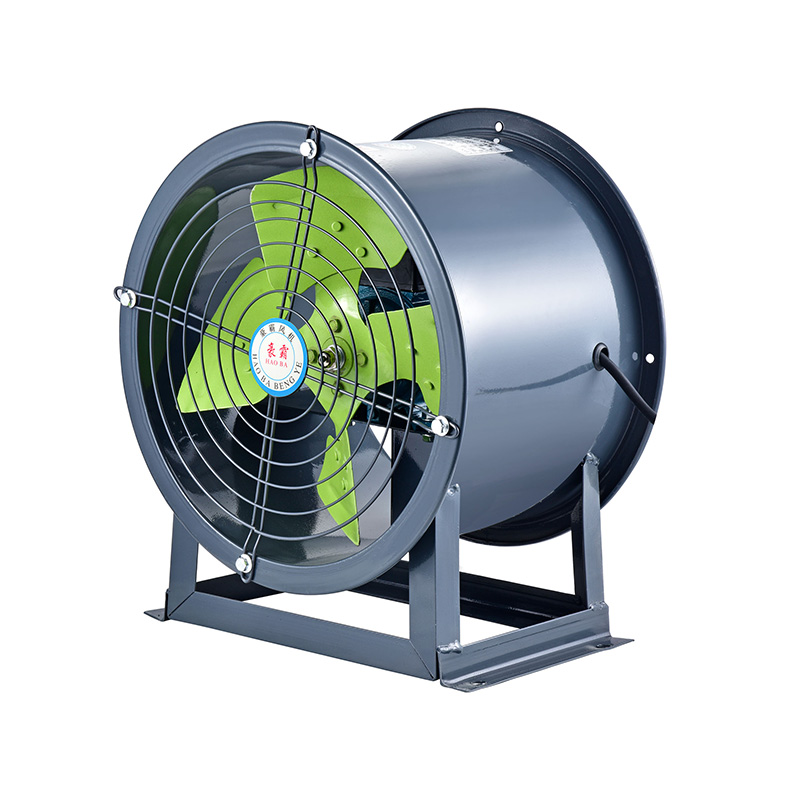
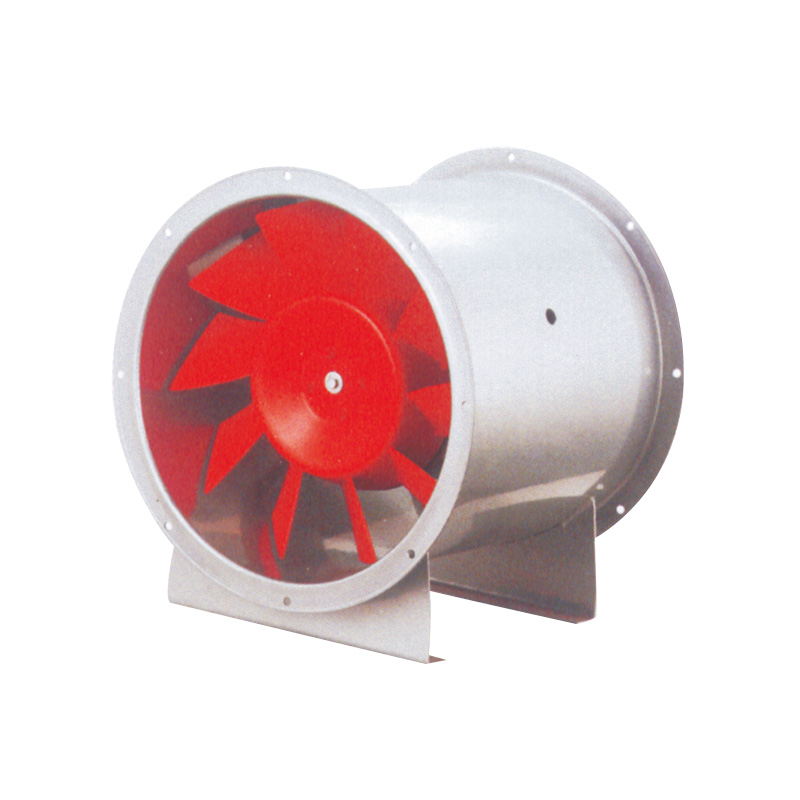
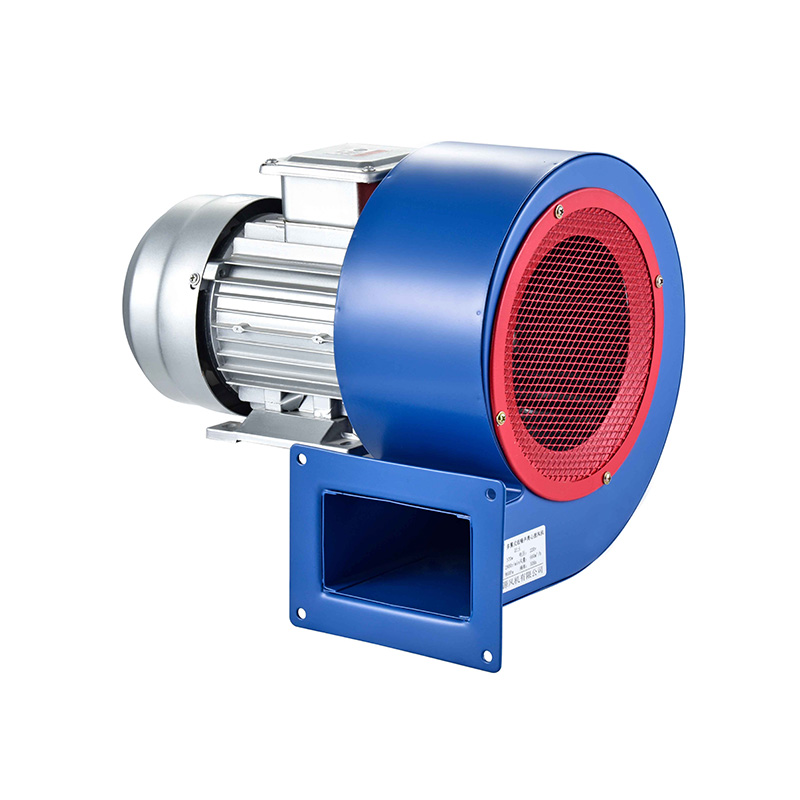
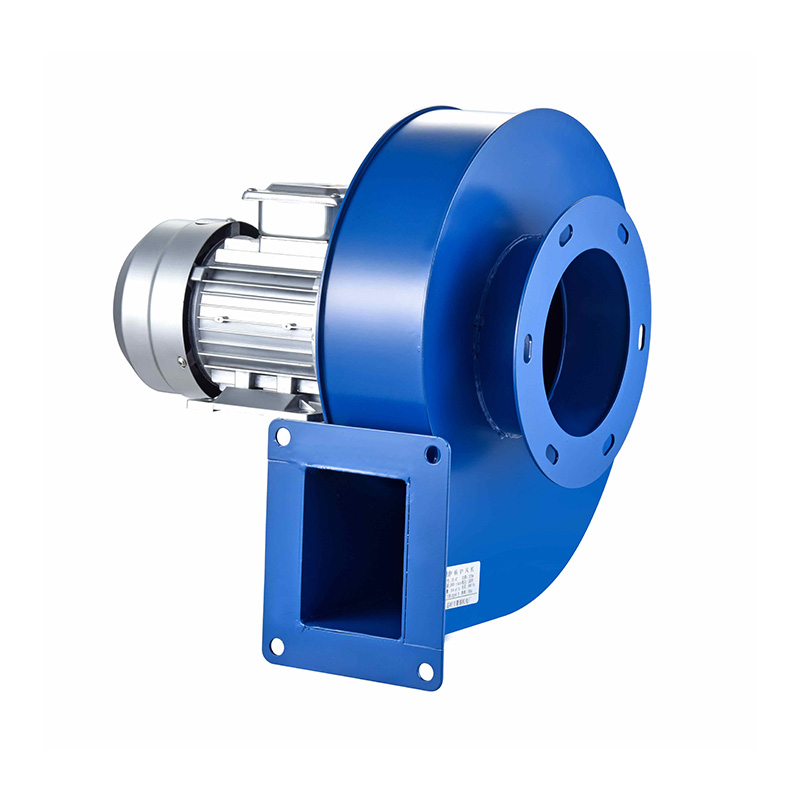
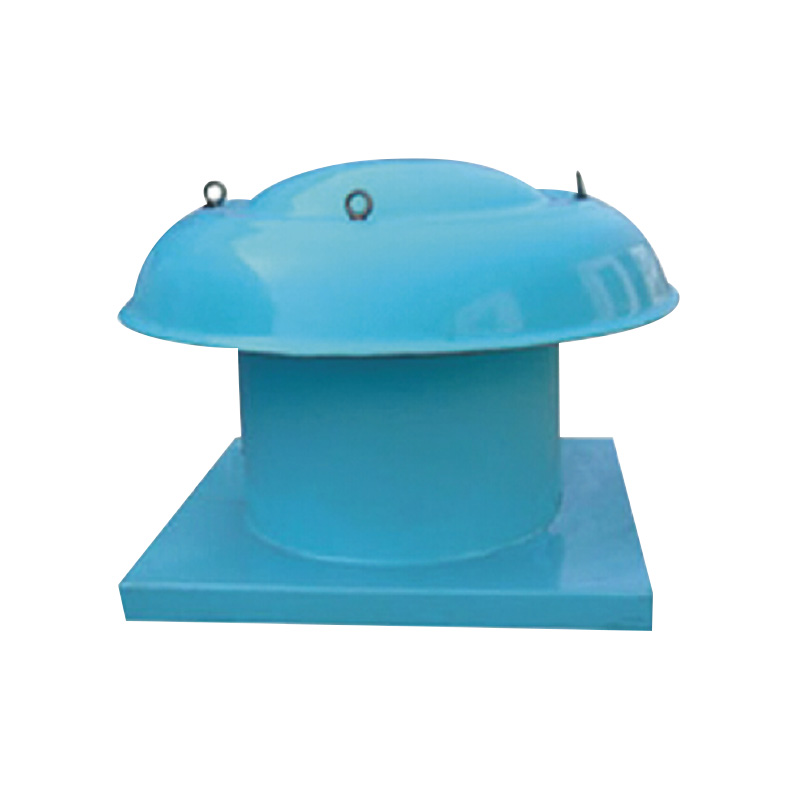
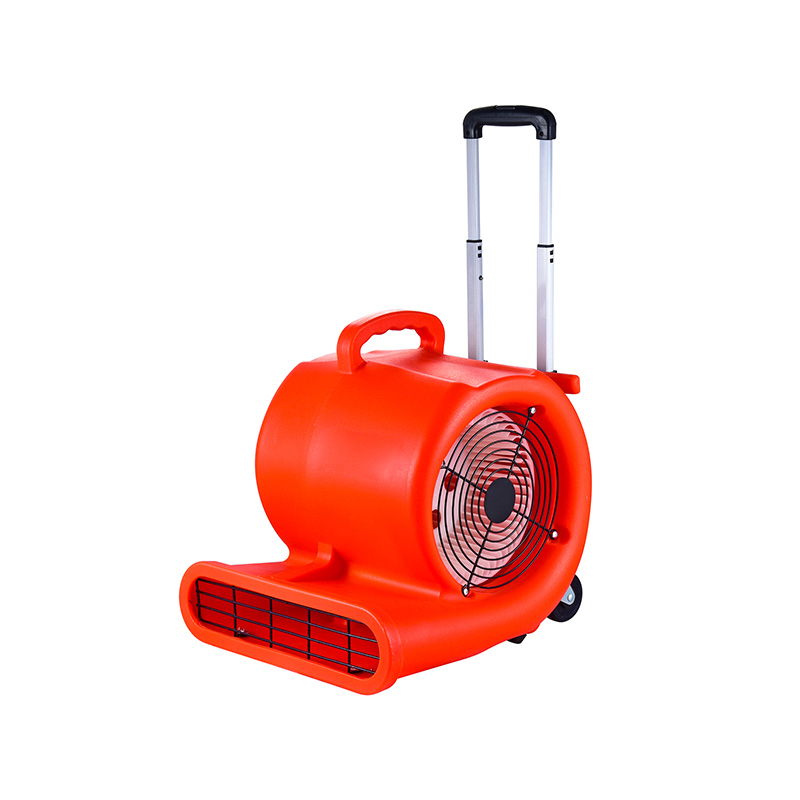
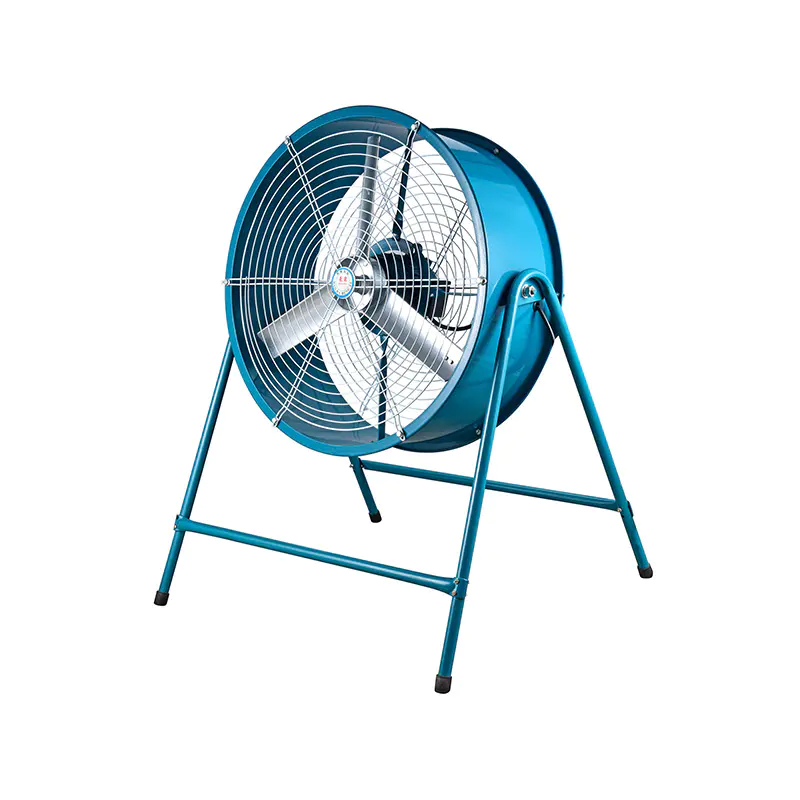
Walk into a factory floor in the middle of summer, with machines running full tilt and workers moving between stations, and the heat becomes obvious within a couple of minutes. Without something actively pushing that hot air out and pulling fresh air in, the whole space turns uncomfortable fast, and equipment running nearby starts feeling the strain too. An Axial Flow Fan Factory exists to solve exactly this problem, building fans that push air straight along their shaft direction, the same basic idea behind a household box fan, just scaled up to handle a warehouse instead of a bedroom.
Industrial spaces used to be simpler in layout, which made cooling somewhat easier to plan around. That's changed as facilities have grown larger, equipment arrangements have gotten more complicated, and the range of spaces needing airflow has expanded well past a single standard warehouse design.
Why Industrial Cooling Keeps Getting More Complicated
No two facilities handle heat the same way. A packaging warehouse with high ceilings and open floor space faces a different airflow challenge than a machine shop packed with equipment generating heat in tight corners.
A few shifts keep showing up:
- Larger facilities mean air has farther to travel before it actually circulates properly
- Equipment layouts keep changing as production processes get updated, which shifts where heat actually builds up
- Worker comfort has become a bigger factor in facility planning, not just an afterthought
- Energy costs have pushed businesses to look for airflow solutions that don't run up electricity bills unnecessarily
None of these pressures are unusual on their own. Together, they've made picking the right cooling equipment a more deliberate decision than it used to be.
What Makes an Axial Flow Fan a Practical Fit
The basic mechanics are straightforward. Blades mounted on a central shaft spin and push air in a straight line, parallel to that shaft, moving a large volume of air through open space rather than forcing it through tight ductwork.
This design tends to work well in situations like:
- Ventilating open factory floors where air needs to move across a wide area
- Circulating air through warehouses storing goods that shouldn't sit in stagnant heat
- Cooling workshops where machinery generates consistent heat throughout a shift
- Supporting airflow around equipment clusters that run hot during operation
- Managing air movement in large indoor spaces without complicated ducted systems
A distribution warehouse storing goods sensitive to heat buildup, for example, often relies on this kind of fan specifically because it moves air efficiently across a large open floor without needing an elaborate ventilation network overhead.
How This Actually Improves Air Circulation
Heat doesn't dissipate on its own in an enclosed space. It tends to settle near the ceiling or pool in corners away from doors and windows, leaving parts of a facility noticeably hotter than others.
| Airflow Challenge |
How the Fan Addresses It |
| Warm air collecting near the ceiling |
Pushes it toward exits or mixes it with cooler air below |
| Stale air sitting in corners |
Keeps air moving so it doesn't stagnate in one spot |
| Uneven temperature across a large floor |
Distributes airflow more evenly through the space |
| Heat building up near machinery |
Moves warm air away from equipment before it accumulates |
A workshop running welding equipment through a full shift benefits directly from this kind of movement, since heat from that equipment would otherwise concentrate right where workers are standing.
How the Same Fan Design Adjusts to Different Spaces
A small workshop and a sprawling manufacturing plant don't share the same airflow needs, even though both might rely on axial flow fans somewhere in their setup. What changes is size, mounting position, and how many units get installed.
| Space Factor |
How It Shapes the Setup |
| Ceiling height and room shape |
Determines how airflow travels and where fans should point |
| Equipment placement |
Affects where heat concentrates and needs targeted airflow |
| Type of work happening |
Some tasks generate more heat and need stronger circulation |
| Where the fan gets mounted |
Wall, ceiling, or floor placement changes airflow direction |
A facility running heavy machinery in one section and light assembly work in another often needs a different fan arrangement for each area, rather than treating the whole building as one uniform space.
Why Easy Installation Matters More Than It Sounds
Retrofitting a facility with cooling equipment that requires major structural changes tends to create headaches nobody wants to deal with mid-operation. Businesses generally want equipment that fits into a building as it already stands.
Flexible installation tends to support:
- Mounting in different positions depending on where airflow is actually needed
- Fitting into a range of ventilation layouts without custom construction
- Adjusting as workplace conditions or equipment arrangements shift over time
- Adding capacity later without tearing out existing infrastructure
A facility expanding its production floor benefits from fans that can be added incrementally as new sections open, rather than needing an entirely new ventilation system designed from scratch.
How Energy Concerns Are Shaping Fan Design
Running industrial equipment costs money, and airflow systems left running constantly without much thought tend to show up clearly on an energy bill. Manufacturers have been paying closer attention to how fans perform relative to what they cost to operate.
| Design Focus |
What It Supports |
| Better airflow control |
Moves air effectively without unnecessary running time |
| Simplified structure |
Cuts down on parts that need regular upkeep |
| Adaptable use across spaces |
Reduces the need for multiple specialized units |
| Straightforward operation |
Makes daily use and adjustment less complicated |
A facility running fans continuously through long shifts benefits from designs that move air efficiently without demanding excessive power just to keep circulation steady.
How Better Airflow Changes the Daily Work Experience
Cooling equipment often gets treated as purely mechanical, something that exists for the sake of machinery rather than people. But workers spending long hours in a hot, stagnant space feel the difference just as much as any piece of equipment does.
What steady airflow tends to support:
- Reduced discomfort during long shifts in warmer months
- Less buildup of stale air in areas without natural ventilation
- A more consistent working environment across different sections of a facility
- Fewer complaints tied to heat and poor air quality on the floor
A facility running summer shifts without adequate airflow tends to see workers fatigue faster and take more breaks, which axial flow fans help offset by keeping air actually moving rather than sitting stagnant.
What to Weigh Before Choosing a Fan
Picking equipment based on price or appearance alone tends to backfire once it's installed and doesn't actually solve the airflow problem it was meant to address.
| Factor |
Why It Matters |
| Where it'll be installed |
Ceiling height and room layout affect what actually works |
| What the airflow needs to accomplish |
Cooling equipment differs from general ventilation needs |
| Conditions inside the facility |
Dust, humidity, or heat levels affect what design holds up |
| How much upkeep it'll require |
Ongoing maintenance affects long-term reliability |
A facility dealing with heavy dust from production processes needs a fan built to handle that environment, which is a different consideration than a clean assembly area with lighter airflow needs.
How Manufacturers Are Responding to Shifting Demands
An Axial Flow Fan Factory doesn't stay static, since customer needs keep shifting as facilities change layout, scale up, or take on new types of work. Manufacturers keep adjusting based on what actually comes up in real installations.
Ongoing development tends to focus on:
- Building designs flexible enough to fit a wider range of facility types
- Improving how easily fans install into existing spaces without major modification
- Simplifying maintenance so upkeep doesn't become a recurring hassle
- Paying closer attention to how customers actually use these fans day to day
A manufacturer hearing repeated feedback about difficult maintenance access, for instance, tends to adjust future designs specifically to make routine upkeep less of a chore.
Where Industrial Cooling Seems to Be Headed
Facilities keep growing larger, layouts keep shifting to match new production needs, and the range of spaces requiring proper airflow keeps expanding well past a single standard warehouse model. Axial flow fans remain part of that picture because their basic design adapts reasonably well across different room shapes, equipment arrangements, and heat sources.
As businesses keep looking for cooling equipment that installs without major disruption, runs efficiently, and actually improves conditions on the floor, fans built around this kind of practical, adaptable design will likely keep showing up across more facilities — doing the quiet, ongoing work of keeping air moving long after anyone's stopped noticing the fan itself.


 English
 русский
 عربى
عربى
 Inquiry