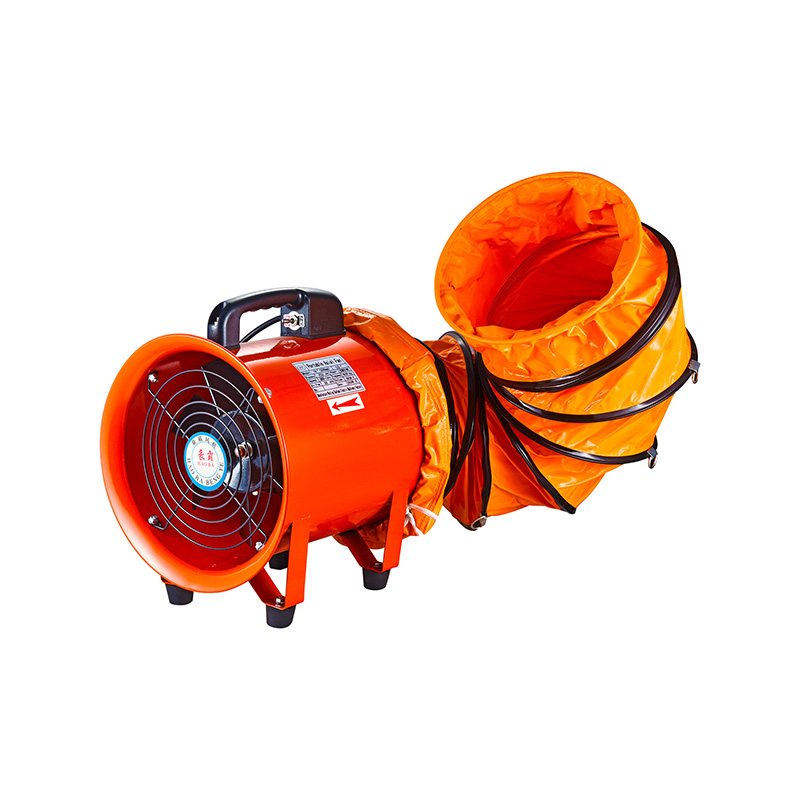
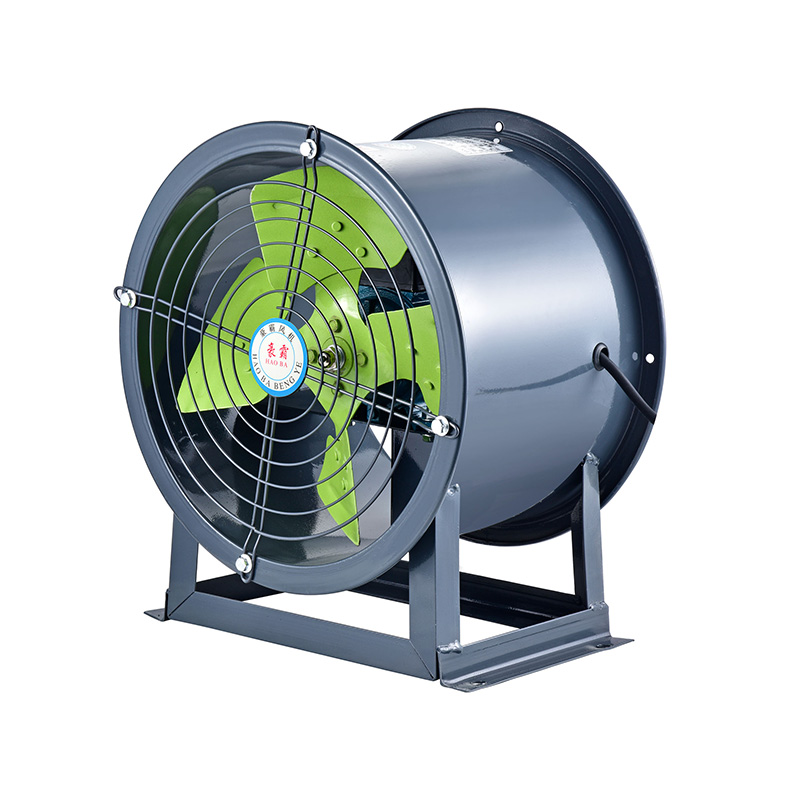
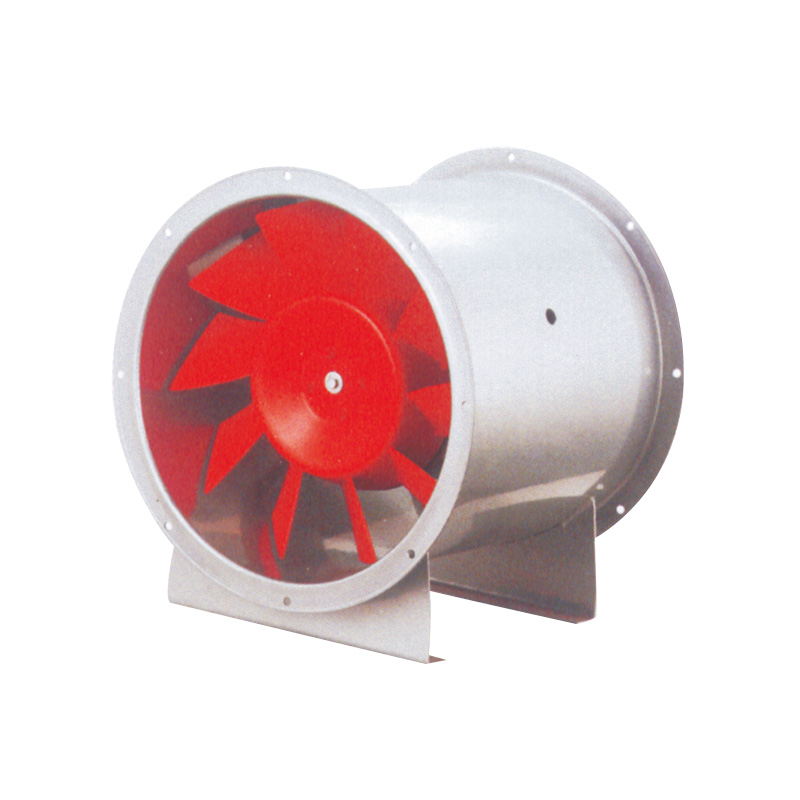
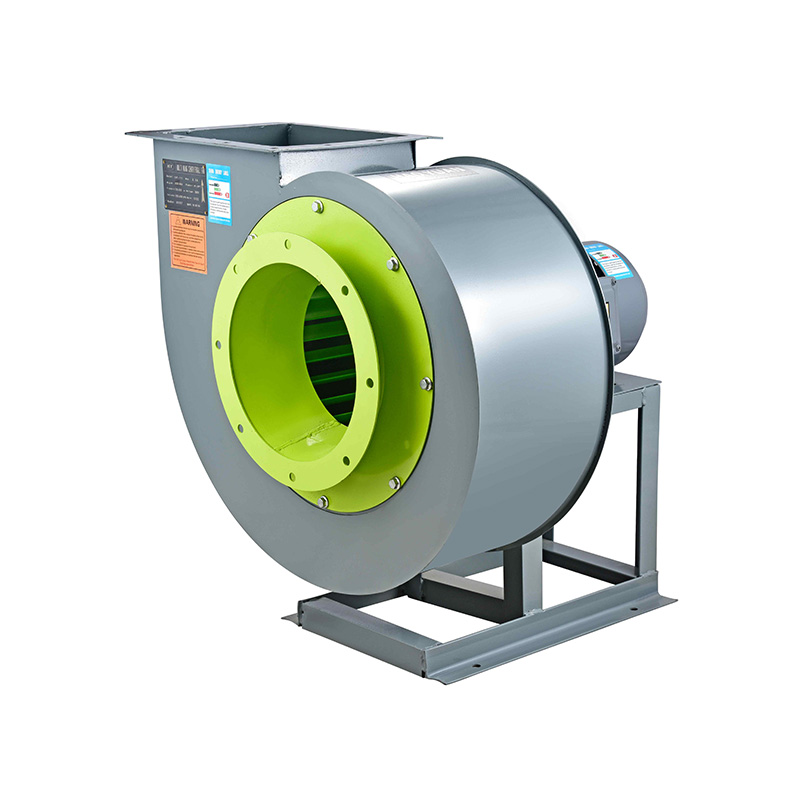
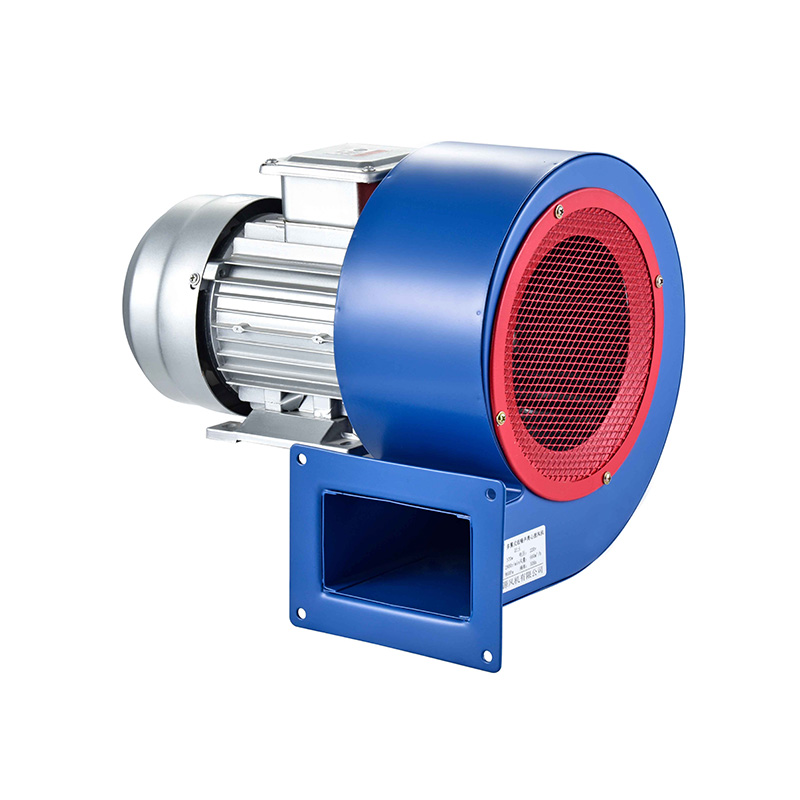
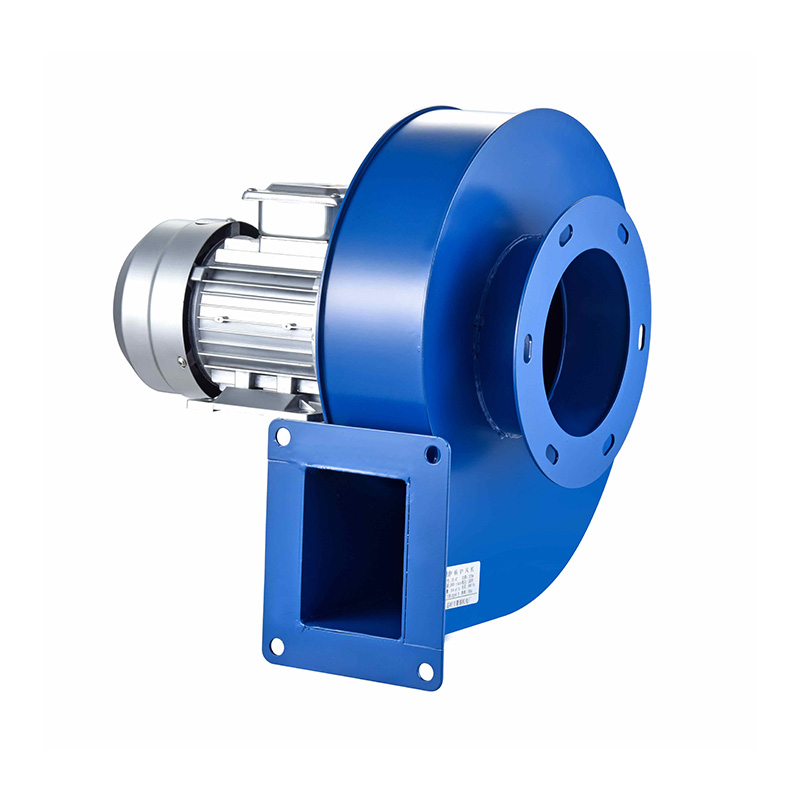
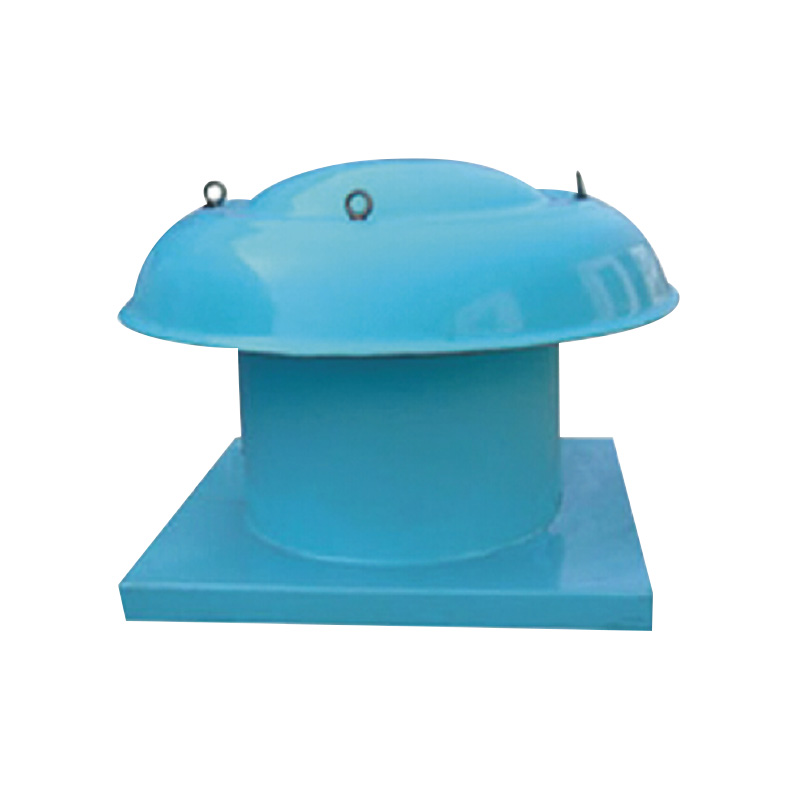
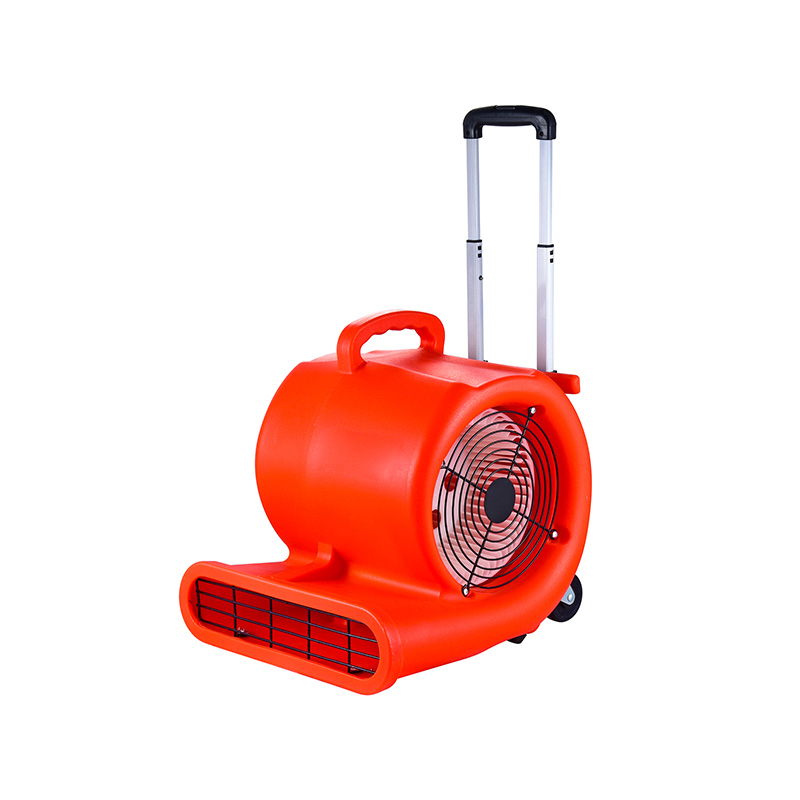
Walk into a greenhouse on a humid afternoon and the air feels thick enough to chew, plants wilting slightly under conditions that a simple open window won't fix. A few rows over, a fan hums steadily overhead, keeping that same air moving just enough to stop moisture from pooling and heat from settling into corners. That fan is probably doing more work than anyone standing there realizes, and a Multi Wing Fan is often exactly the kind of design built to handle that job — pushing air steadily through a space that would otherwise turn stagnant and uncomfortable fast. Basic desk fans and window units are fine for a quick cooldown, but they're not built for sustained, heavy-duty airflow across a warehouse, a barn, or an industrial cooling system. That's where a Multi Wing Fan's blade setup earns its place, moving air consistently enough to actually matter in settings where airflow isn't optional.
What Actually Makes a Fan a "Multi Wing" Design?
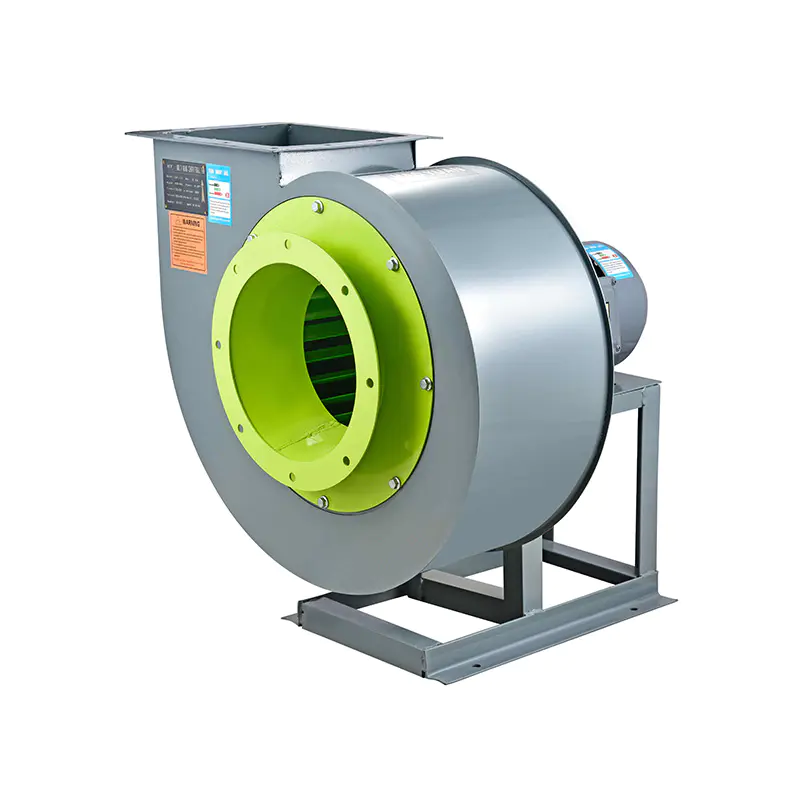
A Multi Wing Fan relies on several blades working together, arranged in a way that keeps the whole thing balanced while it pushes air through a space.
The goal behind that design is pretty straightforward — give equipment and buildings a reliable, steady stream of air instead of something that sputters or wobbles under continuous use.
A few parts that make this work:
| Component |
What It's Doing |
| Fan blades |
Physically pushes air forward as they spin |
| Housing |
Keeps airflow directed and protects the moving parts |
| Motor connection |
Passes power from the motor into actual blade movement |
| Blade arrangement |
Shapes how the airflow actually behaves once it leaves the fan |
This kind of setup can be tweaked depending on what it's actually being asked to do, which is a big part of why it shows up in so many different settings.
Multi Wing Fans tend to get chosen wherever air needs moving on a regular, ongoing basis — not just a quick blast of cool air, but something running for hours or days without missing a beat.
Why Does Moving Air Well Actually Matter This Much?
Air that just sits still causes problems fast — heat builds up in corners, moisture collects on surfaces, smells linger longer than anyone wants.
Good airflow helps with:
- keeping ventilation working the way it's supposed to
- managing temperature instead of letting it spike unpredictably
- making a space actually comfortable to spend time in
- cooling equipment that would otherwise overheat
- keeping air moving through rooms that don't have natural cross-breezes
Different settings care about different things here. A factory floor might need airflow mainly to keep machinery from overheating. A chicken coop or a barn might care more about keeping ammonia smells and humidity from building up around the animals.
Being able to move air in a controlled, predictable way is really why fan systems end up baked into so many buildings and pieces of equipment in the first place.
How Does a Multi Wing Fan Actually Improve Circulation?
The blade design is doing the heavy lifting here. Once the fan spins up, those blades push air outward and create a steady, ongoing current through whatever space it's installed in.
Having multiple blades spreads that push out more evenly than a simpler two-blade fan might manage, which tends to translate into smoother, more consistent airflow across a room instead of one strong gust followed by dead spots.
| Airflow Feature |
What It Actually Does |
| Smooth air push |
Keeps circulation feeling steady rather than choppy |
| Balanced blades |
Helps the fan run steadily without excess wobble |
| Flexible design options |
Lets the same basic fan fit different equipment setups |
| Continuous movement |
Keeps ventilation working around the clock if needed |
How well any of this actually plays out depends on more than just the fan itself — installation, nearby equipment, and what the space actually needs all factor in.
Picking a fan that's actually suited to the space tends to make the difference between air that moves the way it should and air that just sort of shuffles around without doing much.
Where Do These Fans Actually Show Up in Real Life?
Multi Wing Fans turn up across a surprising range of settings, mostly because airflow needs show up everywhere once you start looking.
Factories and industrial floors
Machinery generates heat, and keeping that heat from building up matters for both equipment lifespan and worker comfort. These fans often get built directly into cooling and ventilation setups on a production floor.
Farms and growing operations
Greenhouses, barns, and storage buildings depend on steady air exchange to keep humidity, heat, and odors from becoming a problem.
Offices, warehouses, and other commercial spaces
Bigger indoor areas need help keeping air moving evenly, especially in spots without a lot of natural ventilation.
Cooling systems generally
A lot of cooling equipment relies on fans to actually move air across coils, vents, or heat exchangers — without that airflow, the cooling side of things just doesn't work as well.
That range of use really comes down to one thing — Multi Wing Fans adapt well to whatever airflow job gets handed to them, as long as the design's matched to the actual space.
How Do These Fans Actually Help in Industrial Settings?
Factories and industrial buildings often run equipment that throws off a lot of heat, and letting that heat just accumulate creates real problems fast — for the machinery and for whoever's working nearby.
In these settings, airflow supports:
- keeping equipment running at a safer operating temperature
- making the workspace itself more tolerable to spend hours in
- supporting whatever ventilation process the building relies on
- managing temperature swings that could otherwise mess with production
A lot of manufacturing setups build fans directly into their cooling and ventilation systems rather than treating airflow as an afterthought.
A Multi Wing Fan tends to fit well here because its design can slot into different equipment layouts without needing a completely custom setup every time.
What actually gets installed still comes down to the specific environment, how the system's laid out, and what the airflow actually needs to accomplish.
Do These Fans Actually Make Sense on a Farm?
Agricultural spaces deal with their own particular airflow headaches — plants and animals both need conditions that stay within a reasonable range, and stagnant air makes that a lot harder to manage.
Multi Wing Fans show up in places like:
- greenhouses trying to manage humidity and heat
- barns and livestock buildings dealing with odor and moisture
- storage buildings holding grain or other agricultural products
- general farm buildings needing basic air exchange
Keeping air actually moving helps cut down on the dead spots where moisture pools or smells build up, which matters a lot in something like a livestock barn where poor air quality can genuinely affect animal health.
Farm operators tend to treat ventilation equipment as a real part of managing the whole operation, not just an add-on.
What actually works best comes down to how big the space is, what conditions actually need managing, and how the rest of the ventilation system is set up.
What Actually Makes These Fans Work Across So Many Different Jobs?
The flexibility built into Multi Wing Fan designs is really what lets them show up in such different places without needing a totally new fan invented for every scenario.
A few things behind that adaptability:
| Characteristic |
Why It Actually Matters |
| Multiple blades |
Handles a wider range of airflow demands |
| Compact design options |
Fits into tighter equipment layouts when needed |
| Adjustable setups |
Lets the fan get tuned for a specific application |
| Steady airflow output |
Keeps performance consistent over long stretches of use |
Different industries genuinely need different things from a fan. What works well cooling a server room isn't necessarily what works in a dusty grain silo.
Getting the fan matched properly to its actual environment tends to matter more than most people initially assume.
How Should One of These Fans Actually Be Maintained?
Fans running continuously in industrial or farm settings pick up dust, grime, and wear a lot faster than a household fan running an hour a day.
A few habits worth keeping up:
- wiping dust off fan surfaces regularly
- checking blades for cracks, warping, or buildup
- looking over electrical connections periodically
- paying attention if the fan starts sounding or running differently than usual
- sticking to whatever maintenance schedule the manufacturer recommends
Dust buildup in particular can quietly throw off airflow performance over time, even before anything looks obviously broken.
How often maintenance actually needs to happen depends a lot on where the fan's installed and how hard it's being run day to day.
What's Worth Thinking Through Before Choosing One?
Picking the right fan really comes down to understanding what it actually needs to accomplish in its specific setting.
| Factor |
Why It Actually Matters |
| The actual environment |
Different spaces need very different airflow approaches |
| Where it'll be installed |
Shapes how and where the fan can realistically go |
| What the airflow's actually for |
Helps match fan design to the real goal |
| Ongoing maintenance needs |
Affects how well it holds up over the long run |
| Fit with existing equipment |
Keeps the whole system working together properly |
A fan should genuinely match the system it's going into, not get picked just because it looked like the right size on a shelf.
Talking to someone who actually understands the specific application tends to save a lot of trial and error compared to guessing.
Where Is This Fitting Into How Buildings Manage Air Now?
Modern buildings and industrial setups keep leaning harder into better airflow management, especially as spaces get more specialized in what they're actually being used for. Multi Wing Fans fit into that shift by offering something adaptable enough to handle a lot of different airflow demands without needing a completely different fan for every single use case. They show up in factories keeping machinery cool, farms managing humidity and odor, offices trying to keep air from feeling stale, and cooling systems that depend entirely on steady airflow to function properly. By keeping air moving smoothly and consistently, Multi Wing Fans end up playing a quiet but genuinely important role in all these environments where ventilation, cooling, and general air quality are just part of how the space is expected to run day after day.


 English
 русский
 عربى
عربى
 Inquiry