An office worker on a call in a shared workspace shouldn't have to raise their voice over a droning fan just to be heard, and a diner at a restaurant table shouldn't feel like they're sitting next to a machine shop. Commercial buildings are paying a lot more attention to indoor air quality lately, and that attention now stretches across offices, retail stores, restaurants, workshops, warehouses, and public facilities that all need steady air movement while still feeling comfortable and reasonably quiet to the people actually spending their day inside them. This has genuinely changed how businesses think about ventilation equipment. Air movement isn't treated as just a technical requirement anymore. Noise, installation conditions, day-to-day comfort, and the specific needs of different commercial areas are now part of the same conversation, not separate concerns handled by different people.
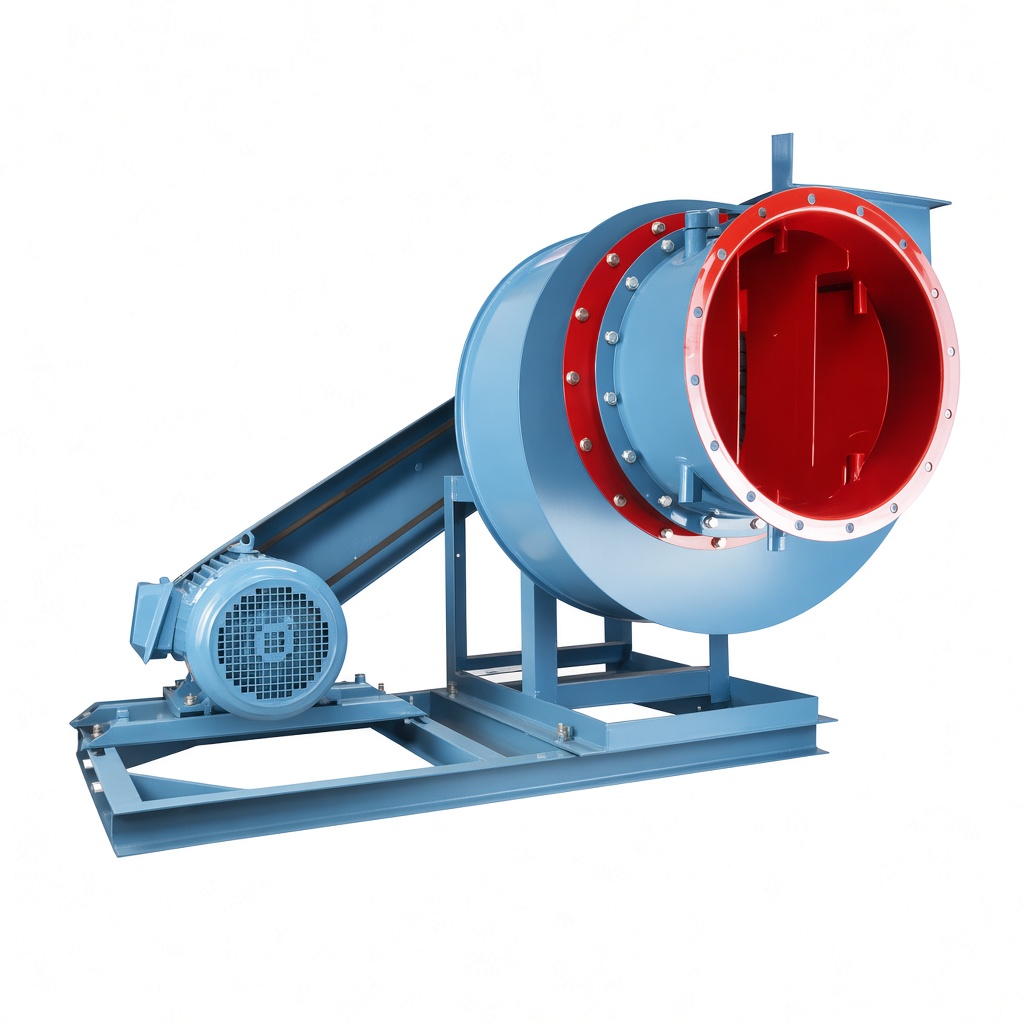
Quiet centrifugal fans have picked up real attention in this shifting landscape. They move air through commercial ventilation systems while also helping businesses keep unwanted sound under control, which matters a lot in places where ventilation can't really be separated from the daily experience of the people working, shopping, or eating there. That growing interest doesn't mean one fan design suits every building, though. Commercial spaces vary a lot from one to the next. A restaurant kitchen has very different ventilation needs than a quiet office. A storage warehouse differs from a busy retail floor. A workshop usually cares more about moving air, while a quiet indoor environment cares a lot more about sound.
Understanding where quiet centrifugal fans actually fit into these different settings helps facility managers, equipment buyers, and ventilation planners make choices that hold up in the real building, not just on a spec sheet.
Why Noise Is Becoming Part of Commercial Ventilation Planning
Ventilation creates movement, and movement tends to create sound. In a commercial building, that sound becomes genuinely noticeable once equipment runs continuously, day after day, hour after hour.
A fan that's perfectly fine in a storage room can feel intrusive sitting in an office. In a restaurant, background mechanical noise makes conversation at the table harder and less pleasant. In a retail store, constant droning can quietly change the whole mood of the space without a shopper even realizing why they feel a bit on edge.
This is exactly where quiet operation becomes a genuinely useful thing to look for.
A quiet centrifugal fan is built for situations where moving air and controlling sound both need to happen together. The point isn't making a fan completely silent — that's not realistic. The real focus is cutting down unnecessary disturbance while still keeping airflow doing its job.
Noise control has a practical side too. When ventilation equipment produces less noticeable sound, businesses gain more flexibility about where they can actually install it — closer to a dining area, near a reception desk, above a meeting room — spaces where a loud fan would otherwise be ruled out entirely.
Commercial ventilation is genuinely moving toward a more balanced approach because of this. Airflow still matters, obviously, but the surrounding environment matters just as much now. This shows up especially in spaces where people stay for long stretches — offices, hospitality venues, clinics, schools, and commercial service areas all benefit from ventilation planning that weighs both air movement and acoustic comfort from the start.
How Centrifugal Fans Move Air Through Commercial Spaces
Commercial buildings usually have several rooms, sections, and enclosed areas connected together, and air often needs to travel through that connected layout rather than just circulate freely around one open room.
That's a big reason centrifugal fan designs get considered so often for commercial ventilation work.
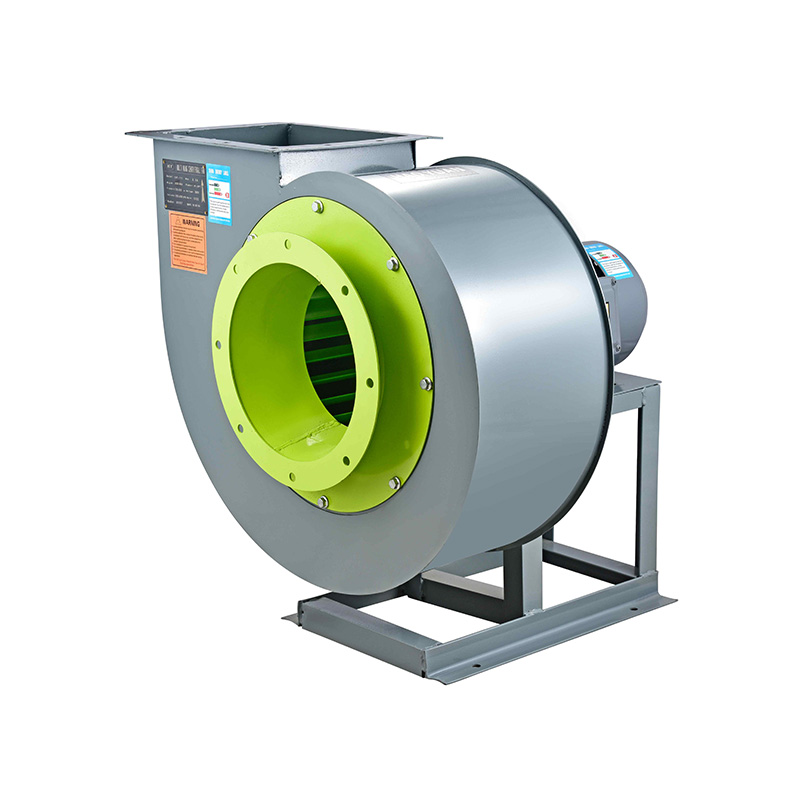
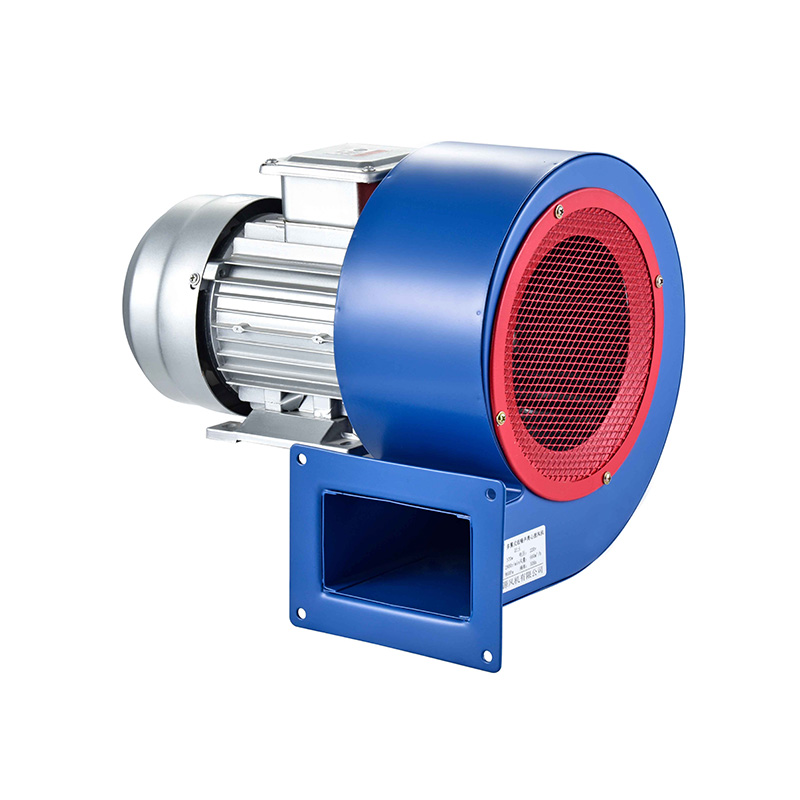
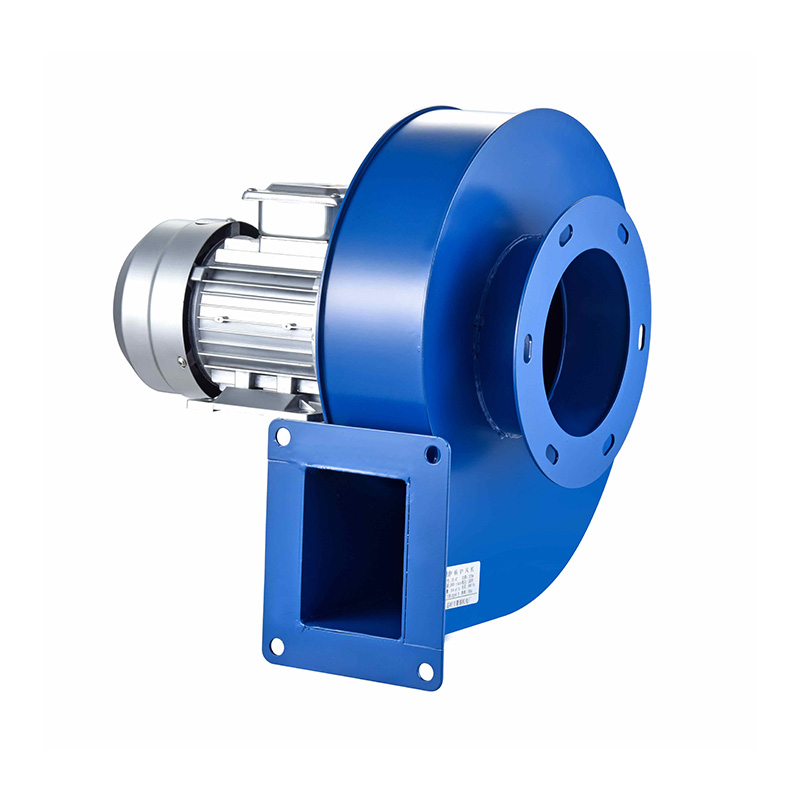
A centrifugal force fan uses a rotating internal structure to push air through the system, and that design works well with ventilation arrangements where air has to travel through connected pathways — ducts running between rooms, service corridors, or multiple zones tied into one system.
That makes centrifugal fans a good fit for applications where the fan isn't just blowing air across an open floor, but actually driving air through a structured path from one part of a building to another.
The wider ventilation system matters just as much as the fan itself here. Air comes in from one area and moves toward another, and the fan supports that movement as part of the whole arrangement. When the system's planned carefully, airflow gets directed exactly where it's needed instead of just spreading out without any real purpose behind it.
That makes commercial ventilation feel a lot more organized in practice. A building might have occupied rooms that need steady fresh air brought in, alongside separate areas where stale or used air needs to get pulled out. Different fan placements support these different jobs depending on how the facility's actually laid out.
This approach helps a lot in buildings with limited space too. Equipment often has to squeeze into service areas, ceiling voids, wall openings, or dedicated mechanical rooms. A centrifugal design makes sense when the airflow path and the physical installation space call for exactly that kind of equipment.
What Sets Commercial Ventilation Apart From Ordinary Air Movement
A commercial ventilation system has to work within the actual rhythm of a business, not just move air in the abstract.
A store gets busy at certain hours and quiet at others. A restaurant's indoor conditions shift constantly during food prep and dinner service. An office has different occupancy patterns across different rooms throughout the day. A warehouse mixes large open storage areas with smaller enclosed offices or break rooms.
All of this makes ventilation a lot more than simple air circulation.
Commercial centrifugal fans get considered often because they work well as part of systems built around specific zones and airflow paths. The exact role changes depending on the building, but the basic idea stays consistent: move air where it's actually needed while fitting cleanly into the broader ventilation setup.
The surrounding environment shapes the choice too. A fan sitting close to customers has different considerations than one tucked away in a service room. Equipment near workstations needs more attention paid to sound. A fan installed in a tight service area needs more attention paid to accessibility and available space instead.
Maintenance follows the same logic. Commercial equipment runs as part of a working environment, and access for inspection and cleaning should get planned during installation, not tacked on as an afterthought once the fan's already bolted in place somewhere hard to reach. A ventilation system nobody can easily get to just creates unnecessary extra work for facility staff down the line.
This is why fan selection for commercial spaces increasingly considers the whole operating environment, rather than treating the fan as a standalone purchase decision.
How a Low Noise Axial Flow Fan Compares With a Centrifugal Design
Different fan designs suit different ventilation arrangements, and it's worth understanding the basic difference before picking one.
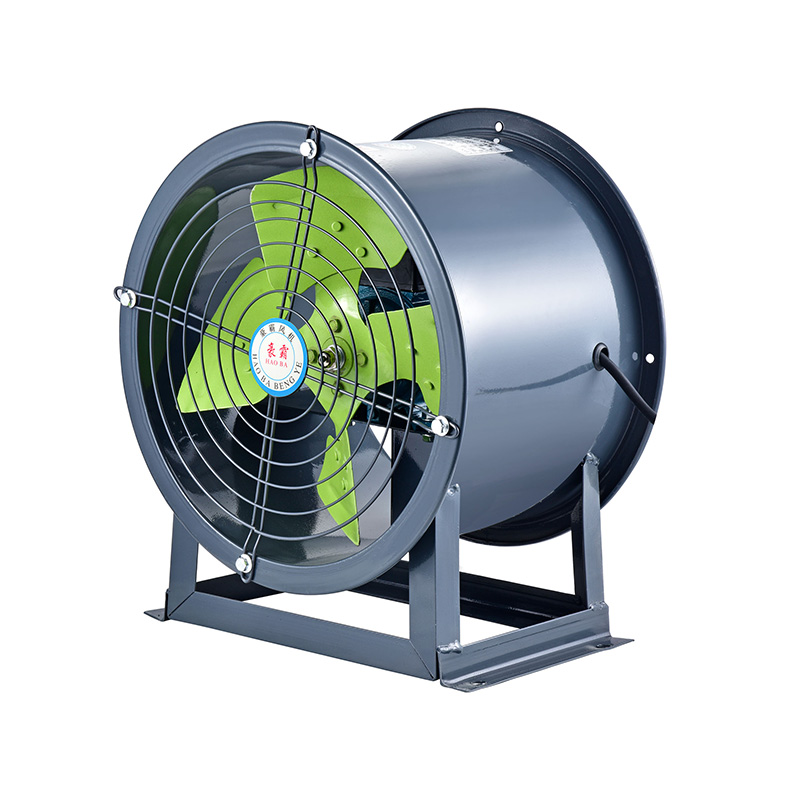
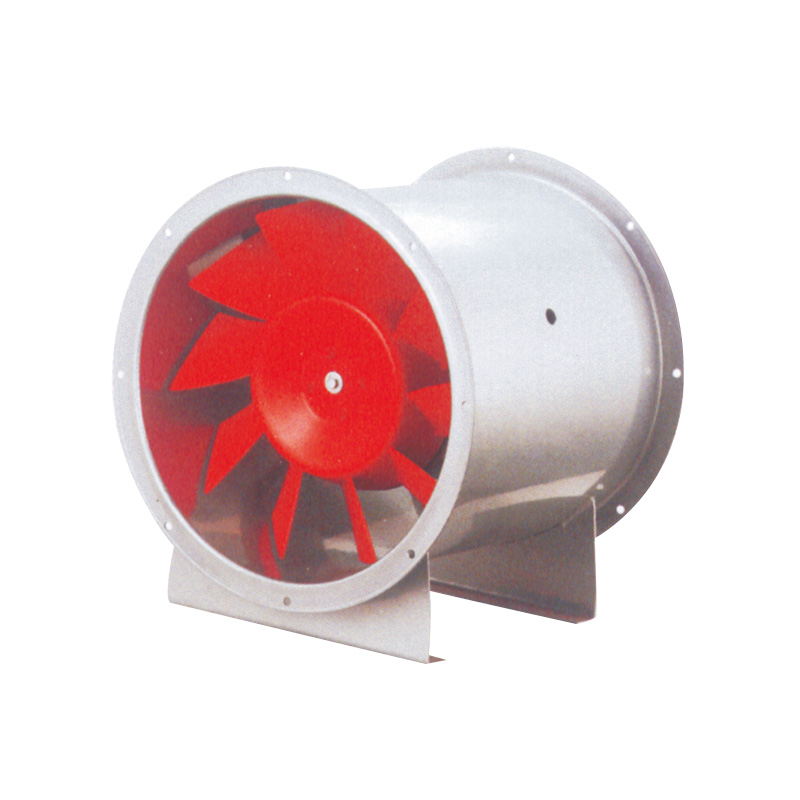
A low noise axial flow fan generally moves air straight along the direction of its rotating blades. That design works well where air needs to travel through a fairly direct, straight-line path.
A centrifugal design works differently. Air enters the fan and gets redirected outward as the internal structure spins, which suits systems where the airflow path is more structured or has to change direction along the way.
This isn't really about declaring one design better than the other — it's about matching the fan to the actual building. An open commercial area with a fairly direct ventilation path might call for one approach. A system with connected passages, enclosed sections, or a more defined, winding airflow route might make the other design more practical.
Noise needs to be weighed alongside airflow needs here too. A low-noise axial fan can suit an application needing direct air movement with limited sound. A quiet centrifugal design tends to make more sense when the ventilation arrangement genuinely calls for a centrifugal structure and sound still needs to stay under control.
The building layout should really be what guides this decision. Rather than picking equipment based on one single feature, commercial buyers do better looking at airflow direction, installation location, occupied areas nearby, maintenance access, and expected operating conditions all together as one picture.
Where Quiet Centrifugal Fans Actually Show Up in Commercial Buildings
The range of applications is broad simply because commercial ventilation needs show up in so many different kinds of spaces.
Offices need continuous air movement while keeping a comfortable working atmosphere intact. Mechanical noise becomes genuinely distracting once equipment sits near desks or shared work areas where people are trying to focus or take calls. A quiet centrifugal design fits well when the ventilation system needs controlled airflow without turning the fan into something people notice all day.
Restaurants deal with shifting ventilation demands throughout service. Kitchens, dining rooms, storage areas, and service spaces all carry different requirements. The fan can sit away from occupied dining areas while staying connected to the broader ventilation system, and quiet operation matters a lot wherever dining comfort is genuinely part of the customer experience.
Retail spaces need to balance equipment with the overall customer experience. Ventilation should support indoor comfort without drawing attention to itself. Quiet fan operation keeps mechanical noise sitting in the background while airflow keeps moving through the store.
Workshops and work areas often need stronger air movement given the nature of the work happening there. But noise still matters, since employees spend long stretches of their day in these spaces. The right fan depends on the facility's layout and airflow arrangement — a centrifugal design makes sense when air needs to move through a defined route rather than just circulate loosely.
Warehouses typically combine large open storage areas with offices and smaller enclosed workspaces, so ventilation planning often has to account for several distinct zones rather than treating the whole building as one uniform space. The fan gets evaluated based on exactly where it's going and how air needs to move through that particular layout.
How the Installation Environment Affects Fan Performance
A fan never operates in isolation from its surroundings — the installation area itself shapes how well the whole ventilation system actually performs.
Space constraints, the airflow path, nearby walls, where other equipment sits, and how easy the fan is to reach for maintenance all deserve real attention before installation, not after.
Noise behaves differently depending on the surrounding space too. A fan sitting in an open service area sounds different from one tucked inside an enclosed room. Nearby surfaces can change how sound gets perceived by people in occupied rooms nearby — a hard-surfaced mechanical closet can actually amplify noise that would otherwise dissipate in a more open area.
This makes installation planning genuinely important, not just a formality. A commercial ventilation system should let air move naturally through its intended path. Poor placement can make even a well-chosen fan feel less comfortable in daily use.
Maintenance access is a real practical concern too. Dust, dirt, and general operating wear gradually affect any piece of ventilation equipment over time. If staff can't easily get to the fan, routine care becomes a lot harder to keep up with, and problems tend to go unnoticed longer than they should.
For commercial properties, sensible installation planning really comes down to three connected questions: where the fan actually sits, where the air needs to go, and where people spend their time. These details sound simple written out, but they genuinely shape the daily experience of everyone inside that building.
Why Businesses Are Looking More Closely at Fan Applications
Commercial ventilation decisions are becoming a lot more application-focused than they used to be.
Instead of just asking whether a fan moves air, buyers are increasingly asking how a given piece of equipment fits the actual building it's going into. The questions get more specific: Where exactly will the fan operate? Who's going to be nearby? How does air need to travel through the space? How much room is actually available? How will someone maintain it down the line?
This kind of thinking pushes toward more careful product selection overall. A centrifugal force fan might suit one ventilation arrangement well, while a low noise axial flow fan makes more sense somewhere else. Commercial centrifugal fans support a wide range of building applications, but how well they actually fit still depends on the surrounding system they're being installed into.
The same logic applies to quiet centrifugal fan products specifically. Quiet operation genuinely adds value, but it needs to get weighed alongside airflow requirements, installation conditions, maintenance needs, and what that particular room's actually used for.
This matters even more as commercial properties fill up with mixed-use spaces. A single building might contain offices, meeting rooms, a kitchen, storage areas, customer-facing spaces, and mechanical rooms all under one roof. Each of those areas places different demands on ventilation. Rather than applying one blanket solution across the whole building, ventilation planning increasingly accounts for what each specific area actually needs to function well.
What Commercial Buyers Should Consider When Choosing a Fan
The purchasing process gets a lot clearer once the main questions stay practical and grounded in the actual building.
Where will the fan actually get installed? Available space and the surrounding environment shape the choice, and installation needs to leave enough room for normal inspection and servicing later.
Where does the air actually need to go? The intended airflow route helps determine which fan design genuinely fits the system.
Who's going to be near the equipment day to day? If employees, customers, or visitors regularly spend time close to the fan, noise needs to be part of the decision from the start.
What kind of commercial space is this? An office, a restaurant, a warehouse, a workshop, and a retail store all carry different ventilation priorities that shouldn't get treated the same way.
How will the equipment actually get maintained? Easy access makes routine inspection a lot more manageable and helps keep the whole system running well over years, not just months.
Does the fan fit into the wider system it's joining? A fan shouldn't get chosen as a standalone product — its actual role depends on the ducts, openings, rooms, and airflow paths surrounding it.
These questions shift the whole conversation away from simple product comparison and toward how a piece of equipment will actually behave inside a real, working commercial building.
As commercial ventilation continues evolving, quiet operation is likely to stay part of that conversation for a long time. The need behind it is easy enough to understand: people want indoor spaces that feel genuinely comfortable, and businesses need ventilation systems that actually fit their buildings and their day-to-day operations.
Quiet centrifugal fans sit right in that practical middle ground. They support controlled air movement while helping commercial spaces pay closer attention to the sound environment surrounding the people who use them. For offices, retail spaces, restaurants, workshops, warehouses, and other occupied facilities, that combination is exactly why fan selection keeps getting more tightly connected to how a building actually gets lived in and used every day.


 English
 русский
 عربى
عربى
 Inquiry