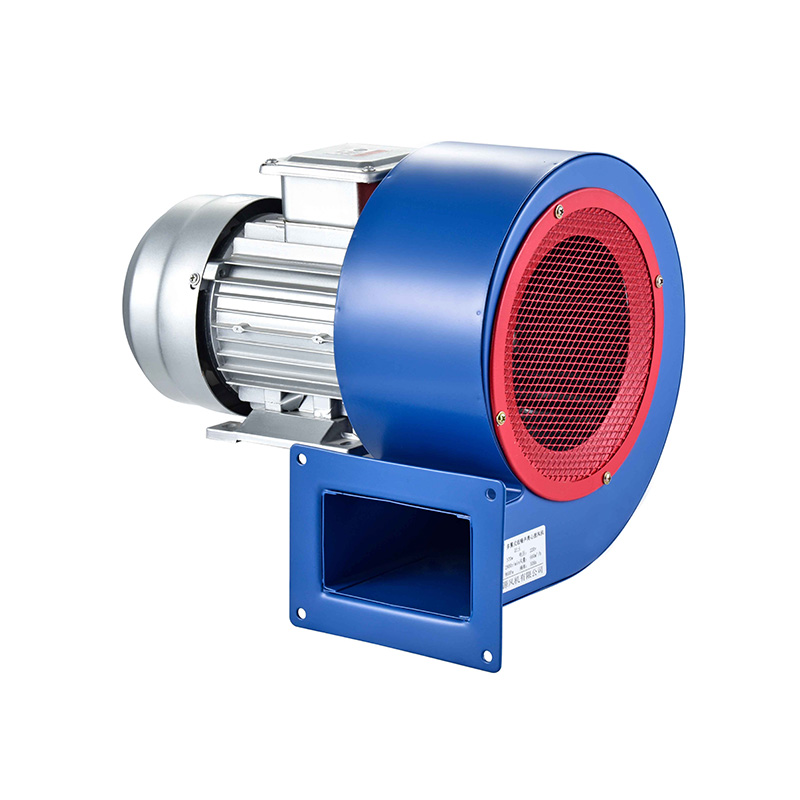
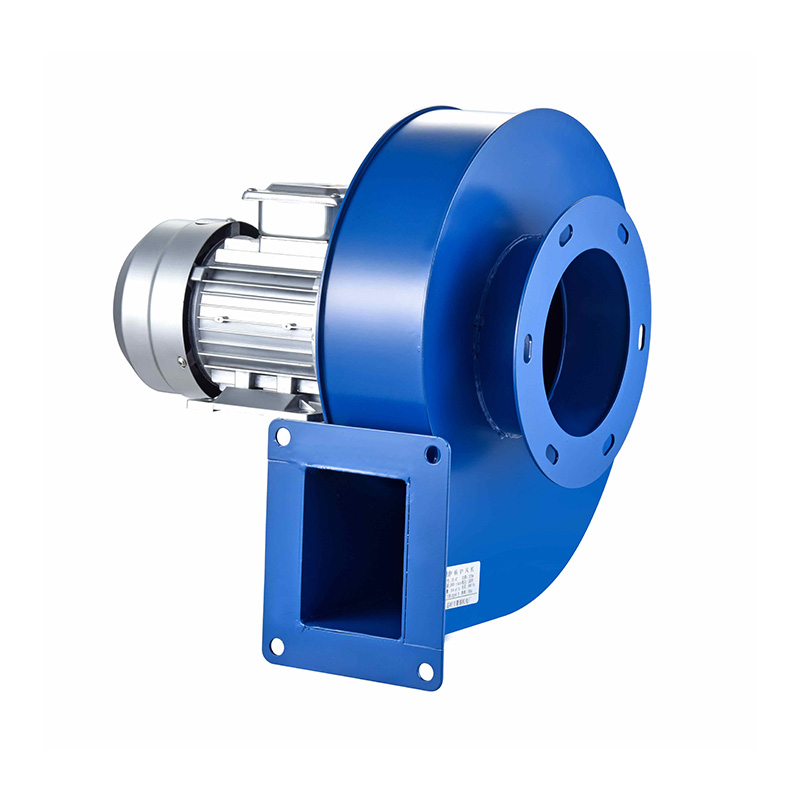
Air movement can look genuinely simple when viewed from the outside looking in. A fan moves air into a duct, the duct carries it through a building or working area, and the air eventually reaches its intended location. In practice, however, the way air spreads through a system depends on how the fan, ductwork, openings, and surrounding space actually work together.
A Square Inline Centrifugal Fan often gets selected when a system needs controlled air movement within a compact installation arrangement. Its performance isn't determined by the fan alone. Duct shape, installation position, bends, branch connections, resistance, and maintenance can all influence how evenly air reaches different parts of the system.
Uneven airflow can become genuinely noticeable when one outlet receives strong air movement while another receives much less. Some areas may feel well ventilated, while others remain poorly served. Understanding the causes can help system designers, installers, and maintenance teams identify practical changes without treating the fan as the only source of the problem.
How Does Duct Layout Affect Air Distribution?
The duct network provides the path through which air travels from the fan outward. When that path changes repeatedly, the airflow may not remain evenly distributed from one section to another.
Long sections, sharp turns, branch connections, and changes in direction can all affect how air moves through the system. A layout with several branches may also create genuinely different levels of resistance, causing more air to travel through one route than another.
| Duct Layout |
Possible Airflow Effect |
| Straight path |
Provides a relatively direct route |
| Multiple bends |
Can make air movement less even |
| Unequal branches |
May cause different outlet airflow |
| Crowded routing |
Can make installation and maintenance harder |
| Balanced branches |
Supports more consistent distribution |
This doesn't mean every system needs a simple straight duct running end to end. Real buildings often require ducts to pass around structures, equipment, and other services sharing the same ceiling space. The important point is that each change in direction or path can affect the way air reaches the next section down the line. A practical layout considers the complete route, rather than only the location of the fan itself.
Why Can the Fan Installation Location Change Airflow?
The position of the fan within the duct system can affect how air enters and leaves the surrounding ductwork on both sides. A fan placed too close to a sharp bend or branching section may not have enough space for airflow to settle before the next change in direction hits it.
This can make the air distribution genuinely less consistent between different outlets served by the same run. The problem may become genuinely more noticeable in systems with several branches or long duct runs stretching across a floor.
Installation planning can therefore consider the direction of incoming airflow alongside the direction of outgoing airflow on the other side. Nearby bends and branch points deserve attention too, along with available space around the fan and access for future inspection.
The physical position also affects maintenance directly. A fan that's difficult to reach may receive genuinely less regular attention, allowing dust or other buildup to continue affecting system performance unchecked. A suitable installation location should therefore support both airflow movement and practical servicing at once.
How Does System Resistance Affect Air Distribution?
Air naturally follows available paths through a duct system, taking the route of least resistance. When one path creates less resistance than another, a genuinely larger share of the airflow may move through that route instead of spreading evenly.
This can create an uneven result at the outlets themselves. One room may receive more air while another receives less, even though both stay connected to the same fan feeding the system.
| Source of Resistance |
Possible Effect |
| Long duct sections |
Increases resistance along the route |
| Multiple bends |
Changes the path of airflow |
| Narrow passages |
Restricts available air movement |
| Filters |
Can become more restrictive when dirty |
| Grilles and outlets |
Affect how air leaves the system |
The solution isn't always increasing fan output to compensate. If the duct system stays poorly balanced, additional fan capacity may not solve the distribution problem at all. Looking at the complete airflow path can reveal where unnecessary resistance is genuinely being introduced along the route.
Can Branch Ducts Cause Uneven Airflow?
Branch ducts are genuinely common in systems that serve several rooms or working areas from one source. They allow one main air path to divide into separate routes feeding different spaces.
The challenge is that these routes may not offer the same conditions to the air moving through them. One branch may be shorter, while another may include genuinely more bends or a longer path stretching across the building.
Air may therefore reach the shorter route genuinely more easily than the longer one. The result can become noticeable when users compare the airflow from different outlets side by side.
| Question |
Reason |
| Are branch paths similar? |
Helps reduce large differences in resistance |
| Are some branches much longer? |
Longer paths may restrict airflow |
| Are bends distributed unevenly? |
Different routing can change air movement |
| Are outlets correctly positioned? |
Helps direct air where it is needed |
| Can each branch be inspected? |
Supports future maintenance |
Balanced branch design doesn't mean every duct must have the same shape throughout the building. It means the system should get planned with the expected airflow distribution genuinely in mind from the start.
How Can Outlet Position Influence Air Distribution?
Even when the main duct works properly from end to end, outlet placement can affect how people genuinely experience airflow in the room itself. An outlet positioned in an unsuitable location may send air toward a wall, obstruction, or area where the movement isn't genuinely useful to anyone.
Another outlet may direct air genuinely more effectively into the occupied space where people actually sit or work. The number of outlets also matters here because each opening changes the way air gets distributed across the system as a whole.
A practical outlet arrangement considers room size and shape alongside furniture and equipment already in place. Common movement areas deserve attention too, along with air direction and distance between outlets. Access for cleaning rounds out the list worth checking.
This proves particularly relevant in larger spaces where several outlets are needed to cover the area. A system can have a suitable fan and duct network but still create genuinely uneven comfort if the outlet arrangement doesn't match the space it's serving.
Why Does Duct Shape Matter in a Square Inline Centrifugal Fan System?
A Square Inline Centrifugal Fan often gets integrated into rectangular or square duct arrangements because its form can suit certain installation spaces neatly. However, the shape of the fan housing doesn't automatically guarantee even airflow throughout the complete network beyond it.
The duct connected to the fan still needs to provide a genuinely practical route for air movement downstream. Sudden changes in duct shape can affect how air travels from one section to another along the way.
A system, for example, may transition between different duct shapes because of space restrictions in the ceiling or wall cavity. If the transition gets poorly planned, airflow may become genuinely less consistent as it moves through that change.
The connection between the fan and duct should therefore get considered as part of the complete system rather than as separate pieces.
| Connection Area |
Practical Consideration |
| Fan outlet |
Provides the starting point for downstream airflow |
| Duct transition |
Should allow a practical change in shape |
| Bends |
Need suitable space for routing |
| Branch points |
Can change airflow distribution |
| Outlet section |
Determines where air enters the room |
The goal is creating a continuous path, rather than treating the fan and ductwork as separate products bolted together.
How Do Other Fan Types Differ in Airflow Applications?
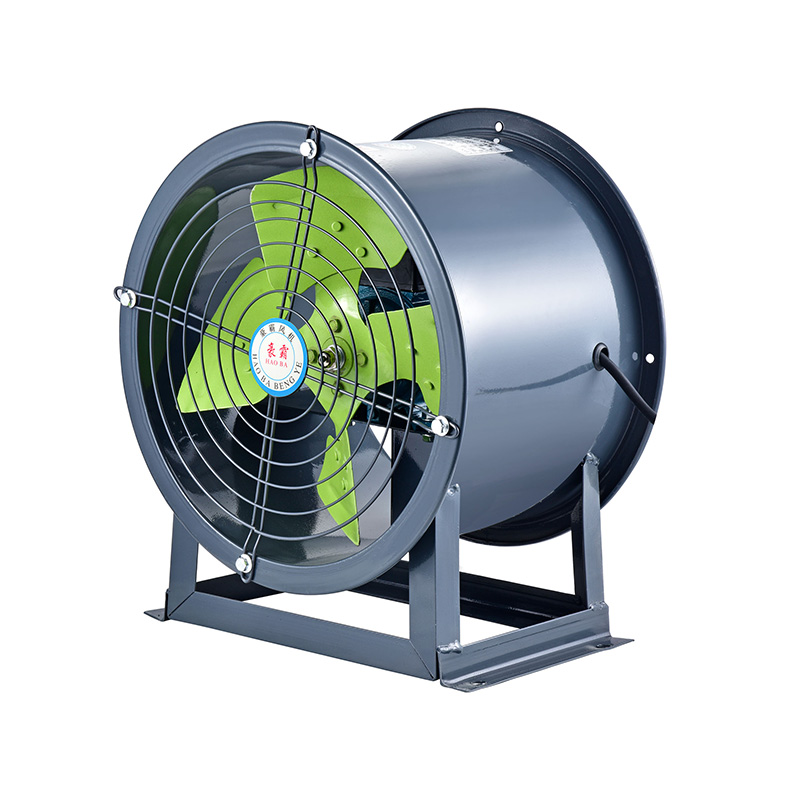
Different fan arrangements get used for different airflow needs depending on the site. A China Axial Flow Fan, for example, moves air along the direction of the fan shaft and may suit systems where a relatively direct air path is required without much redirection.
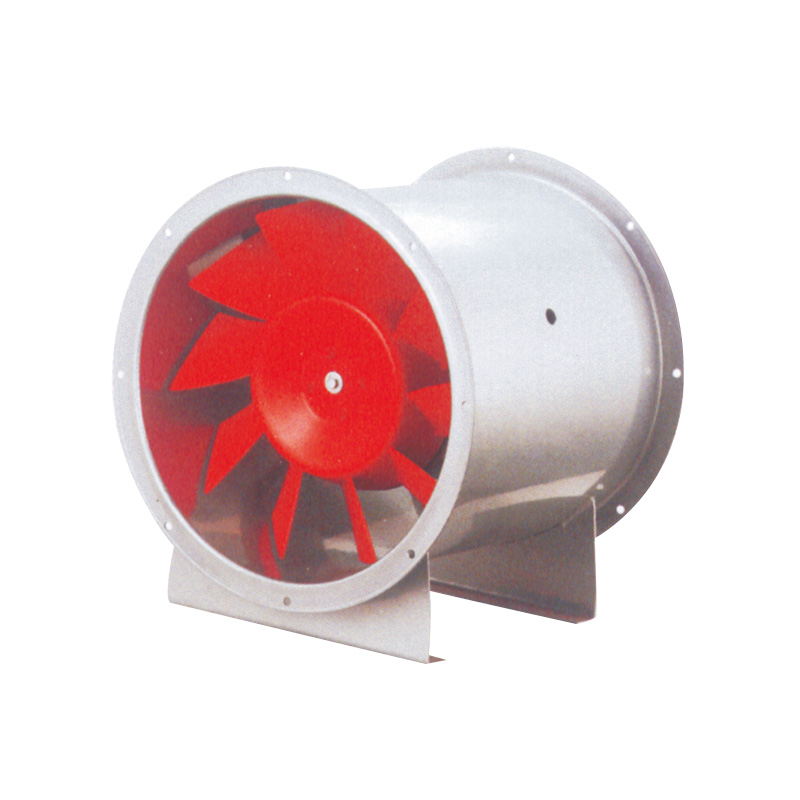
A Bifurcated Axial Flow Fan has a genuinely different structural arrangement and can get used in applications where the motor and airflow path need separating in a particular way for safety or heat reasons. These differences mean fan selection should reflect the application, rather than relying on the product name alone to decide.
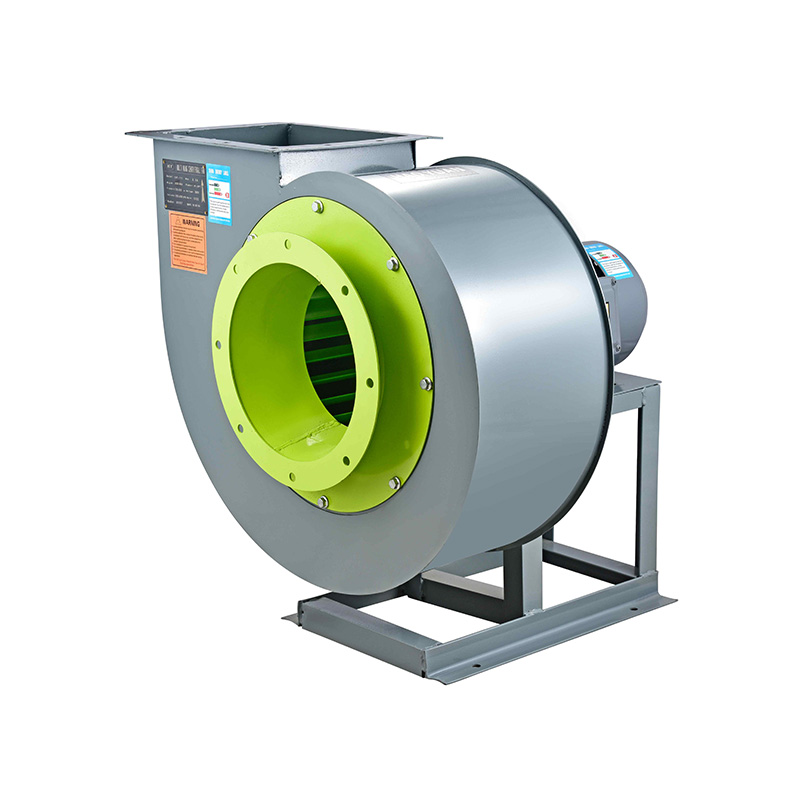
A Centrifugal Air Fan also uses a genuinely different airflow path from an axial design entirely. The choice between fan types can affect how the equipment fits into the duct arrangement and how the overall system gets organized around it.
| Fan Type |
General Application Consideration |
| China Axial Flow Fan |
Suitable for certain direct airflow arrangements |
| Bifurcated Axial Flow Fan |
Can suit applications requiring separated motor placement |
| Square Inline Centrifugal Fan |
Fits certain compact duct installation layouts |
| Centrifugal Air Fan |
Used where its airflow arrangement suits the system |
These products shouldn't get treated as interchangeable simply because they all move air through a duct. The surrounding duct design, installation space, airflow route, and operating conditions influence which arrangement genuinely fits a particular system.
Can Installation Errors Create Uneven Air Distribution?
Installation quality can influence how well the complete ventilation system performs once it's running. Small positioning problems may become genuinely more noticeable when several components get connected together along the same run.
A duct connection that isn't properly aligned can disturb the airflow path passing through it. Loose sections, unnecessary bends, or poorly supported ducts can also change the intended route in ways nobody planned for.
The fan itself should get installed according to the product requirements laid out by the manufacturer. Nearby structures shouldn't unnecessarily restrict the air path or make maintenance genuinely difficult down the line.
Common installation issues include poorly aligned duct sections alongside unnecessary bends placed too close to the fan. Unsupported duct sections cause trouble too, along with restricted access around the fan itself. Poorly positioned outlets round out the list, along with improperly fitted connections that leak or shift over time.
Checking these areas during installation can genuinely reduce the chance of problems appearing after the system starts operating for real.
How Can Dirty Filters Change Airflow Distribution?
Filters prove genuinely useful for keeping unwanted particles away from the air system, but they require regular attention to keep working properly. As dust accumulates, the filter can become genuinely harder for air to pass through over time.
The effect may not stay equal across the entire system, either. If different branches or outlets already have different resistance levels, additional restriction from a dirty filter can make the difference genuinely more noticeable to occupants.
Maintenance teams can therefore include filter condition in routine inspections as a standard check. The same principle applies to other parts of the system too. Dust and debris can collect around grilles, outlets, and accessible duct sections, gradually changing the available airflow path without anyone noticing at first.
Regular cleaning helps preserve the condition in which the ventilation system was originally intended to operate.
What Role Does Maintenance Play in Airflow Balance?
Maintenance isn't only about preventing equipment failure down the road. It also provides a genuine opportunity to observe changes in how air moves through the system over time.
A gradual reduction in airflow at one outlet may point to a genuinely local issue nearby. If several outlets change at the same time instead, the cause may sit genuinely closer to the fan, filter, or main duct feeding them all.
Maintenance teams can record practical observations, noting weak airflow at one outlet as pointing to a local duct or outlet issue. Reduced airflow across several outlets at once suggests checking the main airflow path instead. Unusual fan noise deserves attention toward fan condition and installation, while difficult access points to the installation arrangement itself. Visible dust buildup rounds out the list, pointing toward filter, grille, or duct area concerns.
These observations can help narrow down where attention is genuinely needed without guessing blindly. Routine inspection proves genuinely easier when the fan and duct system were installed with maintenance access in mind from the start.
How Can Airflow Distribution Be Improved During System Planning?
Airflow distribution is genuinely easier to manage when it gets considered before installation, rather than after problems already appear in a finished building. Designers can review the complete path from the fan to every outlet as one connected system.
They can consider branch lengths, bends, transitions, outlet positions, and maintenance access as genuinely connected parts of the same system rather than separate decisions. A planning checklist can start by mapping the complete duct route from end to end, then identifying areas where branches divide along the way.
Reviewing bends and shape changes matters too, along with considering the position of each outlet relative to the space it serves. Allowing practical access for cleaning deserves attention, along with checking whether surrounding equipment may restrict airflow nearby.
This process doesn't require every ventilation system to follow the same layout across every building. Different buildings have genuinely different space limitations and operating needs shaping the design. The value comes from identifying potential airflow differences before the ductwork becomes genuinely difficult to change once installed.
What Should Buyers Check When Choosing a Centrifugal Fan System?
Buyers often focus on the fan itself because it's the most visible part of the ventilation equipment sitting in the mechanical room. The surrounding system deserves genuinely similar attention during the buying process.
When evaluating a Square Inline Centrifugal Fan, buyers can consider how the fan will connect with the existing duct layout, where it will get installed, how branches will get arranged, and whether maintenance access will remain genuinely practical once everything is in place.
| Buyer Consideration |
Practical Question |
| Fan placement |
Does the installation area provide suitable access? |
| Duct connection |
Does the fan fit the planned duct arrangement? |
| Branch layout |
Could different paths create uneven airflow? |
| Maintenance |
Can filters and accessible parts be checked? |
| Outlet arrangement |
Will air reach the intended areas? |
| System resistance |
Are there unnecessary restrictions in the route? |
This approach keeps the purchasing decision genuinely connected to the complete ventilation system, rather than focusing on the fan in isolation from everything around it. A fan can only work within the conditions created by the ductwork, installation environment, and maintenance routine surrounding it. Looking at these elements together can make airflow problems genuinely easier to identify and manage during real-world use across a building.


 English
 русский
 عربى
عربى
 Inquiry