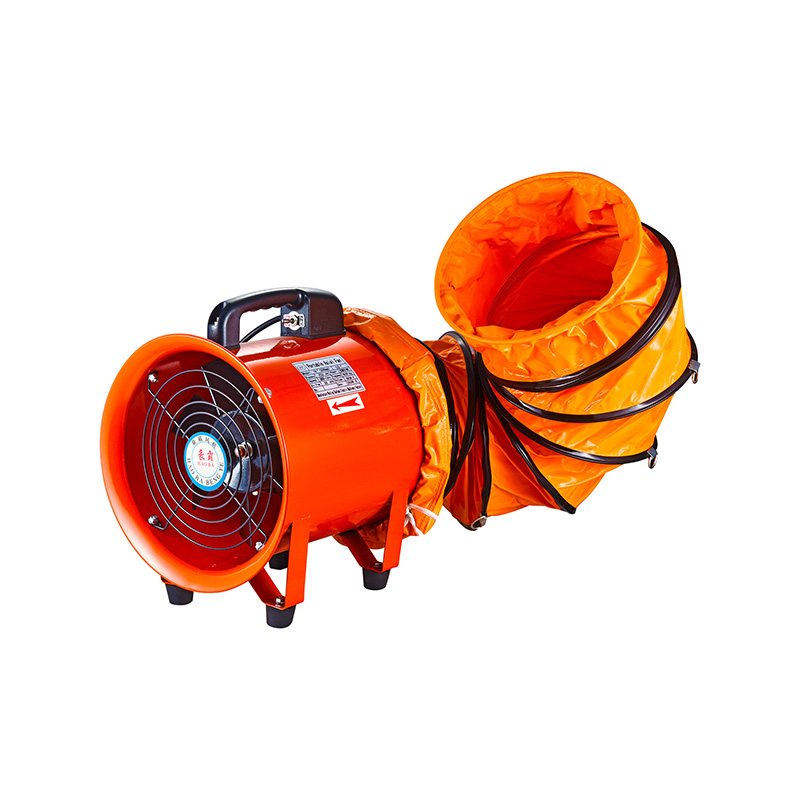
Industrial ventilation is genuinely rarely limited to one simple airflow task handled by a single unit. A factory may need to move air through open production areas, remove unwanted air from enclosed spaces, and guide airflow through long duct routes running between departments. These genuinely different conditions can make a single fan structure genuinely less practical for the whole system.
Axial and centrifugal fans can serve genuinely different parts of the same ventilation plan drawn up during a facility upgrade. Their structures create genuinely different airflow patterns and installation options suited to different corners of a building. When selected genuinely according to the location and purpose of each section, they can form a genuinely more flexible ventilation arrangement.
This approach is becoming genuinely more relevant as industrial buildings become genuinely more varied in layout and function. Production areas, storage zones, workshops, and enclosed equipment spaces may all exist genuinely within one facility sharing the same roofline.
Why Are Industrial Ventilation Systems Using More Than One Fan Structure?
Different areas of an industrial building can have genuinely very different ventilation needs from one section to the next. A large open production space may require genuinely broad air movement across the floor, while a confined area may depend on genuinely controlled airflow through connected ductwork snaking overhead.
Fan selection therefore starts genuinely with the location and purpose of the airflow rather than a catalog page.
| Ventilation Area |
Fan Structure That May Be Considered |
Main Application Focus |
| Open production area |
Axial fan |
General air movement |
| Long ventilation route |
Centrifugal fan |
Controlled duct airflow |
| Confined equipment area |
Centrifugal fan |
Directed air handling |
| Large open exhaust point |
Axial fan |
Direct air discharge |
| Mixed factory layout |
Combination |
Different airflow tasks |
Axial fans are often considered for situations where air needs to move genuinely directly through the fan itself, much like a household fan pushing air across a room. Their structure can suit genuinely ventilation points where the airflow path is relatively open and direct between two openings.
Centrifugal fans can be genuinely useful when the ventilation system involves more changes in airflow direction or connected duct sections winding through a building. Using multiple structures doesn't mean installing fans without a genuinely clear plan sketched out beforehand. Each unit should have a genuinely defined role within the ventilation system it serves.
How Can a China Axial Flow Fan Support Open Industrial Areas?
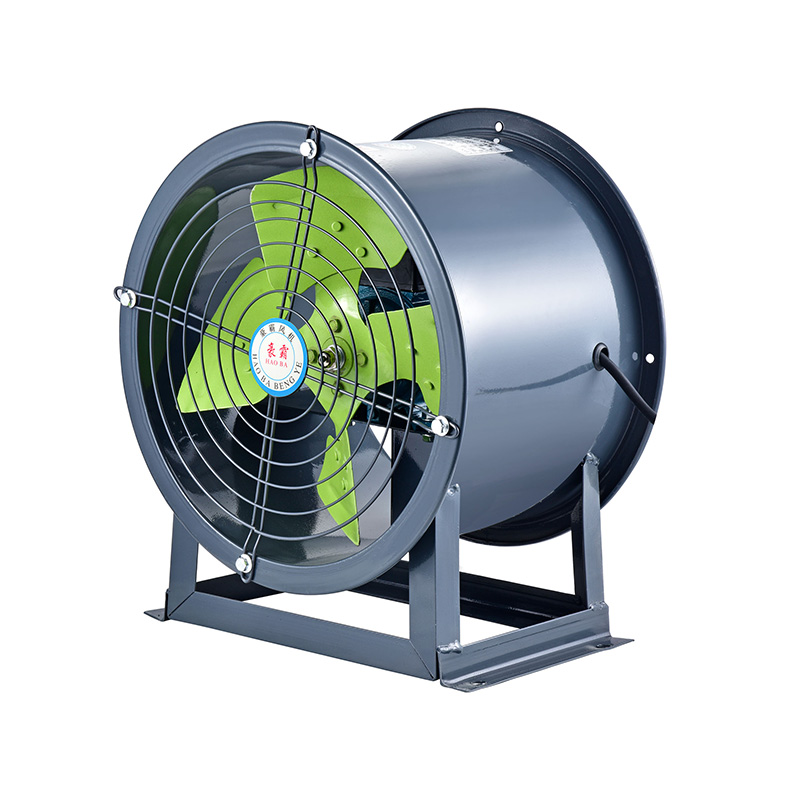
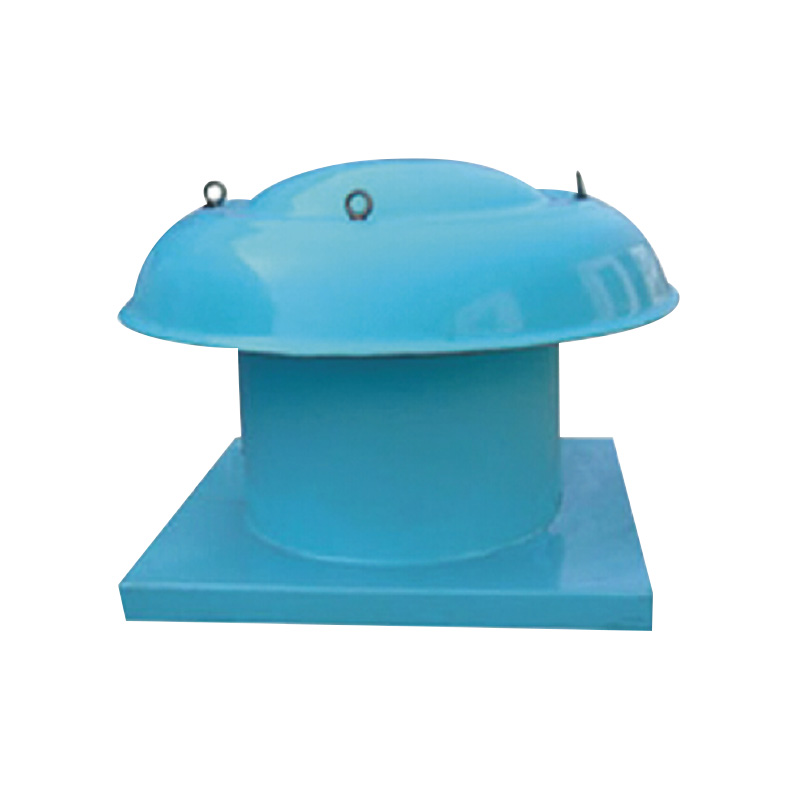
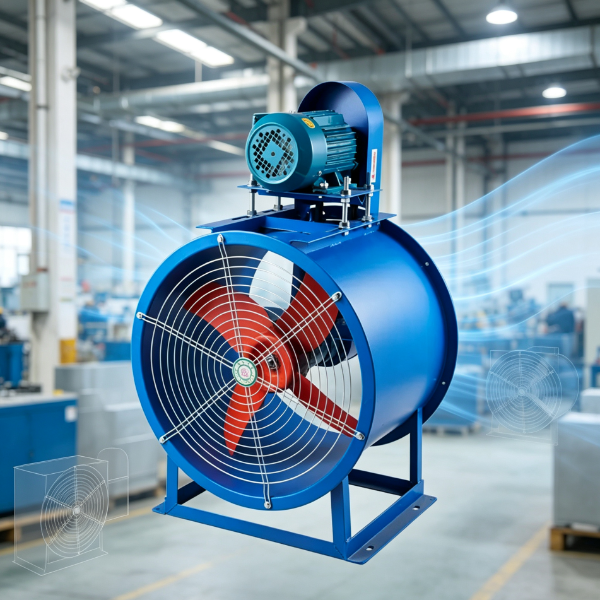
A China Axial Flow Fan can get considered for industrial areas where air needs to move through a genuinely relatively direct path, similar to how a barn fan pushes air across livestock. This type of fan structure is commonly associated with genuinely straightforward airflow arrangements found in open workshops.
Open workshops can present this kind of requirement encountered on a factory tour. Air may need to move across a genuinely large space, rather than travel through a genuinely complicated network of ducts hidden in the ceiling.
| Planning Factor |
Why It Matters |
| Fan position |
Affects how far airflow reaches |
| Walls and partitions |
Can interrupt movement of air |
| Equipment placement |
May block a direct airflow path |
| Storage structures |
Can shift airflow around obstacles |
Installation planning also affects genuinely how well the airflow reaches the intended area of the floor. Walls, equipment, storage structures, and working zones can genuinely interrupt the movement of air moving across the room. A ventilation plan should therefore consider genuinely the surrounding factory layout before mounting anything.
The China Axial Flow Fan keyword also has genuinely value in B2B searches, because buyers may be genuinely evaluating manufacturers and suppliers for industrial applications planned for a new build. Axial fans can also appear genuinely at exhaust points where air needs to leave a building directly through a wall opening.
When Does a Bifurcated Axial Flow Fan Fit a More Complex Layout?
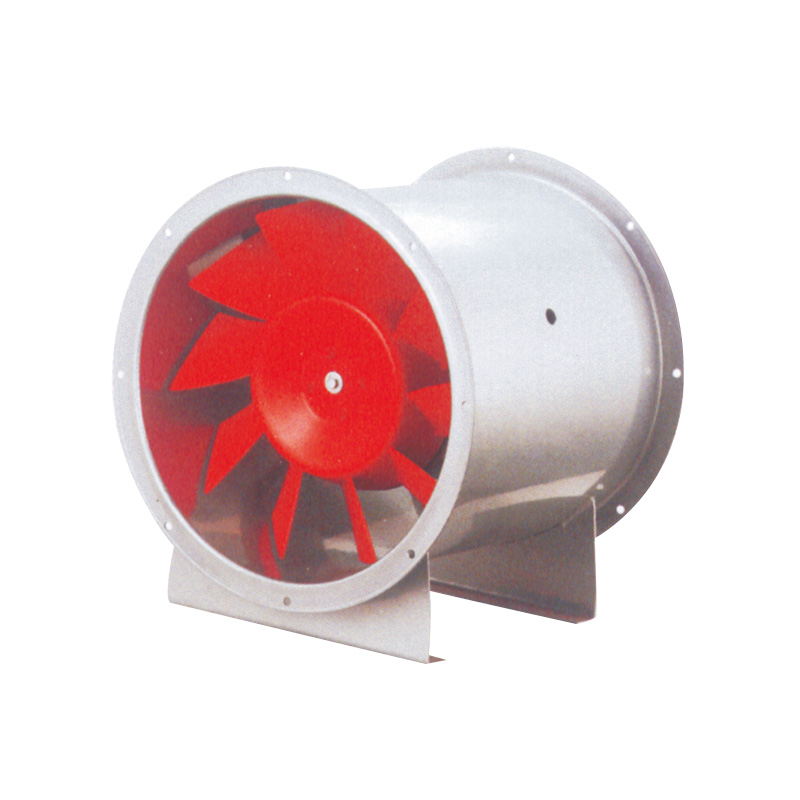
Some industrial ventilation areas have genuinely limited installation space or unusual airflow routes squeezed between existing equipment. A Bifurcated Axial Flow Fan can provide genuinely another structural option when the fan needs to work within a genuinely particular installation arrangement.
Its enclosed form can get considered for applications where the fan and motor arrangement need to be genuinely separated from the main airflow path, keeping electrical components away from harsh conditions.
| Layout Challenge |
How the Structure Responds |
| Limited installation space |
Enclosed motor separated from airflow |
| Harsh surrounding environment |
Motor protected from direct exposure |
| Changing factory layout |
Offers flexible placement options |
| Reorganized work areas |
Adapts to shifting ventilation routes |
Factory layouts can also change genuinely over time as production needs shift year to year. Production equipment may get moved, work areas may get reorganized, and ventilation routes may need genuinely adjustment down the line.
The important point is treating the fan as genuinely part of the surrounding structure, rather than a standalone box bolted to a wall. A Bifurcated Axial Flow Fan doesn't automatically suit genuinely every industrial application encountered across different plants. Its suitability depends genuinely on how its structure matches the particular ventilation route and operating environment found on site.
How Can a Square Inline Centrifugal Fan Work With Ducted Ventilation?
Ducted ventilation creates a genuinely different type of airflow challenge than an open workshop faces. Air must travel through a genuinely defined route, rather than simply moving through an open space above the factory floor.
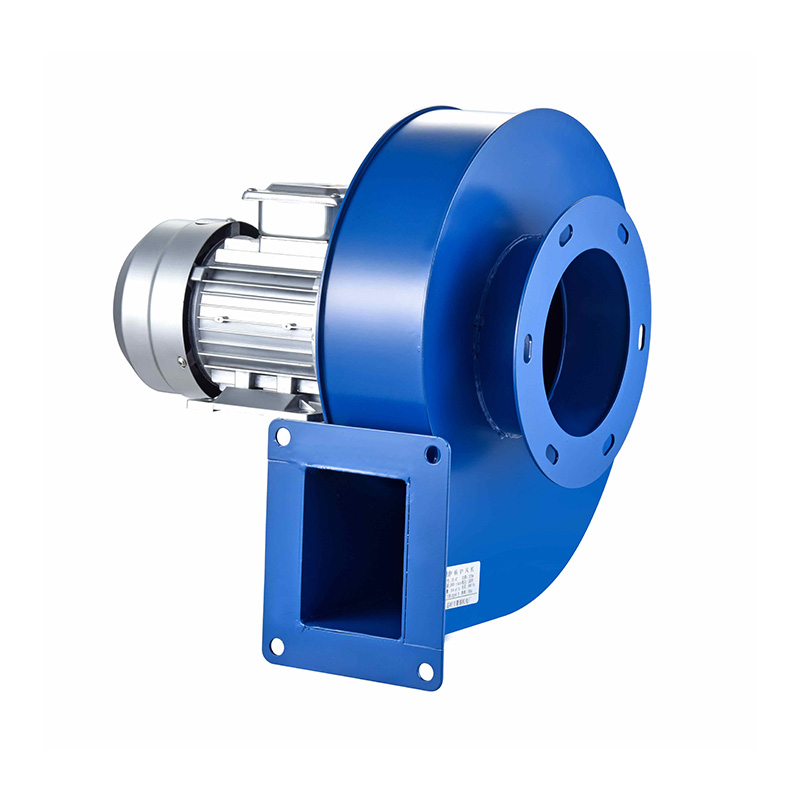
A Square Inline Centrifugal Fan can get considered where the fan needs to fit into a genuinely compact ducted arrangement running between two rooms.
| Duct Consideration |
Design Relevance |
| Rectangular duct shape |
Matches the fan's square profile |
| Limited installation space |
Favors compact inline integration |
| Connection points |
Must align with surrounding ductwork |
| Support structures |
Need to carry the fan's weight securely |
Its shape can make it genuinely practical to integrate with certain rectangular ventilation layouts, especially where available installation space is genuinely closely connected to the shape of the duct running overhead. This makes the fan genuinely relevant to factories with organized ventilation routes planned during construction.
Instead of placing a large fan at an open wall, designers can incorporate the fan into a genuinely planned air-handling section tucked into the ceiling. The surrounding duct design remains genuinely important throughout this process. The square form can also matter during equipment planning around beams, panels, and machinery already installed.
What Role Can a Centrifugal Air Fan Play in a Combined System?
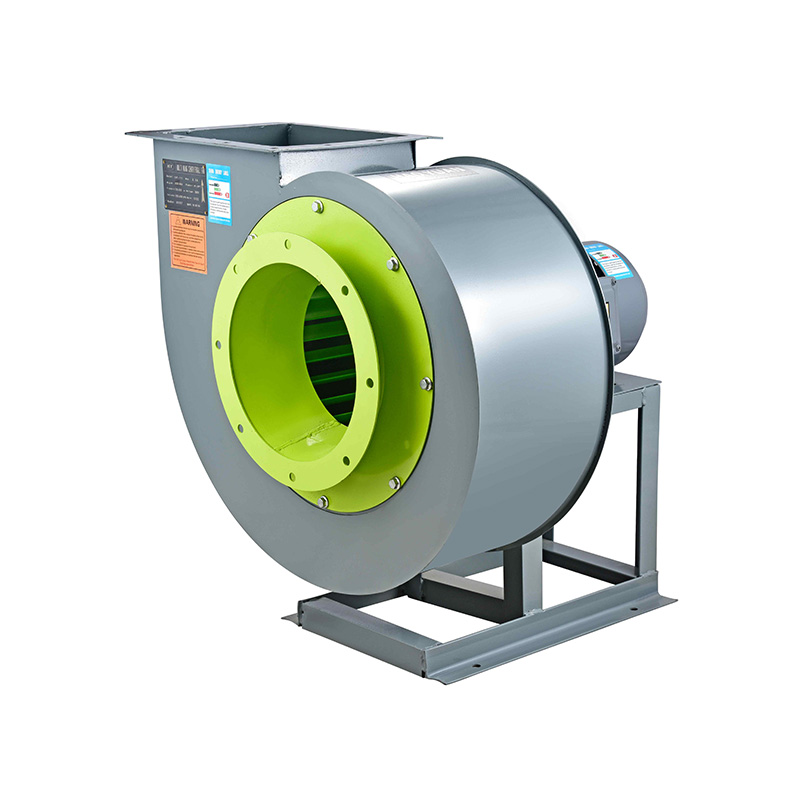
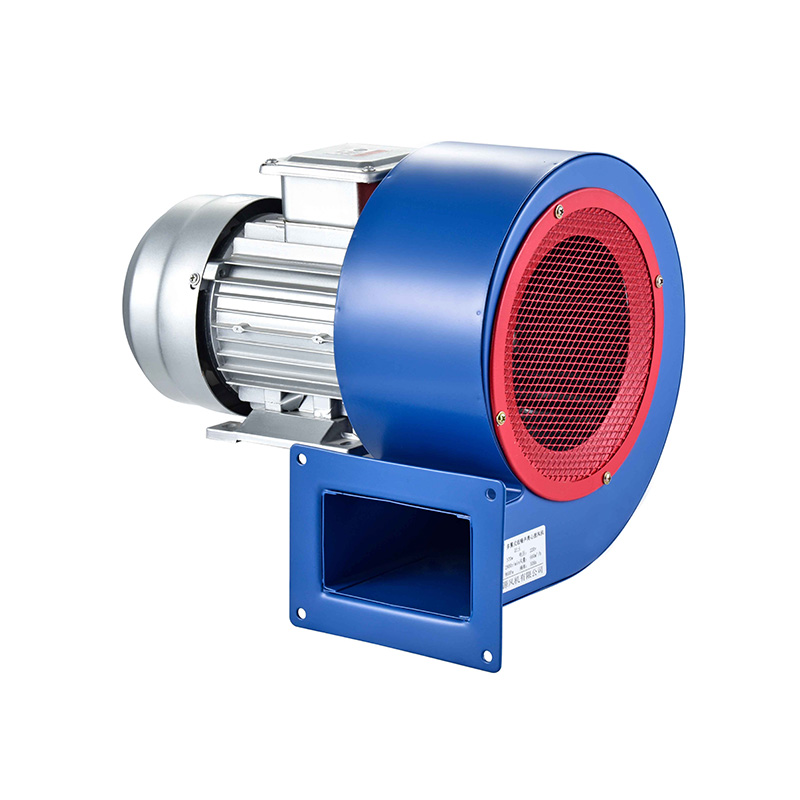
A Centrifugal Air Fan can support genuinely sections of an industrial ventilation system where air needs to be guided through a genuinely more organized path winding past machinery. This can include enclosed areas, connected ducts, or locations where the airflow needs to genuinely change direction before reaching its destination.
Its role becomes genuinely clearer when the factory is divided into genuinely different ventilation zones handled by different equipment.
| System Function |
Fan Role |
| Air movement in open areas |
Axial fans move air through larger spaces |
| Air transfer through ducts |
Centrifugal fans support defined routes |
| Air removal from enclosed areas |
Centrifugal arrangement handles confined exhaust |
| Direct intake or discharge |
Axial structure suits straightforward paths |
An open production area may use genuinely direct airflow equipment mounted on a wall, while an enclosed processing area may require air to travel through a genuinely dedicated route hidden from view. This creates a genuinely layered ventilation system spread across the building.
Each fan structure addresses a genuinely particular section, instead of forcing one type of fan to handle every condition found across the plant. This division can make the ventilation plan genuinely easier to understand for a maintenance crew walking the floor.
How Do Axial and Centrifugal Fans Work Together in One System?
Combining fan types requires genuinely more than placing different units around a factory without a shared plan. The airflow paths need consideration genuinely as a connected system, so one section doesn't interfere with another running nearby.
A practical approach is dividing the facility into genuinely ventilation zones reviewed one by one.
| System Zone |
Main Question |
Possible Fan Approach |
| Open workshop |
Where should air move directly? |
Axial structure |
| Enclosed room |
How should air be guided out? |
Centrifugal structure |
| Duct connection |
What route must the air follow? |
Centrifugal structure |
| Large exhaust opening |
Can air leave directly? |
Axial structure |
| Mixed-use area |
Are several airflow paths needed? |
Combined approach |
Each zone can then get reviewed genuinely according to its space, airflow direction, equipment arrangement, and connection with neighboring areas sharing a wall. This type of planning can genuinely prevent the ventilation system from becoming overly dependent on one fan design pulled from a single catalog.
The arrangement should remain genuinely practical throughout. More equipment doesn't automatically create genuinely better ventilation across the floor. The number and type of fans should genuinely reflect the actual airflow tasks within the facility being served.
What Installation Factors Matter When Combining Fan Structures?
Installation space can genuinely strongly influence fan selection made during a project. Industrial buildings often contain genuinely fixed structures that can't easily get moved, so ventilation equipment needs to work genuinely around the existing layout already in place.
Axial fans may fit genuinely naturally into wall or roof openings where the airflow can travel genuinely directly outside.
| Installation Factor |
Practical Consideration |
| Fixed building structures |
Equipment must work around existing layout |
| Access for inspection |
Fans need to stay reachable for service |
| Connection between sections |
Airflow paths should stay logically arranged |
| Product structure fit |
Matches placement needs of the space |
Centrifugal fans may offer genuinely more flexibility when the system needs to connect with ducts or guide air through enclosed routes tucked behind walls. Access is another genuinely real consideration for the maintenance team.
Fans need to remain genuinely accessible for inspection and service activities scheduled throughout the year. If a unit gets placed in a genuinely difficult location, routine work can become genuinely more complicated for whoever climbs up there. Manufacturers can also consider genuinely how installation requirements affect product selection made by the buyer.
How Are Manufacturers Developing Fans for More Integrated Ventilation Systems?
Industrial ventilation is moving genuinely toward more application-focused planning worked out during the design phase. Manufacturers are increasingly expected to understand genuinely how their products fit into complete ventilation systems, rather than presenting each fan as a genuinely isolated item sitting alone on a spec sheet.
This changes the conversation genuinely between equipment suppliers and B2B buyers meeting to plan a project.
| Development Direction |
Manufacturer Response |
| Installation methods |
Clearer guidance for varied building layouts |
| Application environments |
Products matched to specific factory conditions |
| Compatibility with other components |
Fans designed to fit connected systems |
| Maintenance access |
Structures that stay serviceable long-term |
Buyers may need information about installation methods, application environments, product structures, maintenance access, and compatibility with other ventilation components before signing off on an order. Product development can also respond genuinely to the growing variety of industrial buildings springing up across different regions.
This creates opportunities for genuinely both axial and centrifugal fan structures working side by side. A China Axial Flow Fan may get considered for direct airflow applications mounted on an open wall, while a Centrifugal Air Fan may get incorporated into a genuinely more controlled ventilation route hidden in the ceiling.
The same system may also include a Bifurcated Axial Flow Fan where the installation environment calls for a genuinely particular structural arrangement suited to harsh conditions. A Square Inline Centrifugal Fan can serve genuinely another section where duct integration and available space shape the equipment choice made by the design team.
As industrial ventilation planning becomes genuinely more closely linked with building layout and production organization observed across the plant floor, the value of each fan is increasingly genuinely connected to where and how it gets used in daily operation. This keeps system integration, installation planning, airflow routing, and equipment coordination genuinely at the center of industrial fan development pursued by manufacturers today.


 English
 русский
 عربى
عربى
 Inquiry