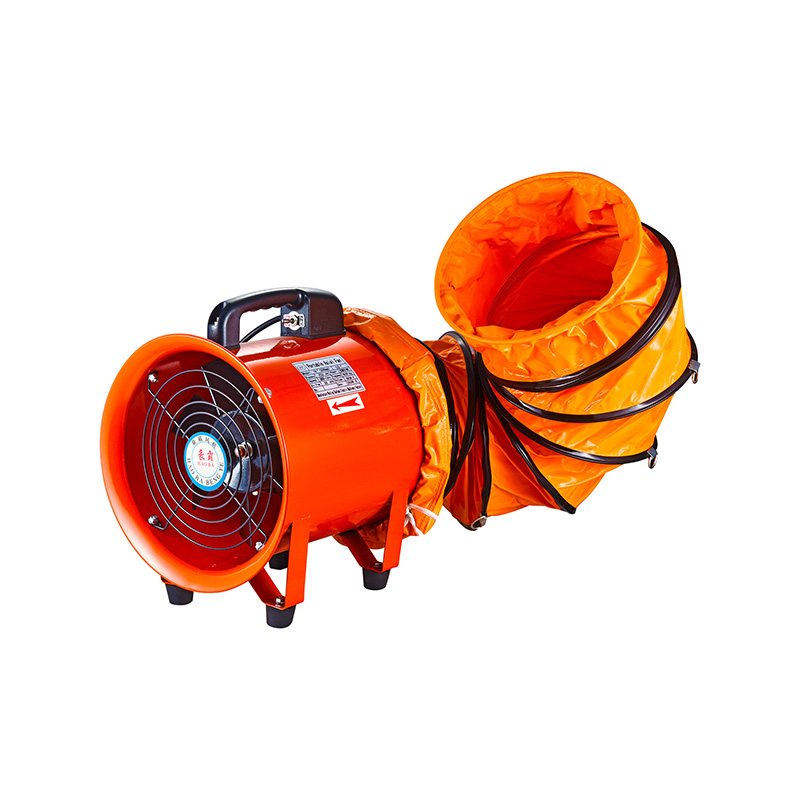
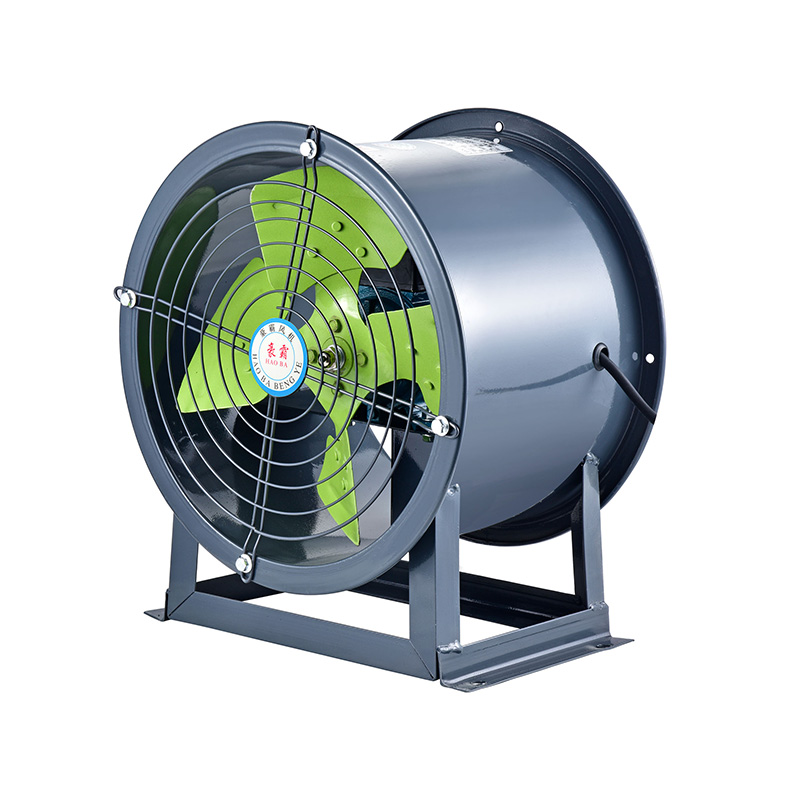
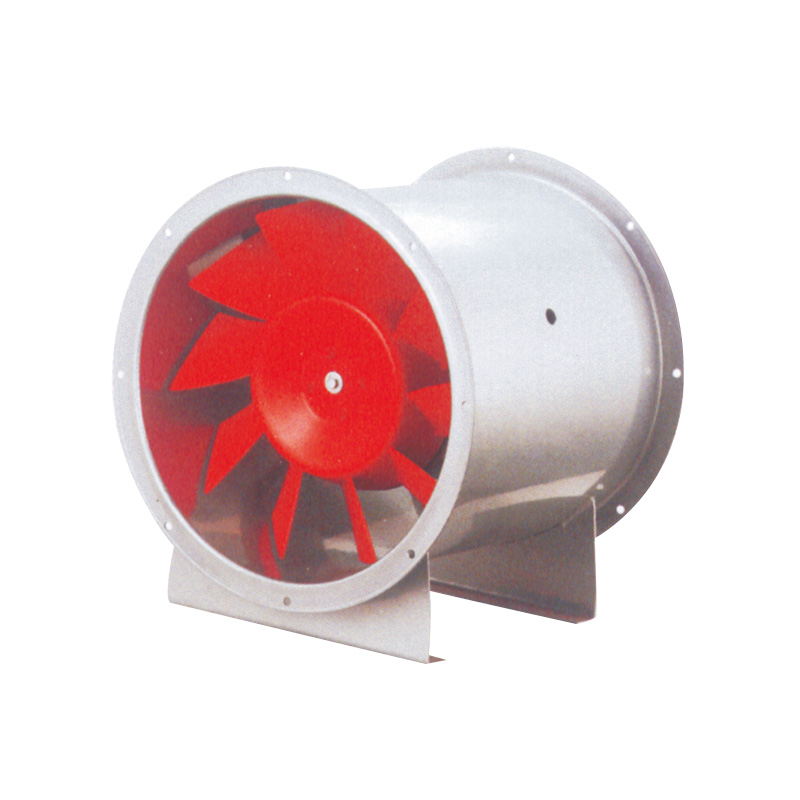
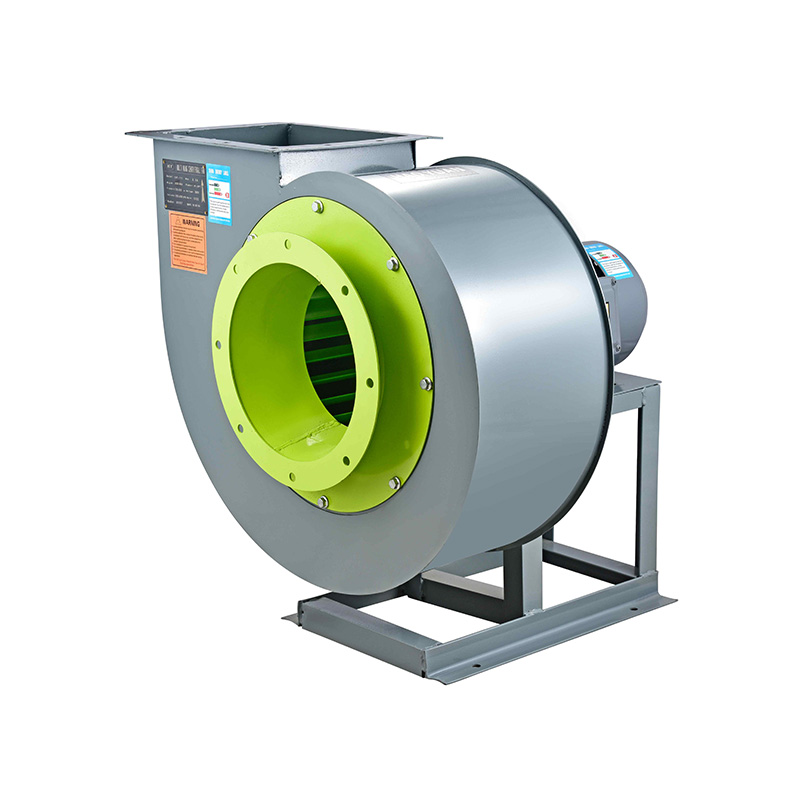
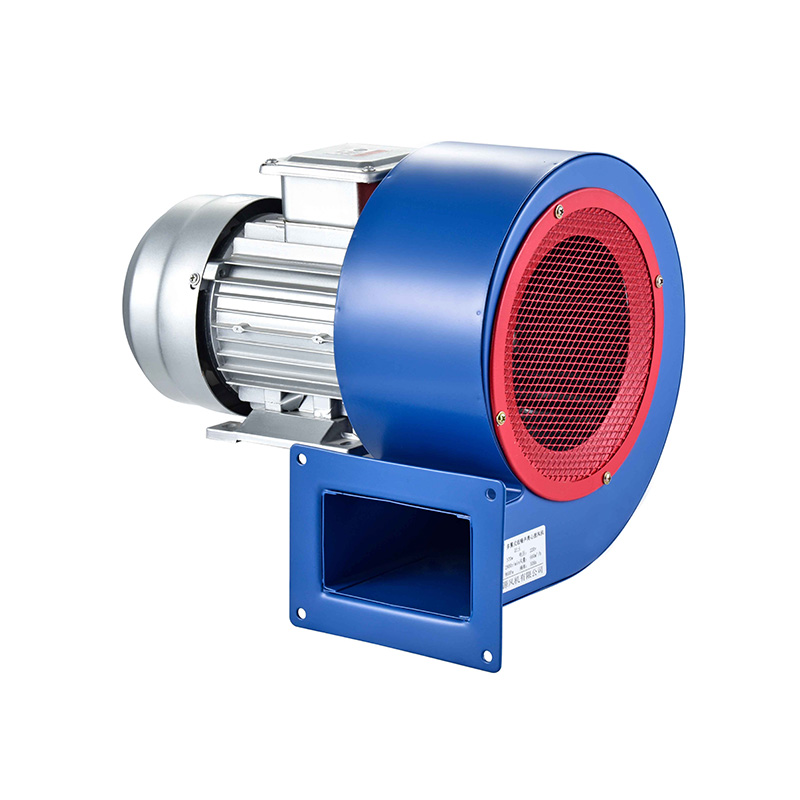
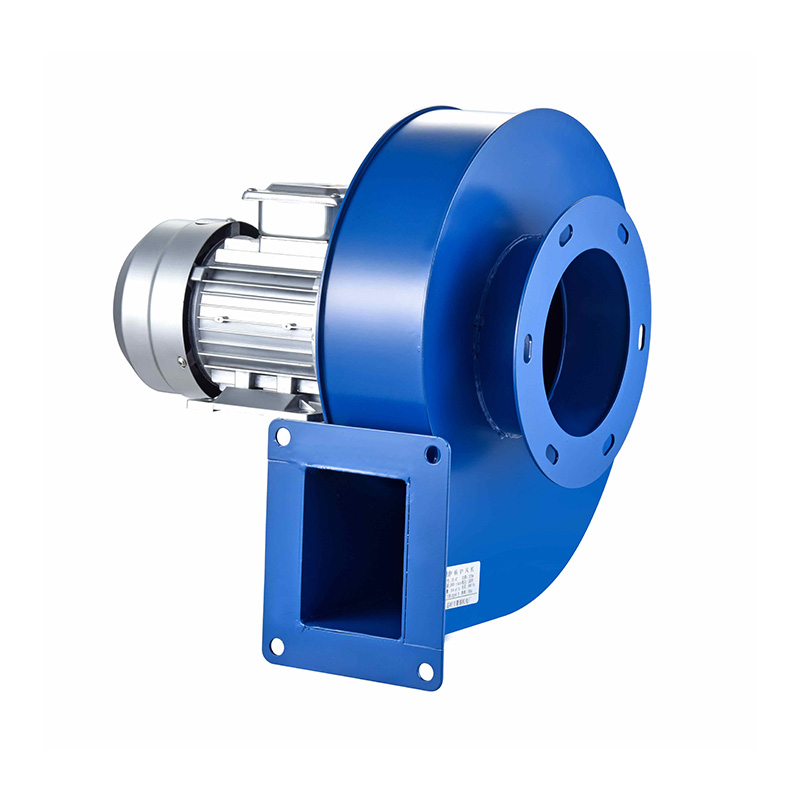
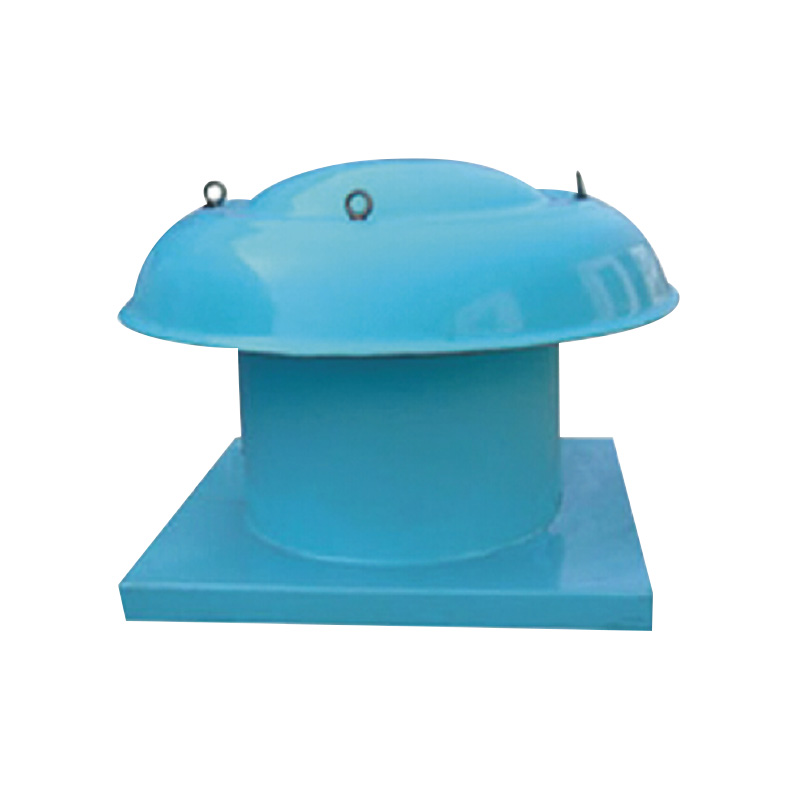
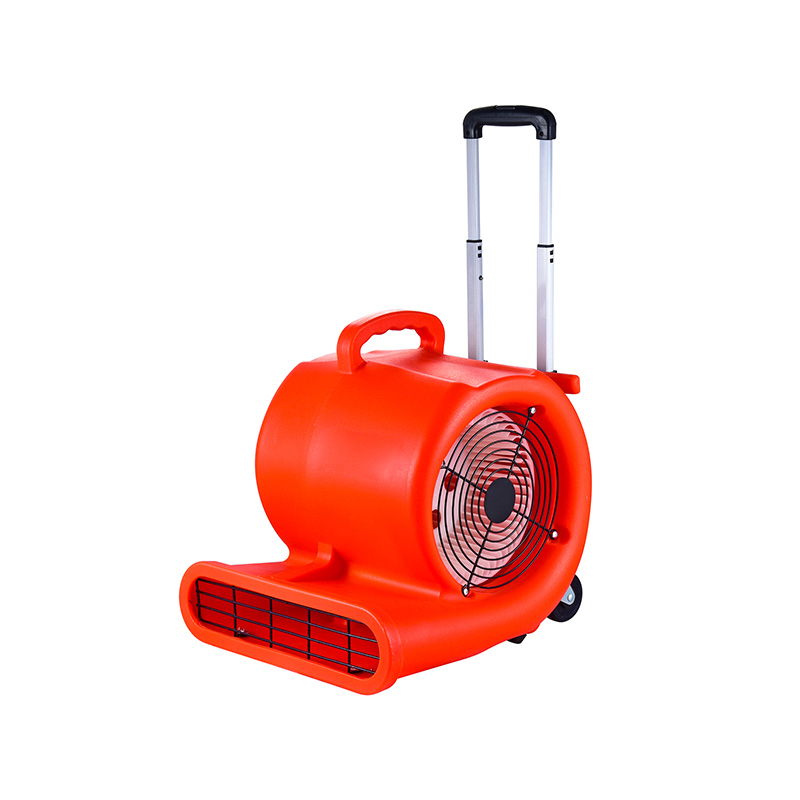
A facility manager standing in a stuffy workshop, watching heat build up around a welding station with no obvious way for it to escape, is exactly the kind of situation that pushes ventilation planning to the top of the priority list. Choosing a ventilation fan should begin with the space and its actual air movement needs, rather than with the fan itself sitting in a catalog. A suitable selection needs to fit the installation location, available space, operating environment, noise expectations, maintenance routine, and the genuinely wider ventilation system it becomes part of.
Ventilation has become a genuinely important consideration across workshops, storage areas, commercial buildings, agricultural spaces, and other working environments handling daily activity. As buildings become genuinely more enclosed for energy efficiency, natural air movement may not always provide the circulation that users genuinely expect. This has increased interest in wall-mounted ventilation equipment that can move air directly through an exterior wall without complicated ductwork.
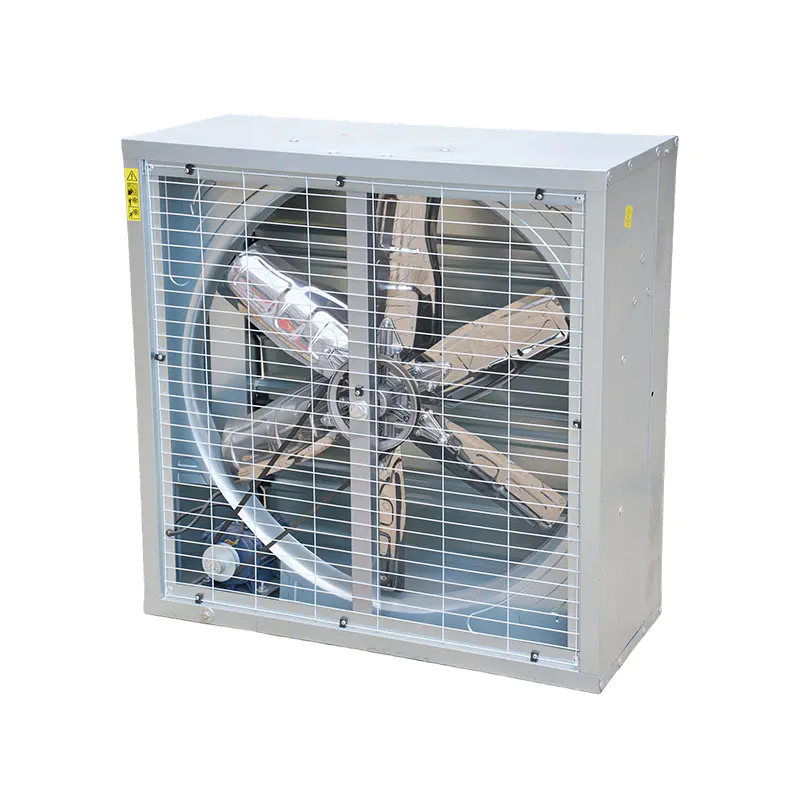
A wall-mounted design can also simplify the layout of a ventilation system considerably. Instead of taking up valuable floor space needed for equipment or storage, the fan can get positioned on a wall where it works as part of the room's overall air movement plan. Yet not every wall location or working environment calls for the same product off the shelf.
The selection process therefore involves several genuinely practical questions worth walking through. Where will the fan get installed? How much space is actually available? What type of air movement is genuinely needed? How important is noise control in that environment? How will the equipment get cleaned and maintained down the line? These questions help buyers move from a general ventilation requirement toward a genuinely more suitable product choice.
Why Installation Location Matters
Installation location directly affects fan selection because the wall position determines how air actually enters or leaves the space. A fan installed on an exterior wall can create a direct path for air movement, but that path needs to genuinely match the layout of the room it's serving.
A workshop, for example, may have equipment positioned close to one wall and storage areas along another entirely. Installing a fan behind a large obstruction may genuinely reduce the practical benefit of air movement it's supposed to provide. A clear installation position can make it genuinely easier for air to travel through the occupied area where people actually work.
Commercial spaces have genuinely different considerations to weigh. A retail area may need ventilation without disrupting customer movement or the visual appearance of the interior a customer walks through. A service area may have genuinely more flexibility because equipment is already part of the working environment anyway.
Agricultural buildings can present another genuinely different set of conditions. Openings, partitions, stored materials, and changing outdoor conditions can all influence where a fan should genuinely get placed.
The wall itself also matters here quite a bit. Buyers should consider whether the proposed location can genuinely accommodate the equipment and whether the surrounding structure provides a suitable mounting surface for it.
A simple site review can identify several practical issues worth checking.
- Available wall space
- Nearby doors and windows
- Internal partitions
- Obstructions around the installation area
- Outdoor exposure
- Access for cleaning
- Access for future maintenance
- Relationship with other ventilation equipment
These details may appear genuinely basic on their own, but they can strongly influence the final selection once combined.
A fan should fit the building, rather than forcing the building layout to adapt around the fan after installation. This is particularly important when several ventilation units are being considered for the same facility at once.
How Spatial Structure Affects the Choice
The internal structure of a building influences how effectively air can genuinely move, so fan selection should reflect the shape and arrangement of the space itself. A large open room doesn't create the same ventilation challenge as a narrow workshop divided into several separate areas.
Open spaces may allow air to travel genuinely more freely from one end to the other. A wall-mounted unit can work with other openings to encourage a genuinely simple movement path across the room. The position of furniture, machinery, shelves, and stored products can still change the way air actually travels through that space.
Divided spaces require genuinely more careful planning before installation. A fan in one room may have genuinely little effect on another room if walls or partitions interrupt the air path between them. In such cases, buyers may need to consider several units or a genuinely different ventilation arrangement entirely.
Ceiling height can also influence the selection process considerably. A high interior may require a genuinely different approach from a low working area with a tight ceiling. The important point isn't simply the size of the room measured in square feet. The shape and use of the space matter genuinely as well.
For compact buildings, equipment footprint becomes another genuine concern worth addressing. Wall-mounted ventilation can help preserve floor space, because the equipment gets positioned away from working areas entirely. This can prove useful in workshops where floor space is already occupied by tools, materials, and machinery crowding the room.
A Wall Mounted Axial Flow Fan can therefore get considered when direct wall installation fits the building's ventilation layout well. The product still needs to match the surrounding space and the intended air movement pattern within it.
Buyers should avoid choosing equipment based only on room size on paper. Two rooms with genuinely similar floor areas may have genuinely different ventilation needs, because their internal layouts differ considerably.
How Ventilation Requirements Should Be Assessed
Ventilation requirements should get based on how the space is actually used, because different environments create genuinely different air movement needs. A storage area may need regular circulation to prevent moisture buildup, while a busy workshop may need genuinely more active removal of warm or stale air generated by machinery.
The activities taking place inside the building are genuinely important to consider. Work processes can create heat, odors, dust, or changes in air quality that build up over a shift. The ventilation system needs to support the environment without creating unnecessary disturbance to people working there.
Occupancy also matters here quite a bit. A room used occasionally may have genuinely different needs from one occupied throughout the entire working day. Areas with frequent movement and regular activity may require genuinely more consistent air circulation than a rarely used storeroom.
Outdoor conditions should also get considered carefully. A ventilation system doesn't operate in isolation from the world outside. Weather, surrounding buildings, and available openings can influence how air genuinely moves through a facility over the course of a day.
Doors and windows play a genuine role as well in the equation. If a fan is intended to move air out of a room, another path may be needed for replacement air to actually enter from somewhere. Without a practical air path in place, the expected ventilation effect may not genuinely get achieved regardless of the fan's power.
This makes system planning genuinely more useful than selecting a fan based on one isolated requirement pulled from a spec sheet.
A buyer can ask several questions before committing.
- What is the main reason for ventilation?
- Where does unwanted heat or stale air tend to collect?
- How is fresh air expected to enter?
- Are there internal barriers?
- Will doors or windows remain available during operation?
- Does the ventilation need to operate continuously or according to working conditions?
These questions help define the genuine role of the fan within the building as a whole system.
When Noise Becomes an Important Selection Factor
Noise becomes a genuinely major selection factor when ventilation equipment operates near people, workstations, offices, or customer areas throughout the day. A fan may provide useful air movement but still create a genuinely uncomfortable environment if its operating sound doesn't suit the space around it.
Noise expectations genuinely vary by location and use. A manufacturing workshop may already contain machinery and other sources of sound competing for attention. An office, shop, or shared commercial space may require a genuinely quieter atmosphere for people trying to concentrate or talk.
The distance between the fan and occupied areas can also affect how genuinely noticeable operating sound becomes over a shift. A unit positioned directly beside a workstation may receive genuinely more attention than one installed away from regularly occupied areas of the building.
The mounting structure can matter here too, more than people expect. Poorly fitted equipment may create unwanted vibration or movement that adds to the noise. Regular inspection and suitable installation can help maintain a genuinely more comfortable operating environment over the equipment's working life.
The design of the ventilation system should therefore consider both airflow and the surrounding acoustic environment together, not separately.
A low noise axial flow fan may get considered when reduced operating disturbance is genuinely part of the purchasing requirement for that space. The important question is whether its overall characteristics fit the environment, rather than assuming a quieter design is automatically suitable for every application it might get used in.
Buyers should also consider when the equipment will actually operate during the day. A system used mainly during busy production periods may have genuinely different noise priorities from one operating throughout the entire day near people.
Noise should get treated as part of the complete user experience, not an afterthought tacked onto the spec sheet.
What Role Fan Design Plays in Selection
Fan design affects how equipment fits a ventilation system, so buyers should consider the intended installation and air movement pattern together rather than separately. Different fan arrangements are designed around genuinely different installation conditions and building layouts they'll encounter.
An axial-style fan is generally associated with air movement along a genuinely direct path from one side to the other. This makes the form suitable for situations where air needs to travel through a wall or similar opening without much redirection.
The surrounding structure can influence how genuinely useful this arrangement becomes in practice. A clear path can support genuinely more direct air movement, while a complicated layout may require another type of ventilation solution altogether.
Some applications may also call for equipment with a genuinely different outlet or installation arrangement suited to that space. This is where buyers need to understand the difference between simply purchasing a fan off a shelf and selecting a fan for a specific ventilation system it'll join.
A Bifurcated Axial Flow Fan may become relevant in applications where the equipment arrangement calls for a divided housing or particular installation configuration required by the layout. Its suitability still depends on the building and the intended operating environment surrounding it.
Product design should also get considered alongside maintenance from the start. A fan that's genuinely difficult to access may create unnecessary work during cleaning or inspection down the line.
The design discussion should therefore include several points worth reviewing together.
- Installation position
- Air movement direction
- Available space
- Surrounding structures
- Cleaning access
- Maintenance access
- Operating environment
- Compatibility with existing equipment
This broader view can help buyers avoid selecting a product simply because its basic appearance seems appropriate at first glance.
How Maintenance Needs Influence Selection
Maintenance requirements should get considered before purchase because ventilation equipment needs genuinely regular attention to remain suitable for ongoing use over years. Dust, dirt, moisture, and other materials can accumulate around ventilation equipment depending on the working environment it sits in.
A workshop may expose a fan to genuinely more airborne particles than a clean commercial area would. Agricultural buildings may introduce genuinely different environmental conditions altogether. Outdoor-facing equipment may also experience genuinely changing weather conditions across seasons.
Access is therefore genuinely important to plan for. If a fan gets mounted high on a wall, buyers should consider how workers will safely reach it for inspection and cleaning without extra risk.
The surrounding installation area can either simplify or complicate this work considerably. Equipment placed behind stored materials or close to permanent structures may become genuinely difficult to access later once other things get moved in around it.
Maintenance planning can include several considerations worth noting.
| Maintenance Consideration |
Practical Question |
| Cleaning access |
Can the fan be reached without disrupting normal work? |
| Inspection |
Can visible wear or dirt be checked easily? |
| Surrounding space |
Is there enough room for service work? |
| Installation position |
Can workers safely reach the unit? |
| Working environment |
What materials may collect around the fan? |
| Replacement needs |
Can service components be handled conveniently? |
Maintenance should also get considered when comparing different installation positions side by side.
A slightly different location may make future cleaning genuinely easier without changing the basic ventilation concept at all. This can prove particularly useful in facilities where equipment is expected to remain in service for a genuinely long period without replacement.
Good maintenance planning begins before installation, not after a problem has already appeared.
How Equipment Compatibility Should Be Checked
Equipment compatibility matters because a new fan needs to genuinely work with the rest of the ventilation arrangement, rather than operate as an isolated product bolted onto the wall. Buyers should examine how the proposed unit fits with existing openings, electrical arrangements, controls, and other ventilation equipment already in place.
Existing buildings often contain equipment installed at genuinely different times over the years. A new fan may need to work alongside older ventilation units or other air movement products already running.
The physical installation needs genuine attention as well before ordering. Available wall space, surrounding structures, access routes, and mounting conditions should all get reviewed carefully before committing to a purchase.
Control arrangements can also influence daily operation considerably. Buyers may want ventilation to follow working schedules or environmental conditions, rather than operate continuously around the clock. The selected equipment should be genuinely compatible with the planned method of use for that facility.
The relationship between multiple fans is another consideration worth thinking through. Installing several units without considering their positions may create a genuinely inefficient air movement pattern that fights itself. The units should support a coordinated ventilation plan rather than working against each other.
A Low Noise Axial Fan may suit a particular environment because of its sound characteristics, but buyers should still check whether its installation and operating arrangement genuinely match the wider system it's joining.
Compatibility is therefore about genuinely more than whether a product can physically get installed in the available space.
What Buyers Should Consider Before Making a Final Selection
The final selection should reflect the building, ventilation purpose, operating environment, noise expectations, maintenance plan, and equipment compatibility as one complete set considered together. Looking at each factor separately can make a product appear genuinely suitable while overlooking an issue elsewhere in the system.
A practical selection process can get organized around several questions worth working through in order.
- Where will the fan be installed? Check the wall structure, available space, nearby openings, and access for maintenance.
- What type of air movement is required? Consider whether the purpose is general circulation, removal of warm air, improvement of working conditions, or support for a wider ventilation system.
- How is the space used? Consider workers, customers, machinery, stored materials, operating schedules, and environmental conditions.
- How important is noise control? Assess the distance between the fan and occupied areas and determine whether operating sound could affect daily activities.
- How will maintenance be handled? Make sure workers can access the equipment for cleaning, inspection, and necessary service work.
- Can the fan work with existing equipment? Review the installation arrangement and how the new unit will interact with other ventilation equipment.
- Does the product fit future needs? A building's use may change over time. A ventilation system that allows practical adjustment can make future planning genuinely easier.
This selection process proves genuinely useful for purchasing teams, facility managers, contractors, and businesses preparing new ventilation installations from scratch. The product itself is only one part of the decision. The surrounding environment often determines whether that product genuinely becomes a practical fit for the space.
For applications where wall installation, direct air movement, space efficiency, and controlled operating noise genuinely matter, buyers may compare options such as a Wall Mounted Axial Flow Fan, low noise axial flow fan, and Bifurcated Axial Flow Fan according to the actual conditions found on site. The right choice comes from matching the equipment to the building, rather than selecting a fan based on a single feature pulled from a brochure.


 English
 русский
 عربى
عربى
 Inquiry