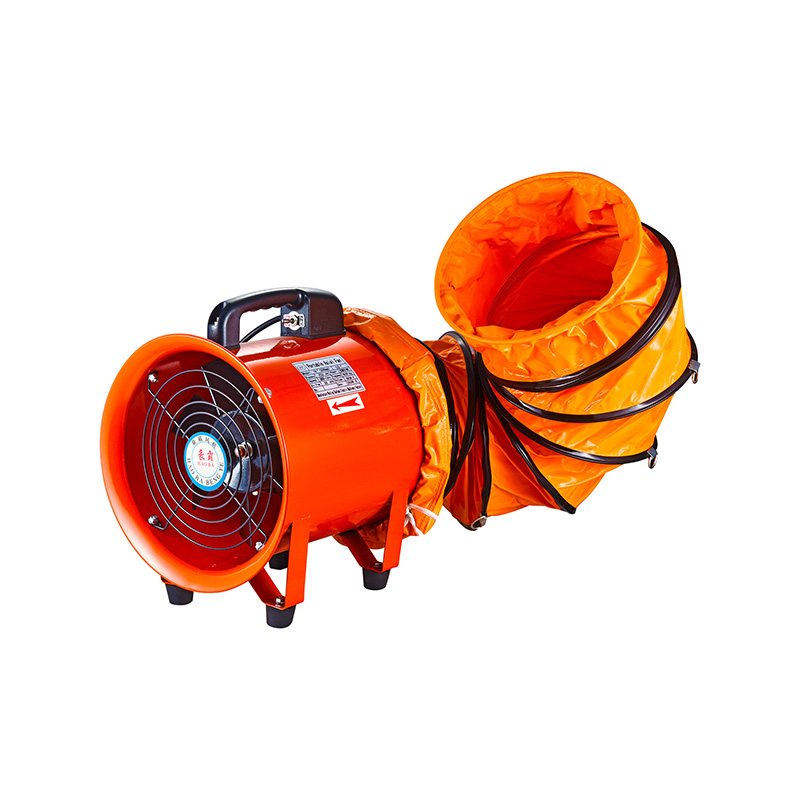
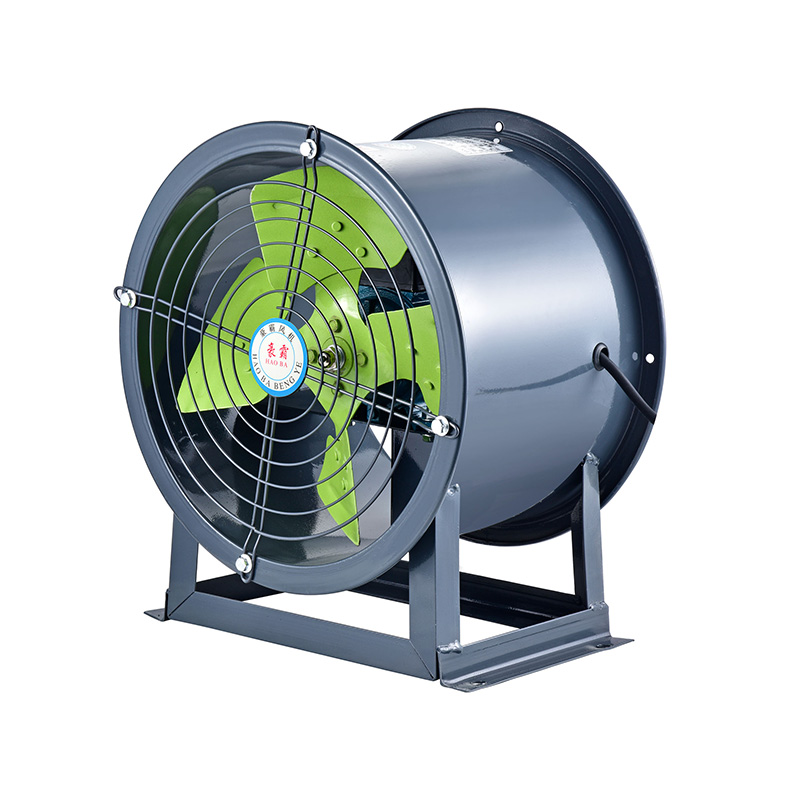
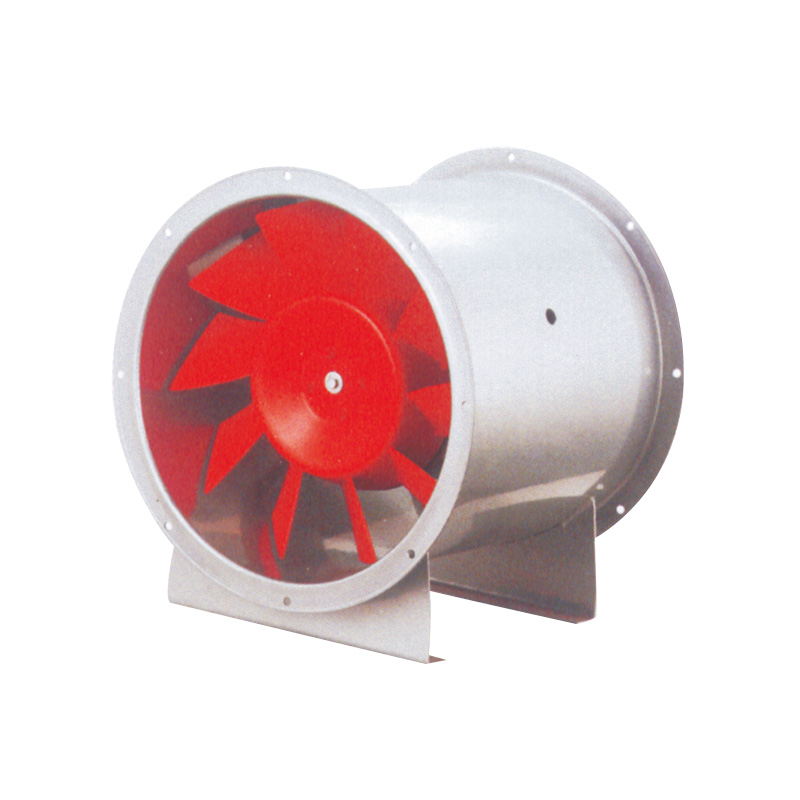
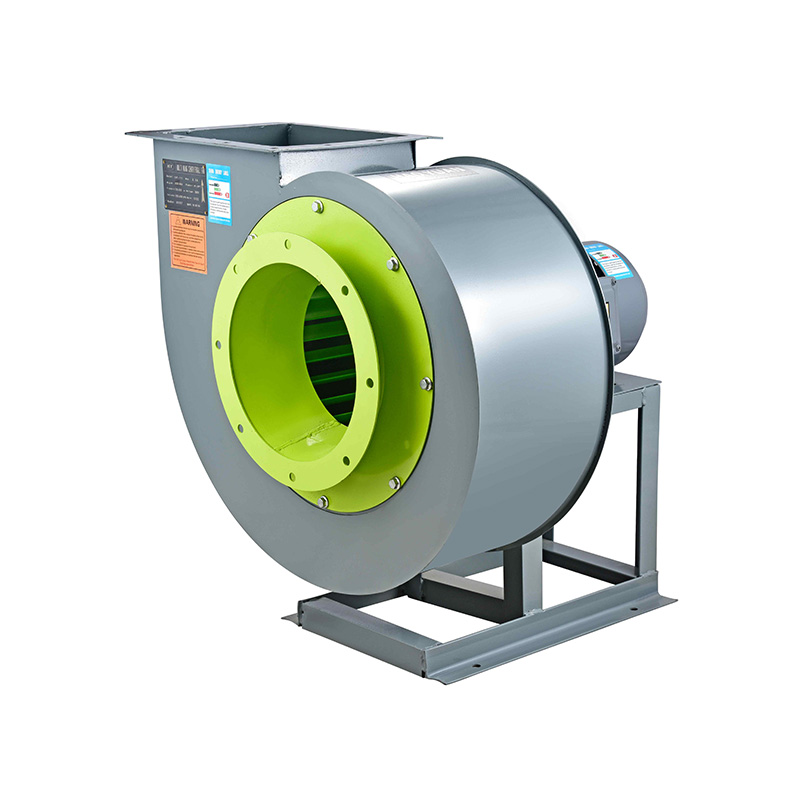
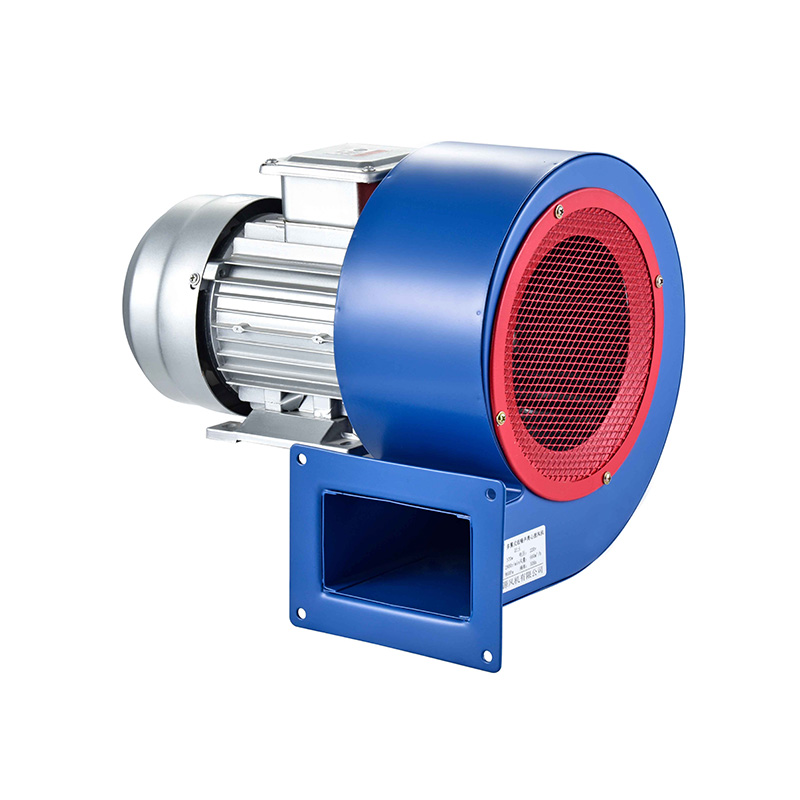
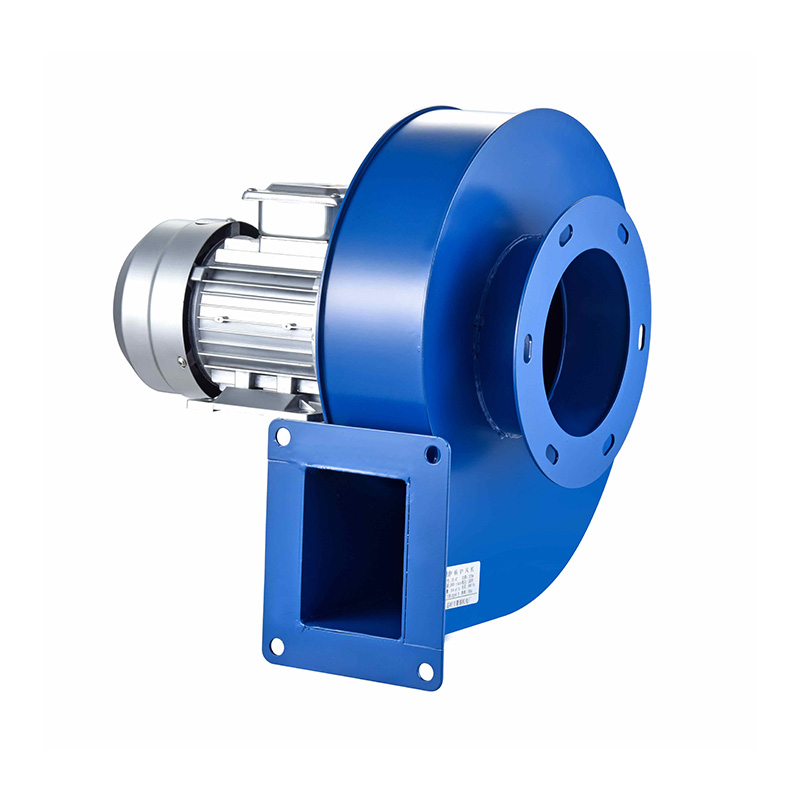
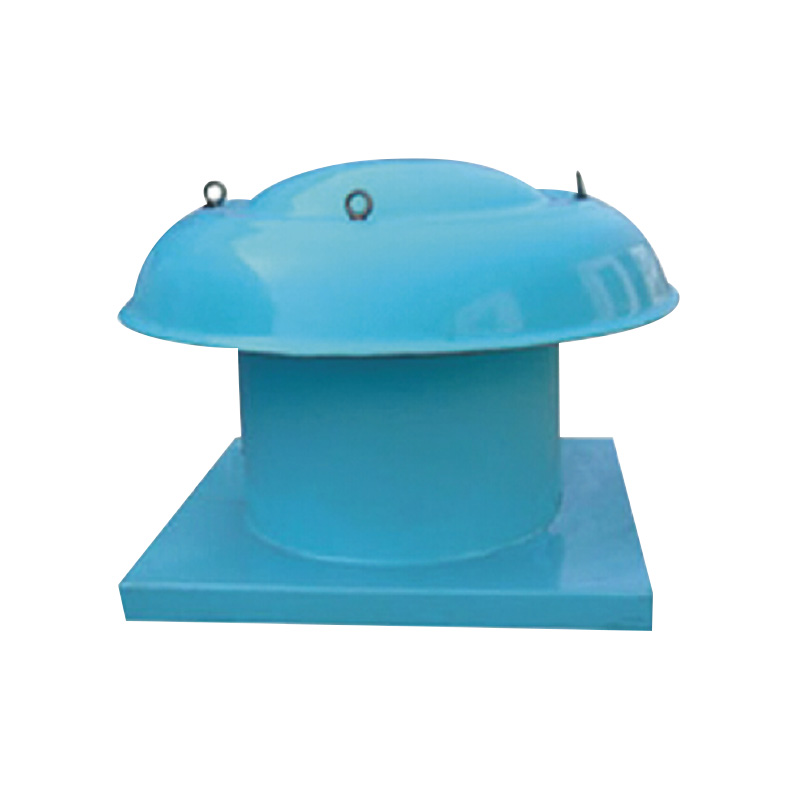
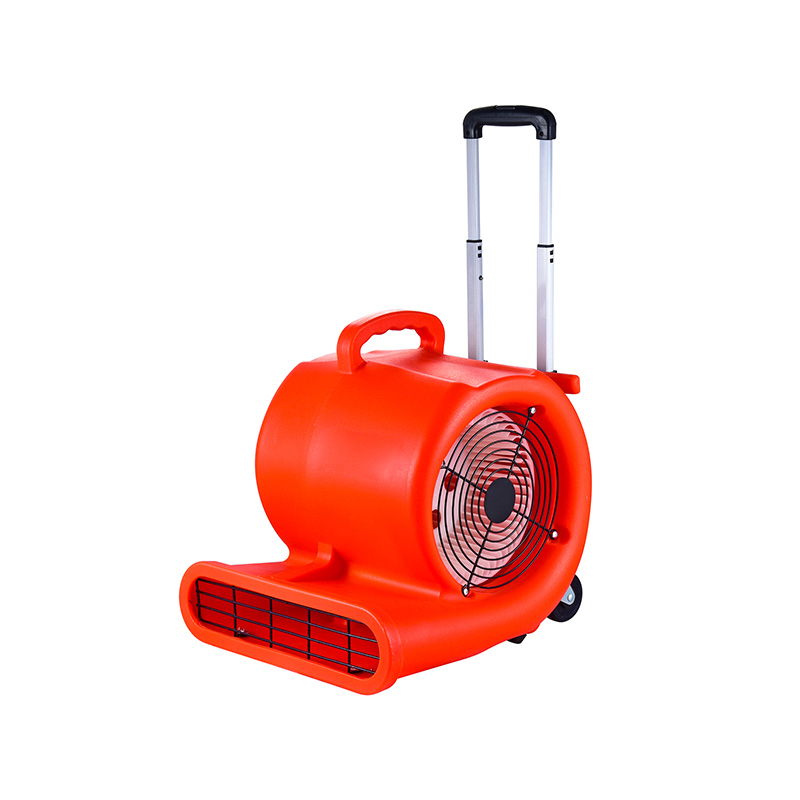
Standing in a tunnel or industrial duct where the motor needs to sit clear of the actual airstream, because whatever's moving through that air would damage a standard fan motor in short order, is exactly the kind of situation that makes engineers reach for something other than a typical off-the-shelf fan. Buyers often run into trouble picking a fan that doesn't match the working space, or discovering too late that a design just can't hold up to daily ventilation demands. A Bifurcated Axial Flow Fan offers a genuinely specialized approach for moving air through demanding environments, and understanding its important features helps buyers make choices grounded in how it'll actually perform once installed. Ventilation equipment plays a genuinely important role in keeping air moving properly across plenty of industrial spaces. A fan isn't just a device that spins and pushes air around. Its structure, application design, and compatibility with the surrounding environment all shape how well it actually fits a given project. A Bifurcated Axial Flow Fan gets recognized for its distinctive housing design and the practical possibilities that design opens up. Buyers generally need to think through several aspects before settling on a choice, including construction, airflow requirements, maintenance needs, and the operating conditions the fan will actually face.
Why Does Fan Design Matter So Much for Industrial Ventilation?
The design of a fan shapes how it performs within a larger ventilation system. Different environments carry genuinely different airflow needs, so the equipment's structure has to match whatever application it's actually serving.
Industrial spaces often demand ventilation solutions that handle continuous operation, shifting conditions, or tight installation areas where space is genuinely limited. A suitable fan design helps create a much more organized airflow process across the whole system.
A few important design considerations:
| Design Aspect |
Why It Matters |
| Housing structure |
Shapes installation and protection |
| Air movement direction |
Affects how the ventilation gets arranged |
| Internal layout |
Supports smooth, reliable operation |
| External construction |
Relates directly to environmental suitability |
A Bifurcated Axial Flow Fan uses a separated housing approach that allows air to move through while supporting specific industrial ventilation situations. That design tends to make it suitable for areas where traditional fan arrangements just don't fit the actual requirements on site.
What Makes a Bifurcated Axial Flow Fan Different From Other Fans?
Different types of ventilation fans get built for genuinely different purposes. The difference between fan designs usually comes down to structure, airflow method, and the working environment they're meant to serve.
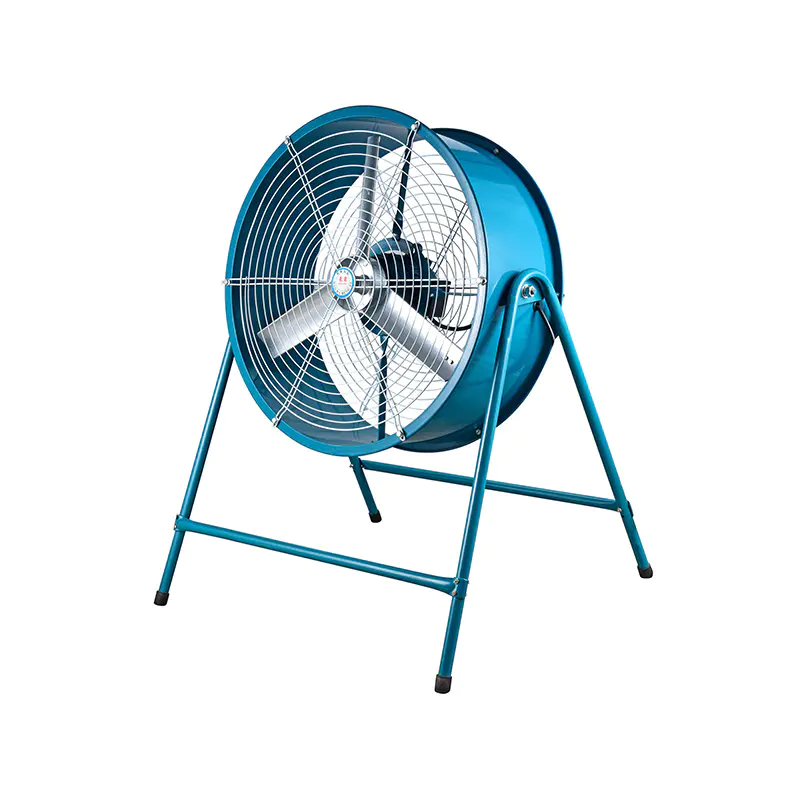
A Bifurcated Axial Flow Fan carries a distinctive body design that separates the motor area from the actual airflow path. That arrangement offers real, practical benefits in certain applications where keeping the motor out of the airstream genuinely matters.
A few key differences worth noting:
| Feature |
General Purpose Fan |
Bifurcated Axial Flow Fan |
| Structure |
Common airflow housing |
Separated housing design |
| Application focus |
General ventilation tasks |
Specific industrial environments |
| Maintenance approach |
Depends heavily on the design |
Built with accessibility in mind |
| Installation needs |
Varies by system |
Suited to selected ventilation layouts |
Understanding these differences helps buyers figure out whether this particular fan type genuinely matches their project needs, rather than defaulting to whatever's familiar.
How Does Airflow Performance Influence Fan Selection?
Air movement sits at the center of any ventilation equipment decision. A fan needs to work with the surrounding system, not operate as some isolated component doing its own thing.
Poor airflow planning tends to lead to uneven ventilation, unnecessary adjustments down the road, or genuine difficulty maintaining the environment a space actually needs.
Buyers generally think through:
- Air distribution requirements across the space
- The actual layout of the area being ventilated
- The specific purpose the ventilation is serving
- Operating conditions the fan will face
- Compatibility with the rest of the system
A Bifurcated Axial Flow Fan often gets considered for applications where controlled airflow movement genuinely matters. Its design lets it support ventilation systems that require organized, predictable air circulation rather than something scattered or inconsistent. The selection process should really focus on how the fan works within the complete ventilation setup, not just its performance in isolation.
What Construction Features Should Buyers Actually Look For?
The physical construction of a fan shapes how suitable it turns out to be for long-term use. Industrial environments throw up different challenges depending on the setting, so materials and structure need to genuinely match the working conditions involved.
A few construction features worth reviewing:
| Feature |
Buyer Consideration |
| Outer housing |
Should genuinely match the installation environment |
| Internal components |
Should support regular, ongoing operation |
| Connection design |
Should fit smoothly with the ventilation system |
| Service access |
Should allow for convenient maintenance work |
A well-planned construction approach genuinely helps reduce difficulties during installation and whatever servicing comes later. The right choice really depends on where the fan will actually be used and what conditions it needs to hold up against day after day.
Why Does Maintenance Accessibility Matter This Much?
Maintenance is a genuinely important part of owning any piece of equipment. Even dependable ventilation systems need regular inspection and care to keep running well.
A fan that's difficult to access tends to increase the effort required just to check components or complete routine work, turning a simple task into something that eats up hours.
A few maintenance-friendly features worth watching for:
| Maintenance Feature |
Practical Value |
| Accessible structure |
Makes inspection genuinely easier |
| Clear component arrangement |
Helps identify service needs quickly |
| Simple cleaning process |
Supports regular, consistent upkeep |
| Practical installation design |
Reduces maintenance headaches down the road |
When selecting a Bifurcated Axial Flow Fan, buyers benefit from thinking through not just how it operates day to day, but how it can actually be maintained over the months and years it stays in service.
How Does the Working Environment Affect Fan Choice?
Every industrial location comes with its own set of conditions. A fan that works well in one environment might genuinely fail to suit another entirely.
Factors like available space, air quality, operating habits, and ventilation goals all shape the selection process in real ways.
A few common environment considerations:
| Environment Factor |
Selection Concern |
| Installation area |
Determines what fan arrangement actually fits |
| Air movement needs |
Influences which fan type makes sense |
| Working conditions |
Affects overall equipment suitability |
| Service requirements |
Impacts how maintenance gets planned |
Understanding the environment before choosing equipment genuinely helps avoid the kind of problems that come from an unsuitable selection made too quickly. A ventilation system works best when every part actually matches the conditions surrounding it, rather than fighting against them.
What Role Does Installation Planning Play in Fan Performance?
Installation is closely tied to how a fan actually performs once it becomes part of a working ventilation system.
Even a genuinely well-designed fan needs proper placement and connection to function effectively within its intended application. Skipping this thinking often leads to problems that only show up after everything's already bolted down.
Installation planning generally involves:
- Reviewing the space actually available on site
- Considering the direction airflow needs to move
- Checking compatibility with the existing system
- Planning ahead for maintenance access
Good planning genuinely helps create a smoother relationship between the fan and whatever equipment surrounds it. For industrial projects, installation decisions deserve consideration during the selection stage itself, not as an afterthought tackled once the equipment's already been purchased.
How Can Buyers Actually Choose a Suitable Bifurcated Axial Flow Fan?
Choosing a ventilation fan requires attention to both technical needs and practical, on-the-ground conditions. Buyers benefit from understanding their application clearly before comparing different options against each other.
A useful evaluation process might include:
| Evaluation Area |
Key Question |
| Application |
Where will the fan actually be installed? |
| Airflow needs |
What ventilation purpose does it genuinely serve? |
| Structure |
Does the design actually fit the environment? |
| Maintenance |
Can routine service genuinely be completed with ease? |
| System connection |
Will it work smoothly with existing equipment? |
The goal really comes down to selecting equipment that matches the actual working situation rather than something that just looks capable on a spec sheet. A Bifurcated Axial Flow Fan can be a genuinely suitable choice for certain industrial ventilation applications because of its distinctive structure and flexible installation possibilities. Buyers who understand the important features here, including design, construction, maintenance, and environmental compatibility, tend to make choices that better support their actual ventilation requirements. The selection process isn't only about finding a fan with the right appearance or basic function on paper. It involves genuinely understanding how the equipment will operate as part of a larger system and how it'll support daily ventilation tasks in whatever environment it's actually installed into.


 English
 русский
 عربى
عربى
 Inquiry