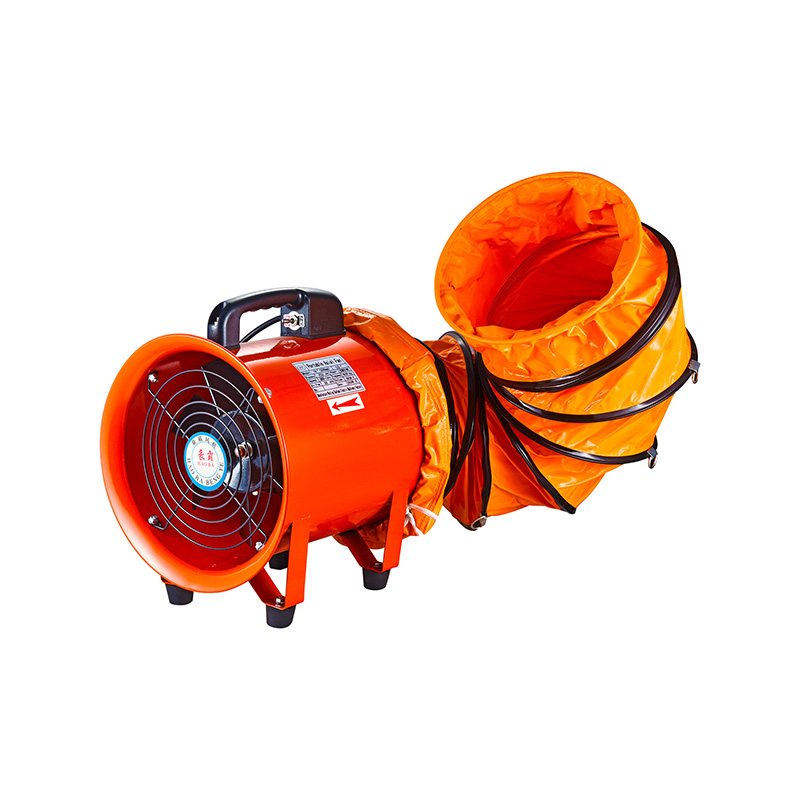
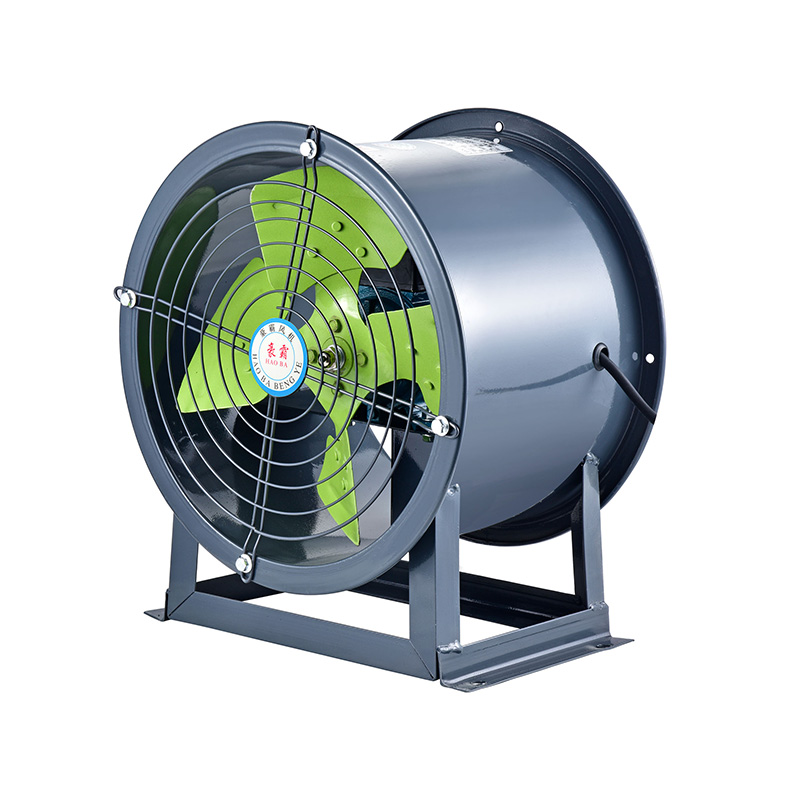
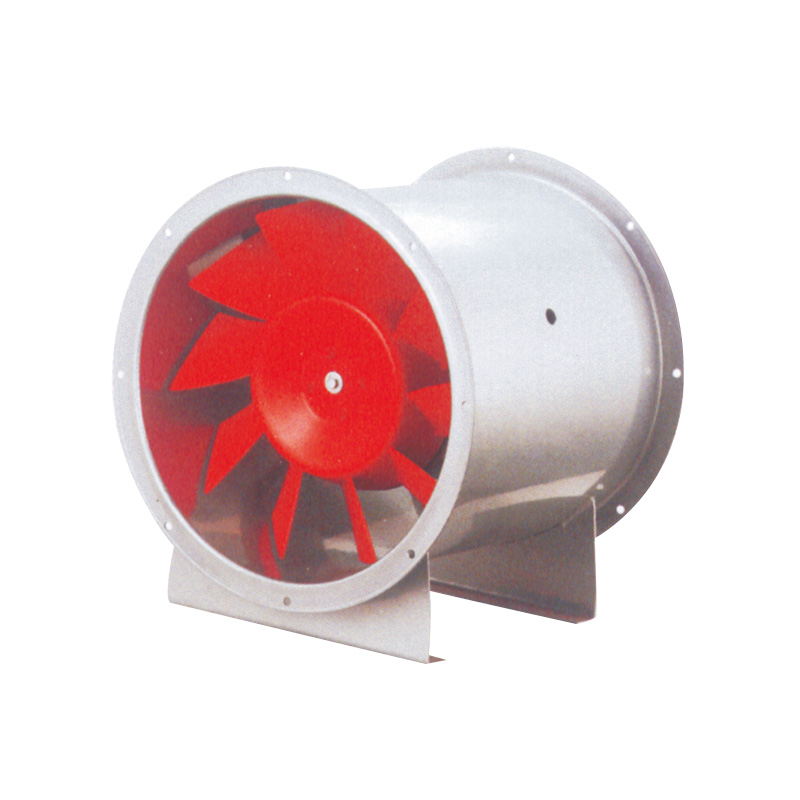
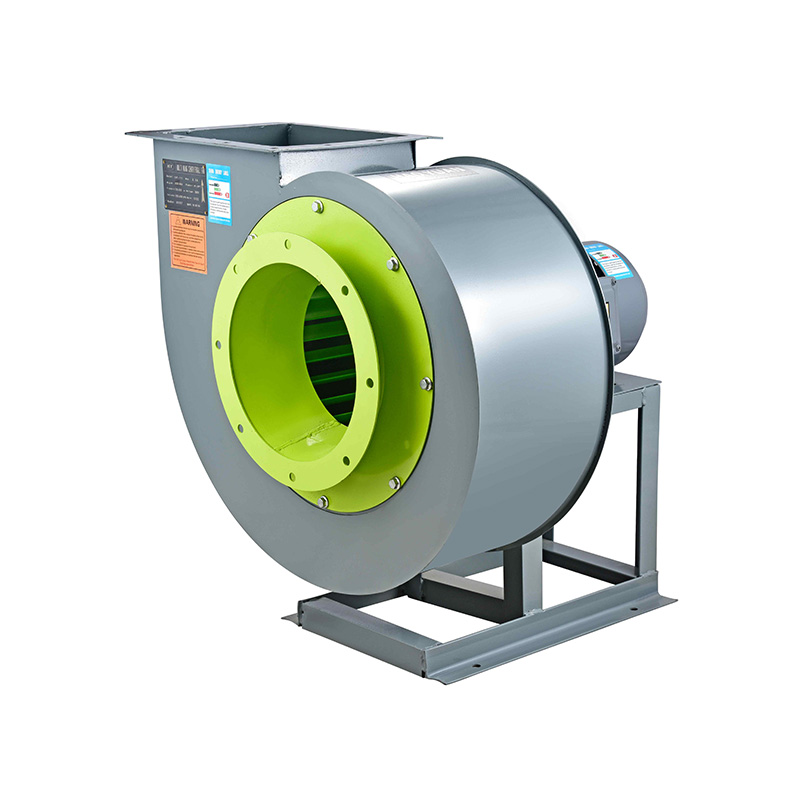
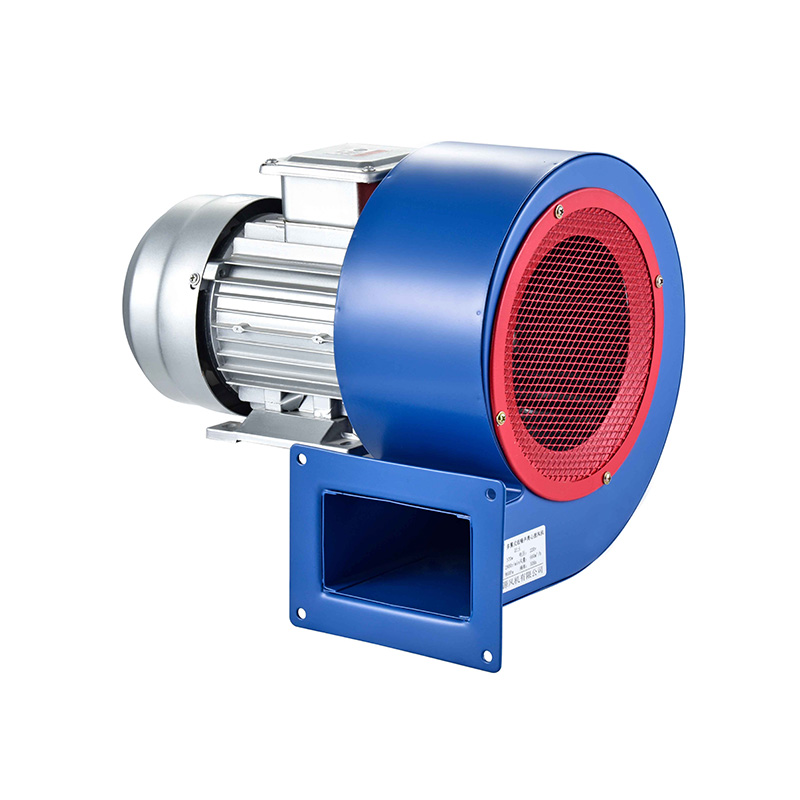
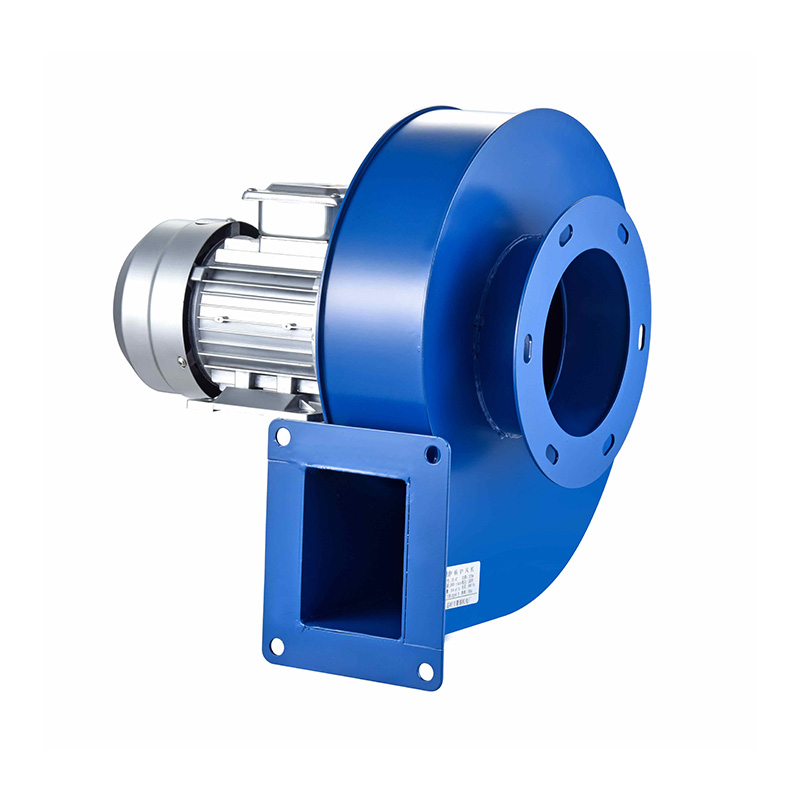
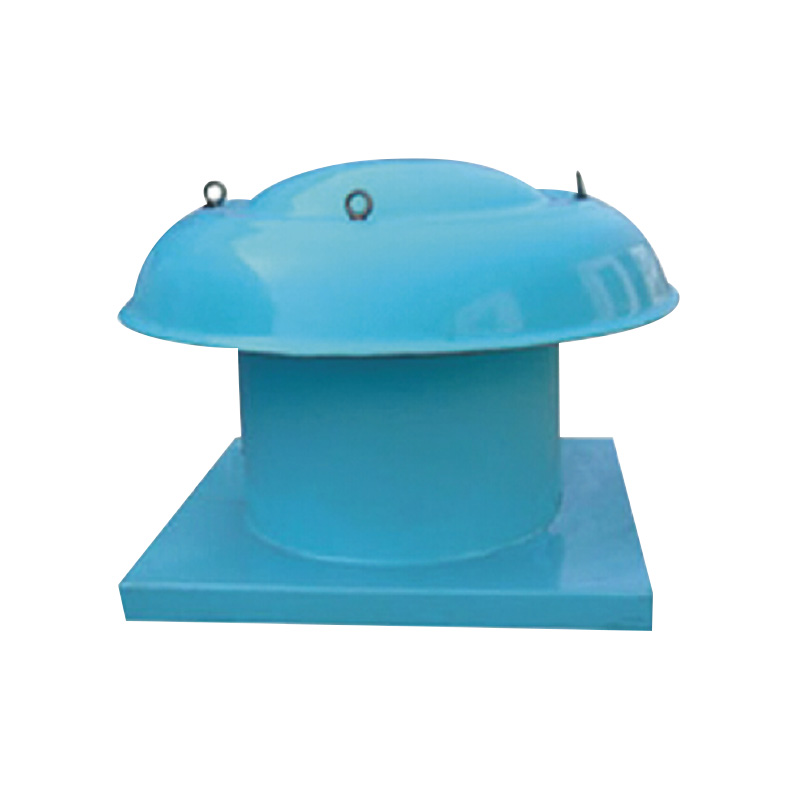
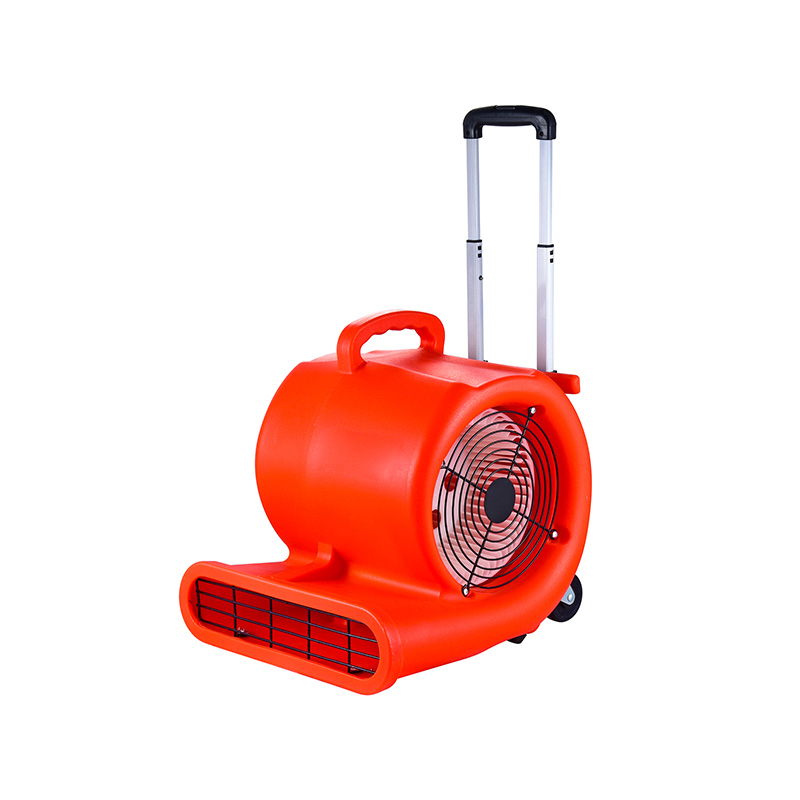
The ventilation system is running, air is moving — but the noise level in the workshop has become its own operational problem, interfering with communication, wearing on worker concentration, and complicating compliance with noise exposure standards. For factory managers and procurement teams balancing airflow performance against working environment quality, this is a familiar tension. A Low Noise Axial Flow Fan is not simply a quieter version of a standard unit — it represents a deliberate engineering trade-off between acoustic performance, airflow capacity, and mechanical reliability that changes the selection criteria compared to conventional industrial fans. Getting that selection right requires understanding the design factors that drive noise, the installation formats available, and how different workshop environments place different demands on the equipment.
Why Noise Matters More Than It Used to in Industrial Ventilation
Noise in industrial settings was once treated as an unavoidable background condition — the cost of operating machinery in an enclosed space. That framing has shifted, driven by a clearer understanding of how sustained noise exposure affects worker performance, health, and retention.
Prolonged exposure to elevated noise levels reduces concentration, increases error rates in tasks requiring precision, and contributes to fatigue at a rate that is not always immediately visible in day-to-day operations. Communication breakdown in noisy environments slows workflows and creates safety risks in workspaces where verbal coordination matters. Over time, cumulative noise exposure also creates occupational health liabilities that management did not necessarily price into the original equipment decision.
Ventilation systems are one of the controllable contributors to workshop noise. Unlike production machinery noise — which is linked directly to the manufacturing process — fan noise is an infrastructure choice. Selecting fans that deliver the required airflow at lower acoustic output does not compromise production; it simply removes a noise source that did not need to be there in the first place.
How Axial Flow Fans Actually Work
Before comparing variants, it helps to understand the axial flow fan working principle, because it explains why this fan type is well-suited to factory ventilation and what design factors affect its noise output.
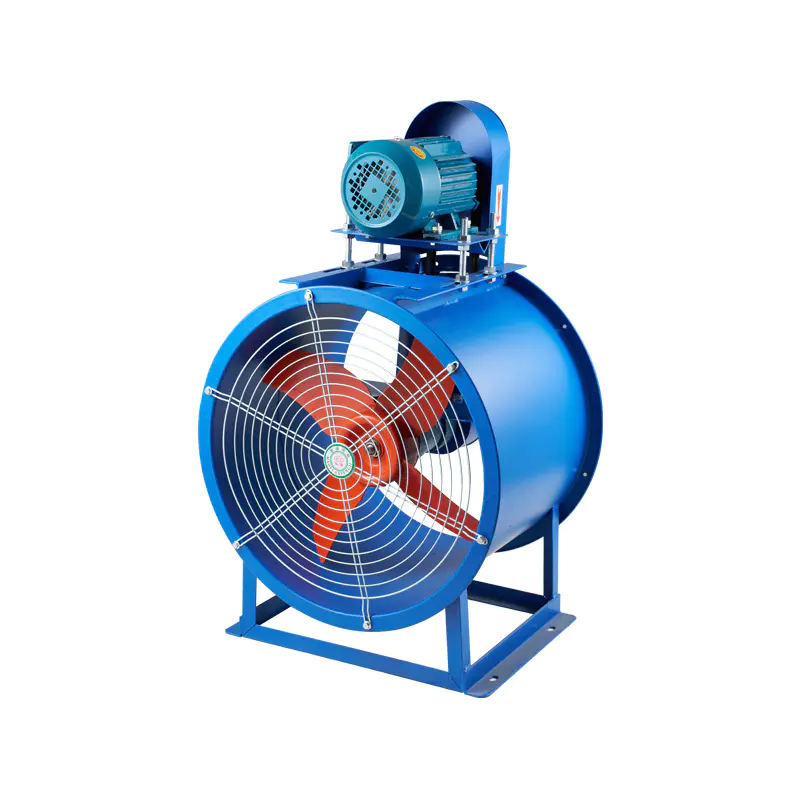
An axial flow fan moves air by rotating a set of blades around an axis. As the blades spin, they create a pressure difference that draws air in along the axis and pushes it out in the same direction. This straight-through airflow path is what distinguishes axial fans from centrifugal fans, which redirect air at an angle to the inlet. The axial design is efficient for moving large volumes of air with relatively low resistance, which makes it appropriate for general ventilation, exhaust, and air circulation in open or ducted factory spaces.
The noise a fan produces comes from several sources within this operating mechanism:
- Blade passing frequency: Each time a blade passes a fixed reference point — a support strut, a housing edge — it generates a pressure pulse. At higher rotational speeds, these pulses occur more frequently and produce more audible tonal noise.
- Turbulence at blade surfaces: Air does not flow smoothly over every blade profile at every operating condition. Where turbulence occurs, it generates broadband noise — the rushing, hissing component of fan noise.
- Motor noise: The electrical motor driving the fan produces its own acoustic output from electromagnetic effects, bearing vibration, and cooling airflow across the motor body.
- Mechanical resonance: At certain speeds, fan components can resonate at frequencies that amplify otherwise minor vibration into audible noise.
Low noise designs address these sources through blade geometry, motor selection, housing design, and mounting systems — not by simply running the fan slower, which would reduce airflow below useful levels.
What Design Features Reduce Fan Noise Without Sacrificing Airflow?
The performance gap between a standard axial fan and a genuinely low noise version is not marketing language — it reflects specific engineering decisions that carry real design costs. Understanding these features helps procurement teams evaluate competing products beyond specification sheets.
Blade profile and sweep geometry:
Blade shape determines how cleanly air attaches to and separates from the blade surface during rotation. Aerofoil section blades — curved in cross-section rather than flat — generate less turbulent separation than simpler blade profiles. Swept or skewed blades, where the leading edge is angled rather than straight across the radius, reduce the tonal noise from blade-to-strut pressure interactions by spreading the pressure pulse over a longer arc.
Blade tip clearance:
The gap between the blade tip and the fan housing affects both efficiency and noise. Tight clearances reduce recirculation at the tip — a significant noise source — but require more precise manufacturing tolerances to maintain consistently. Fans with controlled tip clearances generally perform more quietly and efficiently but cost more to produce.
Motor efficiency and speed:
Fans achieving a given airflow target at lower rotational speed are inherently quieter than fans spinning faster to compensate for less efficient blade design. High-efficiency motors that deliver full torque at lower operating speeds produce less bearing noise and less electromagnetic interference than motors running at high current draws.
Housing and mounting damping:
Vibration conducted from the fan into the building structure adds to perceived noise in the workspace. Rubber anti-vibration mounts between the fan housing and its installation structure reduce this conduction path. Rigid mounting without damping turns the wall or ductwork into a secondary resonating surface.
Wall Mounted Axial Flow Fan: Where This Format Works Well
The wall mounted axial flow fan is one of the most common configurations in factory workshop ventilation — and with good reason. Mounting the fan directly in the workshop wall allows it to exhaust air directly to the outside without duct runs, which eliminates the pressure drop and noise generation associated with ductwork.
Where this configuration performs particularly well:
- General factory floor ventilation: In workshops without ceiling ductwork, wall-mounted units are the practical choice. They can be positioned at high level to draw warm air out at ceiling height, or at working level to create cross-ventilation with inlet openings on the opposite wall.
- Welding and fume-generating operations: Direct wall exhaust at working height near fume sources removes contaminated air before it disperses into the general workshop volume. Wall-mounted placement allows more precise positioning relative to the fume source than ceiling-mounted systems.
- Supplemental spot ventilation: In large workshops where a central system handles general air changes but specific hot or fume-generating workstations need additional local ventilation, wall-mounted units can be added without affecting the main system.
- Warehouses with high throughput doors: Facilities that frequently open large bay doors benefit from wall-mounted fans on the opposing wall — they compensate for the air movement disruption caused by door operation without requiring the main system to respond.
The practical consideration for wall-mounted selection is the wall construction. Mounting through lightweight cladding requires different hardware and support than installation through concrete or masonry. Fan weight and vibration transfer need to be matched to the wall's structural capacity.
Bifurcated Axial Flow Fan: When Is This Configuration Necessary?
The bifurcated axial flow fan is a specialized configuration that most procurement decisions do not require — but in specific applications, it is the only appropriate choice. Understanding when it becomes necessary prevents the mistake of applying a standard fan in conditions it cannot handle.
In a standard axial fan, the motor sits directly in the airstream. This arrangement works well when the air being moved is clean, at ambient temperature, and free of chemical contamination. The airstream cools the motor during operation, and the motor is not subjected to conditions it was not designed for.
A bifurcated design separates the motor from the airstream by routing it outside the flow path. The motor drives the fan impeller through a shaft, but the actual air being moved never passes across the motor body. This separation makes bifurcated fans appropriate for:
- High-temperature extraction: Foundries, heat treatment facilities, and processes generating hot process air cannot use standard fans without risking motor damage. Bifurcated designs handle elevated air temperatures that would destroy a standard motor.
- Corrosive or chemically aggressive atmospheres: Chemical processing, surface treatment, and some food production environments expose ventilation equipment to vapors or aerosols that attack motor windings and insulation. Keeping the motor out of the airstream extends its service life significantly.
- Smoke extraction and emergency ventilation: Building safety systems designed to exhaust smoke during fire events require fans rated for operation in high-temperature smoke. Bifurcated configurations are a standard choice for these applications.
- High-humidity or condensation-prone spaces: Food processing, laundries, and similar environments produce air with high moisture content. Condensation inside standard motors causes progressive insulation failure; bifurcated designs avoid this by keeping moisture-laden air away from the motor.
For a standard manufacturing workshop without these specific environmental conditions, a bifurcated design adds cost without adding necessary functionality. Matching the configuration to the actual air conditions — not just specifying a more robust option by default — is where the selection judgment matters.
Fan Type Comparison by Application Context
| Fan Configuration |
Suitable Environments |
Key Advantage |
Limitation |
| Standard low noise axial |
General manufacturing, warehouses, assembly |
Quiet operation, cost-effective, wide availability |
Not suitable for high temp or contaminated airstreams |
| Wall mounted axial |
Workshops, welding bays, storage facilities |
Direct exhaust, no ductwork needed, easy positioning |
Installation dependent on wall construction |
| Bifurcated axial |
Foundries, chemical processing, smoke extraction |
Motor protected from airstream, handles harsh conditions |
Higher cost, larger installation footprint |
| Ceiling-mounted axial |
Large open-span facilities, high-bay warehouses |
Wide air distribution from above |
Requires structural support, access for maintenance |
| Duct-mounted inline axial |
Systems requiring air movement through ductwork |
Integrates with existing duct infrastructure |
Duct pressure drop adds to noise; duct maintenance required |
Reading across the configurations makes the selection logic visible: the right choice depends on the air condition, the installation geometry, and the noise requirement — not on a single performance metric viewed in isolation.
Workshop Type and Ventilation Demand: How Requirements Differ
Not all factory workshops present the same ventilation challenge. The type of production activity, the building geometry, and the environmental conditions determine which fan specifications matter and how the system should be configured.
Metal fabrication and machining:
Cutting fluids, metal dust, and grinding debris make air quality management critical in these environments. Ventilation needs to handle both heat dissipation from machinery and the extraction of airborne particulates. Fans in these environments benefit from housing materials and coatings that resist corrosion from metalworking fluid mist.
Welding shops:
Fume extraction is the primary concern — followed closely by heat management, since welding processes generate substantial local heat. Local extraction at source, combined with general dilution ventilation, typically requires a mix of wall-mounted units positioned near workstations and general ceiling-level exhaust.
Textile and garment manufacturing:
Fiber dust accumulation is the dominant concern. Fans in textile environments clog more quickly than in other workshops, making filter maintenance frequency a practical selection factor. Fan designs with accessible filter housings reduce the labor cost of maintenance cycles.
Food processing:
Hygiene requirements place additional demands on fan construction. Smooth, cleanable surfaces, corrosion-resistant materials, and sealed motor designs reduce bacterial harboring surfaces and survive the chemical cleaning cycles common in food production environments.
Warehouses and distribution centers:
The ventilation requirement here is primarily thermal comfort rather than contaminant extraction. High-volume, lower-pressure fans that move large air volumes efficiently at moderate noise levels are appropriate. Energy efficiency becomes a proportionally larger selection factor in these large, continuously ventilated spaces.
Sourcing Considerations for Wholesale and Volume Procurement
For procurement teams sourcing axial flow fan units in volume — for a factory fit-out, a multi-site rollout, or an OEM supply arrangement — the evaluation criteria extend beyond individual unit performance.
Production consistency:
A unit that performs as specified in a sample evaluation needs to perform the same way across a production run of hundreds or thousands. Suppliers with documented quality control processes and traceable production records reduce the risk of specification variation between batches.
China axial flow fan supply advantages:
Chinese manufacturing infrastructure for industrial fans has developed substantially in capacity, process quality, and product range. For buyers evaluating wholesale axial flow fan options, working directly with an axial flow fan factory rather than through trading intermediaries typically offers better pricing, faster communication on technical requirements, and more flexibility on specification variations.
Custom specification capability:
Standard catalog sizes cover many applications, but factory installations frequently require non-standard frame sizes, voltage configurations, connection types, or finish specifications. A supplier with genuine engineering flexibility for these modifications is more useful over the full project lifecycle than one limited to what is in the standard catalog.
After-sale technical support:
Fan performance issues in installed systems are often installation-related rather than product defects. A supplier whose technical team can assist with troubleshooting installation problems — airflow configuration, mounting resonance, pressure mismatch with ductwork — adds value beyond the unit sale.
Spare parts availability:
Motors, bearings, and blade assemblies are the components that require replacement over a fan's service life. Suppliers who maintain spare parts availability for the models they sell — rather than discontinuing support shortly after a product generation changes — reduce the operational risk of building a facility's ventilation infrastructure around their equipment.
Evaluating Long-Term Operating Cost, Not Just Purchase Price
The upfront price of a fan is one component of what it actually costs to ventilate a workshop. Two fans with different purchase prices and different efficiency and noise profiles can produce very different total costs over years of continuous operation.
Energy consumption is the ongoing cost that most often shifts the total cost comparison. A fan that achieves a given airflow target at lower motor power consumption costs less to run per hour of operation. In facilities where ventilation runs continuously across multi-shift operations, this difference accumulates into meaningful annual energy cost differences.
Maintenance frequency and cost is the second variable. Fans with durable bearings, accessible filter housings, and motor designs that tolerate the installation environment without accelerated wear require less maintenance intervention. The labor and downtime cost of replacing a fan or rebuilding a failed motor in an operational workshop often exceeds the cost difference between a more durable initial specification and a less durable one.
Noise-related productivity effects are harder to quantify directly but are real. A workshop where the ventilation system adds significantly to the ambient noise level carries an ongoing cost in worker concentration, communication efficiency, and wellbeing that shows up in performance metrics rather than equipment line items.
Working With a Supplier Who Understands Industrial Ventilation
Equipment selection is more straightforward when the supplier can engage with the application — the workshop type, the airflow requirement, the noise constraint, the installation geometry — rather than simply presenting a catalog. An axial flow fan factory with application engineering capability can help match the configuration and specification to the actual conditions rather than leaving that matching work entirely to the buyer. Taizhou Haoba Electromechanical Co., Ltd. manufactures axial flow fans across standard and custom configurations, including low noise designs, wall mounted formats, and bifurcated units for high-temperature and chemically demanding environments. For factory managers, engineering contractors, and procurement teams evaluating wholesale axial flow fan options for workshops, multi-site facilities, or OEM integration, reaching out with the application details — workshop dimensions, required airflow, installation constraints, and noise requirements — is the practical starting point. Getting the specification matched to the environment before the purchase order is placed is considerably more efficient than resolving performance gaps after installation is complete.


 English
 русский
 عربى
عربى
 Inquiry