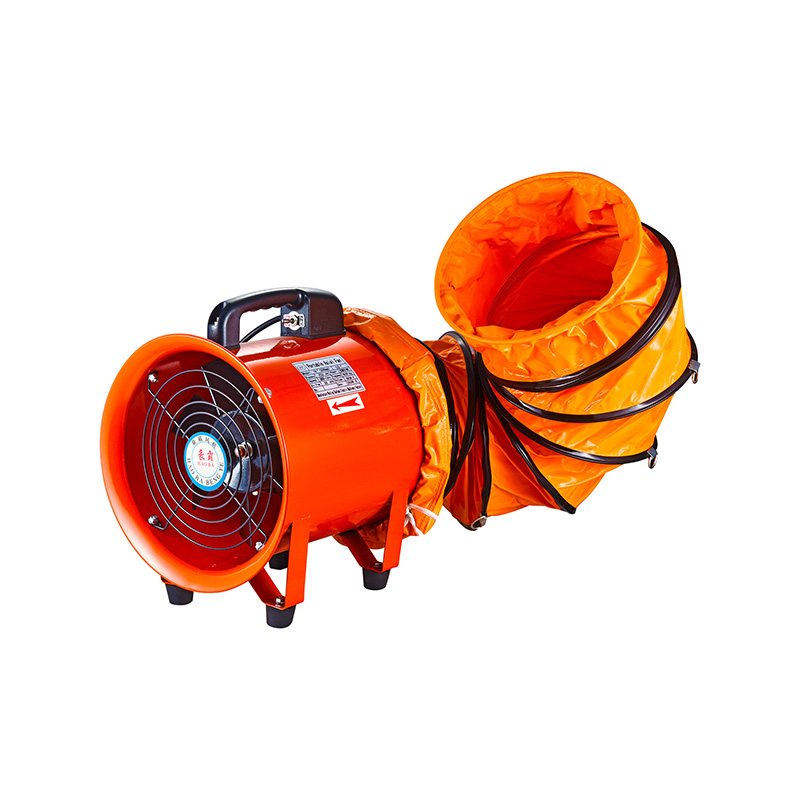
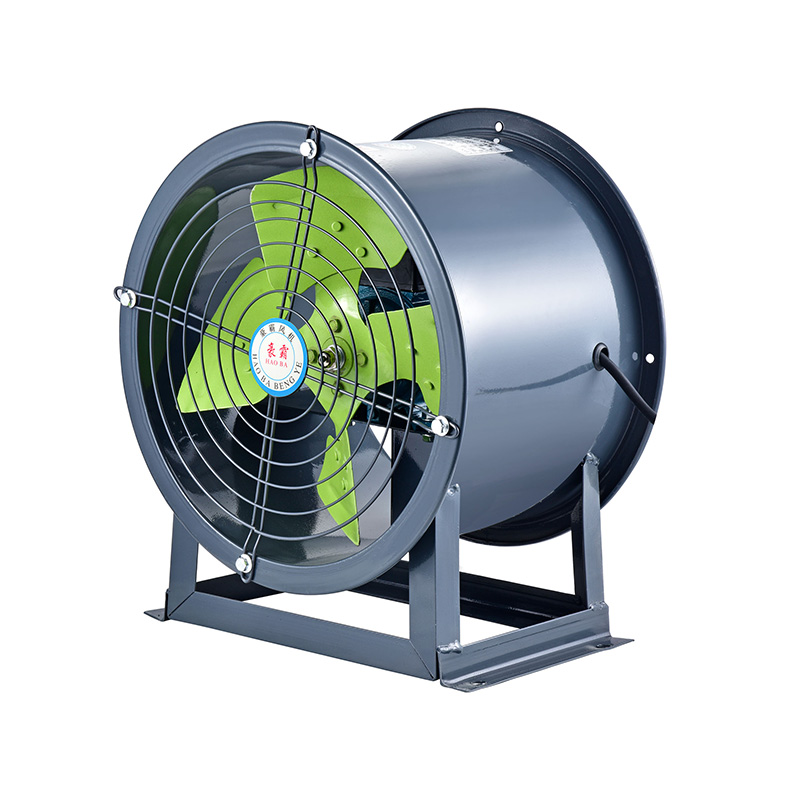
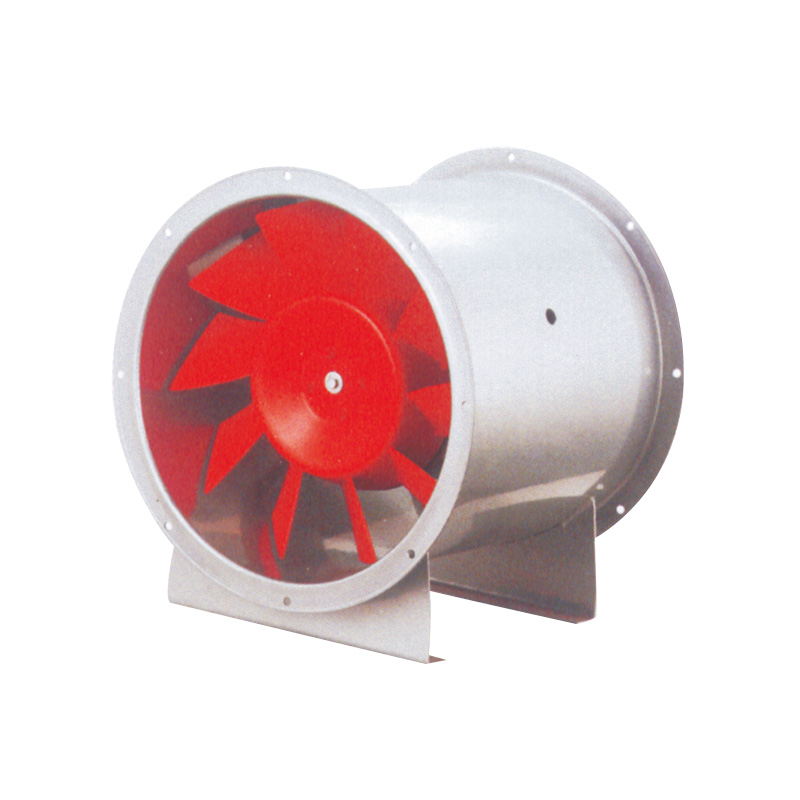
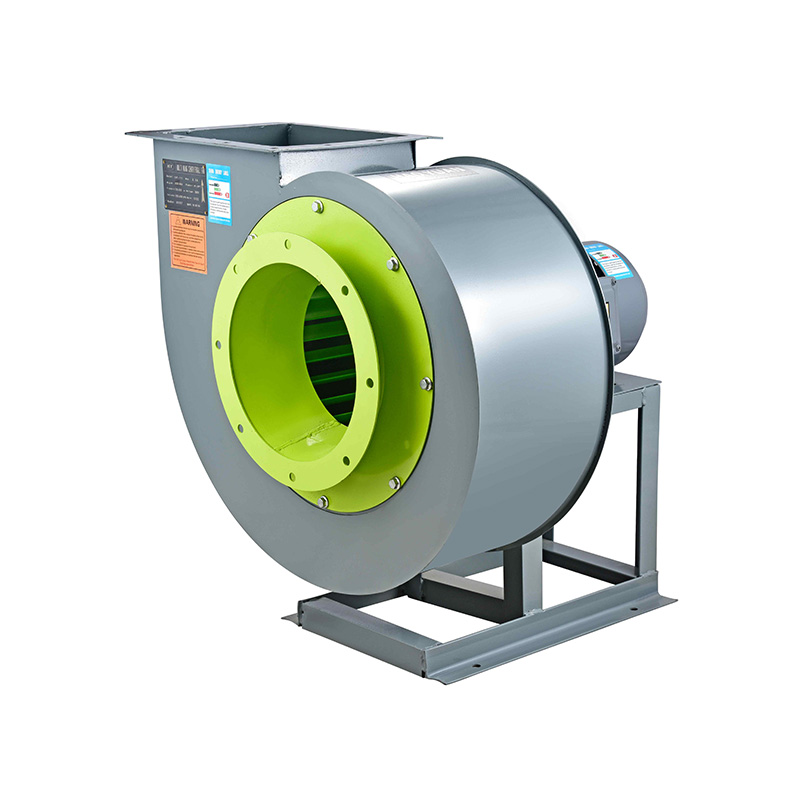
Selecting the correct fan size is one of the more common questions raised by engineers, contractors, and facility managers when planning ventilation systems. A properly sized Industrial Axial Flow Fan can provide stable airflow, maintain comfortable working conditions, and support industrial processes that require continuous air circulation. Consultation with an experienced Axial Flow Fan Manufacturer often begins with evaluating airflow requirements and installation conditions before determining the appropriate fan diameter and performance range.
Industrial ventilation systems vary widely depending on building size, airflow demand, and environmental factors.
Understanding Airflow Requirements
Airflow capacity is usually measured in CFM (cubic feet per minute) or m³/h (cubic meters per hour). This value indicates how much air the fan can move within a given time period.
Engineers typically calculate the required airflow based on the size of the space and the desired air exchange rate. A common formula used in ventilation planning is:
CFM = (Room Volume × Air Changes per Hour) / 60
This method helps determine how frequently the air inside a space should be replaced. Workshops and industrial facilities often require higher air exchange rates than offices or residential spaces due to heat generation, dust, or equipment operation.
Airflow calculations provide a starting point for selecting the appropriate fan size.
Evaluating Static Pressure in the System
Another important parameter is static pressure, which represents the resistance the fan must overcome when moving air through ducts, filters, or ventilation openings.
Common factors that increase static pressure include:
- Long duct systems
- Air filtration equipment
- Louvers or protective grilles
- Multiple bends in the ventilation ducts
Axial fans are generally designed for high airflow with relatively low pressure conditions, making them suitable for large-volume ventilation such as factory exhaust or warehouse cooling.
Accurately estimating system pressure helps engineers determine whether a larger fan diameter or stronger motor is required.
Considering Fan Diameter and Speed
Fan diameter is closely related to airflow capacity. Larger diameters allow fans to move more air at lower rotational speeds.
Typical industrial axial fan sizes range from 315 mm to 800 mm or larger, with airflow capacity increasing as diameter increases.
Examples of typical airflow ranges include:
| Fan Diameter |
Typical Airflow |
| 315 mm |
1,200 – 2,500 m³/h |
| 500 mm |
4,000 – 7,000 m³/h |
| 630 mm |
8,000 – 15,000 m³/h |
| 800 mm |
15,000 – 30,000 m³/h |
Larger fans operating at lower speeds may also help reduce vibration and noise in ventilation systems.
Checking the Fan Performance Curve
Fan performance curves describe the relationship between airflow and static pressure. These curves help engineers identify the operating point where the ventilation system and the fan performance intersect.
The general process includes:
- Determine required airflow
- Estimate system pressure
- Locate the operating point on the fan curve
- Select a model that operates near that point
Matching the system requirements to the performance curve ensures stable operation and avoids unnecessary energy consumption.
Allowing a Safety Margin
Ventilation systems rarely operate under perfectly stable conditions. Dust accumulation, duct resistance changes, and environmental conditions may affect airflow over time.
Technical selection guidelines often recommend choosing a fan whose maximum airflow is 1.3 to 2 times the calculated requirement, depending on system resistance.
This margin helps maintain adequate airflow even when operating conditions change.
Installation Environment and Space Limitations
Fan size must also match the available installation space and structural layout. Wall-mounted fans, duct fans, and roof ventilation systems may require different fan designs.
Important environmental considerations include:
- Ambient temperature
- Dust concentration
- Corrosive gases
- Outdoor exposure
Selecting the correct structure and material helps ensure long-term durability in industrial environments.
Working With a Manufacturer for Selection Support
Choosing the correct fan size often requires evaluating several technical factors simultaneously. Collaboration with an experienced Axial Flow Fan Manufacturer can simplify the process by providing technical guidance and performance data.
Taizhou Haoba Electromechanical Co., Ltd. manufactures ventilation equipment designed for factory ventilation, equipment cooling, and industrial air circulation. Engineers selecting an Industrial Axial Flow Fan often review airflow requirements, installation conditions, and system resistance before finalizing the appropriate fan model.


 English
 русский
 عربى
عربى
 Inquiry