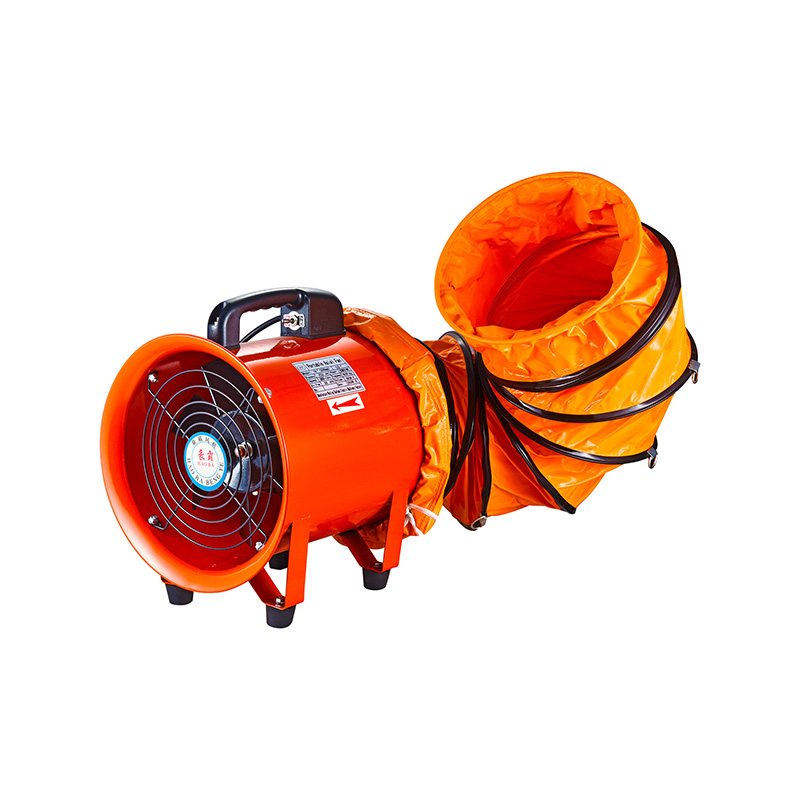
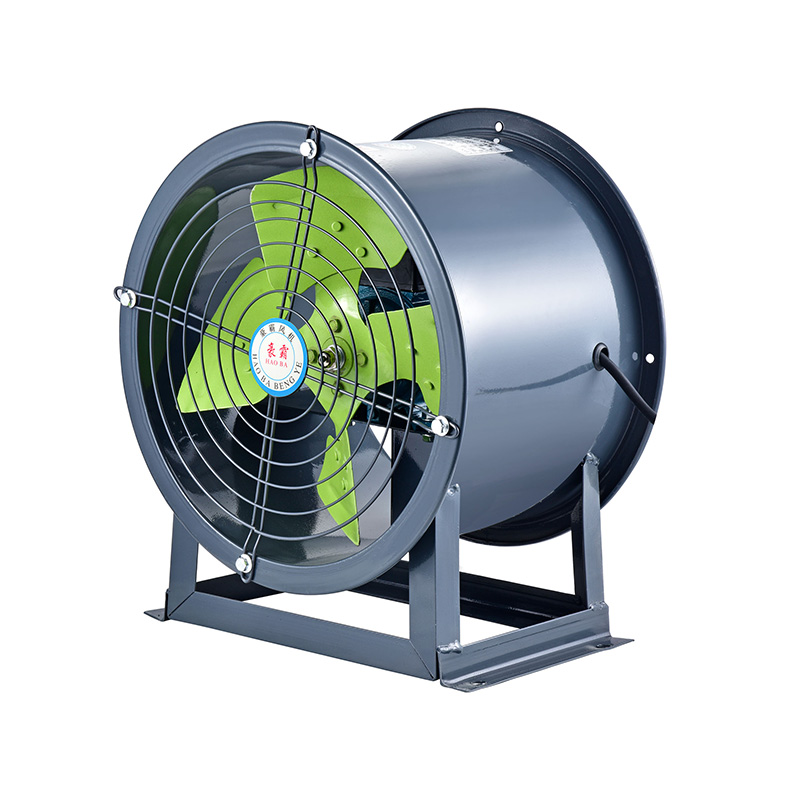
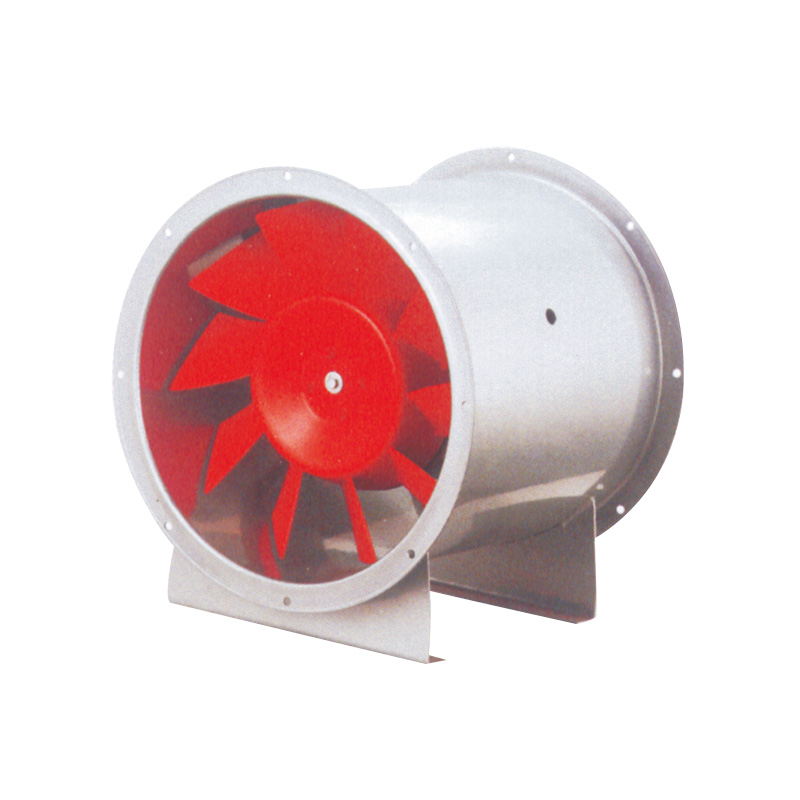
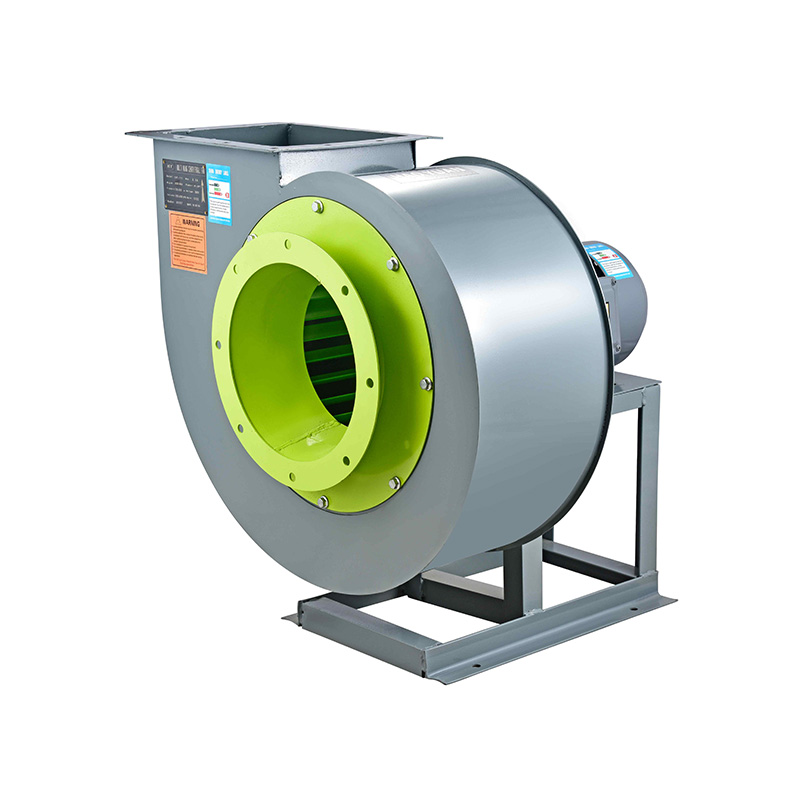
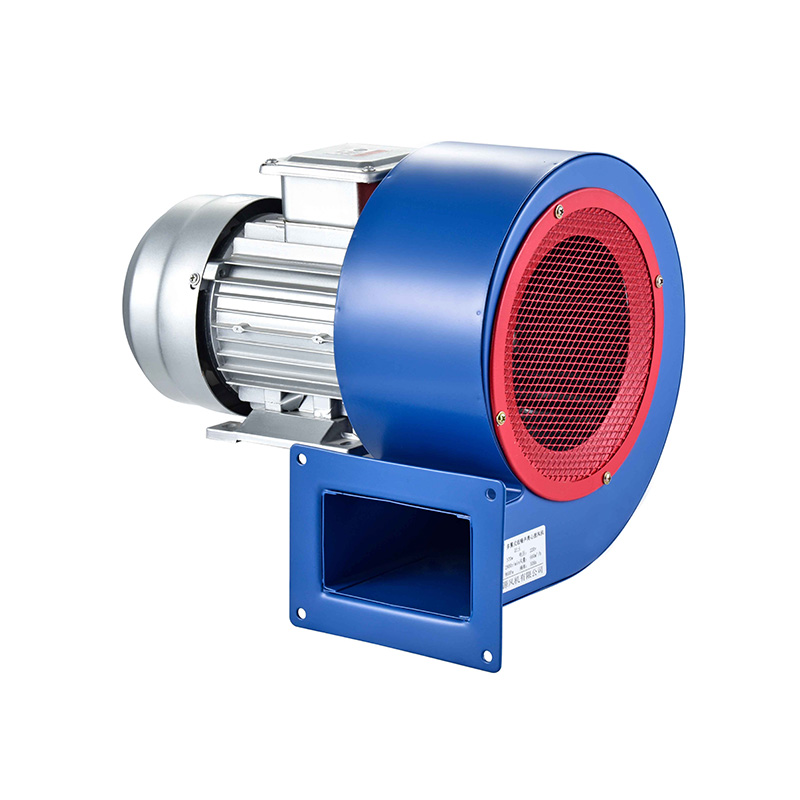
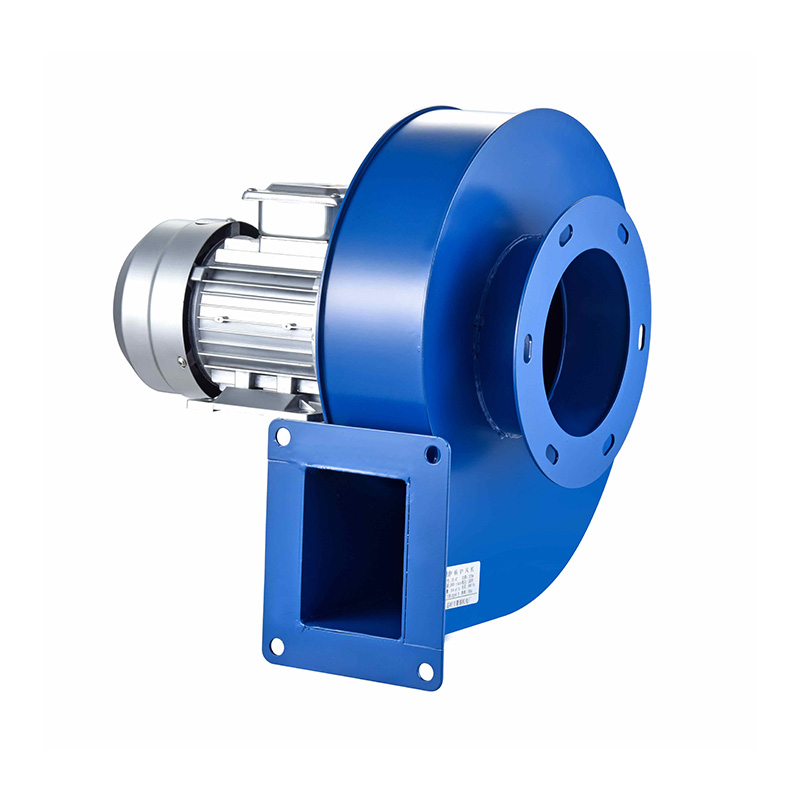
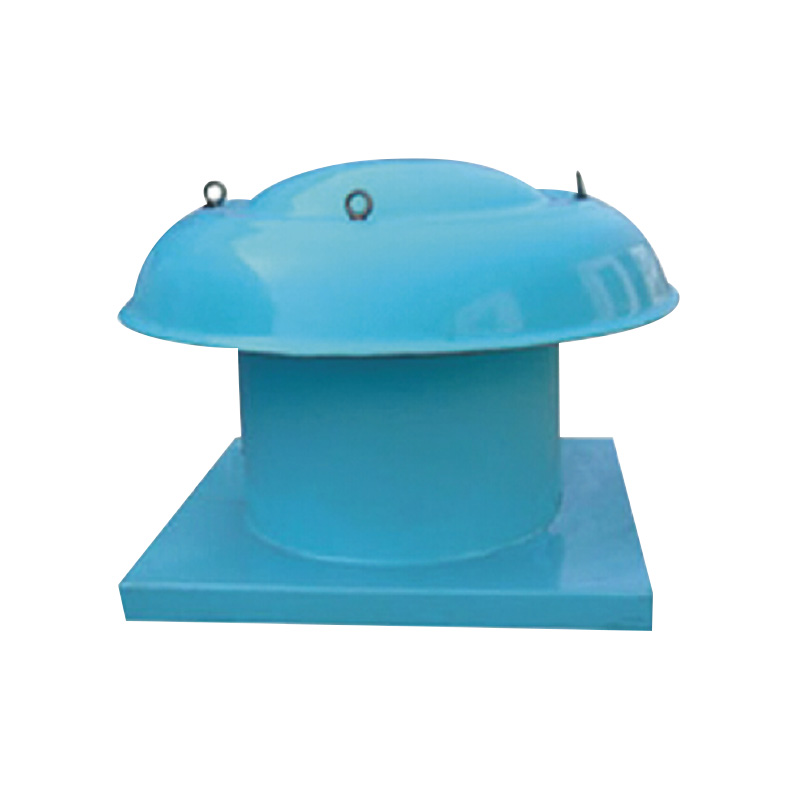
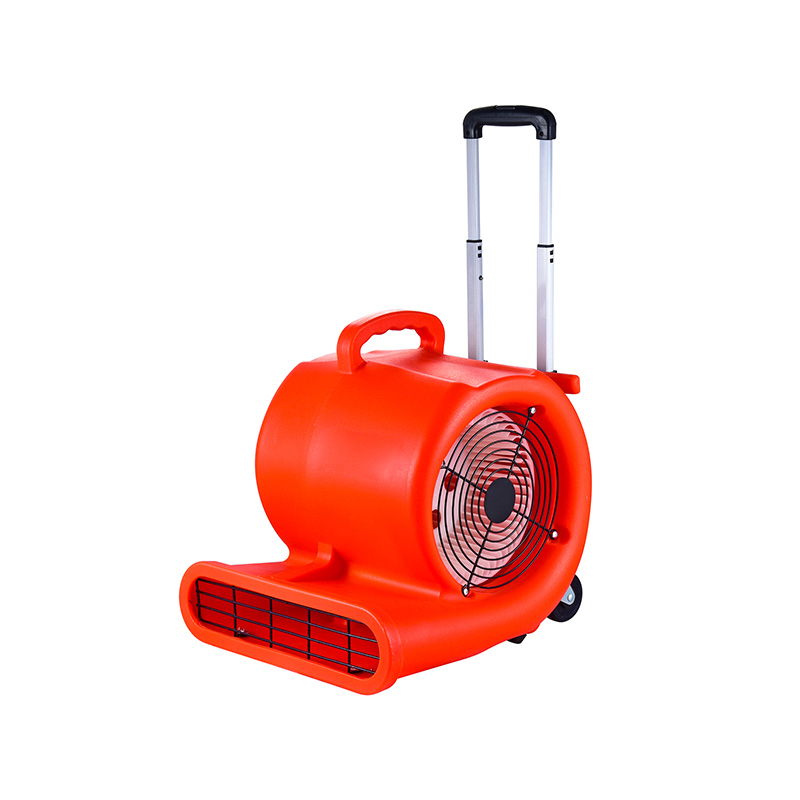
Industrial ventilation equipment plays an essential role in factories, warehouses, and large buildings where stable airflow is required for cooling, exhaust, or air circulation. An Industrial Axial Flow Fan is widely used because it can move a large volume of air along the fan axis with relatively simple mechanical structure. Companies that work with an experienced Axial Flow Fan Manufacturer often focus not only on airflow performance but also on noise control, which has become a frequent topic in engineering discussions.
Noise generated by industrial fans can influence the working environment and sometimes affect nearby facilities. Understanding the sources of noise and learning how to reduce it helps operators improve system reliability and maintain comfortable operating conditions.
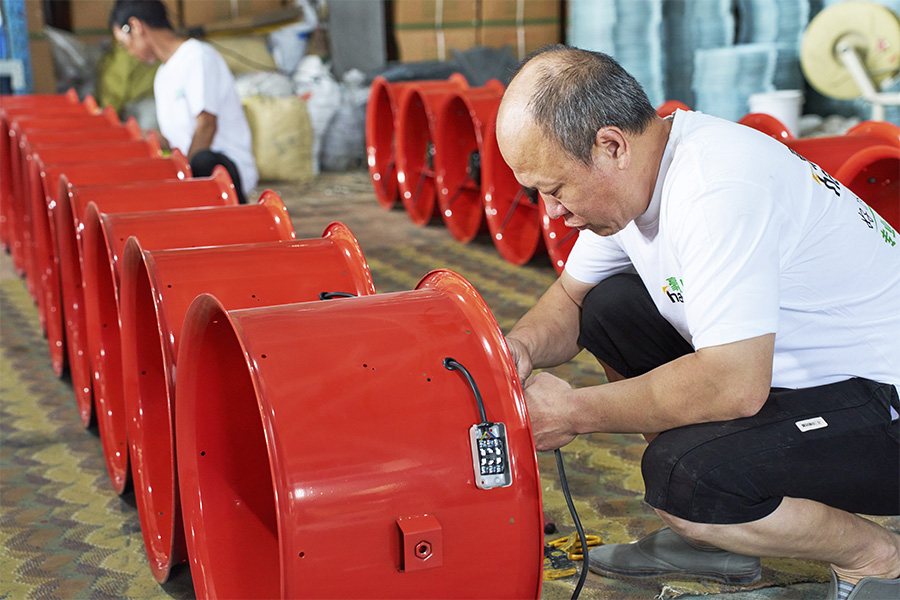
Why Industrial Axial Flow Fans Produce Noise
Noise from an axial fan is usually the result of aerodynamic effects, mechanical vibration, or installation issues.
1. Aerodynamic turbulence around blades
Air moving across fan blades creates turbulence and pressure fluctuations. These interactions between rotating blades and airflow are a major source of sound. Higher fan speeds intensify turbulence, which can significantly increase noise levels.
Blade design also affects acoustic behavior. Smooth aerodynamic blade shapes and optimized blade counts can reduce turbulence and distribute airflow more evenly, lowering sound levels during operation.
2. Vibration and mechanical imbalance
Rotating components must remain balanced during operation. When blades, shafts, or bearings become worn or misaligned, vibration develops and noise spreads through the fan casing and supporting structures.
Loose components or poor mounting conditions may also amplify vibration, turning minor mechanical issues into noticeable acoustic problems.
3. Airflow obstruction in ducts
Noise can increase when airflow paths are restricted or poorly designed. Sharp duct bends, blocked inlets, or irregular airflow patterns cause turbulence and pressure fluctuations that generate additional sound.
A properly designed ventilation system allows the fan to operate near its intended working point, which reduces stress on both the fan and surrounding equipment.
Practical Methods to Reduce Fan Noise
Reducing sound in an industrial ventilation system usually requires a combination of mechanical improvements and system design adjustments.
Improve blade and fan design
Engineers often optimize blade shape and angle to improve airflow stability. Research on axial fan structures shows that modifying blade geometry or adjusting blade angles can reduce vortex formation and lower acoustic emissions.
Some designs also incorporate aerodynamic features such as modified nozzles or duct extensions, which may reduce outlet noise levels by improving airflow distribution.
Control fan speed
Fan speed has a strong influence on acoustic output. Increasing rotational speed often raises noise levels sharply due to higher blade tip velocity and stronger turbulence.
Variable frequency drives (VFDs) allow operators to adjust fan speed based on ventilation demand, helping maintain stable airflow while limiting unnecessary noise.
Install silencers and acoustic insulation
In large ventilation systems, silencers or acoustic linings are commonly installed in ducts or near the fan outlet. These components absorb sound waves before they travel through the ventilation system or into surrounding spaces.
Noise barriers or sound-absorbing panels can also be added around equipment rooms to control environmental noise.
Improve installation quality
Correct installation plays a critical role in noise reduction. Engineers recommend:
Keeping straight duct sections near the fan inlet
Avoiding sudden bends or restrictions
Ensuring firm mounting and proper alignment
Maintaining balanced rotating components
These practices reduce airflow disturbance and mechanical vibration.
Maintenance Also Matters
Long-term operation in industrial environments exposes fans to dust, particles, and mechanical wear. Dirt accumulation on blades or bearings changes airflow patterns and may trigger additional vibration and noise.
Routine maintenance tasks include:
Cleaning fan blades and housings
Checking bearing lubrication
Inspecting shaft alignment
Tightening mounting bolts
These simple measures help maintain stable airflow performance and prevent unexpected noise increases.
Role of the Manufacturer in Noise Control
Working with a reliable Axial Flow Fan Manufacturer helps ensure that the equipment design matches the operating environment. Manufacturers with engineering experience can provide recommendations on fan size, blade configuration, and installation requirements.
Taizhou Haoba Electromechanical Co., Ltd. focuses on industrial ventilation equipment including Industrial Axial Flow Fan systems designed for factory ventilation, equipment cooling, and air circulation. Careful design and production processes help ensure consistent airflow and stable operation across different applications.
Moving Toward Quieter Industrial Ventilation
Noise control in industrial ventilation systems requires attention to both equipment design and system layout. Blade geometry, fan speed, airflow pathways, and mechanical balance all influence acoustic performance.
A well-selected fan combined with proper installation and maintenance can significantly reduce sound levels while maintaining reliable airflow. Continuous improvement in fan design and system engineering will further help industries create safer and more comfortable working environments.


 English
 русский
 عربى
عربى
 Inquiry