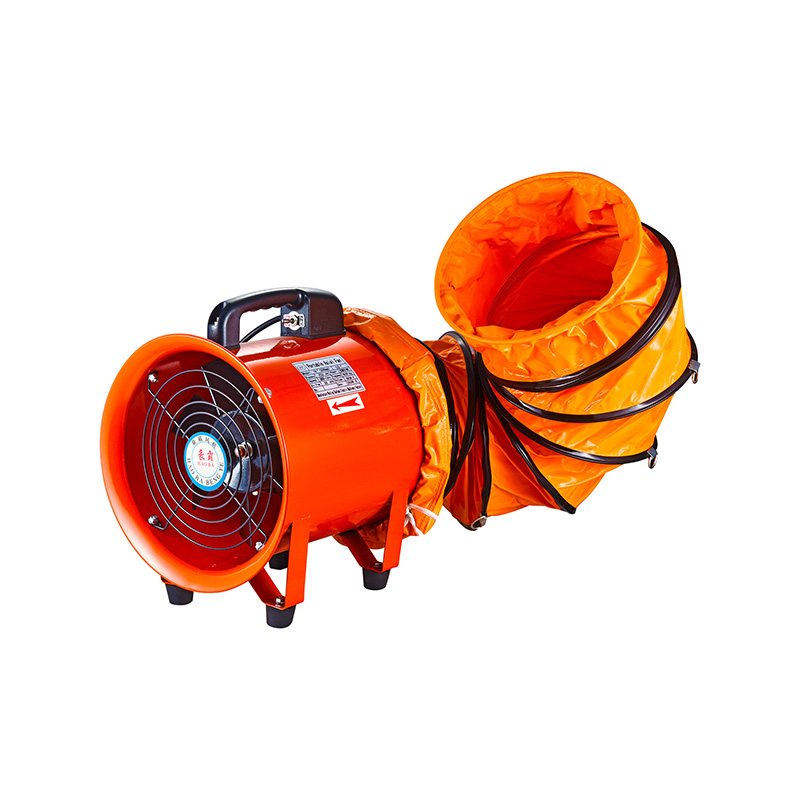
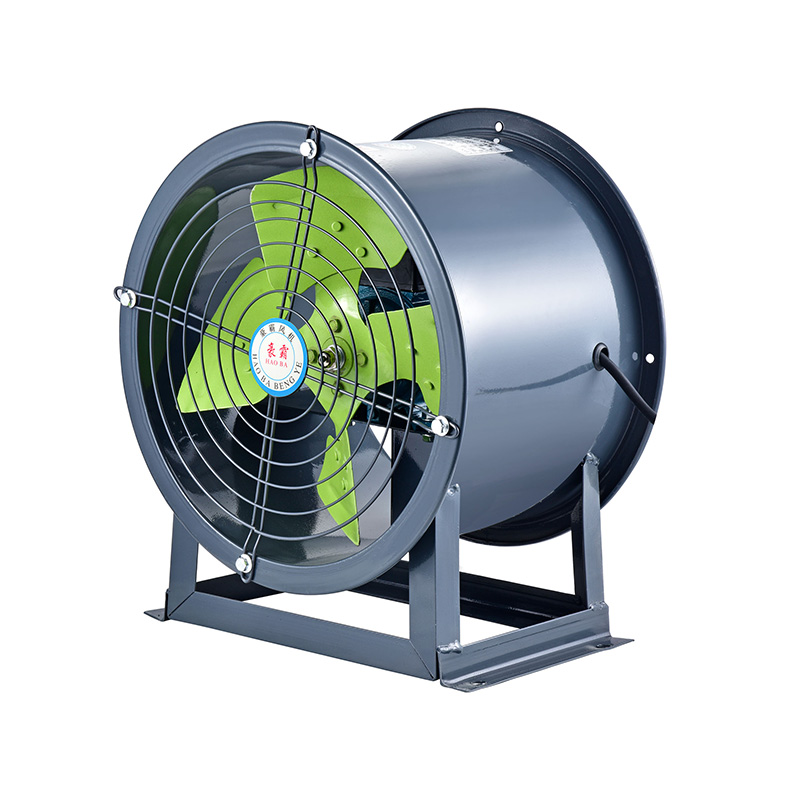
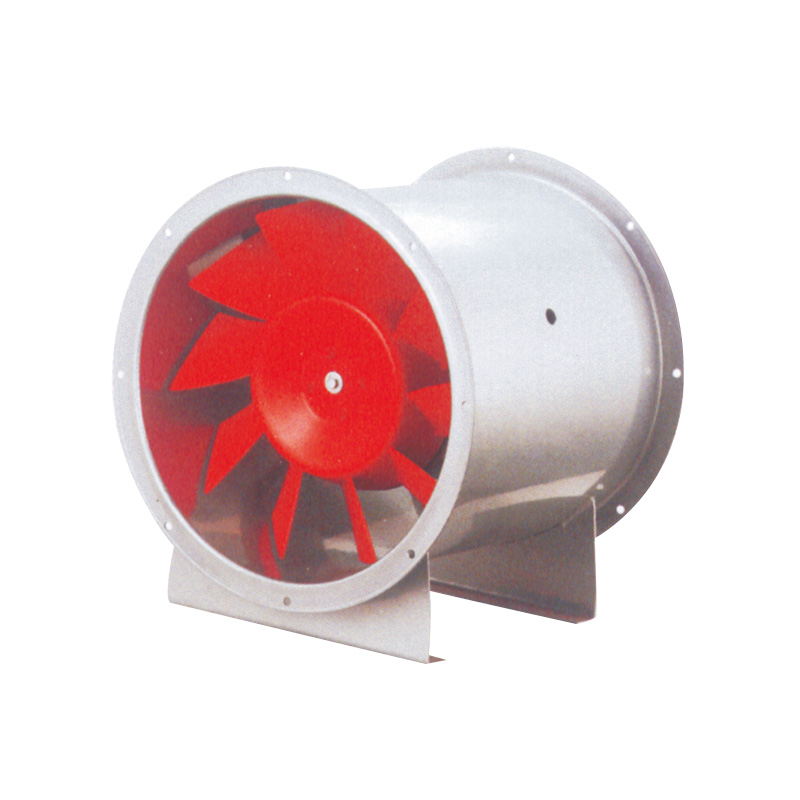
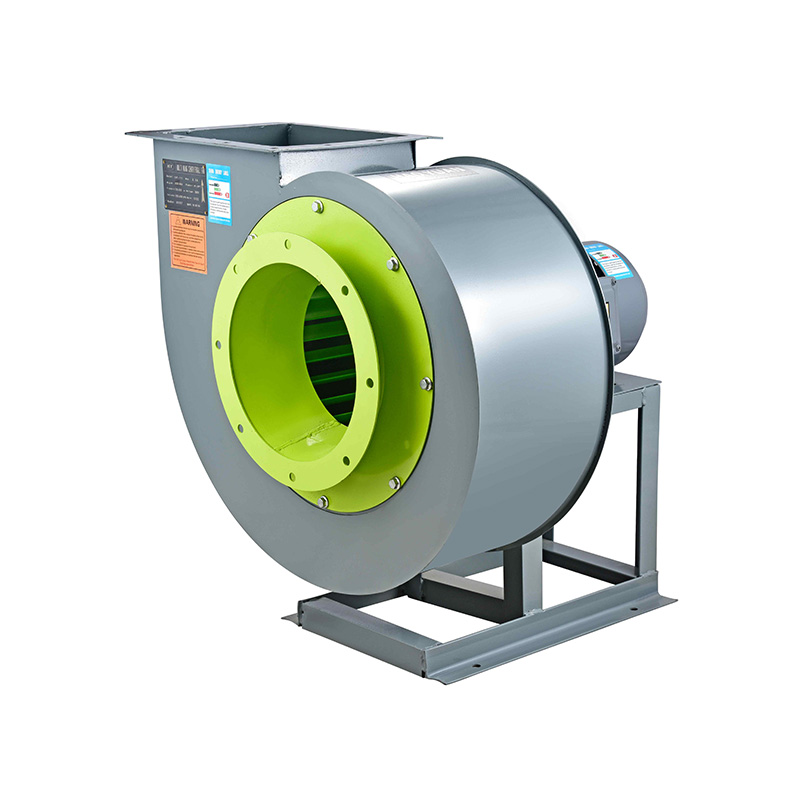
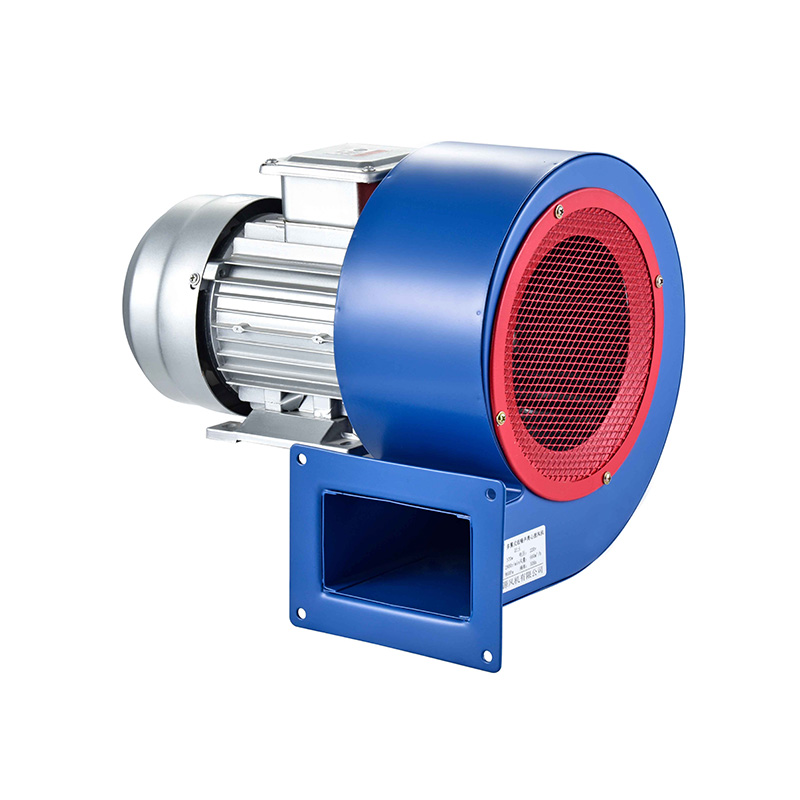
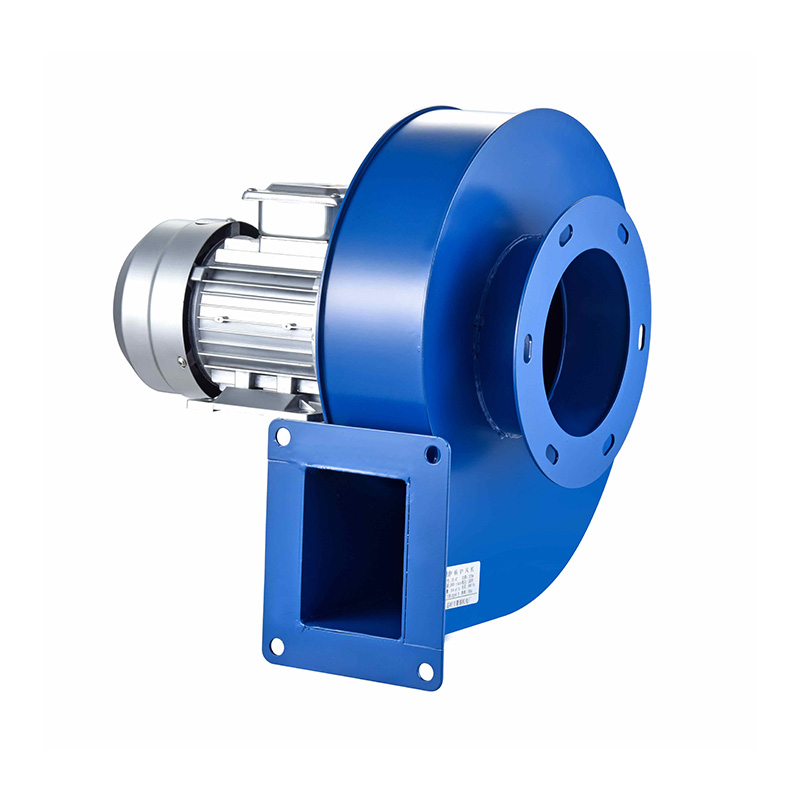
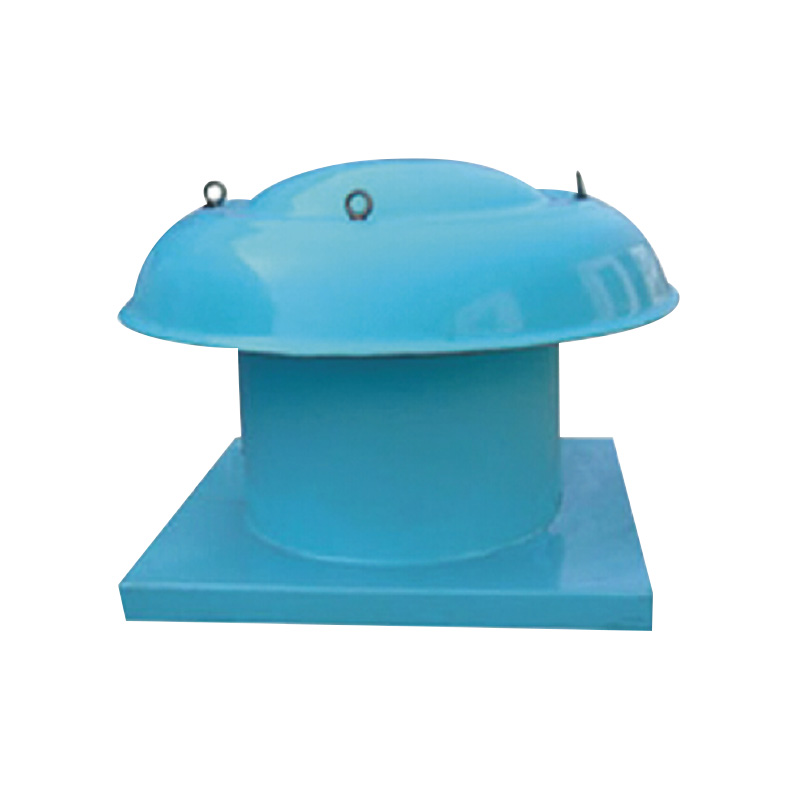
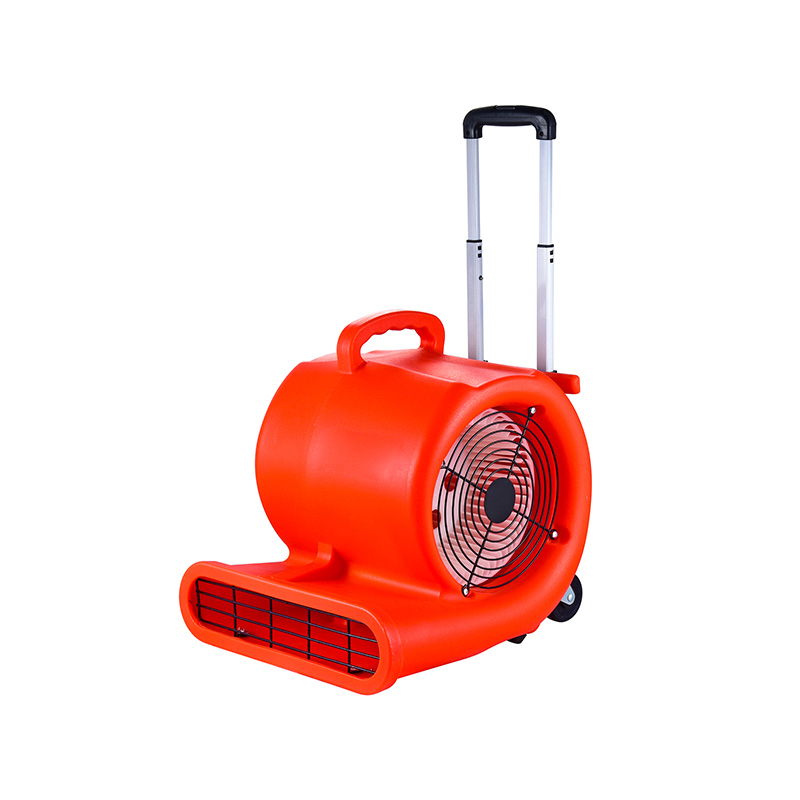
Selecting the Correct fan is crucial for achieving effective ventilation in industrial and commercial spaces. High flow axial fans are designed to deliver large volumes of air efficiently, making them suitable for open spaces or low-resistance systems. In contrast, vane axial flow fans incorporate guide vanes to increase static pressure and stabilize airflow, making them ideal for ducted installations or systems with higher resistance. Taizhou Haoba Electromechanical Co., Ltd. provides a range of axial and vane axial flow fans, offering guidance to ensure proper selection for each specific application.
1. Understand Airflow Requirements
The initial step in fan selection is to define the airflow needs:
- Volume Requirement: Calculate the cubic feet per minute (CFM) needed to maintain proper ventilation. High flow axial fans are suited for applications requiring large airflow at low pressure.
- System Resistance: Consider duct length, bends, filters, and other restrictions. Systems with higher resistance often benefit from vane axial flow fans due to their enhanced static pressure capabilities.
- Application Type: Open spaces, such as warehouses or factory floors, typically require high flow axial fans, while enclosed or complex ducted systems favor vane axial flow fans.

2. Evaluate Static Pressure and Efficiency
Static pressure and energy efficiency are critical factors:
- Static Pressure Needs: Determine the minimum pressure required to overcome system resistance. Vane axial flow fans convert rotational energy to static pressure, providing an advantage in high-resistance systems.
- Efficiency Considerations: Higher efficiency reduces energy consumption and operational costs. Both fan types can be optimized through blade design, motor selection, and system integration.
- Airflow Uniformity: Vane axial flow fans produce more stable airflow with less turbulence, contributing to consistent ventilation performance.
3. Noise and Vibration Factors
Noise and vibration influence both comfort and equipment longevity:
- High Flow Axial Fans: Can produce higher noise levels at high speeds due to blade rotation and turbulent airflow.
- Vane Axial Flow Fans: Reduce swirl and turbulence, lowering noise and vibration, which is beneficial in office, laboratory, or commercial environments.
- Mitigation Measures: Proper installation, regular maintenance, and vibration-dampening mounts can improve operational comfort and fan life.
4. Maintenance and Serviceability
Ensuring easy maintenance improves reliability:
- Blade Cleaning: Both fan types require periodic cleaning to prevent dust accumulation, which can reduce airflow and efficiency.
- Bearing Lubrication: Smooth rotation of fan shafts and bearings is essential to maintain airflow and prevent premature wear.
- Guide Vane Inspection: For vane axial flow fans, check vanes for damage or misalignment to preserve static pressure and airflow performance.
5. Professional Selection Guidance
When choosing the Correct fan:
- Consult Manufacturer Specifications: Review airflow, static pressure, efficiency, and operational limits.
- Consider Environmental Conditions: High temperature, humidity, or particulate-laden air may affect fan performance and material selection.
- System Compatibility: Ensure the selected fan integrates with existing ductwork, filters, and controls.
Customization Options: Taizhou Haoba Electromechanical Co., Ltd. can provide customized solutions, including rotor and vane adjustments, to match specific ventilation requirements.
Selecting the correct high flow axial fan or vane axial flow fan requires a thorough understanding of airflow requirements, static pressure, system resistance, and environmental conditions. By considering these factors, facilities can ensure reliable, efficient, and long-lasting ventilation. Taizhou Haoba Electromechanical Co., Ltd. offers a variety of axial and vane axial flow fans, providing expert guidance to support good fan selection and system performance.


 English
 русский
 عربى
عربى
 Inquiry